

Executive Overview
In the sprawling, ecologically vibrant waters of the Pacific Northwest, a quiet conservation battle is being waged for the future of the region’s marine wildlife. The Salish Sea—a complex network of coastal marine waters spanning from the southern tip of Puget Sound in Washington state to the northern reaches of the Strait of Georgia in British Columbia—is facing unprecedented anthropogenic pressures. Amidst these environmental challenges, a beacon of hope has emerged through dedicated marine mammal rescue operations.
At the vanguard of this effort is SeaLife Response, Rehabilitation, and Research (SR3), a premier marine wildlife hospital serving as a vital champion for the Salish Sea Hope Spot. This designated Mission Blue Hope Spot, supported globally by the Rolex Perpetual Planet Initiative, is home to a rich mosaic of biodiversity. Within this critical ecosystem, orphaned and abandoned harbor seal pups are being afforded a second chance at survival.
Through specialized medical care, nutritional stabilization, and behavioral conditioning, SR3’s veterinary staff and marine biologists ensure that vulnerable pups acquire the essential survival skills required in the wild. This comprehensive investigative report examines the intricate mechanics of harbor seal rehabilitation, the ecological significance of the Salish Sea Hope Spot, the collaborative funding and operational frameworks driving these rescue efforts, and the broader implications for Pacific Northwest marine conservation in an era of rapid environmental change.
+-------------------------------------------------------------------------------+
|                        THE SALISH SEA REHABILITATION PIPELINE                 |
+-------------------------------------------------------------------------------+
|                                                                               |
|   [ 1. Rescue & Intake ]                                                      |
|         |---> Stranded, orphaned, or injured harbor seal pups reported.       |
|         |---> Field assessment and safe transport to SR3 facility.            |
|                                                                               |
|   [ 2. Medical Stabilization ]                                                |
|         |---> Full veterinary examination, blood work, hydration.             |
|         |---> Treatment of malnutrition, parasites, and respiratory issues.   |
|                                                                               |
|   [ 3. Rehabilitative Nursing ]                                               |
|         |---> Specialized formula feeding transitioning to solid fish diet.   |
|         |---> Minimization of human contact to prevent habituation.           |
|                                                                               |
|   [ 4. Pre-Release Conditioning ]                                             |
|         |---> Open-water pool integration and live-prey hunting practice.     |
|         |---> Rigorous physical fitness and endurance assessments.            |
|                                                                               |
|   [ 5. Release Back to the Wild ]                                             |
|         |---> Return to protected waters within the Salish Sea Hope Spot.     |
|         |---> Post-release monitoring via tagging and sighting networks.      |
|                                                                               |
+-------------------------------------------------------------------------------+
Detailed Chronology: From Rescue to Release
The lifecycle of a rehabilitated harbor seal pup at SR3 is a meticulously orchestrated timeline designed to mimic natural developmental milestones while mitigating the risks of human habituation. Understanding this trajectory provides profound insight into the modern science of marine mammal medicine.
Phase 1: Intake and Triage
The journey typically begins in late spring and early summer, which coincides with the harbor seal pupping season in the Salish Sea. Newborn and nursing pups are often separated from their mothers due to shoreline human disturbance, severe weather events, or maternal abandonment. Upon receiving distress calls from beachgoers, coastal residents, or marine patrols, SR3’s trained responders conduct field assessments.
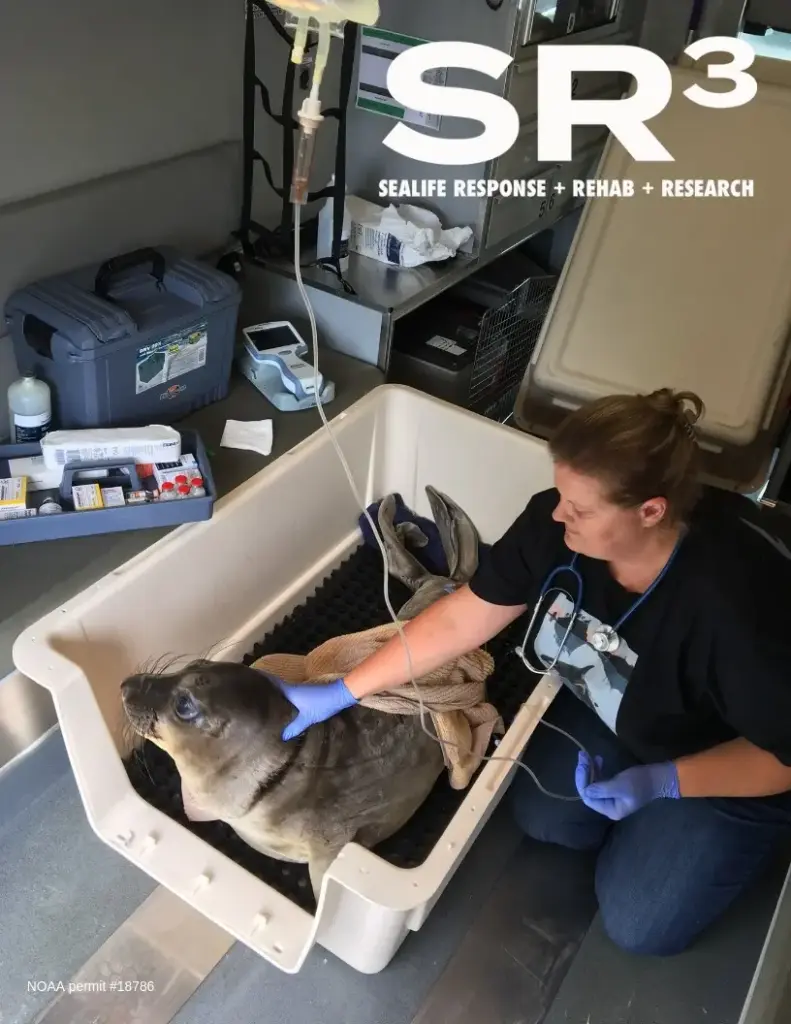
If a pup is confirmed to be truly orphaned or in critical medical distress, it is safely transported to the SR3 rehabilitation facility. Upon arrival, the animal undergoes an exhaustive veterinary examination. Blood samples are drawn to check for systemic infections, white blood cell counts, and organ function. Dehydration, which is nearly universal in stranded pups, is immediately addressed through subcutaneous or intravenous fluid therapy.
Phase 2: Nutritional Stabilization and Formula Rearing
For pups that arrive weeks before they are weaned in the wild, the initial weeks at the facility are defined by intensive bottle-feeding schedules. Harbor seal milk is exceptionally rich in fats and proteins, necessitating a specialized synthetic formula designed to replicate these macronutrients without causing gastrointestinal distress.
As the pups grow, veterinary nutritionists gradually transition them from liquid formula to solid foods. This phase introduces fish gruel, followed by whole small fish such as herring and smelt. This transition is not merely nutritional; it is behavioral. Pups must learn to recognize dead and, eventually, live fish as food sources, shedding the instinctive urge to nurse.
Phase 3: Pool Integration and Behavioral Conditioning
Once independent feeding is established, the seals are moved to outdoor, saltwater rehabilitation pools. This milestone represents a critical shift from intensive medical care to independent aquatic conditioning. In these enclosures, pups build muscle mass, expand their lung capacity, and develop the thick blubber layer necessary for thermoregulation in the chilly waters of the Salish Sea.
Crucially, human interaction is kept to an absolute absolute minimum during this stage. Animal care staff wear nondescript garments, feed the seals via chute systems where possible, and avoid vocalizations. This protocol ensures that the seals retain their natural fear of humans—a vital prerequisite for survival upon release. Without this wariness, rehabilitated pups might approach recreational boaters, docks, or beaches, exposing themselves to human-wildlife conflict.
Phase 4: Pre-Release Assessment and Return to the Wild
Before any seal is cleared for release, it must pass a battery of physical and behavioral evaluations. Veterinarians verify that the animal has achieved a healthy weight-to-length ratio, exhibits robust swimming and diving capabilities, and demonstrates the ability to capture live fish introduced into the training pools.
When these criteria are met, the seals are transported back to carefully selected, protected coastal sites within the Salish Sea. The moment of release is both a culmination of months of labor-intensive care and the beginning of the animal’s independent ecological journey. As the kennel doors open on the sandy shore or rocky outcrop, the seals surge toward the surf, re-entering the marine ecosystem to take their place in the food web.
Supporting Context & Metrics: The Salish Sea Ecosystem
To fully comprehend the significance of these rehabilitation efforts, one must analyze the ecological framework of the Salish Sea and the specific vulnerabilities facing Phoca vitulina richardsi—the Pacific harbor seal.
The Salish Sea Hope Spot and Mission Blue
In 2021, the Salish Sea was officially designated as a Mission Blue Hope Spot. Championed globally by organizations and spearheaded by legendary oceanographer Dr. Sylvia Earle, Hope Spots are special areas of the ocean that are scientifically identified as critical to the health of the planet. The Salish Sea supports an astonishing array of marine life, including endangered Southern Resident killer whales, Chinook salmon, transient and resident marine mammals, and vast kelp forests.
However, this biological richness is heavily threatened. Decades of urban expansion, industrial pollution, vessel traffic, overfishing, and climate-induced warming of ocean waters have strained the ecosystem’s resilience. Within this pressured environment, harbor seals serve as an essential apex predator and a biological indicator species. Their health reflects the overall health of the nearshore marine environment.
+--------------------------------------------------------------------------|
|                        SALISH SEA HEALTH INDICATORS                      |
+--------------------------------------------------------------------------|
|  Indicator Category  |  Current Status  |  Primary Driver                |
+--------------------------------------------------------------------------|
| Harbor Seal Populations| Stable/Capacitated| Successful past protections |
| Nearshore Habitat    | Degraded         | Coastal urbanization/runoff    |
| Salmon Stocks        | Endangered       | Overfishing, dams, climate     |
| Vessel Traffic       | High & Rising    | Commercial & recreational use  |
+--------------------------------------------------------------------------|
Harbor Seals as Ecosystem Sentinels
Harbor seals are permanent residents of the Salish Sea, making them uniquely susceptible to localized environmental degradation. Unlike migratory marine mammals that traverse ocean basins, harbor seals spend their entire lives foraging in specific coastal zones. Consequently, contaminants such as polychlorinated biphenyls (PCBs), heavy metals, and microplastics accumulate in their blubber layers over time.
Furthermore, human disturbance during the pupping season poses a persistent threat. Female harbor seals are easily startled by kayakers, beach walkers, and motorized watercraft. If a mother is frightened away from her newborn pup for an extended period, the bond can be broken, resulting in abandonment. Organizations like SR3 act as an ecological safety net, mitigating the direct and indirect impacts of human encroachment on coastal nurseries.
Official Statements and Institutional Perspectives
The success of marine mammal rescue operations in Washington state relies heavily on collaborative frameworks uniting non-profit organizations, corporate benefactors, and federal oversight agencies.
Dr. Raoul Smith, Senior Marine Mammal Veterinarian at SR3, emphasizes the delicate balance required in rehabilitation medicine:
"Our ultimate goal in every single case is to restore these animals to complete self-sufficiency. We are not running a petting zoo or an aquarium exhibit; we are operating a trauma center for wildlife. Every protocol we implement—from minimizing human vocalizations to introducing live-prey stimuli—is engineered to ensure that when these pups hit the open water of the Salish Sea, they possess the innate wild instincts required to hunt, evade predators, and integrate into existing wild haul-out groups."
The financial and operational backing provided by global philanthropic initiatives has also transformed regional conservation capacities. The Rolex Perpetual Planet Initiative, through its partnership with Mission Blue, has amplified the visibility and operational reach of Hope Spot Champions worldwide.
A spokesperson for the Rolex Perpetual Planet Initiative noted the broader philosophical alignment of the partnership:
"Protecting our planet’s oceans requires supporting those who are on the ground—and on the water—every single day doing the hard, unglamorous work of healing ecosystems one species at a time. SR3’s work in the Salish Sea Hope Spot exemplifies this mission. By safeguarding these young harbor seals, they are investing in the biological integrity and future resilience of one of the Pacific Northwest’s most extraordinary marine environments."
Additionally, federal oversight bodies, such as the National Oceanic and Atmospheric Administration (NOAA) Fisheries, play a pivotal role. Under the Marine Mammal Protection Act (MMPA), organizations like SR3 operate under strict federal authorization permits, ensuring that all rehabilitation protocols adhere to the highest standards of animal welfare and scientific rigor.
Future Outlook: Challenges and Conservation Horizons
Looking ahead, the landscape of marine mammal rehabilitation in the Pacific Northwest is evolving rapidly in response to compounding environmental pressures. While organizations like SR3 have achieved remarkable success rates in returning healthy pups to the Salish Sea, the systemic drivers of strandings demand broader proactive interventions.
Climate Change and Thermal Stress
As global temperatures rise, the waters of the Salish Sea are experiencing unprecedented marine heatwaves. These thermal anomalies disrupt the lifecycle of forage fish—such as herring, smelt, and sand lance—which in turn impacts the nutritional availability for nursing mother seals. Future rehabilitation protocols will likely need to account for higher incidences of maternal malnutrition and premature pupping events driven by shifting oceanic seasons.
Anthropogenic Noise and Vessel Density
The proliferation of commercial shipping, ferries, and recreational boating in Puget Sound and surrounding waterways creates an acoustic fog that can disrupt marine mammal communication and foraging behaviors. As vessel traffic intensifies, the risk of shoreline disturbance during pupping season increases correspondingly. Conservation planners are increasingly advocating for seasonal buffer zones around known harbor seal haul-out sites to prevent human-induced strandings before they occur.
Scaling Educational Outreach and Policy
Rehabilitation alone cannot solve the structural ecological challenges facing the Salish Sea. Consequently, leading organizations are expanding their educational and community outreach initiatives. By teaching coastal residents and recreational water users about the importance of "giving seals space," community-led stewardship is becoming as vital as clinical veterinary medicine.
As the Salish Sea Hope Spot continues to draw international attention through platforms like CNN and global conservation networks, the imperative to protect its marine inhabitants has never been clearer. The journey of every rehabilitated harbor seal pup—from a fragile, abandoned casualty of a crowded coastline to a strong, sleek swimmer diving into the depths of the Pacific Northwest—stands as a powerful testament to what is possible when rigorous science, compassionate care, and dedicated global philanthropy converge.



