

Executive Overview
As the global community confronts the compounding crises of rapid climate change and accelerating biodiversity loss, researchers are looking backward to move forward. Historical records—long trapped in physical archives, fading inks, and fragile, handwritten field journals—represent an untapped goldmine of baseline ecological data. For two decades, the Biodiversity Heritage Library (BHL) has served as the vanguard of this archival resurrection, growing into the world’s largest open-access digital library for biodiversity literature. Today, with a corpus exceeding 64 million pages, the BHL is evolving from a digital bookshelf into an active, data-rich repository capable of informing modern conservation science.
A milestone in this ongoing evolution is the recent integration of ornithological field journals, notebooks, and bird lists compiled by Walter Faxon (1848–1920), a pioneering Harvard zoologist and curator. Preserved within Harvard University’s Ernst Mayr Library (EML) at the Museum of Comparative Zoology (MCZ), Faxon’s meticulous 33-year chronicle of avian life in New England spans over 2,200 pages of rare manuscript material.
To bridge the gap between static historical manuscripts and dynamic global biodiversity databases like the Global Biodiversity Information Facility (GBIF), the EML leveraged cutting-edge Artificial Intelligence. Through a specialized Pforzheimer Fellowship, Harvard PhD candidate Mohit Mandal deployed advanced generative AI models—namely ChatGPT and Claude—to transcribe Faxon’s complex, cursive-heavy, and densely annotated field notes.
This article explores the intersection of 19th-century field ornithology and 21st-century machine learning. It details the challenges of AI-assisted historical transcription, examines the broader implications for global climate modeling, and outlines a future where archival data becomes an indispensable tool for preserving life on Earth.
Detailed Chronology: From 19th-Century Fieldwork to 21st-Century AI
To understand the weight of the Faxon collection, one must trace its journey across nearly a century and a half—from the rugged woods of Massachusetts to the cutting-edge server architectures of modern digital libraries.
1. The Era of Walter Faxon (1848–1920)
Born in Massachusetts, Walter Faxon established himself as a titan of comparative zoology during a career spanning multiple decades. Serving as an Assistant Professor of Zoology at Harvard University from 1872 to 1886 and subsequently as the Curator of the Invertebrate Department at the Museum of Comparative Zoology for 46 years (1874–1920), Faxon dedicated his professional life primarily to crustaceans and mollusks.
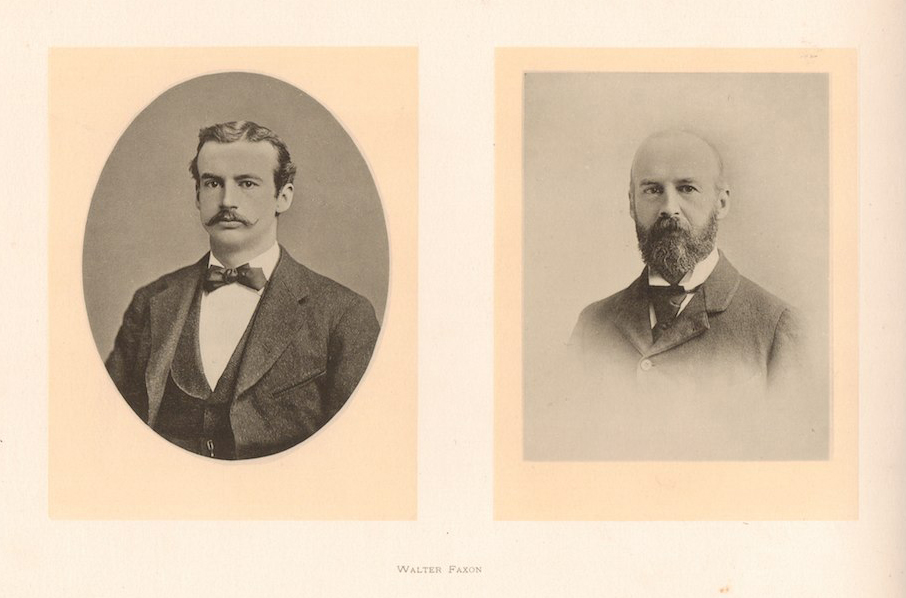
However, ornithology was his deeply passionate avocation. Recognized internationally as a Fellow of the American Ornithologists’ Union, Faxon spent nearly 60 years in the field. Contemporaries praised his exceptional sensory acuity and scrupulous accuracy; his identifications were treated as definitive by his peers. Between 1886 and 1919, Faxon compiled thousands of meticulous bird observations, noting species names, dates, localities, population counts, sex, life stages, and vocalizations.
2. Archival Preservation at the Ernst Mayr Library
Following Faxon’s death in 1920, his papers, journals, and field notes found a permanent home within the Ernst Mayr Library (EML) at Harvard’s Museum of Comparative Zoology. Alongside related collections—such as the extensive papers of fellow ornithologist William Brewster, which include 145 letters exchanged with Faxon—these manuscripts were carefully preserved. Yet, like millions of pages of global scientific history, they remained inaccessible to researchers outside of Cambridge, Massachusetts, locked away in physical form and unsearchable by digital databases.
3. The Digital Catalyst: Digitization (2025)
The journey toward global accessibility gained momentum in 2025. With support from the Harvard Library Collections Digitization Program—specifically aligned with the institutional theme of Climate Change—the EML successfully digitized Faxon’s complete ornithological collection. This crucial first step converted physical pages into high-resolution digital images, establishing the foundation for text extraction and online hosting via the Biodiversity Heritage Library.
4. The Pforzheimer Fellowship and AI Experimentation (June–August 2026)
Recognizing that high-resolution images alone are insufficient for large-scale data aggregation, the EML hosted a prestigious Pforzheimer Fellowship in the summer of 2026. Mohit Mandal, a Harvard PhD candidate in Anthropology, was appointed to spearhead the transcription project from June 1 to August 31, 2026.
Mandal’s primary objective was to evaluate, select, and deploy AI-powered tools to transform Faxon’s handwritten manuscripts into machine-readable, searchable transcript files. His workflow tested models like ChatGPT and Google Gemini, ultimately forging a hybrid pipeline that combined ChatGPT’s conversational flexibility with Claude’s cross-verification capabilities. By late August 2026, the project successfully achieved its goal of generating transcriptions for nearly 2,000 manuscript pages, embedding them directly into the BHL book viewer alongside the original page images.
Supporting Context & Metrics
The integration of Faxon’s collection into the BHL is more than a historical archiving project; it is a quantitative boost to global biodiversity informatics.
Collection Metrics & Composition
- Total Manuscript Pages: Just over 2,200 pages.
- Ornithological Records: 1,640 pages dedicated specifically to field journals, bird lists, and field notebooks spanning 33 years (1886–1919).
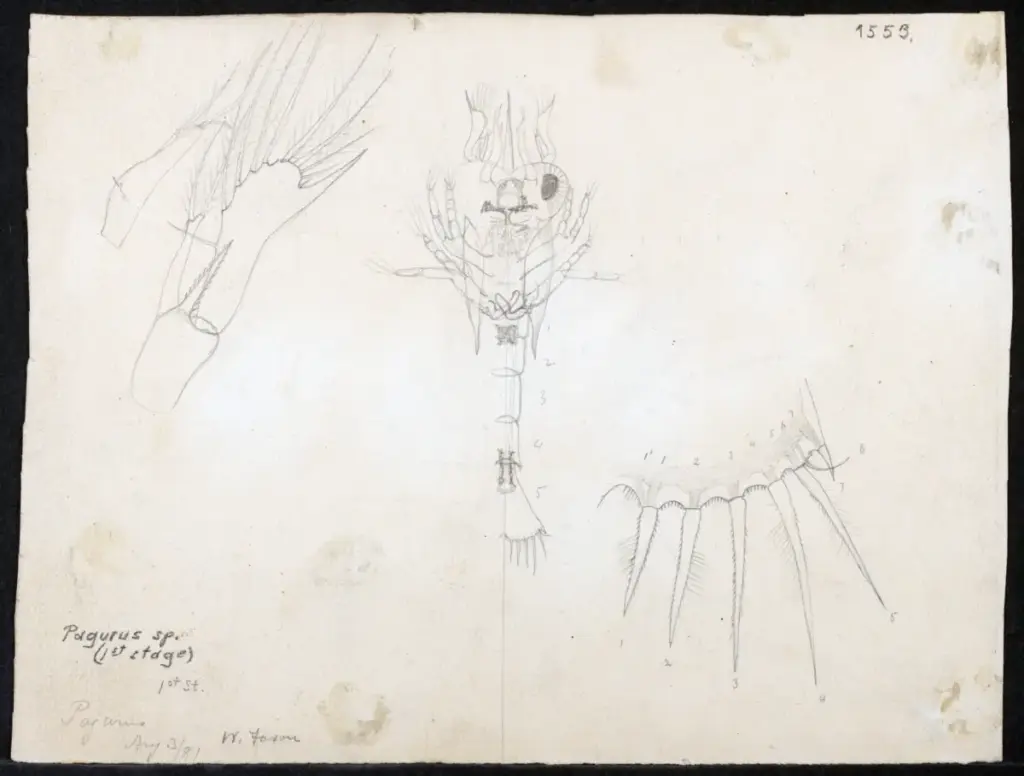
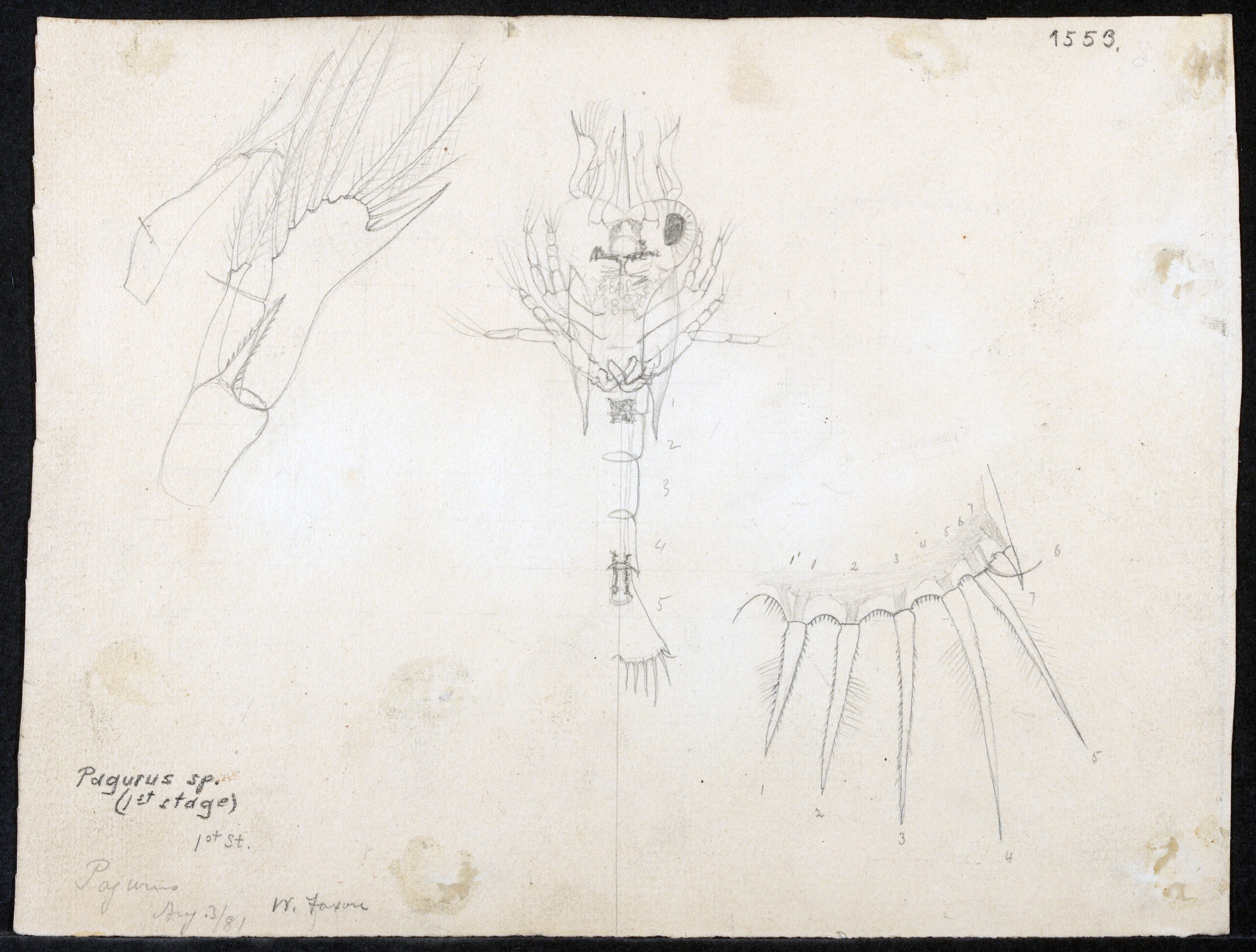
- Visual Artistry: Eight rare pencil drawings of Arthropoda and Crustacea, including a detailed zoeal stage sketch of a hermit crab (Pagurus sp.) drawn by Faxon on August 3, 1881.
- Collaborative Context: Interlinked with the William Brewster papers, featuring 145 pieces of direct correspondence between Faxon and Brewster.
The Technical Challenge of AI Transcription
While Large Language Models (LLMs) have revolutionized text processing, transcribing 19th-century cursive field notes presents formidable obstacles. Mandal’s evaluation of leading AI models revealed distinct operational trade-offs:
- Google Gemini: Exhibited high initial accuracy in optical character recognition (OCR) and handwriting interpretation, but proved constrained by rigid file upload limits and restricted ecosystem compatibility (failing to support standard software formats like Microsoft Word outside Google Workspace).
- ChatGPT: Selected as the primary engine due to its superior conversational flexibility, rapid prompt-training capabilities, and consistent formatting output.
- Claude: Employed as a secondary verification tool, utilizing cross-model validation to catch errors and enhance overall transcript reliability.
Despite these successes, the project encountered distinct hurdles common to historical manuscripts:
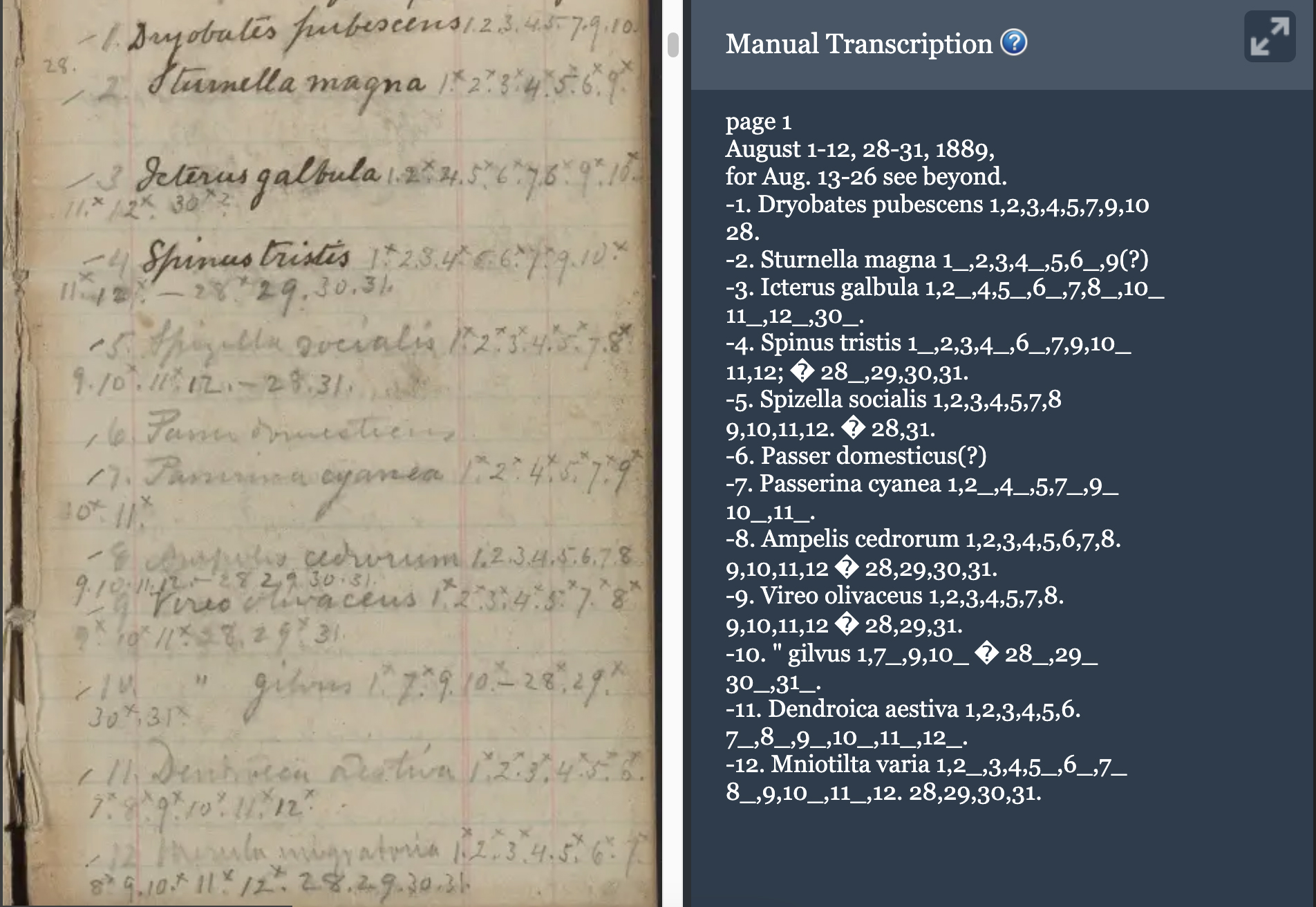
- Physical Degradation: Faded pencil markings, smudges, and marginalia written at sharp angles frequently baffled AI recognition systems, resulting in untranscribed or omitted text blocks.
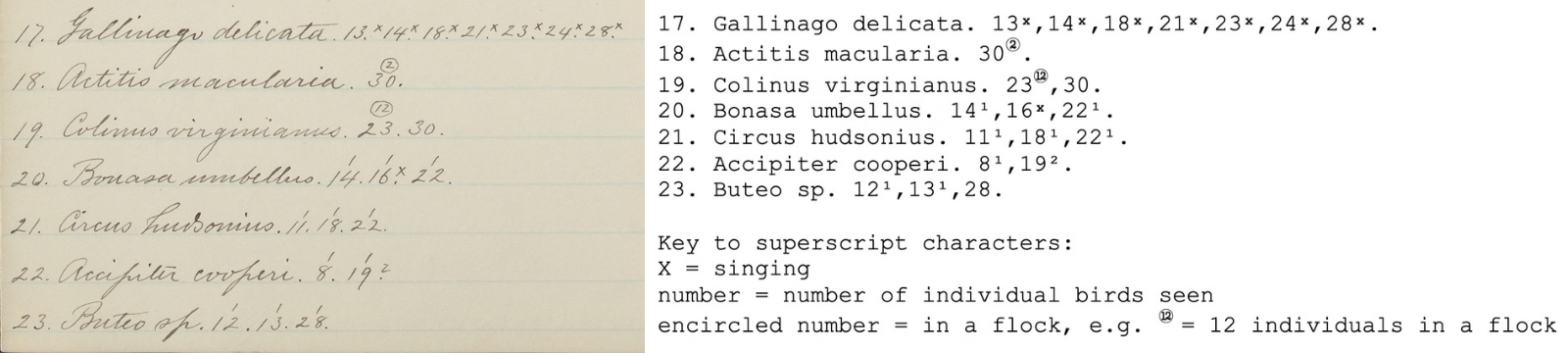
- Interlinear Notations: Faxon frequently inserted micro-notations, numbers, and symbols between primary lines of text to denote flock sizes, vocalization behaviors, and specific environmental notes. Standard word-processing line constraints caused ChatGPT to initially miss these details, requiring specialized superscript formatting protocols to preserve the data integrity.
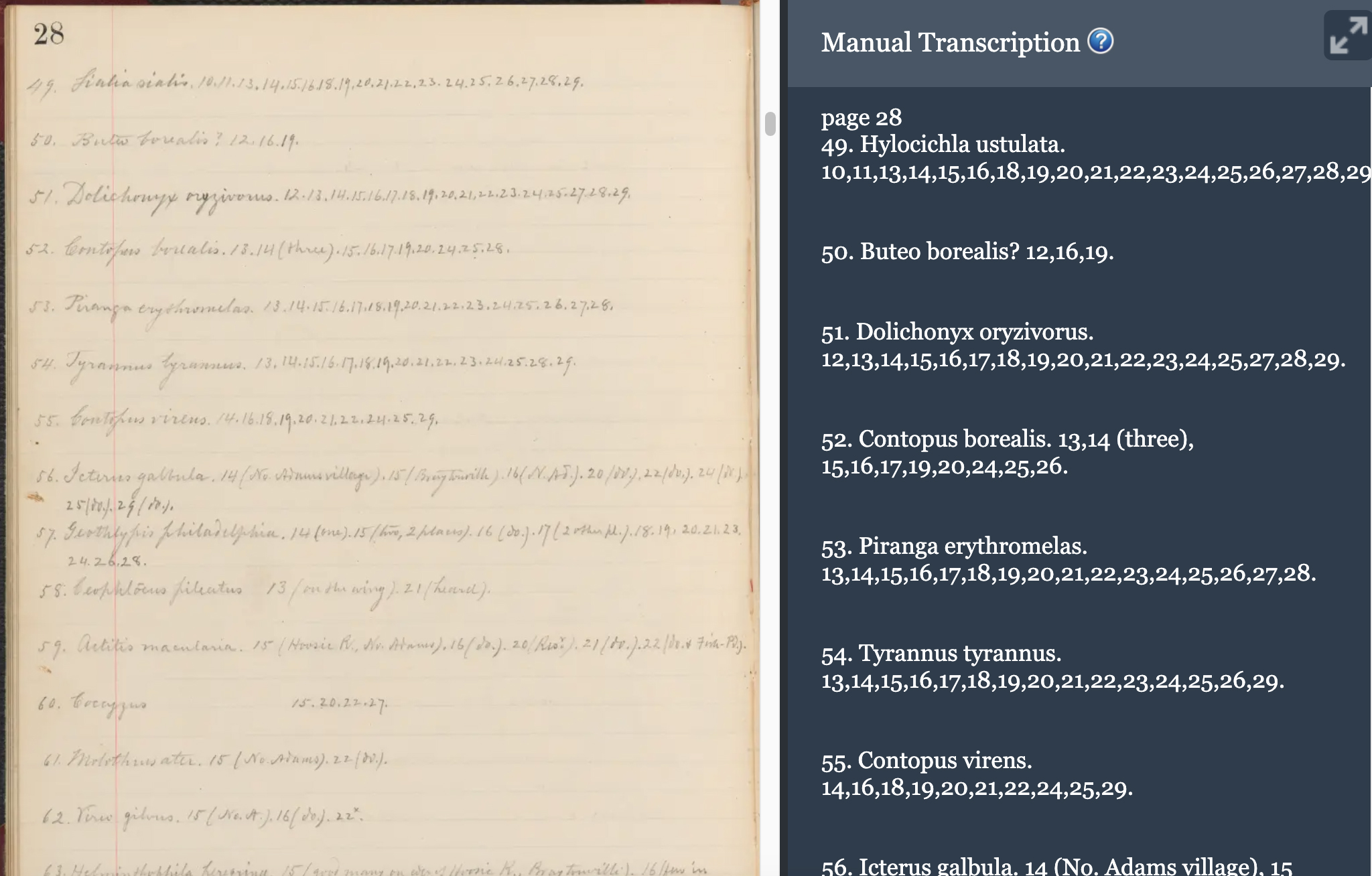
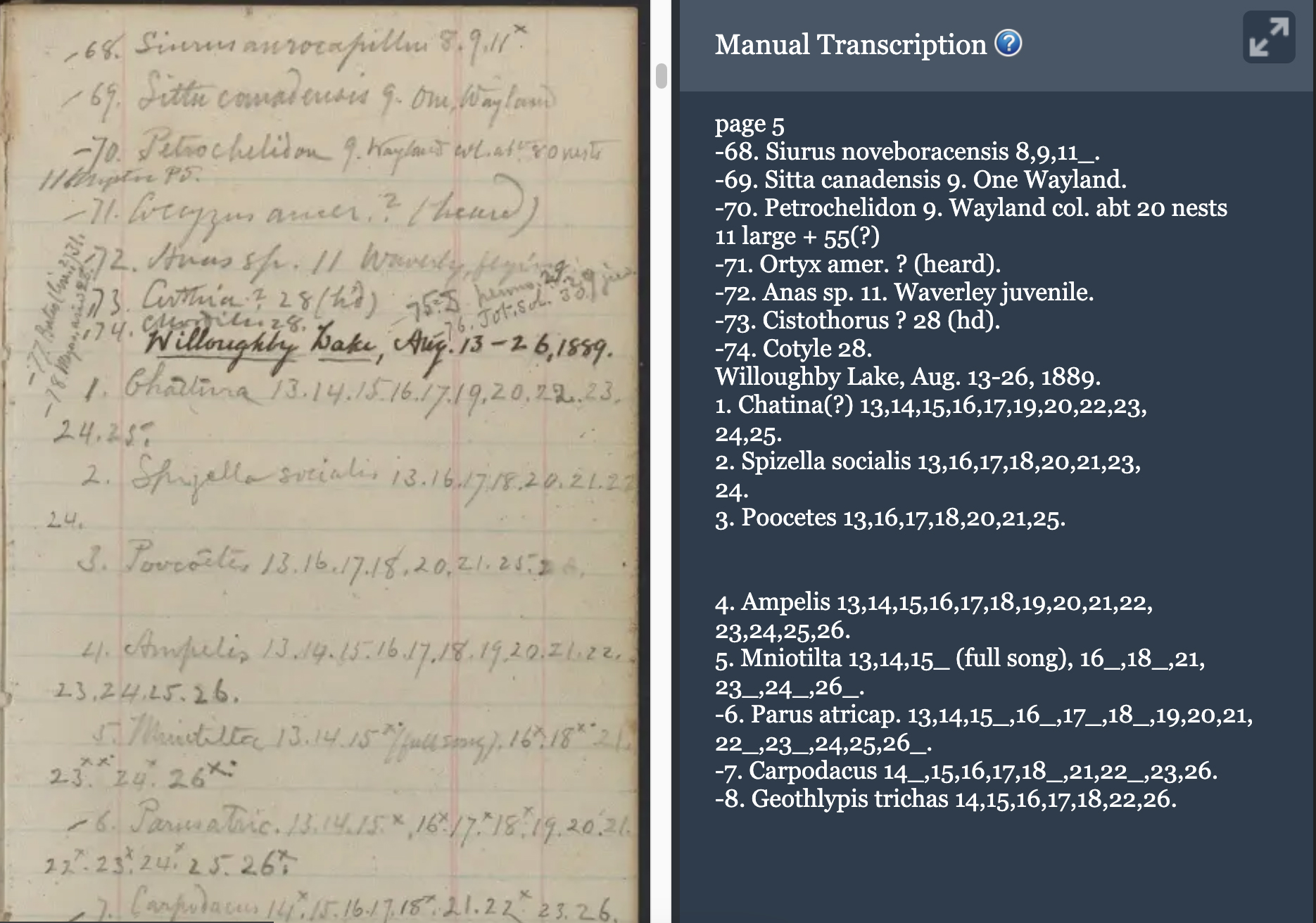
- AI Hallucinations: In specific instances, models mis-transcribed rare or archaic scientific names, erroneously converting species designations (e.g., transcribing Sialia sialis as Hylocichla ustulata, or Merula migratoria as Mniotilta varia).
Official Statements & Expert Perspectives
The convergence of historical zoology and artificial intelligence highlights the irreplaceable value of human oversight in the digital age.
Reflecting on the successes and limitations of the initiative, project leadership emphasized that human guidance remains paramount. As documented in project summaries:
"The human element remains central to guide the goals and direction of the project, without which A.I. tools—at least at this stage of their development—often falter in accuracy, especially when handling complex page layouts and difficult handwriting."
— Mohit Mandal, 2026 Pforzheimer Fellow & Harvard PhD Candidate
Joe deVeer, Co-Secretary of the BHL Executive Committee and Digital Projects Manager at the Ernst Mayr Library—who has championed digital access at Harvard since 2006—noted the profound significance of opening these archives to the global scientific community. For two decades, the BHL has democratized access to foundational scientific knowledge, allowing researchers to unearth historical baselines that are critical for modern conservation biology.
Future Outlook: From Archives to Global Conservation
The successful transcription and ingestion of Walter Faxon’s field notes into the Biodiversity Heritage Library mark a critical proof-of-concept for the future of digital natural history.
Feeding Global Biodiversity Databases
The ultimate trajectory of this data extends far beyond the BHL interface. By structuring, standardizing, and verifying transcript files, institutions like the Ernst Mayr Library are positioning these historical observations for direct export to the Global Biodiversity Information Facility (GBIF). When aggregated with millions of other historical and contemporary records, Faxon’s 19th-century New England bird counts provide crucial temporal depth to ecological datasets.
Informing Climate Mitigation Strategies
Understanding how bird populations, migration timings, and habitat ranges have shifted over the past 130 years requires precise historical baselines. Anthropogenic climate change and habitat fragmentation have fundamentally altered ecosystems; without historical records like Faxon’s, conservationists lack the empirical benchmarks needed to measure the velocity of these changes.
The Next Frontier: Advanced AI and Platform Modernization
As artificial intelligence models rapidly evolve and the BHL prepares for comprehensive platform modernization, the pipeline for extracting data from handwritten manuscripts is becoming increasingly streamlined. Future iterations of AI transcription tools will likely overcome current limitations regarding marginalia, smudged pencil marks, and interlinear notations with near-zero error rates.
Through the collaborative efforts of the Harvard Library, the Ernst Mayr Library, dedicated fellows like Mohit Mandal, and the global network of the Biodiversity Heritage Library, the locked notebooks of 19th-century naturalists are finally finding their voice—offering vital insights to help humanity navigate the ecological challenges of the 21st century and beyond.



