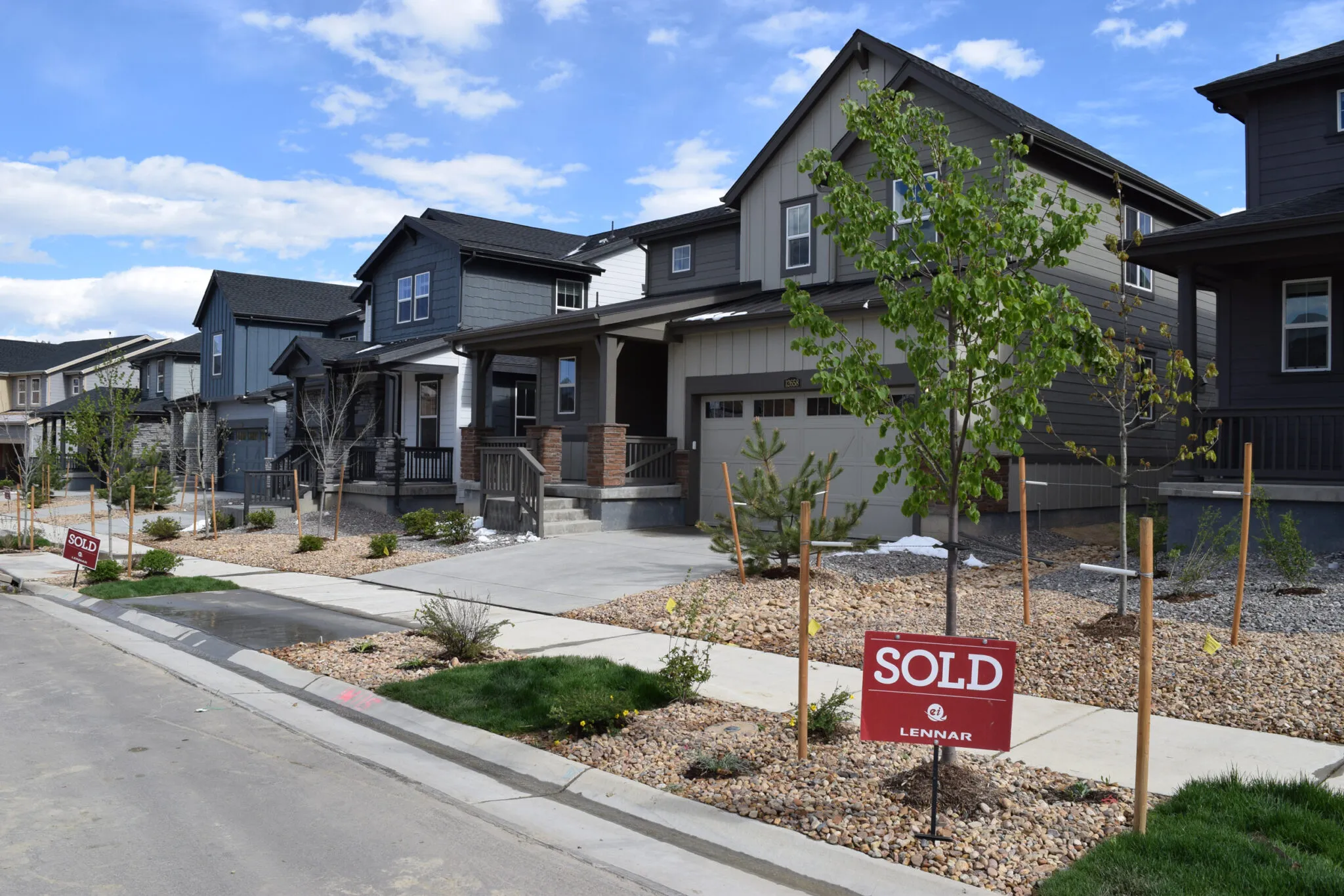
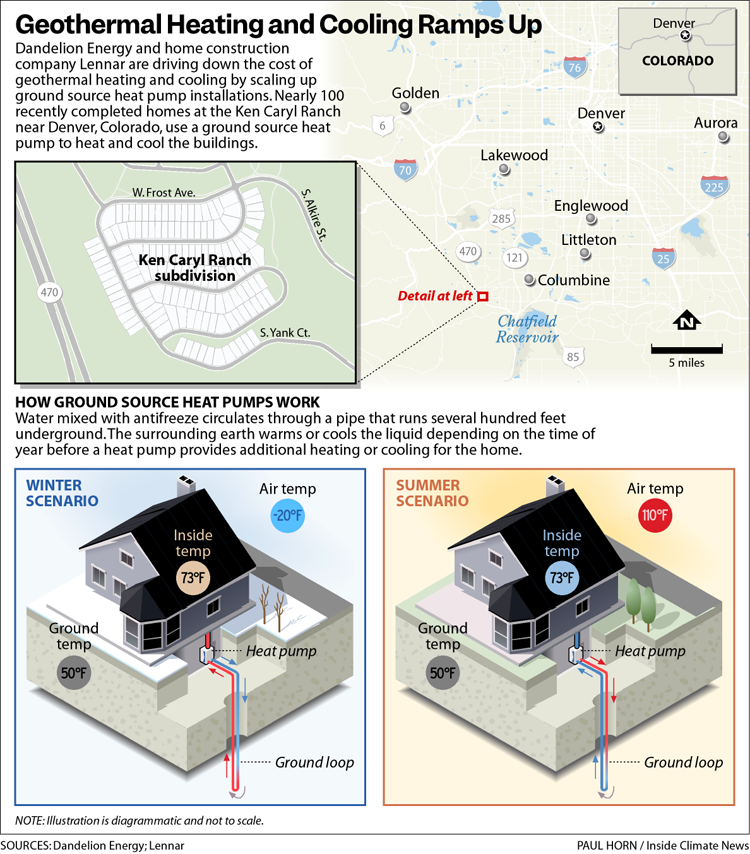
In the rolling foothills south of Denver, a quiet energy revolution is taking shape beneath newly laid sod and freshly poured concrete foundations. At the Ken Caryl Ranch development in Littleton, Colorado, a high-profile partnership between geothermal startup Dandelion Energy and nationwide homebuilder Lennar has successfully brought advanced subterranean climate control to nearly 100 residential homes.
This initiative is far more than a standard suburban housing expansion. It represents a critical stress test for a technology long considered too expensive, bespoke, and complex for the mass market: ground-source heat pumps. By reimagining how these systems are installed—treating them not as custom-engineered add-ons for luxury estates, but as standardized utility infrastructure for tract housing—the project offers a compelling blueprint for decarbonizing the built environment across the United States.
For decades, geothermal heating and cooling has been trapped in a paradoxical catch-22. While ground-source heat pumps are among the most efficient, reliable, and environmentally benign methods for regulating indoor temperatures, their steep upfront capital costs have kept them relegated to a tiny fraction of the market. Drilling boreholes hundreds of feet into the earth often adds tens of thousands of dollars to a home’s price tag, discouraging both developers and homebuyers.
However, convergence is arriving from multiple directions. Technological innovations pioneered by companies like Dandelion Energy—which spun out of Alphabet’s elite "moonshot" research lab, X—are radically compressing the time and expense required for subterranean drilling. Simultaneously, an aggressive alignment of state climate mandates, utility incentive programs, and federal tax credits is sweetening the economics.
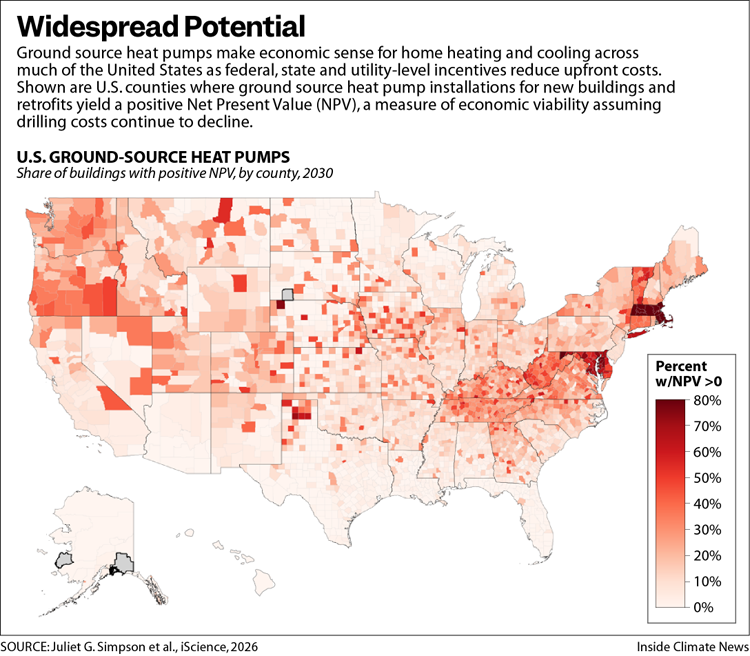
As a new study in the journal iScience demonstrates, ground-source heat pumps are technically and economically viable across the entire continental United States. If trailblazing projects like the one at Ken Caryl Ranch can successfully scale, they could dramatically slash winter peak energy demand, save billions in electrical grid upgrades, and fundamentally alter how Americans heat and cool their homes without burning a single cubic foot of natural gas.
Detailed Chronology: The Making of the Ken Caryl Ranch Project
The transformation of Ken Caryl Ranch from a standard suburban master-planned community into a groundbreaking geothermal testbed is the result of meticulous planning, engineering innovation, and corporate strategy.
Laying the Groundwork (2025)
The roots of the project trace back to a major strategic alliance announced in 2025 between Dandelion Energy and Lennar, one of the premier homebuilding corporations in the United States. The agreement set an ambitious target: install residential geothermal heating and cooling systems across more than 1,500 new homes in Colorado over a two-year deployment window.
Rather than approaching each home as an isolated construction challenge, the partnership sought to apply industrial efficiency to the subterranean phase of development. In early 2025, planning kicked into high gear for the deployment at Ken Caryl Ranch, a sprawling residential tract situated along Colorado’s Front Range.
The Drilling Phase
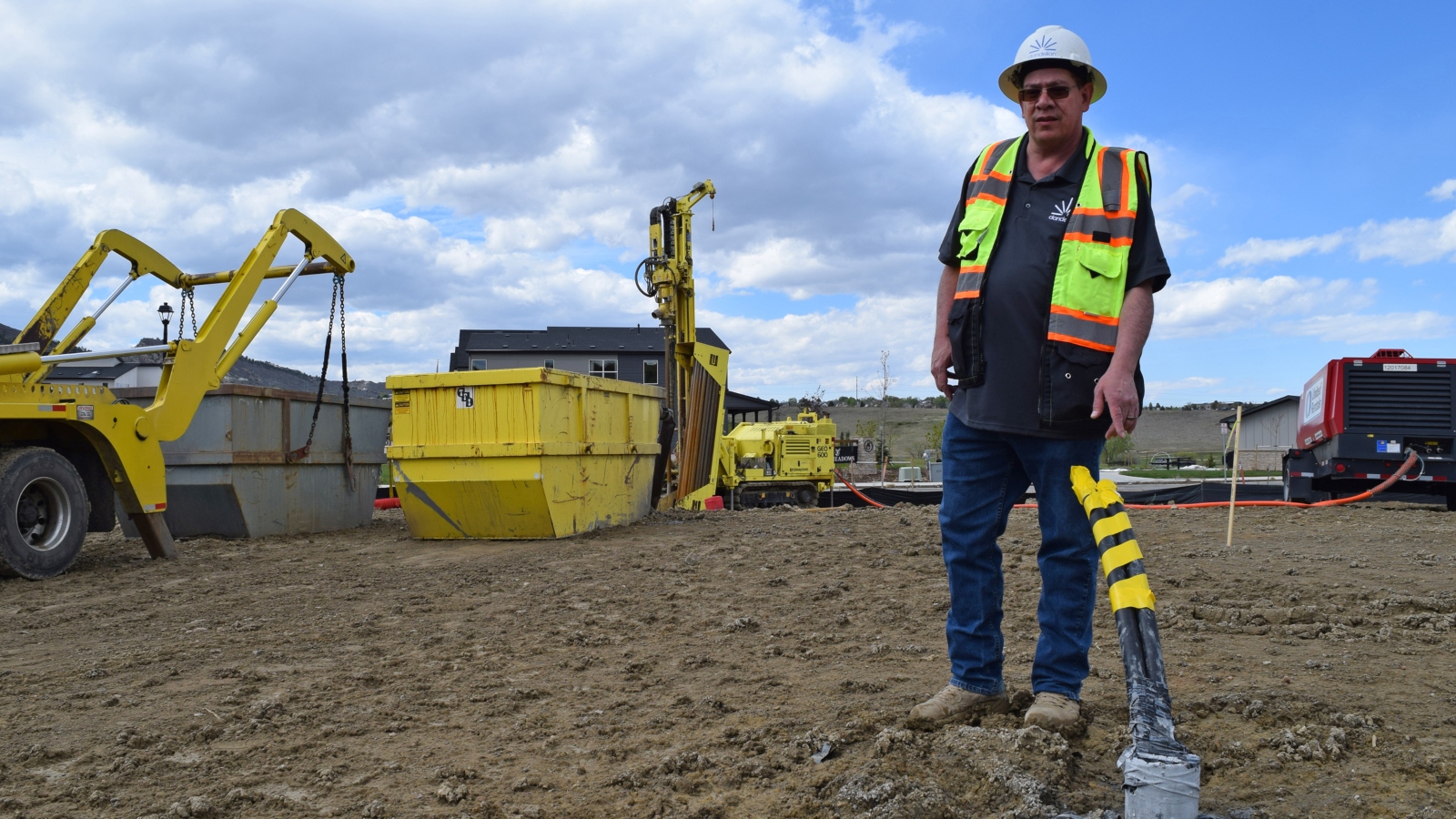
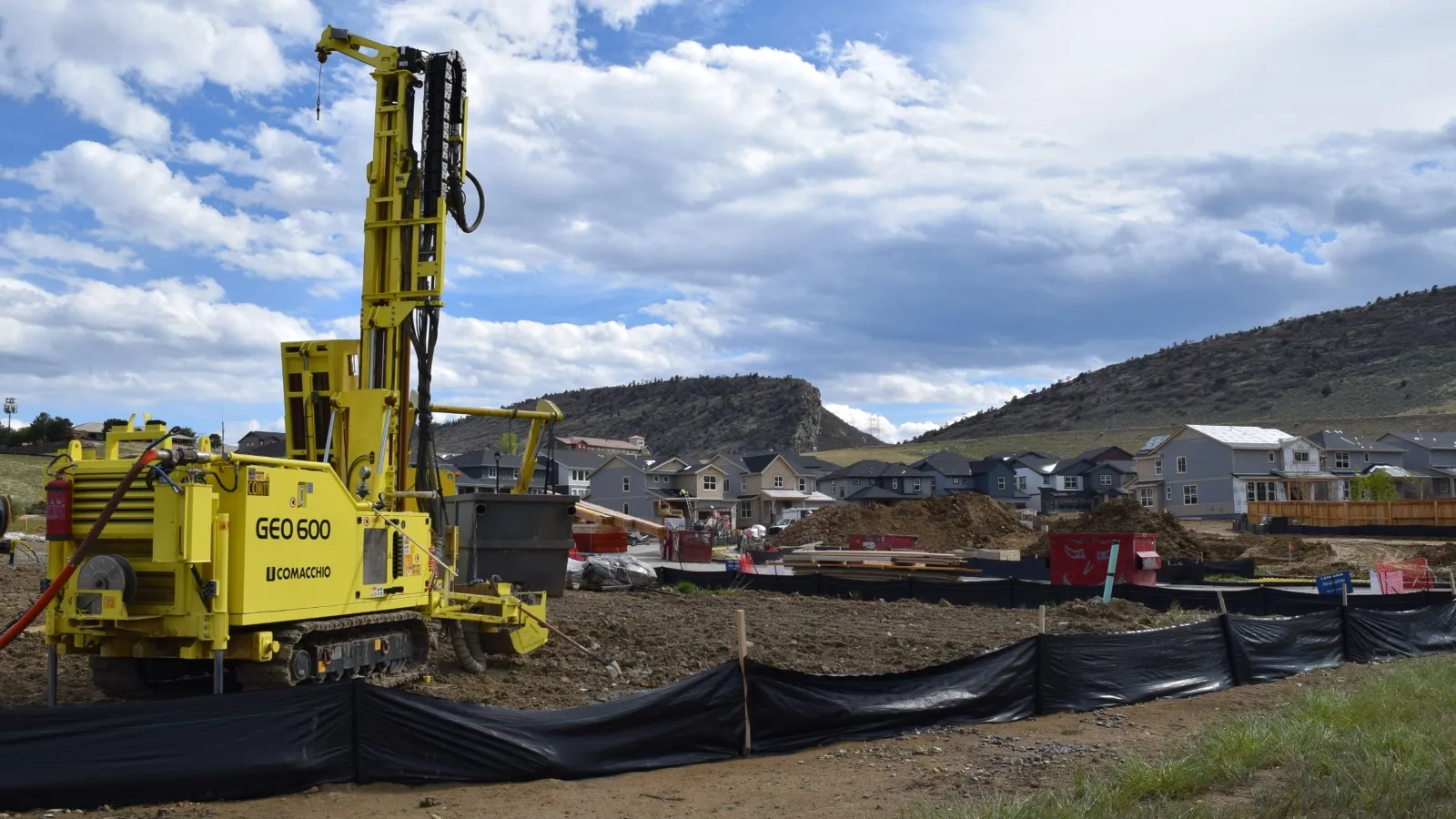
The technical execution of the project relied heavily on Dandelion’s specialized, lightweight drilling rigs. Traditional geothermal installations often require massive, disruptive machinery that can take days to transport, set up, and tear down for a single property. Dandelion’s agile rigs, conversely, are engineered to maneuver seamlessly from lot to lot across a developing subdivision.
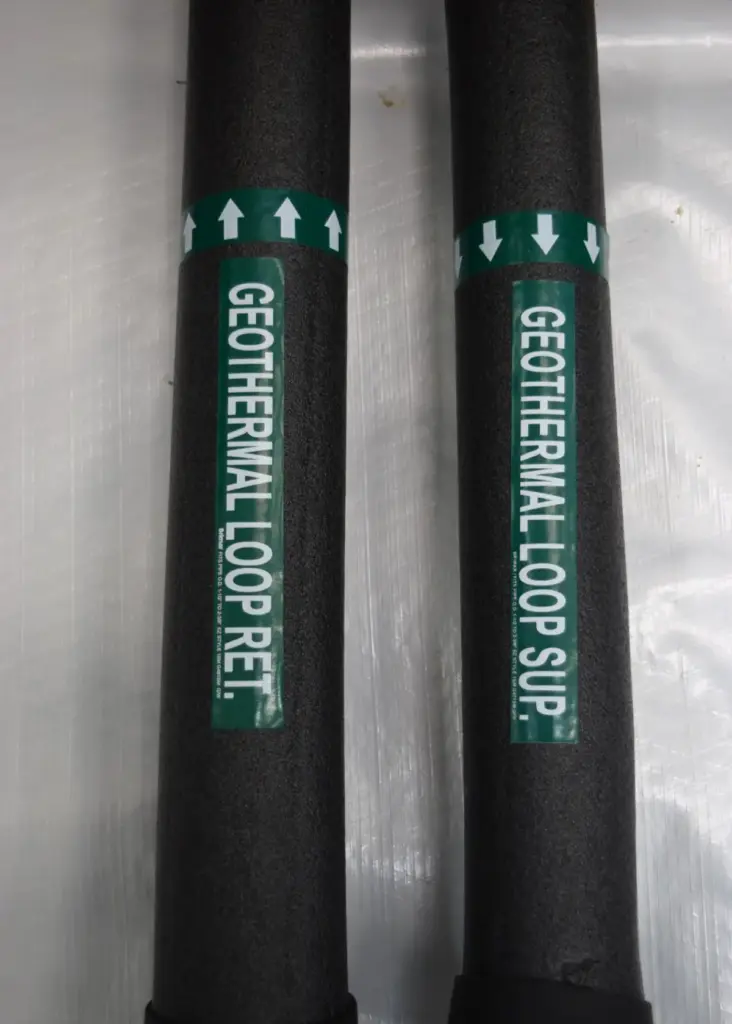
Operating in coordinated sweeps before the building foundations were poured, the drilling crews sank single boreholes ranging from 200 to 500 feet deep into the Colorado bedrock for each planned home. Inside these narrow shafts, the teams inserted continuous loops of high-density polyethylene pipe.
This synchronized workflow allowed the drilling team to complete boreholes for one or more homes per day—a staggering pace compared to conventional custom installations. By coordinating directly with Lennar’s framing and foundation schedules, the geothermal installation became as routine as laying municipal water or electrical lines.
Completion and Integration (Late 2026)
By late 2026, construction on the initial phase of nearly 100 geothermal-equipped homes was finalized. Inside each completed residence, the subsurface loop was connected to a compact ground-source heat pump installed in the basement.
The mechanics are elegantly simple: water circulating through the closed-loop underground network absorbs the earth’s stable, year-round ambient temperatures—typically hovering around 50 degrees Fahrenheit in the region. The basement heat pump then amplifies this thermal energy to heat the home in the winter or rejects indoor heat back into the earth to cool the home in the summer.
With the first phase successfully completed and families moving in, the project has transitioned from a logistical experiment into a functioning proof-of-concept for mainstream residential geothermal energy.
Supporting Context & Metrics: The Scale of the Opportunity
To understand the profound implications of the Ken Caryl Ranch deployment, one must examine the broader landscape of American home heating and cooling, where fossil-fueled furnaces and air-source heat pumps have long dominated.
The Numerical Reality of U.S. Heating
According to a landmark 2025 report published by the U.S. Department of Energy (DOE), just over 1 million homes across the United States currently utilize ground-source heat pumps, with roughly 100,000 new installations occurring annually.
By contrast, air-source heat pumps have surged in popularity. Data from BloombergNEF indicates that 3.6 million air-source heat pumps were sold in the U.S. in the previous year alone, outpacing traditional gas furnace sales for the fourth consecutive year. While air-source heat pumps represent a vital step forward in building decarbonization, they face significant efficiency drops during severe winter cold snaps when ambient outdoor air temperatures plummet.
Ground-source heat pumps, however, are immune to extreme surface weather fluctuations because subterranean temperatures remain remarkably constant regardless of the season.
Economic and Grid-Level Impacts
The DOE report projects that if geothermal heating and cooling can be scaled to reach 7 million American homes by 2035, the cumulative benefits to the national energy infrastructure will be staggering:
Peak Demand Reduction: Winter peak energy demand nationwide would drop by more than 40 gigawatts.
Grid Savings: This reduction in peak load would translate to roughly $4 billion in annual savings for U.S. electric utility infrastructure costs.
Furthermore, a comprehensive study published in the journal iScience dispelled the long-standing myth that geothermal energy is geographically restricted to volcanic regions or specific geological hotspots. Analyzing local climates, subsurface conditions, energy costs, and available incentives, the study concluded that ground-source heat pumps are economically viable and technically feasible across the entire continental United States.
Official Statements and Industry Perspectives
The convergence of technological advancement, corporate commitment, and public policy has generated immense optimism among industry leaders, researchers, and policymakers.
Dan Yates, CEO and chairman of Dandelion Energy—which originated as a "moonshot" project within Alphabet’s X research incubator—emphasized the company’s core philosophy of market democratization:
"We are taking a kind of mass market and maximally efficient lens to what has historically been a bespoke kind of custom, high-end product… Our mission at Dandelion is to mainstream geothermal, and we think that the time has finally arrived for that to happen."
Yates highlighted that during severe winter cold snaps, when electrical grids experience dangerous demand spikes, Dandelion’s ground-source systems consume only a quarter of the electricity required by standard air-source heat pumps.
"It’s the only system that actually reduces peak demand and electrifies homes at the same time," he noted.
The regulatory and economic framework supporting these projects is equally robust. In Colorado, utilities like Xcel Energy—the state’s largest gas and electric provider—are leveraging aggressive energy efficiency programs to drive adoption. An Xcel Energy spokesperson noted that the utility provides approximately $25,000 per home for new, high-efficiency developments incorporating ground-source heat pumps:
"For large neighborhoods with hundreds of homes, builders may receive seven-figure rebate amounts."
These utility incentives directly support Colorado’s Clean Heat Standard, which legally mandates a 22 percent reduction in greenhouse gas emissions from gas utilities below 2015 levels by 2030.
Will Toor, executive director of the Colorado Energy Office, pointed out that state policy is explicitly designed to phase out fossil fuel reliance:
"Policies that incentivize high-efficiency electric heating and cooling while discouraging fossil fuel use in homes are intended to reduce greenhouse gas emissions from buildings." He highlighted that Colorado offers a $2,000 state tax credit for ground-source heat pumps while requiring homebuilders to fully cover the capital costs of new gas service expansion lines—costs that are entirely bypassed in all-electric geothermal communities.
On a national level, Jessica Silber-Byrne, senior manager of thermal energy networks for the Building Decarbonization Coalition, underscored the changing economic tide:
"The economics just look better and better. There is a combination of both incentives and market signals that suggest that this is about to really take off."
Future Outlook: Scaling Geothermal for the Mass Market
Despite the enthusiasm surrounding projects like Ken Caryl Ranch, significant hurdles remain on the path to widespread adoption. Historically, the primary barrier has been upfront capital expenditure; a typical ground-source heat pump installation for an individual home has traditionally averaged around $25,000. Additionally, dense urban environments present severe space constraints, and navigating a patchwork of municipal permitting requirements across different states can introduce costly project delays.
However, the playbook being written by Dandelion Energy and Lennar provides a clear roadmap for overcoming these structural obstacles. By partnering directly with major residential developers, drilling utility-grade loops before neighborhoods are framed, and leveraging a powerful combination of state tax credits, utility rebates, and federal commercial incentives (which now cover 30 percent or more of installation costs), the companies are successfully driving down per-unit expenses.
The ambitions of the Dandelion-Lennar partnership extend far beyond the Front Range. Following their successful rollout in Colorado and newly announced projects in states like Maryland—where 129 new homes are slated for geothermal integration—Dandelion plans to scale its operations dramatically. The company aims to ramp up installation capacity to 10,000 homes per year nationwide in the near future.
If startups and homebuilders can successfully replicate the industrial efficiencies demonstrated at Ken Caryl Ranch, subterranean geothermal energy may finally shed its reputation as an expensive, niche luxury for eco-conscious custom homeowners. Instead, it stands poised to become the invisible, highly efficient backbone of the modern American suburb—securing indoor climate comfort, stabilizing the national electrical grid, and quietly decarbonizing the built environment from the ground up.