

Executive Overview
As the autumn leaves begin to carpet gardens across the United Kingdom, millions of homeowners face a familiar seasonal dilemma: how to efficiently clear garden waste while preparing their soil for the dormant winter months. Simultaneously, households generate mountains of organic kitchen waste—ranging from vegetable peelings to cooked leftovers—that traditionally end up in standard municipal waste streams. In an era defined by climate consciousness, rising living costs, and a collective drive toward circular living, transforming household organic waste into nutrient-dense, peat-free fertilizer has transitioned from a niche eco-hobby into an essential modern practice.
Recognizing this critical shift in environmental stewardship, BBC Gardeners’ World Magazine has partnered with pioneering composting innovators HOTBIN to launch an exclusive, high-value giveaway. This nationwide competition offers two lucky gardeners the chance to secure a top-tier composting setup valued at up to £313. More than just a simple promotional giveaway, this initiative highlights a broader cultural movement: the democratization of high-efficiency, year-round organic recycling.
By leveraging advanced thermal decomposition technology, modern hot composting units like the HOTBIN bypass the sluggish, unpredictable nature of traditional cold compost heaps. Capable of converting both garden debris and complex kitchen waste—including cooked food, dairy, and small bones—into usable, nutrient-rich compost in as little as 30 days, these systems redefine what is possible in a domestic backyard.
This comprehensive report explores the mechanics of modern hot composting, analyzes the accolade-winning engineering behind the HOTBIN ecosystem, outlines the precise details of the giveaway, and examines the long-term ecological impact of shifting household waste management directly to the garden gate.
Detailed Chronology: The Evolution of Domestic Composting and the Rise of HOTBIN
To fully appreciate the significance of contemporary hot composting systems, one must understand the historical limitations of traditional backyard composting. For generations, home gardeners relied on cold, open-air heaps or slatted wooden bins. While effective over long periods, these traditional systems operate at ambient temperatures, meaning the decomposition process is notoriously slow, often taking anywhere from six to twelve months (or even longer) to produce usable soil conditioner. Furthermore, cold heaps are severely hampered by seasonal temperature drops, effectively stalling out entirely during the British winter. They also carry a persistent vulnerability: attracting vermin, pests, and foul odors due to the inability to safely process cooked food scraps, meats, and dairy products.
The paradigm shifted with the introduction of aerobic thermophilic composting—commonly known as "hot composting." By insulating the composting chamber and optimizing airflow, internal temperatures are driven up to between 40°C and 60°C (and sometimes higher). At these elevated temperatures, beneficial thermophilic bacteria proliferate rapidly, accelerating the breakdown of lignin, cellulose, and proteins while naturally neutralizing weed seeds and pathogens.
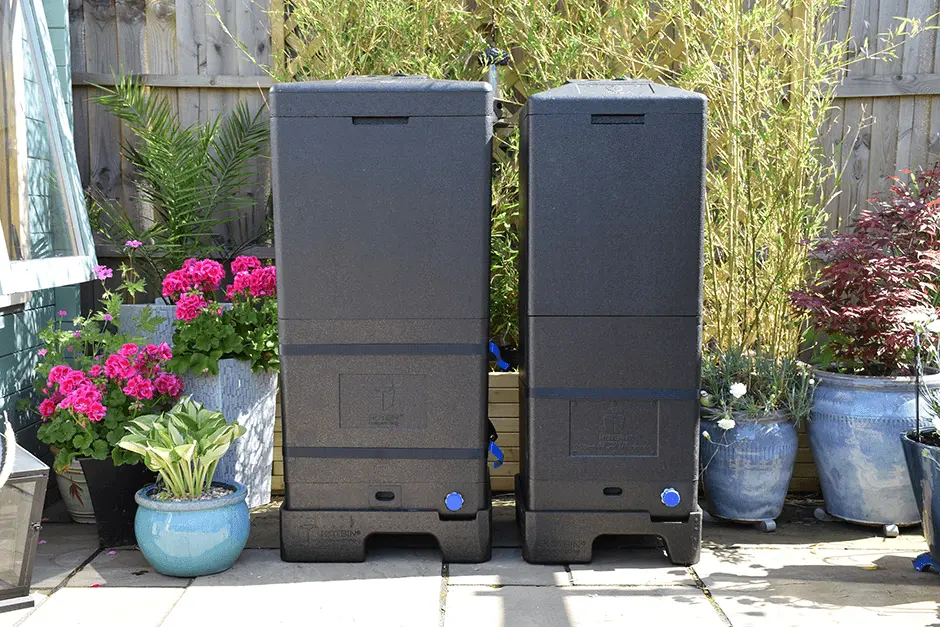
Against this backdrop of thermal innovation, the HOTBIN emerged as a market leader, fundamentally disrupting the industry. Developed through rigorous engineering to address the common pain points of home composters—such as bad smells, slow turnaround times, and pest infiltration—the unit introduced high-density expanded polypropylene (EPP) insulation. This material, similar to what is used in heavy-duty thermal transport boxes, traps the metabolic heat generated by bacteria rather than letting it dissipate into the cold air.
Over the past decade, HOTBIN’s reputation has been solidified through rigorous independent testing by horticultural authorities. Most notably, the system earned the prestigious title of BBC Gardeners’ World Magazine Best Buy. Evaluated against a rigorous field of competitors, the HOTBIN was crowned the fastest composter tested and recognized as the definitive choice for compact urban and suburban spaces.
The announcement of the current giveaway represents the culmination of this journey—bridging the gap between elite horticultural technology and everyday British households just as the autumn cleanup season hits its peak.
Supporting Context & Metrics: The Science and Impact of Hot Composting
The environmental case for domestic composting is robust, backed by compelling statistical metrics regarding municipal waste and soil degradation. According to environmental organizations, organic waste makes up a significant percentage of the average household wheelie bin. When organic matter is sent to landfill, it is deprived of oxygen, leading to anaerobic decomposition that produces substantial amounts of methane—a greenhouse gas with a global warming potential significantly higher than carbon dioxide over a 20-year timescale.
Diverting food and garden waste into a high-efficiency aerobic digester like a HOTBIN mitigates this environmental hazard. But the benefits extend far beyond waste reduction; they delve deeply into soil science.
The Thermal Advantage: How It Works
Traditional composting relies on mesophilic bacteria operating at moderate temperatures. Hot composting introduces two subsequent phases dominated by thermophilic (heat-loving) bacteria:
- Rapid Breakdown Phase (Days 1–7): Internal temperatures surge rapidly. During this phase, complex carbohydrates, starches, and proteins are aggressively metabolized. Crucially, the high heat (consistently maintained above 40°C–60°C) kills off plant pathogens and destroys weed seeds that would otherwise survive a cold compost heap.
- Maturation Phase (Days 30–90): As easily digestible materials are consumed, the temperature gradually stabilizes, allowing fungi and actinomycetes to break down remaining tough woody fibers, turning the mass into dark, crumbly humus.
Performance Metrics at a Glance
- Processing Speed: Converts raw kitchen and garden waste into usable compost in 30 to 90 days, compared to 9–12 months for traditional bins.
- Temperature Maintenance: Operates effectively even in sub-zero winter temperatures, thanks to its 50mm thick EPP insulation walls.
- Waste Versatility: Unlike conventional bins that strictly prohibit cooked foods, the HOTBIN safely processes cooked leftovers, plate scrapings, meat, fish, small bones, citrus peel, and pet waste (herbivores).
- Volume Reduction: Organic waste shrinks significantly as water vapor and carbon dioxide are safely released during rapid microbial activity.
The Peat-Free Imperative
With the UK government and environmental bodies pushing to phase out peat-based composts to preserve fragile wetland ecosystems and carbon-strained peatlands, gardeners urgently need viable alternatives. Home-produced compost generated via hot composting provides a nutrient-rich, completely sustainable, peat-free substitute that revitalizes garden soil structure, improves moisture retention, and fosters beneficial soil microbiomes.
Official Prize Details: The HOTBIN Essentials Bundles
The current giveaway provides an exceptional opportunity for two winners to revolutionize their gardening practices. Winners are given their choice of one of two meticulously curated bundles, tailored to different household sizes and garden dimensions:
Option A: The HOTBIN Mini 100-litre Essentials Bundle (Worth £243)
- Ideal For: Smaller households (1–3 people) or compact urban gardens, courtyards, and patios where space is at a premium.
- Capacity: 100 litres of processing volume.
- Included Components:
- The compact HOTBIN Mini unit.
- A custom HOTBIN Plinth, which elevates the composter off the ground. This ergonomic addition not only prevents ground moisture transfer but also features a collection channel and valve to harvest nutrient-rich liquid fertilizer (often called "liquid gold" by gardeners) as it drains from the bottom of the bin.
- A durable HOTBIN Garden Kneeler, designed to provide ergonomic support during physical garden chores, harvesting, and spring planting preparation.
Option B: The HOTBIN 200-litre Essentials Bundle (Worth £313)
- Ideal For: Larger households (3–5+ people), avid cooks who generate significant daily food waste, and medium-to-large gardens with substantial autumn leaf fall and hedge clippings.
- Capacity: 200 litres of processing volume, allowing for a higher volume-to-heat retention ratio that makes maintaining peak thermophilic temperatures virtually effortless.
- Included Components:
- The full-sized HOTBIN 200-litre unit.
- The matching HOTBIN Plinth for easy liquid fertilizer collection.
- The comfortable HOTBIN Garden Kneeler.
Both bundles include comprehensive user guides designed to take the guesswork out of hot composting, ensuring that even absolute beginners can achieve professional-grade results within their first month of operation.
Future Outlook: The Circular Economy in the Modern Backyard
As urban densification continues and municipal waste collection fees rise, the future of waste management is undeniably local and decentralized. The traditional linear economic model—wherein households consume food, throw scraps into a bin, and rely on municipal collection services to haul it away—is increasingly recognized as environmentally unsustainable and economically inefficient.
Initiatives like the BBC Gardeners’ World Magazine and HOTBIN giveaway represent a cultural tipping point. They signal a transition toward closed-loop, circular domestic ecosystems. When a household can take its daily kitchen scraps, combine them with autumn garden waste, and process them on-site into premium fertilizer to grow next season’s vegetables, a profound shift occurs in the consumer mindset. Waste is no longer viewed as a burden to be discarded out of sight, but as a valuable resource with immediate biological utility.
Looking ahead over the next decade, horticultural experts predict that intelligent composting systems will become standard fixtures in sustainable housing developments, much like recycling bins or energy-efficient heat pumps. Innovations in thermal monitoring, smart sensors to track carbon-to-nitrogen ratios, and even more refined insulation materials will continue to lower the barrier to entry for urban gardeners.
For now, however, the immediate focus rests on the fortunate participants of this exclusive autumn giveaway. By equipping two homes with state-of-the-art hot composting technology, this campaign does more than just give away high-end garden gear—it plants the seeds for a cleaner, greener, and more self-sufficient approach to modern living.
How to Enter and Competition Terms
To secure a chance at winning one of these coveted bundles, participants must submit the correct answer to the competition question via the official portal by 23:59 on 9 November 2026.
Key Eligibility Criteria:
- Entrants must be residents of the United Kingdom.
- Participants must be aged 18 years or older.
- Winners will be formally notified following the closing date, at which point prize delivery arrangements will be coordinated directly.
Note: Please review all official competition rules and third-party data processing consents (including cookie preferences for embedded interactive content widgets) before finalizing your submission.



