

Executive Overview
Nestled within the glacier-carved fjords and tidal currents of the Pacific Northwest lies the Salish Sea, a rich and complex marine ecosystem that serves as home to an astonishing array of biodiversity. Among its most iconic residents is the Pacific harbor seal (Phoca vitulina richardsi), a sentinel species whose health reflects the broader vitality of these coastal waters. Yet, beneath the serene surface of this vital marine habitat—officially designated as the Salish Sea Hope Spot by the global marine conservation foundation Mission Blue—young harbor seals face unprecedented modern pressures.
In response to these compounding threats, dedicated conservationists and marine veterinarians are working tirelessly to secure the future of the species. At the forefront of this rescue effort is SeaLife Response, Rehabilitation and Research (SR3), a premier non-profit organization acting as a Hope Spot Champion. Through specialized medical care, nutritional rehabilitation, and behavioral training, SR3 provides orphaned, abandoned, and injured harbor seal pups with a critical second chance at life.
Supported globally by the Rolex Perpetual Planet Initiative, SR3’s rehabilitation model transcends simple animal rescue; it represents an active investment in ecological resilience. By rescuing vulnerable pups, raising them with minimal human habituation, and returning them successfully to the wild, SR3 helps maintain the delicate balance of the Salish Sea ecosystem. This report explores the operational mechanics of SR3’s rehabilitation facility, the environmental hurdles facing neonatal seals in the Pacific Northwest, the voices driving this conservation work, and the long-term outlook for the Salish Sea Hope Spot.
Detailed Chronology: From Rescue to Release
The journey of an orphaned harbor seal pup from the brink of starvation to triumphant release is a masterclass in intensive wildlife veterinary medicine and behavioral science. Understanding this trajectory requires examining the chronological phases of rehabilitation managed by the team at SR3.
Phase I: Rescue, Intake, and Triage
The lifecycle of a rehabilitation case typically begins in the late spring and early summer, which coincides with the harbor seal pupping season in Washington State and British Columbia. During this period, coastal residents and beachgoers frequently encounter young seal pups resting on shorelines. While mother seals often leave their pups temporarily while foraging, human interference, domestic pets, and coastal development frequently separate mother and pup permanently.
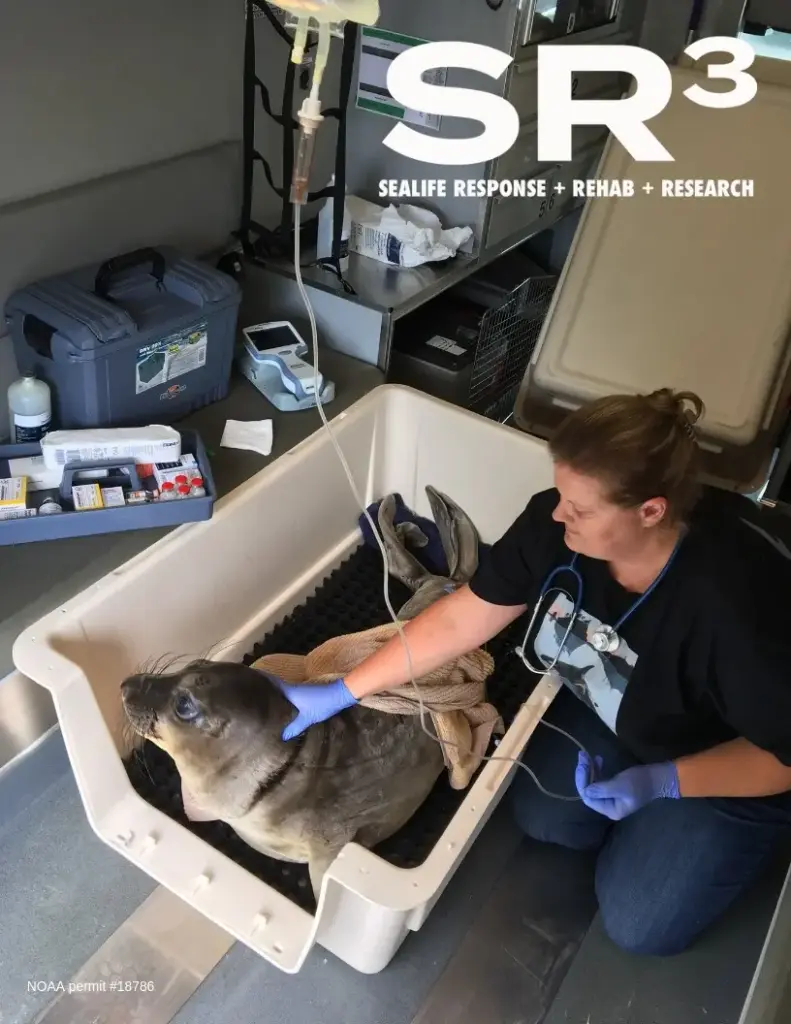
When a stranded or distressed pup is reported, SR3’s specialized response network springs into action. Trained responders assess the situation, verify abandonment, and transport the animal to the organization’s dedicated marine mammal facility. Upon arrival, the pup undergoes a rigorous veterinary triage. Technicians measure body weight, assess hydration levels, check for traumatic injuries or predator wounds, and screen for infectious diseases or parasites. Many incoming pups are hypothermic, dehydrated, and suffering from acute malnutrition, requiring immediate stabilization through fluid therapy and external warming units.
Phase II: Intensive Care and Formula Feeding
Neonatal harbor seals arrive without the ability to feed independently. Because cow’s milk or commercial alternatives are toxic to marine mammals, SR3’s animal care specialists prepare a specialized, high-fat, nutrient-dense liquid formula mimicking natural harbor seal milk.
In the earliest stages, feeding requires around-the-clock tube-feeding to prevent aspiration and ensure the fragile pups receive adequate calories. As the seals gain strength and digestive stability, handlers transition them to bottle-feeding, and eventually, to eating solid fish. This transition period is critical, as it requires moving the animals away from human dependence and encouraging natural foraging instincts.
Phase III: School of Fish and Behavioral Independence
Once weaned, the seals are moved into larger, saltwater rehabilitation pools designed to simulate their natural marine environment. Here, the primary objective shifts from medical recovery to behavioral preparation.
To ensure a high post-release survival rate, SR3 staff strictly minimize human contact, often utilizing visual barriers and feeding techniques that prevent the seals from associating humans with food. During this phase, live fish are introduced into the pools. Pups must transition from passive receivers of dead fish to active, agile predators capable of hunting elusive prey like herring, sculpins, and salmon smolts. Staff monitor swimming endurance, diving capacity, and social interactions among the cohort of pups to ensure they display the wild behaviors necessary to avoid predators and secure sustenance.
Phase IV: The Return to the Salish Sea
The final step in the rehabilitation pipeline is the momentous release back into the wild. Vets and animal care managers perform comprehensive pre-release physical examinations, running blood panels and evaluating overall muscle mass and waterproof pelage to certify that the animal is fully fit for independence.
Releases are strategically coordinated in remote, protected areas within the Salish Sea Hope Spot where wild seal populations thrive, minimizing human-wildlife conflict and maximizing the chances of successful integration. As the transport crates open, the rehabilitated seals surge back into the cold Pacific waters, completing a journey that transforms vulnerable orphans into resilient ambassadors of the marine ecosystem.
Supporting Context & Metrics: The Ecology of the Salish Sea Hope Spot
To fully appreciate the significance of SR3’s work, one must examine the ecological framework of the Salish Sea, the designation of the Hope Spot, and the quantitative realities facing marine mammals in the region.
The Salish Sea: A Complex Inland Sea
Encompassing the marine waters of northwestern Washington State and southwestern British Columbia—including Puget Sound, the Strait of Georgia, and the Strait of Juan de Fuca—the Salish Sea is an inland sea of breathtaking complexity. It supports thousands of species of marine life, ranging from iconic apex predators like orcas and humpback whales to massive kelp forests, migratory salmon runs, and robust populations of harbor seals.
In recognition of its ecological significance and the severe anthropogenic pressures it faces, the area was designated as a Mission Blue Hope Spot. Hope Spots are special conservation areas scientifically identified as critical to the health of the ocean. They represent the "heart" of the planet, where localized protection can yield monumental impacts on global marine biodiversity.
Harbor Seals as Ecosystem Sentinels
Harbor seals are considered apex marine predators within their coastal niche, yet they also serve as a vital food source for larger predators, such as transient killer whales. Because they occupy a high trophic level and remain resident in the Salish Sea year-round, they accumulate contaminants from their environment. Consequently, monitoring harbor seal populations, birth rates, and pup survival provides scientists with a clear indicator of the overall health of the marine food web.
Quantifying the Pressure
The challenges facing young marine mammals in the Salish Sea are multifaceted and heavily documented by marine biologists:
- Habitat Fragmentation and Coastal Development: Industrialization along Washington’s coastline has reduced traditional haul-out sites—beaches, mudflats, and rocky outcroppings where seals rest, thermoregulate, and nurse their young.
- Vessel Traffic and Acoustic Disturbance: High volumes of commercial shipping, ferries, and recreational boating generate underwater noise pollution that disrupts marine mammal communication, stresses nursing mothers, and causes stampedes off haul-out sites, occasionally separating mothers from dependent pups.
- Contaminants and Climate Shifts: Runoff containing heavy metals, persistent organic pollutants (POPs), and agricultural chemicals compromises the immune systems of marine life. Furthermore, warming ocean temperatures and shifting prey availability alter the energetic landscape, making it harder for lactating mothers to secure enough food to support their offspring.
Against this backdrop of systemic pressure, organizations like SR3 provide a vital demographic buffer. While rehabilitation alone cannot reverse large-scale ecosystem degradation, returning dozens of healthy, vigorous seals to the wild each year directly supports population stability and maintains genetic diversity.
Official Statements and Institutional Perspectives
The success of the Salish Sea Hope Spot initiatives relies on a collaborative framework uniting grassroots rescue organizations, international conservation giants, and scientific researchers.
Reflecting on the mission of SR3 and its partnership with global conservation entities, leadership emphasizes the intersection of hands-on rescue and systemic awareness. "When people witness the rehabilitation and release of a harbor seal pup, they are seeing the tangible reality of what is at stake in our oceans," notes a senior conservation coordinator affiliated with SR3. "Every seal we save is a testament to the resilience of nature, but it is also a reminder of our responsibility to protect the waters they call home."
The collaboration with the Rolex Perpetual Planet Initiative has been instrumental in amplifying these rescue efforts. Through its global philanthropic framework, Rolex supports individuals and organizations working to solve environmental challenges, providing vital funding and visibility to frontline defenders.
"The challenges facing marine ecosystems like the Salish Sea are daunting, but they are not insurmountable," states a representative from Mission Blue. "By empowering Hope Spot Champions like SR3, we ensure that local experts have the resources, equipment, and institutional backing necessary to enact meaningful, boots-on-the-ground conservation. Rehabilitation is an act of healing—both for the individual animal and for our relationship with the marine environment."
Veterinary professionals within SR3 further stress the importance of maintaining rigorous clinical standards during the rehabilitation process. "Our goal is never to create pets," explains an attending marine mammal veterinarian. "From the moment an orphan arrives, every protocol is engineered to foster wild behaviors. We want these animals to fear humans, recognize natural predators, and possess the hunting prowess required to thrive in a competitive, unforgiving ocean."
Future Outlook: Sustaining the Salish Sea Hope Spot
Looking ahead, the long-term outlook for harbor seal conservation in the Salish Sea hinges on a dual approach: maintaining high-capacity emergency response and driving broader environmental stewardship.
Expanding Operational Capacity
As human populations in the Pacific Northwest continue to grow, coastal interactions between humans and marine wildlife are projected to increase. Facilities like SR3 must scale their infrastructure, upgrade veterinary equipment, and expand volunteer and educational networks to manage seasonal influxes of stranded marine mammals. Future initiatives include enhanced remote-area response capabilities, improved diagnostic laboratories for rapid disease screening, and expanded holding pools designed to optimize behavioral conditioning.
Integrating Rescue with Policy and Education
Rescue operations serve as an indispensable educational gateway. By broadcasting the stories of rehabilitated seal pups through digital platforms, documentary features, and educational outreach programs, organizations like SR3 and their partners cultivate a new generation of ocean stewards. When local communities understand the direct impacts of plastic pollution, chemical runoff, and shoreline degradation on marine wildlife, public demand for stronger environmental protections intensifies.
Furthermore, scientists are leveraging data collected from rehabilitated seals—such as post-release tracking data and health metrics—to inform broader management strategies for the Salish Sea Hope Spot. This research feeds directly into policy discussions regarding vessel speed limits in critical habitats, stormwater management regulations, and the preservation of crucial haul-out sites.
Conclusion
The Salish Sea remains one of the world’s most ecologically diverse and visually stunning marine domains, yet its continued survival depends on active human intervention and respect. Through the tireless efforts of SeaLife Response, Rehabilitation and Research (SR3), backed by the steadfast support of the Rolex Perpetual Planet Initiative and Mission Blue, vulnerable harbor seal pups are granted a vital second chance.
As these young survivors slip beneath the waves of the Pacific Northwest, they carry with them the hope of a healthier, more resilient ocean—proving that dedication, science, and compassion can turn the tide for our planet’s most vulnerable marine inhabitants.



