

Executive Overview
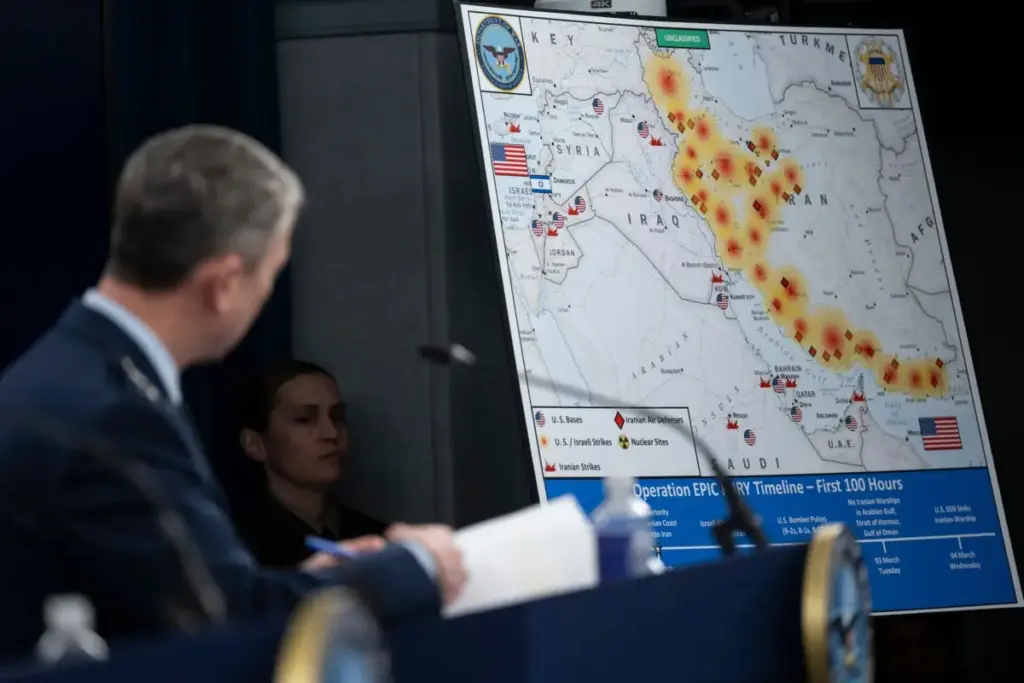
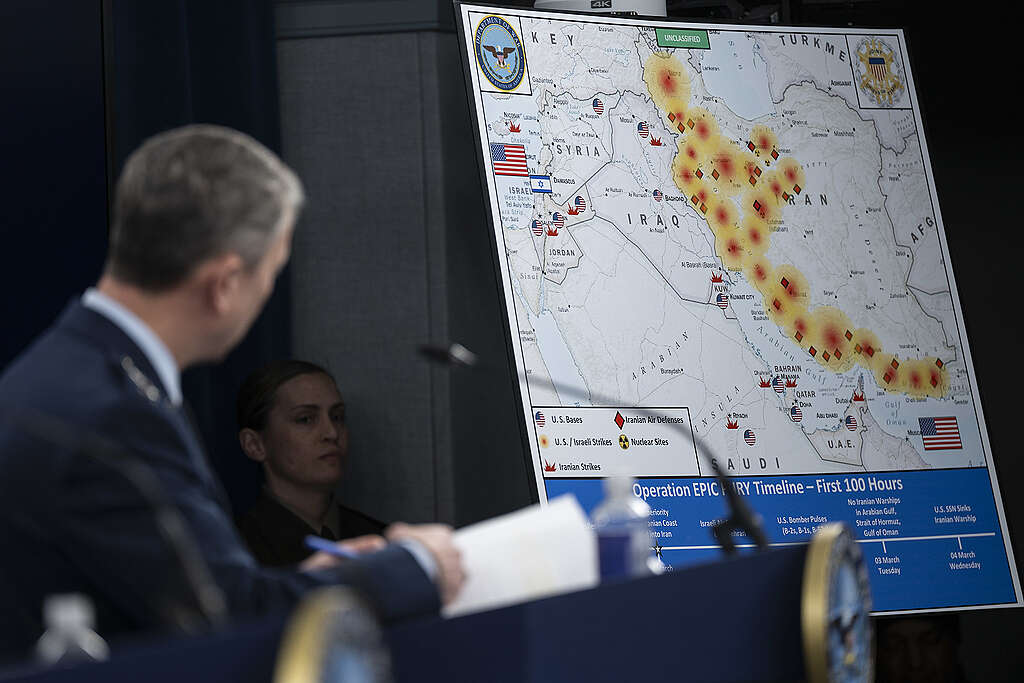
The tragic human toll of modern geopolitical conflict is measured first in lives lost, communities displaced, and essential infrastructure left in ruins. Yet, the shockwaves of regional warfare extend far beyond the immediate battlefield. The war on Iran triggered an unprecedented oil market crisis, setting off a chain reaction that reached deep into supermarkets, pharmacies, households, and industrial manufacturing lines across the globe.
Nearly every consumer product we buy today—from shampoo bottles and household cleaning agents to synthetic clothing, medical supplies, and food packaging—is fundamentally tethered to petrochemicals and global plastic supply chains. When oil and gas supplies are violently disrupted, the cost, availability, and stability of these everyday goods fracture instantly.
This crisis has exposed a profound, hidden vulnerability at the heart of the modern global economy: our relentless dependence on virgin plastics derived directly from fossil fuels. As governments prepare for upcoming rounds of negotiations on the Global Plastics Treaty, this conflict has entirely redefined the terms of the debate. World leaders now face a stark, defining choice: they can lock their economies into deeper, self-inflicted vulnerability to future price and supply shocks, or they can build resilient, circular systems capable of withstanding them.
Detailed Chronology of a Petrochemical Shockwave
The fallout from the conflict in Iran was swift, cascading through international markets with unrelenting speed and exposing the fragile architecture of the global petrochemical industry.
Phase 1: Immediate Disruption and Force Majeure (March 2026)
As military actions intensified in the Middle East, maritime transit routes and extraction hubs faced critical threats. The resulting energy shock disrupted plastic production, imports, and exports simultaneously. Formosa Petrochemical Corp (FPCC), one of the world’s largest plastic producers, was forced to take the extraordinary step of declaring force majeure, legally absolving itself of contractual obligations due to circumstances entirely beyond its control.
In Japan, domestic production of polyethylene—a foundational plastic utilized extensively in shopping bags, industrial wrapping, and consumer packaging—plummeted by an alarming 62% in March alone. Shortages quickly transitioned from manufacturing plants to the retail floor, creating panic buying and skyrocketing costs.
Phase 2: Cascading Shortages Across Essential Sectors
The disruption did not remain confined to industrial commodities; it bled directly into public health and household security:
- Medical Safeguards: In South Korea, supply constraints became so severe that the government was forced to enact emergency bans on the hoarding of medical needles and syringes to prevent critical shortages in hospitals.
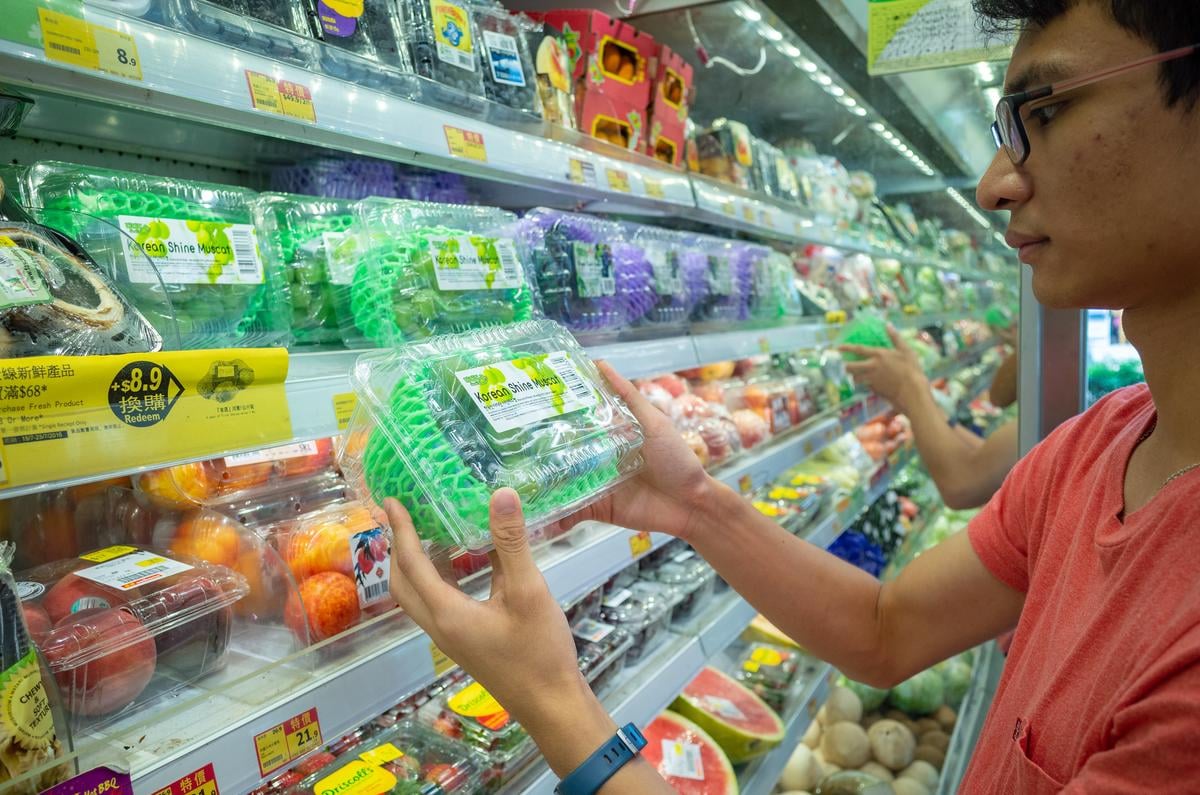
- Household Staples: Consumer goods saw immediate inflation. In global markets, the price of basic body wash climbed by 7.7% within a matter of weeks. Soft-toy manufacturers in the United States reported that their Chinese suppliers were forced to hike material costs by 10% to 15% inside the first three weeks of the war.
- Retail Rationing: In Taiwan, the cost of a basic plastic bag more than doubled overnight, while major retailers like Costco implemented strict rationing on food storage bags to curb hoarding.
Supporting Context & Metrics: Winners, Losers, and Economic Realities
The petrochemical crisis created a stark divide between nations and corporations that were heavily exposed to naphtha supply dependencies and those positioned to exploit market tightening.

The Divergence of Global Markets
According to regional economic reports, South Korean naphtha import prices skyrocketed by 68% in a single month, driving the sharpest producer price hike seen in four years. Small and medium-sized manufacturers across the region reported material shortages alongside operational cost increases exceeding 20%.
Conversely, other industrial players converted the crisis into a financial windfall:
- China’s Export Expansion: China utilized the disruption to offload accumulated inventory, ramp up idle capacity, and absorb market share left vacant by crippled competitors, permanently altering regional polymer dynamics.
- The US Ethane Advantage: American petrochemical plants operating on ethane feedstocks were far less exposed to bottlenecks in the Strait of Hormuz. Major firms like Dow capitalized on tightening global supplies by aggressively raising North American polyethylene prices—pushing increases of 10 cents and 15 cents per pound across consecutive months.
- Surging Corporate Profits: LyondellBasell reported that its second-quarter earnings surged by nearly 600% year-on-year to $1.4 billion, while Dow swung dramatically from a quarterly loss back into immense profitability.
The Burden on Households and Communities
While petrochemical conglomerates reaped record margins, ordinary consumers absorbed the financial blow. NielsenIQ data revealed that US grocery prices rose 2.9% year-on-year in the weeks immediately following the outbreak of conflict. Bottled water spiked by 5.8%, while essential hygiene products containing plastics—such as nappies, sanitary pads, and tampons—saw price increases ranging from 2% to 6%. School lunchbox provisions surged by over 26%, representing the single largest inflationary spike across back-to-school retail items.
Lower-income households, small businesses, and nations dependent on imported fossil fuels bore the brunt of these systemic fragilities, confirming that the economic risks of the petrochemical economy are distributed with profound inequality.

Official Statements and Policy Shifts
Faced with mounting socioeconomic instability, visionary political leaders recognized that traditional emergency measures were insufficient. Structural reform was urgently required.
In March, South Korean President Lee Jae Myung addressed his cabinet, warning that the nation’s deep reliance on petrochemicals posed an unpredictable and severe threat to everyday public life. By April, this crisis management evolved into a longer-term legislative ambition: a national call to transition toward a "plastics-free economy."
Similarly, the Taiwanese government accelerated investments in localized reuse infrastructure, recognizing that relying on virgin plastic supply chains leaves national security dangerously exposed to Middle Eastern geopolitical volatility.
Major retail corporations also began adjusting their long-term strategies. French retail giant Carrefour publicly committed to removing 5,000 tonnes of plastic from its product packaging through expanded refill formats and structural material reductions, passing resulting operational savings directly down to inflation-burdened consumers.
Future Outlook: Breaking the Cycle Through the Global Plastics Treaty
The war on Iran is not an isolated historical anomaly. It echoes previous supply chain catastrophes, such as the six-day blockage of the Suez Canal by the Ever Given in 2021. Furthermore, International Energy Agency (IEA) projections indicate that plastics and petrochemicals are on track to become the single largest driver of growth in global oil demand through 2050.
If virgin plastic production continues to expand unchecked, it will inextricably bind modern economies and vulnerable fence-line communities to an endless loop of fossil fuel price volatility, geopolitical vulnerability, and ecological degradation.
The Mandate for the Global Plastics Treaty
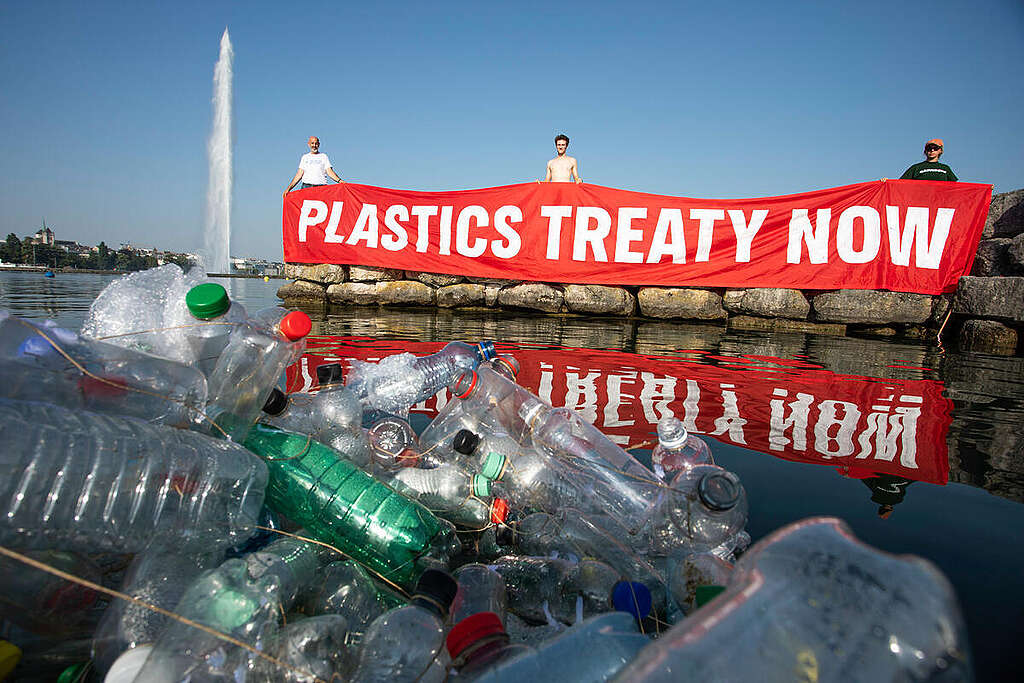
As diplomats and world leaders convene for upcoming rounds of the Global Plastics Treaty, the path forward is clear. Governments hold a historic window of opportunity to:
- Cap and Reduce Virgin Plastic Production: Legally binding targets must be established to turn off the tap on unnecessary single-use plastics.
- Scale Public Reuse and Refill Systems: Governments must subsidize and mandate accessible, standardized reuse infrastructure, proving that society can function smoothly without being shackled to petrochemical packaging.
- Divest from Fossil Subsidies: Public investments must be aggressively redirected away from petrochemical expansion and toward sustainable, resilient circular economies.
The lesson of the recent global energy and plastics shock is definitive: we cannot simply learn to live with manufactured scarcity and runaway inflation. By enacting a robust, legally binding Global Plastics Treaty, the international community can break its dangerous addiction to fossil fuels, safeguard public health, and construct a truly resilient future built on sustainability rather than instability.
For a more in-depth academic and economic analysis, read the official Greenpeace briefing: Plastics in an Era of Feedstock Insecurity.
— Lindsey Jurca is a Senior Plastics Campaigner at Greenpeace USA.



