Executive Overview
East Tennessee is standing at a profound historical crossroads. Eighty years after the remote farming valleys of the region were abruptly claimed by the federal government to birth the Manhattan Project, the Volunteer State is positioning itself at the absolute center of a modern national nuclear renaissance. Fueled by billions of dollars in federal and private investments, state officials and industry leaders are championing an economic revival tied directly to the nuclear fuel cycle—spanning everything from uranium enrichment and spent fuel recycling to next-generation energy generation and advanced manufacturing.
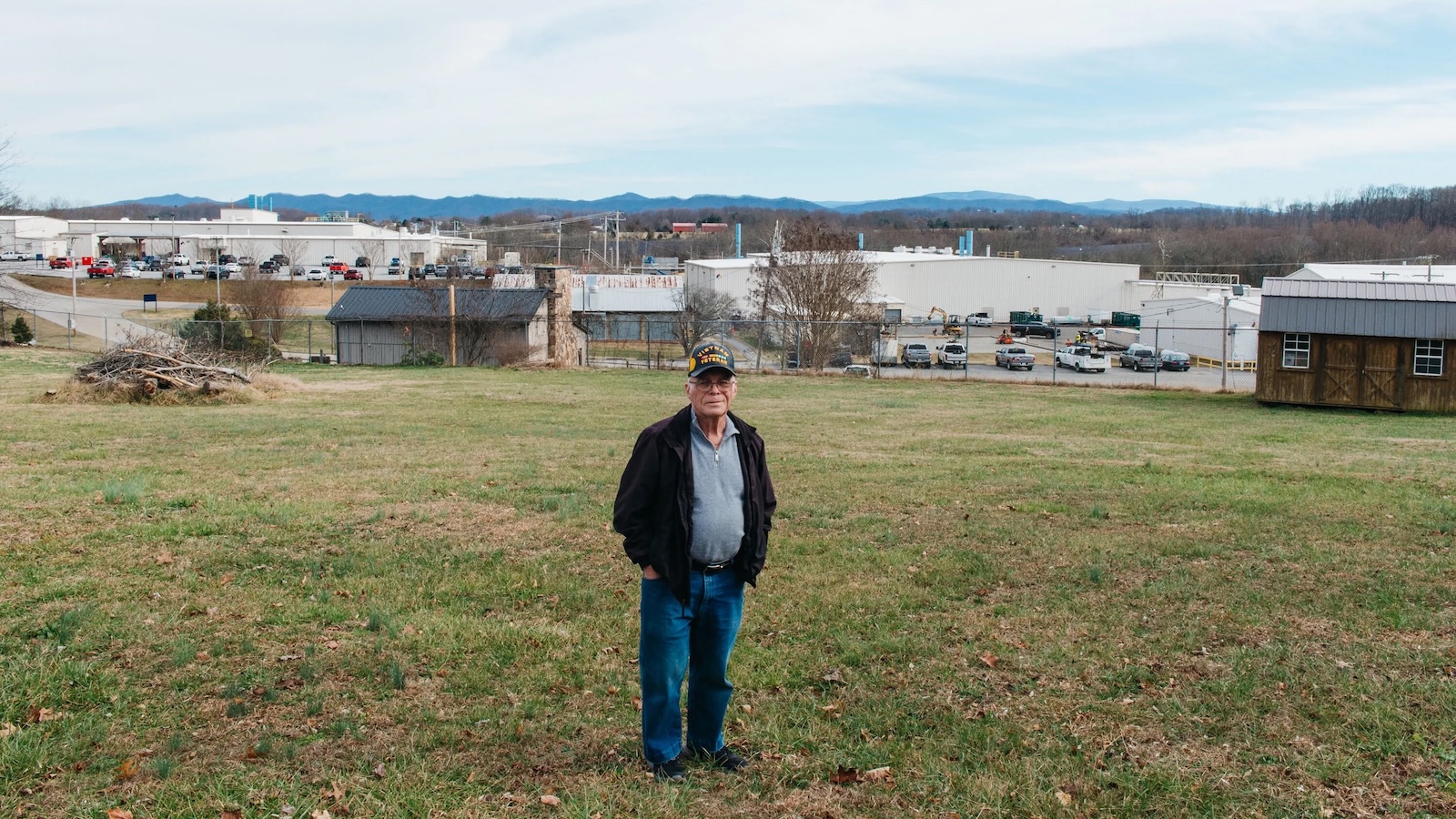
Yet, this ambitious push for modernization is sharply dividing local communities. While state leadership celebrates the arrival of thousands of high-paying technical jobs and billions in capital investments, a deeply anxious segment of the citizenry is sounding the alarm. For residents like Luther “Sunny” Miller—who grew up in the shadow of local defense plants and now lives with chronic health concerns he fears are linked to his past environment—the promise of a nuclear-powered economic boom carries a heavy, familiar dread.
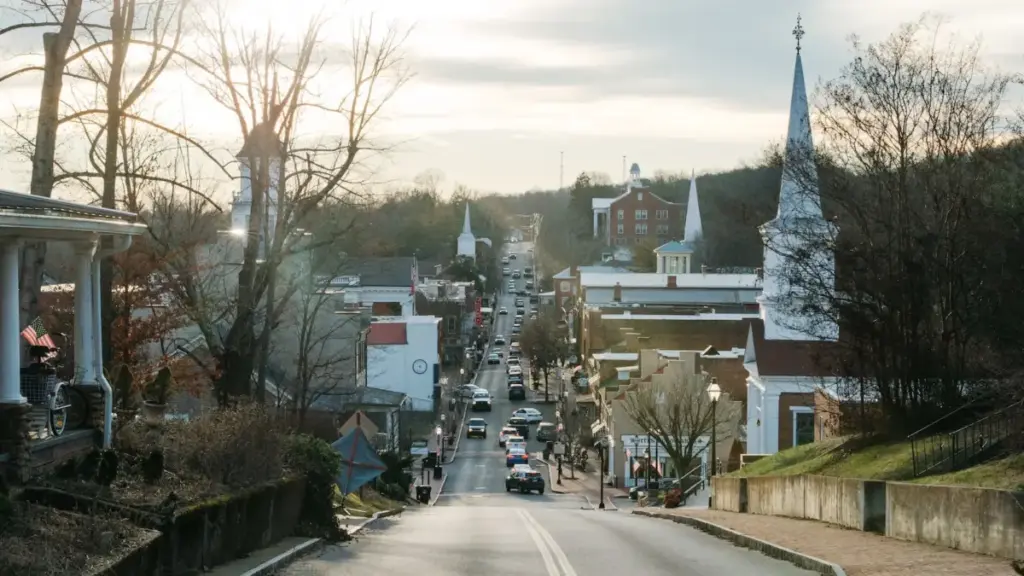
Across communities like Jonesborough and Claiborne County, grassroots resistance is flaring up. Residents are pushing back against zoning changes, demanding transparency, and challenging federal initiatives like the Department of Energy’s proposed "nuclear lifecycle innovation campus." As the Trump administration moves to aggressively scale up domestic nuclear energy output and streamline safety regulations, Tennessee illustrates the turbulent friction of the modern energy transition: a region torn between the urgent economic necessity of high-tech jobs and the haunting ghosts of an industrial history marked by contamination, corporate opacity, and broken trust.
Detailed Chronology
To understand the current friction shaping East Tennessee, one must trace the timeline of atomic development across the region, where the past and present are inextricably linked.
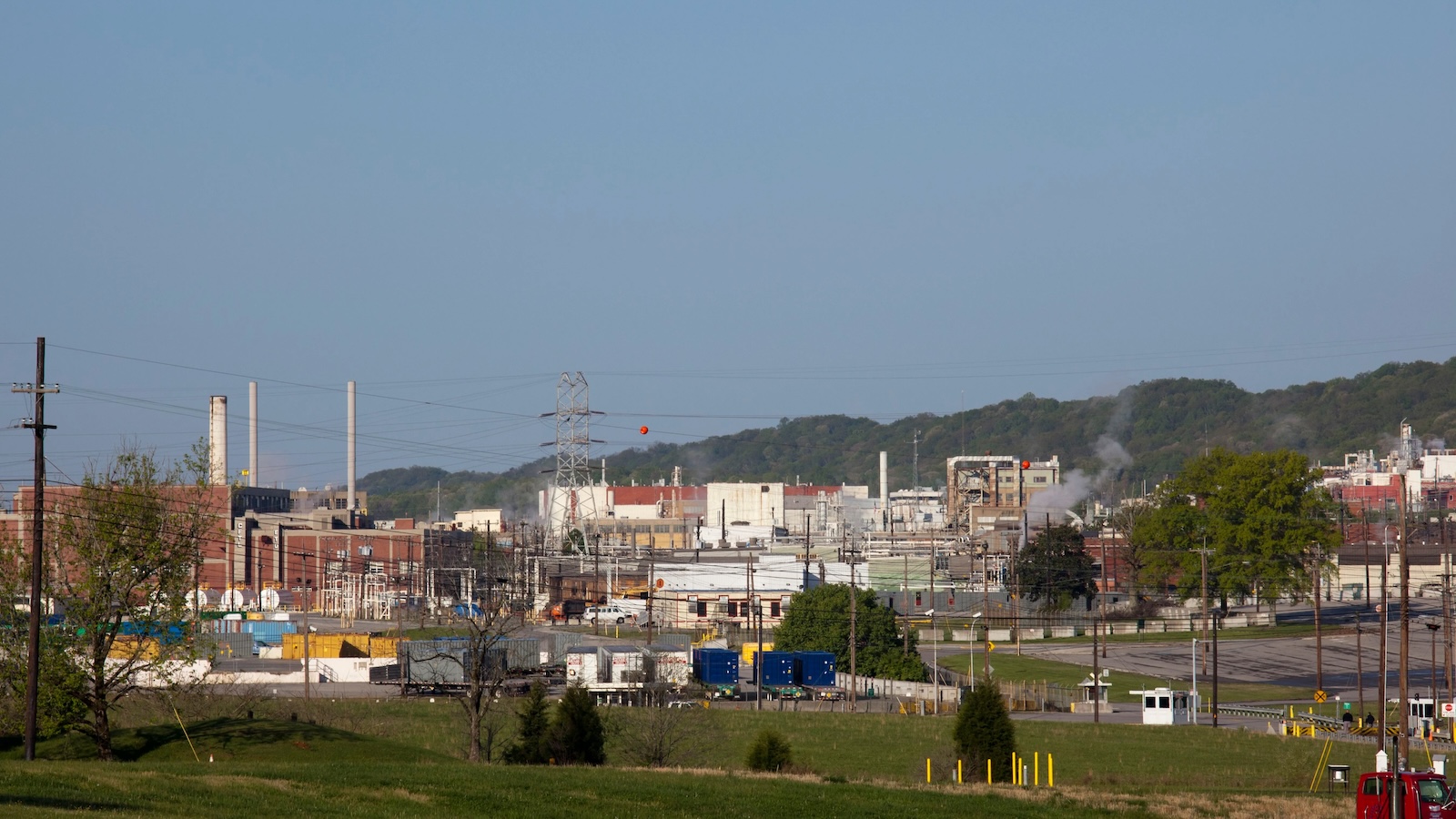
- 1942–1945 (The Manhattan Project Era): The federal government secretly acquires vast tracts of land in East Tennessee, abruptly evicting roughly 3,000 farmers and local residents. The area becomes the cradle of the atomic bomb, housing massive enrichment and processing facilities, including the sprawling Y-12 National Security Complex and the K-25 gaseous diffusion plant in Oak Ridge.
- 1943–1985 (Decades of Industrial Operation): For over four decades, the K-25 plant enriches uranium for national defense and commercial nuclear applications. While powering the nation’s Cold War posture, the facility generates vast quantities of toxic waste and radioactive byproducts.
- 1985 (Shutting Down the K-25): The K-25 plant ceases operations, kicking off a decades-long, multi-billion-dollar federal environmental cleanup effort overseen by the Department of Energy (DOE) to address heavy contamination in soil, groundwater, and aging infrastructure.
- December 2008 (The Kingston Coal Ash Disaster): A catastrophic structural failure at the Tennessee Valley Authority’s Kingston Fossil Plant—originally built to power the Oak Ridge war complex—releases 1.1 billion gallons of toxic coal ash into the Emory River and surrounding land. Subsequent cleanup operations expose workers to hazardous materials without proper protective equipment, leading to a wave of chronic illnesses and fatalities years later.
- 2014–2024 (The New Investment Wave): Bolstered by a skilled engineering workforce and decades of nuclear expertise, the Tennessee Department of Economic and Community Development secures roughly $10 billion in investments, attracting firms like Centrus, Orano, and BWX Technologies (BWXT) to expand regional uranium processing capabilities.
- Early 2025 (The BWXT Acquisition): National nuclear supplier BWX Technologies acquires a crucial facility in Jonesborough, Tennessee, announcing a massive 10-year, $1.6 billion contract with the Department of Energy to convert depleted uranium oxide. The material is designated to supply the Y-12 National Security Complex in Oak Ridge to maintain the U.S. nuclear weapons arsenal.
- Early 2026 (Federal Overhauls and Local Resistance): The Trump administration moves to streamline and overhaul radioactive waste storage and siting regulations. Simultaneously, the DOE selects Tennessee as one of five national finalists for a new "nuclear lifecycle innovation campus." Public pushback intensifies:
- March 2026: Hundreds of residents in Claiborne County pack a town hall meeting, successfully halting a proposed nuclear graphite facility.
- Late March 2026: Despite heavy local protest, organizing campaigns, and emotional county commission meetings, Washington County officials approve zoning changes clearing the path for BWXT’s Jonesborough processing facility.
Supporting Context & Metrics
The resurgence of nuclear power in the United States is driven by acute macroeconomic and geopolitical pressures. With energy demands skyrocketing due to the proliferation of data centers, artificial intelligence, and industrial electrification, the federal government has set aggressive targets to quadruple the nation’s nuclear energy output.
However, this expansion collides directly with an unresolved environmental crisis: the management of spent nuclear fuel and radioactive waste.
- The Waste Mountain: According to the U.S. Nuclear Regulatory Commission (NRC) and the Department of Energy, the nation’s 85 interim storage facilities currently hold more than 86,000 tons of highly radioactive spent nuclear fuel. To visualize the scale, this volume is large enough to cover an entire football field to a depth of nearly 10 yards.
- The Yucca Mountain Deadlock: Plans for a centralized, permanent underground repository at Yucca Mountain in Nevada stalled decades ago amid fierce political and public backlash. Consequently, spent fuel remains indefinitely in secure concrete dry casks at temporary sites across the country, creating a decentralized web of long-term environmental vulnerabilities.
- Economic Injections: Over the past decade, Tennessee’s Department of Economic and Community Development has aggressively courted the nuclear sector, securing $10 billion in targeted investments and generating approximately 3,000 direct jobs. State projections estimate that a fully realized nuclear lifecycle campus could inject tens of thousands of auxiliary jobs into the local economy, spanning manufacturing, construction, research, and engineering.
- The Innovation Campus Finalists: In July, the Department of Energy shortlisted five states—Tennessee, Utah, Oklahoma, Louisiana, and Idaho—to host the proposed "nuclear lifecycle innovation campus." While these facilities are designed to integrate uranium enrichment, fuel fabrication, and spent fuel reprocessing, waste management remains the anchor of the federal initiative.
Official Statements & Stakeholder Perspectives
The debate over Tennessee’s nuclear trajectory highlights a stark divide between institutional optimism and grassroots anxiety. Proponents emphasize economic survival, technological leadership, and national security, while opponents highlight public health hazards, regulatory rollbacks, and a deficit of democratic inclusion.
Industry and State Advocates
Supporters view the region’s deep historical roots in atomic energy not as a liability, but as an irreplaceable national asset.
- Ronald Daily, President of Operations at BWXT: Emphasizing the industrious spirit of the local population, Daily remarked: "Appalachia was key to the U.S. developing a defense power in a time frame like no other because of the industrious nature of the people of Appalachia."
- Joe Hoagland, Physical Chemist and Associate Laboratory Director at Oak Ridge National Laboratory: Pointing to the comprehensive scope of regional expertise, Hoagland noted: "Part of Oak Ridge’s role is that we have expertise in all parts of that fuel cycle. We know how to enrich it. We know how to use it. We know how to store it. We know how to transport it, and we understand the chemistries around how to recycle it." He added that while the region once relied on legacy giants like GE and Westinghouse, the modern landscape increasingly mirrors a fast-paced startup culture driven by unprecedented electricity demand.
- Braden Stover, Nuclear Advisor for the Tennessee Department of Economic and Community Development: Looking toward the future economic pipeline, Stover emphasized generational planning: "The second graders of today are going to be the ones that actually are coming in to work at these facilities. We need to get to them and just let them know, hey, here is what is coming."
Skeptics and Local Residents
Conversely, local residents and independent experts warn that economic enthusiasm is routinely prioritized over public safety and environmental justice.
- Luther “Sunny” Miller, Jonesborough Resident: Reflecting on the complex choice between economic stability and environmental risk, Miller observed: "You can’t live on car washes and chicken places alone, that’s a real feeling. But let me make this decision based on facts." Miller, who suffers from thyroid and bladder problems—while his wife battles kidney disease—fears these illnesses are connected to his early days working at the Aerojet plant in his backyard.
- Will Manning, 42-Year-Old Knifemaker and Activist: Expressing profound disillusionment following the Washington County zoning vote for the BWXT plant, Manning stated: "I honestly don’t know what was more disgusting, disappointing, depressing: the outcome of the vote or the dog-and-pony show they put on and blatant disregard for the strong voice of this community."
- Valerie Thomas, Nuclear Engineering and Environmental Impacts Researcher at the Georgia Institute of Technology: Critiquing recent federal efforts to streamline and weaken safety and siting rules under the Trump administration, Thomas warned: "There are two reasons we want nuclear regulations to be very strong. One is, no, you don’t want to have errors. The second is if people think the regulations aren’t very strong, they’re not going to want nuclear power and nuclear facilities."
Future Outlook
As Tennessee moves closer to potentially housing the Department of Energy’s nuclear lifecycle innovation campus, the trajectory of the state’s energy landscape remains highly contested.
Federal officials have indicated that any future site selection process will involve extensive community engagement and multi-year environmental reviews to screen out vulnerable geographies prone to geological instability, proximity to aquifers, or hydrological risks. Furthermore, state application proposals suggest that campus funding could underwrite vital local infrastructure improvements, sweetening the economic package for host communities.
However, the political landscape has fundamentally shifted. The successful mobilization of residents in Claiborne County—which derailed a proposed nuclear graphite facility—and the persistent, highly organized resistance in Jonesborough demonstrate that local communities are no longer willing to serve as passive receptacles for industrial experimentation. Armed with digital organizing tools, social media networks, and memories of past contamination linked to entities like the K-25 plant and the Erwin Nuclear Fuel Services facility, citizens are increasingly holding local elected officials accountable at the ballot box.
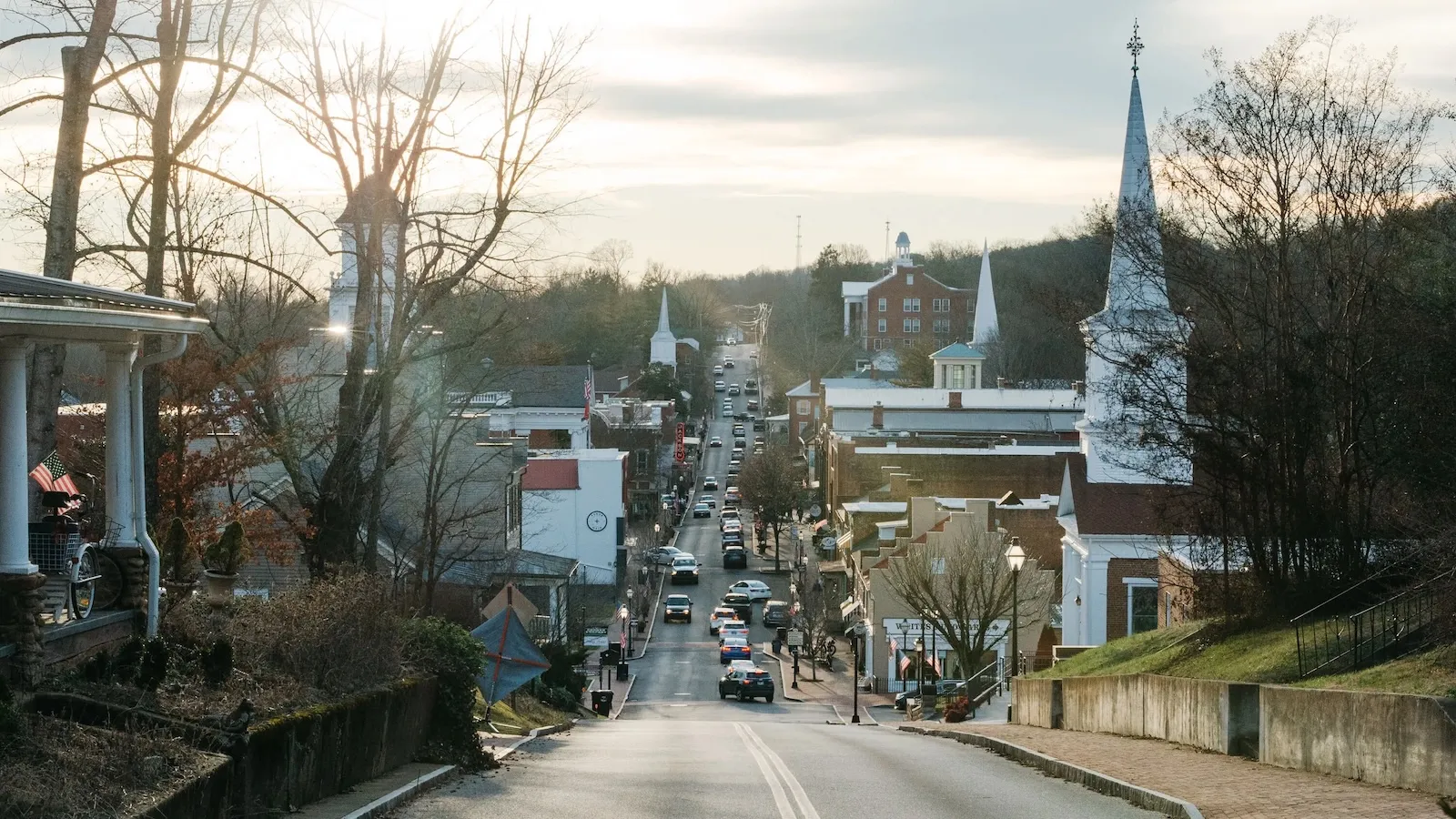
Ultimately, the success of the national nuclear renaissance in East Tennessee will depend on whether federal agencies and private contractors can bridge an immense deficit of trust. If proponents fail to provide transparent, verifiable safety data and authentic public participation, the atomic revival may find itself stymied not by technological hurdles, but by the unyielding resistance of the people who call the Appalachian valleys home.