

Executive Overview
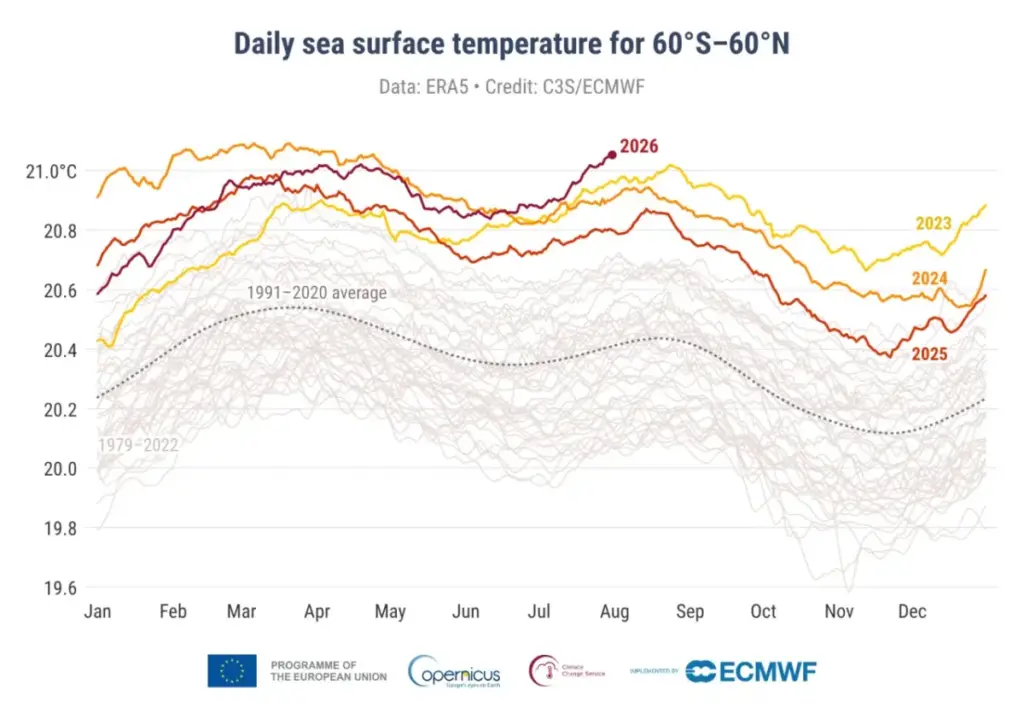
As global sea surface temperatures continually break historic thresholds, the world’s oceans—long considered the planet’s ultimate thermal buffer and largest carbon sink—are exhibiting critical signs of ecological strain. Recent scientific findings published in leading climate journals demonstrate that marine heatwaves and accelerated thermal expansion are diminishing the ocean’s capacity to absorb atmospheric carbon dioxide. This systemic breakdown of the ocean carbon sink poses an existential threat to planetary stability and undermines current global emissions reduction targets.
Against this alarming scientific backdrop, an unprecedented transnational coalition is mounting a high-stakes diplomatic campaign ahead of the United Nations Climate Change Conference (COP31). Spearheaded by the African Group of Negotiators (AGN), the European Union (EU), select Latin American nations, and the Alliance of Small Island States (AOSIS), these negotiating blocs are demanding a fundamental shift in UN climate architecture. They are pressing to elevate ocean protection from informal, sideline dialogues into binding, "negotiated outcomes" within the official UNFCCC framework.
+-----------------------------------------------------------------------------------+
|                        OCEAN-CLIMATE DIPLOMACY AT COP31                           |
+-----------------------------------------------------------------------------------+
|  SCIENTIFIC REALITY             DIPLOMATIC INITIATIVE          FINANCIAL BARRIER  |
|  - Weakening carbon sink        - AOSIS, EU, AGN & LatAm push  - Shrinking global |
|  - Record sea surface temps       for formal negotiated text     climate finance  |
|  - Biological pump disruption   - Australia-Türkiye voluntary  - SDG 14 under-    |
|                                   Ocean Roadmap action plan      funding gap      |
+-----------------------------------------------------------------------------------+
In response, COP31 co-hosts Türkiye and Australia have initiated work on a voluntary "Ocean Roadmap"—a targeted action plan intended to bridge regional priorities and global climate targets. However, climate policy analysts and finance experts warn that this ambitious diplomatic momentum risks stalling due to a worsening structural crisis: a shrinking pool of international climate finance and mounting fiscal distress across developing nations, which threatens to render ocean commitments unfunded and unenforceable.
Detailed Chronology: From Sideline Dialogues to Formal Mandates
The attempt to integrate ocean governance into multilateral climate negotiations has been a decades-long struggle, marked by incremental procedural gains followed by persistent diplomatic gridlock.
+-----------------------------------------------------------------------------------+
|                            OCEAN DIPLOMACY TIMELINE                               |
+-----------------------------------------------------------------------------------+
| 2015: Paris Agreement mentions oceans solely in its non-binding preamble          |
| 2019: COP25 ("Blue COP" Madrid) establishes informal marine dialogue mechanisms   |
| 2021: COP26 (Glasgow) mandates annual SBSTA Ocean & Climate Change Dialogue       |
| 2023-2025: Unprecedented ocean heatwaves trigger rapid degradation of marine sinks |
| Present: Coalition demands COP31 mandate formal, legally binding decision text    |
+-----------------------------------------------------------------------------------+
The Pre-Paris Era and the "Blue COP" (2015–2019)
Historically, the United Nations Framework Convention on Climate Change (UNFCCC) focused primarily on terrestrial mitigation, forestry, and energy systems. The 2015 Paris Agreement acknowledged the ocean’s role only in its non-binding preamble, emphasizing the importance of ensuring the integrity of all ecosystems, including oceans. Recognizing this systemic omission, coastal and island nations rallied at COP25 in Madrid in 2019—dubbed the "Blue COP"—to establish a formal link between ocean health and atmospheric stabilization.
The Glasgow Mandate and Annual Dialogues (2021–2024)
At COP26 in Glasgow, negotiators formally institutionalized the Ocean and Climate Change Dialogue under the Subsidiary Body for Scientific and Technological Advice (SBSTA). While this mandate required annual discussions on marine preservation, ocean acidification, and coastal resilience, the venue remained strictly informational. The dialogues served as non-binding exchanges of best practices, lacking the legal mechanisms needed to mandate national policy changes, allocate dedicated capital, or incorporate ocean mitigation into Nationally Determined Contributions (NDCs).
The COP31 Strategic Turn (Present)
Dissatisfied with years of procedural discussions, a broad coalition of vulnerability-exposed and climate-ambitious nations initiated a coordinated diplomatic push. Over recent negotiating cycles, the AGN, AOSIS, the EU, and Latin American allies submitted formal positioning papers calling for COP31 to break from precedent. Their primary goal is to embed marine governance into the negotiated decision texts—the core outcomes that obligate member states to report, finance, and implement concrete policy frameworks under UN supervision.
In response, COP31 co-presidents Türkiye and Australia stepped into the diplomatic rift, drafting a voluntary, actionable "Ocean Roadmap." This plan seeks to harmonize cross-border marine protection, establish regional monitoring protocols, and provide a framework for integrated marine spatial planning.
Supporting Context & Metrics: The Failing Biological Sink and Economic Realities
The political drive to formalize ocean-climate mandates is propelled by alarming oceanographic data. For decades, global ocean systems have served as a planetary heat sink and buffer against warming. However, emerging scientific data demonstrates that this buffer capacity is reaching physical limits.
+-----------------------------------------------------------------------------------+
|                      GLOBAL OCEAN CARBON & THERMAL METRICS                        |
+-----------------------------------------------------------------------------------+
| Metric / System                  Value / Trend           Impact Status            |
+-----------------------------------------------------------------------------------+
| Anthropogenic Heat Absorption     >90% of excess heat     Critical thermal stress  |
| Anthropogenic CO2 Absorption      ~25-30% of emissions    Declining efficiency     |
| Ocean Heat Content (0-2000m)      Record Highs (2023-25) Stratification spike     |
| Marine SDG Funding (SDG 14)       <1% of total climate    Severe structural deficit|
+-----------------------------------------------------------------------------------+
The Breakdown of Ocean Carbon Pumps
Oceans absorb carbon through two primary mechanisms:
- The Physical (Solubility) Carbon Pump: Driven by the cold, dense waters near the poles that dissolve CO2 and transport it into the deep ocean. As ocean surface temperatures rise, the solubility of CO2 decreases, reducing the rate of chemical absorption.
- The Biological Carbon Pump: Driven by phytoplankton that photosynthesize atmospheric carbon and transfer it down the food web. Ocean warming causes surface thermal stratification, blocking the vertical upwelling of vital nutrients like nitrate and iron. This starves microscopic marine life and impairs biological carbon sequestration.
A study published in Nature Climate Change confirms that sustained marine heatwaves have dramatically weakened these natural absorption systems. Consequently, larger volumes of carbon dioxide remain in the atmosphere, accelerating warming trends and accelerating ocean acidification that destroys key marine habitats like coral reefs and mangrove buffers.
          ATMOSPHERIC CO2 ACCUMULATION
                       │
                       ▼
          ┌─────────────────────────┐
          │ Ocean Surface Warming   │
          └────────────┬────────────┘
                       │
        ┌──────────────┴──────────────┐
        ▼                             ▼
┌───────────────┐             ┌───────────────┐
│ Stratification│             │ Decreased CO2 │
│ & Nutrient    │             │  Solubility   │
│ Starvation    │             └───────┬───────┘
└───────┬───────┘                     │
        │                             │
        ▼                             │
┌───────────────┐                     │
│ Biological    │                     │
│ Pump Failure  │                     │
└───────┬───────┘                     │
        └──────────────┬──────────────┘
                       │
                       ▼
          WEAKENED GLOBAL CARBON SINK
The Climate Finance Deficit
While the scientific mandate for ocean preservation is clear, the financial infrastructure needed to support it remains insufficient. According to international financial tracking metrics:
- SDG 14 ("Life Below Water"): Continues to be the least funded of all 17 UN Sustainable Development Goals, receiving less than 1% of all philanthropic and public climate funding globally.
- Adaptation Deficit: Developing coastal states face an estimated annual adaptation funding deficit exceeding $300 billion, with coastal defense, mangrove restoration, and marine monitoring severely under-resourced.
- Macroeconomic Pressure: Sovereign debt crises across the Global South, high global interest rates, and shifting domestic spending priorities among major donor nations in Western Europe and North America have severely restricted the capital available for international climate funds, including the Green Climate Fund (GCF) and the Global Environment Facility (GEF).
Official Statements and Stakeholder Perspectives
The debate over the COP31 ocean mandate illustrates the complex geopolitical dynamics shaping the upcoming climate negotiations.
The Developing Alliance: Existential Imperatives
Speaking on behalf of the Alliance of Small Island States (AOSIS), diplomatic representatives highlighted the immediate threat facing low-lying island nations:
"For small island developing states, the ocean is not an optional agenda item or a side dialogue—it is our living ecosystem, our economy, and our geographic reality. Allowing ocean degradation to sit outside formal UNFCCC negotiated outcomes is a fundamental flaw in international climate architecture. We can no longer settle for non-binding exchanges while our islands erode and our fisheries collapse."
Representatives from the African Group of Negotiators (AGN) aligned with this stance, linking ocean resilience to economic security and international climate equity:
"African coastal economies are bearing the burden of ocean warming caused by historical high emitters. Marine ecosystems are failing, threatening coastal livelihoods and national food security. Integrating ocean measures into negotiated COP31 decisions is essential to secure predictable, grant-based financing for marine adaptation."
European Union: Systematic Integration
EU negotiators underscored the importance of alignment across international governance agreements, citing treaty links between UNFCCC mandates and the newly adopted High Seas Treaty (BBNJ):
"The science is unequivocal: atmospheric stabilization is impossible without a resilient ocean. The European Union supports elevating marine preservation into negotiated text. We must systematically integrate ocean natural capital into national reporting frameworks and ensure our decarbonization policies safeguard marine biodiversity."
COP31 Co-Presidency: Balancing Ambition with Pragmatism
Representatives from the incoming COP31 leadership—Australia and Türkiye—acknowledged the challenge of building consensus among 198 parties while advocating for practical, near-term measures:
"Our objective for COP31 is to deliver actionable outcomes that translate high-level ambition into measurable progress on the ground. Through the joint voluntary Ocean Roadmap, we are developing a practical, clear framework that enables nations to integrate ocean actions into their climate strategies immediately, bridging political divides while maintaining forward momentum."
Future Outlook: Navigating Geopolitical Obstacles and Financial Bottlenecks
As negotiations move toward COP31, diplomats face deep-seated political and structural challenges that threaten to derail efforts to formalize ocean protection.
+-----------------------------------------------------------------------------------+
|                        COP31 OCEAN DIPLOMACY MATRIX                               |
+-----------------------------------------------------------------------------------+
| KEY ADVOCATES       PROPOSED MECHANISM      PRIMARY OBSTACLES   ALTERNATIVE PATH  |
| - AOSIS             - Binding UNFCCC        - Global climate    - Voluntary Ocean |
| - African Group       negotiated text         finance deficits    Roadmap           |
| - EU                - Formal inclusion      - High sovereign    - Blended blue    |
| - Latin America       in future NDCs          debt burdens        finance tools   |
+-----------------------------------------------------------------------------------+
The Battle over "Negotiated Decisions" vs. "Voluntary Roadmaps"
The central debate at COP31 will focus on the legal format of ocean commitments:
- Formal Negotiated Text: Pushed by AOSIS, the AGN, and the EU, this approach would mandate that ocean mitigation and adaptation actions be formally reported under the Paris Agreement’s Enhanced Transparency Framework (ETF). It would also require donor nations to allocate specific climate finance streams to marine ecosystems.
- Voluntary Roadmaps: Favored by major industrial emitters and nations wary of expanding international legal obligations, this flexible approach relies on non-binding commitments. Opponents argue that voluntary frameworks lack accountability, legal authority, and guaranteed capital pathways, risking a continuation of the status quo.
Re-engineering Blue Finance
To resolve this standstill, negotiators are considering alternative financial instruments designed to unlock private and institutional capital for marine preservation:
- Blue Bonds and Debt-for-Nature Swaps: Championed by nations like Seychelles, Belize, and Barbados, these instruments allow sovereign debt to be refinanced at lower interest rates, with the savings directed to legally protected marine areas (MPAs).
- Carbon Market Integration (Article 6): Efforts are underway to standardize protocols for "Blue Carbon"—credits generated through the restoration of coastal ecosystems like mangroves, seagrasses, and salt marshes. Establishing robust carbon accounting models could funnel private capital directly into marine preservation.
- Reform of Multilateral Development Banks (MDBs): Champions of the Bridgetown Initiative argue that MDBs must update their risk profiles and capital structures to offer concessionary, long-term financing for coastal adaptation and marine ecosystem stabilization in vulnerable nations.
The Ultimate Test for COP31
The upcoming COP31 negotiations will test whether international climate diplomacy can adapt to changing ecological realities. If member states fail to secure dedicated financing and formalize ocean protection within the binding text of the UNFCCC, the ocean’s function as a global carbon sink will continue to deteriorate. The outcomes in Türkiye and Australia will determine whether the world’s most critical marine ecosystems receive the formal legal protections and funding required to maintain global climate stability.



