Curated by editors committed to rigorous, transparent fashion ratings. Purchases made through our partner links may earn a commission to support our ongoing investigative work.
Executive Overview
For decades, the global apparel industry has relied on a foundational pillar of modern leisure: the classic sweatshirt and sweatpant combination. Synonymous with relaxation, remote work, and casual daily errands, these garments occupy a permanent space in wardrobes worldwide. Yet, beneath their cozy exterior lies a troubling environmental footprint. The conventional loungewear market has long been dominated by virgin polyester-fleece—a synthetic fabric derived directly from fossil fuels. When washed, these garments shed countless microplastics that infiltrate marine ecosystems, and because they do not readily biodegrade, they persist in landfills for centuries.
Compounding this environmental toll is the human cost of fast fashion. The relentless pursuit of cheap, high-volume apparel often comes at the direct expense of garment workers, who face sub-standard working conditions, forced overtime, and wages far below a living standard.
However, a paradigm shift is underway. Driven by consumer demand for radical transparency and ecological accountability, a vanguard of "Good" and "Great" rated ethical brands is redefining what it means to be comfortable. By replacing fossil-fuel synthetics with lower-impact alternatives—such as GOTS-certified organic cotton, industrial hemp, linen, and brushed organic cotton backings—these forward-thinking labels are proving that luxury and leisure can coexist with ecological preservation. This comprehensive guide examines the structural flaws of conventional loungewear, explores the science of sustainable textile alternatives, and highlights the premier certified brands leading the charge toward a cleaner, fairer fashion future.
Detailed Chronology: The Evolution of Loungewear and Sustainability
To understand how the loungewear market reached its current crossroads, it is necessary to examine the historical trajectory of synthetic textiles and the subsequent rise of the ethical consumer movement.
- The Mid-20th Century Synthetics Boom: Following World War II, the textile industry underwent a radical transformation with the commercialization of petroleum-based synthetic fibers like polyester, nylon, and acrylic. Hailed as miracle fabrics due to their wrinkle resistance, durability, and low cost of production, these materials quickly became the backbone of athletic wear and casual fleece apparel.
- The Rise of Fast Fashion (Late 20th to Early 21st Century): As globalization accelerated, supply chains fragmented, shifting garment production to developing nations with lax labor laws and environmental regulations. The "fast fashion" model lowered the barrier to entry for trendy clothing, normalizing ultra-cheap sweatshirts and sweatpants designed for rapid disposal rather than longevity.
- The Microplastic Awakening (2010s): Marine biologists and environmental scientists began publishing alarming data regarding the accumulation of microfibers in oceans and freshwater bodies. Research pinpointed laundering synthetic fleece garments as a primary contributor, shedding millions of plastic microfibers per wash cycle that bypass wastewater treatment facilities.
- The Remote Work Surge (2020–2022): The COVID-19 pandemic fundamentally altered global lifestyle and dress codes. Overnight, remote work transformed sweatpants and hoodies from casual weekend wear into everyday professional attire, causing a massive surge in demand. This spike laid bare the immense environmental toll of scaling virgin polyester production.
- The Era of Rigorous Accountability (Present Day): Today, conscious consumers are pushing back against greenwashing. Independent rating organizations, stringent third-party certifications (such as GOTS, Bluesign, and B Corp statuses), and localized circular supply chains have transformed sustainable loungewear from a niche market segment into a powerful, mainstream industry movement.
Supporting Context & Metrics: The Hidden Costs of Conventional Sweats
The casual comfort of a standard cotton-polyester blend sweatshirt masks a complex chain of industrial processes that heavily impact the environment and vulnerable human populations.
1. The Synthetic Dilemma: Virgin vs. Recycled Polyester
While many modern brands market "recycled polyester" (often sourced from post-consumer plastic bottles) as an ecological panacea, it remains a stopgap measure rather than a permanent solution. While recycled synthetics divert plastic waste from landfills and require less energy to produce than virgin polymers, they share the same fundamental flaw: they shed microplastics with every wash. Furthermore, mechanical and chemical recycling processes cannot continue indefinitely; synthetic fibers eventually degrade in quality, ultimately ending up in landfills or incinerators.
2. The Power of Lower-Impact Natural Fibers
To truly eliminate microplastic pollution from apparel, the industry must pivot toward natural, regenerative, and biodegradable fibers.
- Organic Cotton: Cultivated without toxic synthetic pesticides or fertilizers, organic cotton preserves local soil health, protects biodiversity, and safeguards the health of agricultural workers. When combed into a brushed backing, it provides the same plush warmth and thermal retention as traditional fleece without the synthetic drawbacks.
- Hemp and Linen: Hemp requires minimal water to grow, naturally regenerates the soil it occupies, and yields exceptionally strong, breathable fibers that soften considerably with every wash.
- Non-Dyed and Raw Materials: Innovative brands are increasingly utilizing unbleached and undyed cotton varieties, drastically reducing the water, chemical agents, and energy required during the finishing stages of garment manufacturing.
3. Ethical Labor and Fair Wages
Sustainability is not solely an environmental metric; it is inherently social. Fast-fashion supply chains notoriously obscure labor practices, often operating through multi-tiered subcontracting that obscures human rights abuses. Ethical brands distinguish themselves by partnering with Fair Labour Association-certified facilities, ensuring safe working conditions, transparent supply chains, and guaranteed living wages for the artisans who harvest, mill, and sew every piece of clothing.
Official Brand Directory: "Good" and "Great" Rated Loungewear Pioneers
Our editorial team has rigorously assessed and curated the following brands based on their performance across environmental impact, labor conditions, and animal welfare.
Featured Sweatshirts and Hoodies
1. Orbasics
- The Ethos: A stylish, minimalist German clothing brand born from a mother’s quest for high-quality, gender-neutral organic garments for her children. Orbasics ensures full transparency from harvest to production, utilizing 100% GOTS-certified organic cotton and partnering exclusively with certified local production facilities.
- Size Range: Adult 2XS–2XL; Kids 92–152.
2. Citizen Wolf
- The Ethos: Utilizing revolutionary custom-fit technology, Sydney-based Citizen Wolf handmakes high-performance garments designed to exact personal specifications. Every piece is crafted using certified lower-impact fabrics, including organic cotton, hemp, and sustainably sourced Merino wool milled in Melbourne.
3. ReCreate
- The Ethos: Operating out of New Zealand, ReCreate produces boutique garments designed to transform lives through fair employment, vocational training, and social empowerment. The brand relies strictly on lower-impact materials like organic cotton and actively incorporates textile offcuts to minimize factory waste.
- Size Range: XS–XL.
4. Outerknown
- The Ethos: Founded by surf champion Kelly Slater, Outerknown merges functional coastal style with uncompromising environmental stewardship. The brand holds Bluesign certification for chemical management and maintains active partnerships with the Fair Labour Association to guarantee equitable labor practices.
- Size Range: XS–2XL.
5. WAWWA
- The Ethos: This UK-based label places the Earth and its communities at the core of its business model, manufacturing organic, fair-trade, and vegan-friendly apparel. WAWWA utilizes recycled materials, non-toxic lower-impact dyes, and repurposes fabric offcuts to eliminate textile waste.
- Size Range: XS–2XL.
6. Vottera
- The Ethos: Vottera crafts beautifully tailored, ethical apparel constructed exclusively from certified organic cotton and Regenerative Organic Certified (ROC) cotton, supporting agricultural systems that actively rebuild soil organic matter.
Featured Sweatpants and Sweatshorts
7. NIKIN
- The Ethos: Swiss brand NIKIN allows consumers to physically wear their values. Operating on an environmental regeneration model, the brand plants a tree for every single product purchased, fostering transparency and environmental consciousness.
- Size Range: XS–2XL.
8. Colorful Standard
- The Ethos: Rejecting the volatile cycle of seasonal micro-trends, this Danish brand produces timeless, durable organic fashion essentials designed to combat the systemic damage caused by over-consumption.
- Size Range: XS–2XL.
9. Harvest & Mill
- The Ethos: A gold standard in localized manufacturing, Harvest & Mill grows, mills, and sews its entire collection exclusively within the United States. By supporting American organic cotton farmers and local sewing communities, the brand eliminates unnecessary global transport emissions. Crucially, their garments are left un-dyed and unbleached, saving immense amounts of water and energy while utilizing diverse cotton varieties to foster agricultural biodiversity.
- Size Range: S–XL.
10. tentree
- The Ethos: True to its name, Canadian brand tentree plants ten trees for every item sold to restore degraded ecosystems and support global reforestation jobs—having already planted over 65 million trees. Their entire catalog is crafted under fair working conditions using recycled and lower-impact materials.
- Size Range: XS–XL.
11. Kotn
- The Ethos: A certified B Corporation based in Canada, Kotn partners directly with local NGOs in the Nile Delta to fund school infrastructure, provide educational materials, and secure teacher salaries in farming communities, actively working to eradicate local literacy gaps.
- Size Range: XS–2XL.
12. ASKET
- The Ethos: Since 2015, ASKET has rejected seasonal collections in favor of a single, permanent wardrobe collection. By cutting out middle-men and selling directly to the consumer, ASKET focuses entirely on garment longevity, radical supply chain traceability, and fair pricing.
- Size Range: 2XS–2XL.
Future Outlook: Where Conscious Loungewear is Headed
As the pressure mounts on regulatory bodies to clamp down on greenwashing and textile waste, the future of the loungewear sector is poised for deeper systemic transformation. Several key trends are expected to define the next decade of sustainable fashion:
- Mandatory Digital Product Passports (DPPs): Emerging regulations, particularly within the European Union, are moving toward mandatory digital passports for apparel. Consumers will soon be able to scan a QR code on a sweatshirt label to view its complete journey—from the specific organic farm where the cotton was harvested to the factory where it was sewn and its end-of-life recycling pathway.
- The Rise of Regenerative Agriculture: Moving beyond merely "sustainable" practices (which aim to do less harm), brands are increasingly adopting regenerative agriculture principles. By sourcing cotton from farms that sequester carbon, restore degraded topsoil, and enhance local watersheds, fashion brands will actively contribute to climate mitigation.
- True Circularity and Take-Back Schemes: The linear model of "take, make, waste" is rapidly giving way to closed-loop systems. Leading brands are developing advanced chemical and mechanical recycling infrastructures that allow old cotton and blended garments to be broken down and spun into brand-new yarn without losing structural integrity.
- Mainstreaming of Plant-Based Dyes and Innovations: The chemical dyeing of textiles is one of the most water-intensive and polluting phases of garment production. The future will see an accelerated adoption of non-toxic, closed-loop dyeing systems, bio-pigments derived from agricultural waste, and waterless dyeing technologies.
Ultimately, the conscious loungewear revolution demonstrates that comfort and a clear conscience do not have to be mutually exclusive. By voting with their wallets and supporting brands that prioritize people, animals, and the planet, consumers can help build a cleaner, fairer fashion industry for generations to come.
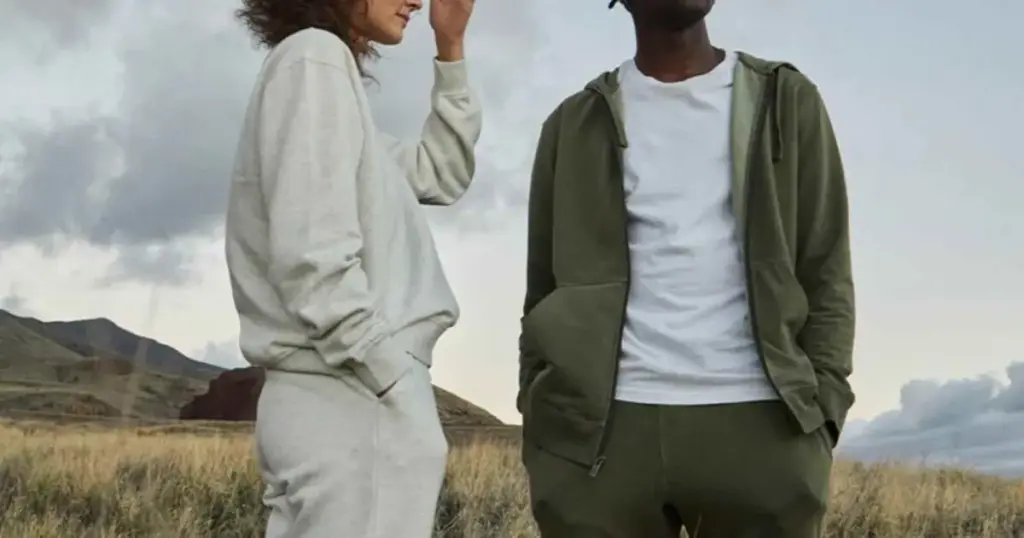
Editor’s Note: Feature image via tentree; all other imagery sourced via respective brands. Good On You maintains the world’s most comprehensive rating system for evaluating fashion and beauty brands based on their impact on people, the planet, and animals. Explore thousands of rated brands via our official directory.
Article updated: July 21, 2026. Our editorial team continually audits and updates content to reflect the latest brand ratings, industry standards, and product offerings.