

Executive Overview
In the contemporary landscape of convenience, the eternal conundrum of "what’s for dinner?" has triggered an arms race among food-tech enterprises. From hyper-localized takeout applications and algorithmic delivery services to freezer-aisle staples and traditional meal kits, modern consumers have never had more options to stave off hunger. Yet, this paradox of choice often leads to decision fatigue. Enter the prepared meal delivery sector—a burgeoning market segment promising to bridge the gap between fast-food convenience and home-cooked nutritional integrity.
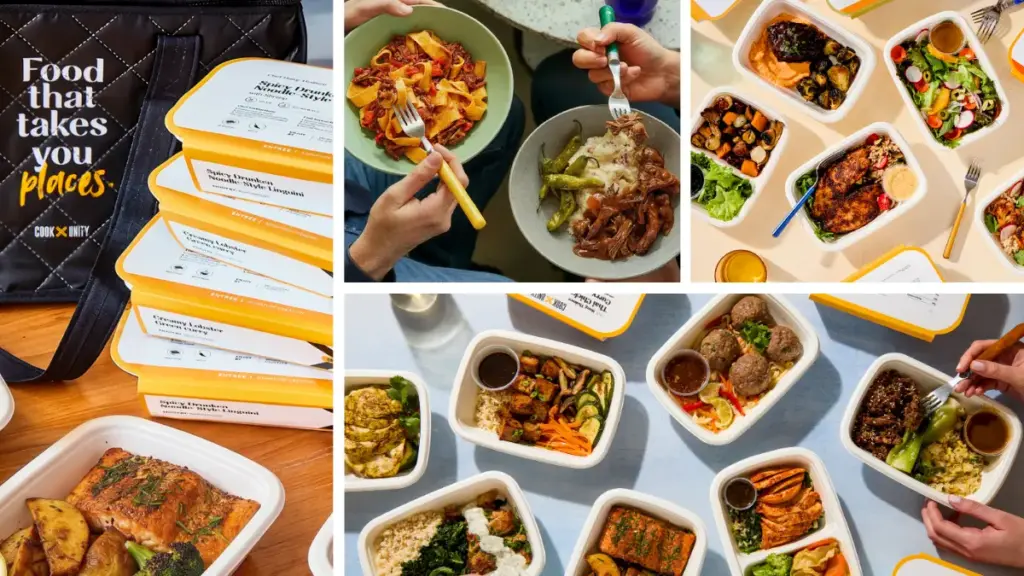
Among the contenders dominating this space, CookUnity has emerged as a formidable disruptor. Moving away from the traditional, centralized production facilities that characterize most meal services, CookUnity operates as a curated culinary marketplace. Independent professional chefs contribute their proprietary recipes, preparing dishes from decentralized regional kitchens designed to deliver restaurant-quality lunches and dinners straight to consumers’ doorsteps.
To evaluate whether this service lives up to its lofty marketing claims, we enlisted the expertise of Lizzy Briskin—a New York City-based trained chef, food writer, and former meal kit industry insider. Over the course of a rigorous, multi-day testing window during the peak heat of a July heatwave, Briskin examined a full week of CookUnity deliveries, evaluating the service across seven critical pillars: menu variety, ingredient sourcing, nutritional composition, taste profile, pricing value, logistical convenience, and customer support.
This comprehensive report synthesizes her findings, offering an authoritative look at how CookUnity operates, where it excels, and where it falls short for the modern consumer.
Detailed Chronology: A Week in the Life of a CookUnity Subscriber
Understanding a subscription-based food service requires examining the entire consumer journey, from initial digital onboarding to the final container scraped clean. Here is how a standard weekly cycle unfolds with CookUnity.
Phase 1: Digital Onboarding and the Paradox of Choice
The journey begins on CookUnity’s digital platform, which immediately confronts the user with an staggering catalog of more than 300 rotating weekly options. For a working professional or busy parent, the sheer volume of choices could be overwhelming if not for the platform’s robust filtering system.
Users can toggle dietary parameters such as high-protein, low-sodium, gluten-free, low-carb, and GLP-1-friendly. Even after applying stringent filters, the remaining menu pool remains impressively deep. Unlike competitors whose menus feel recycled every fortnight, CookUnity’s roster changes frequently.
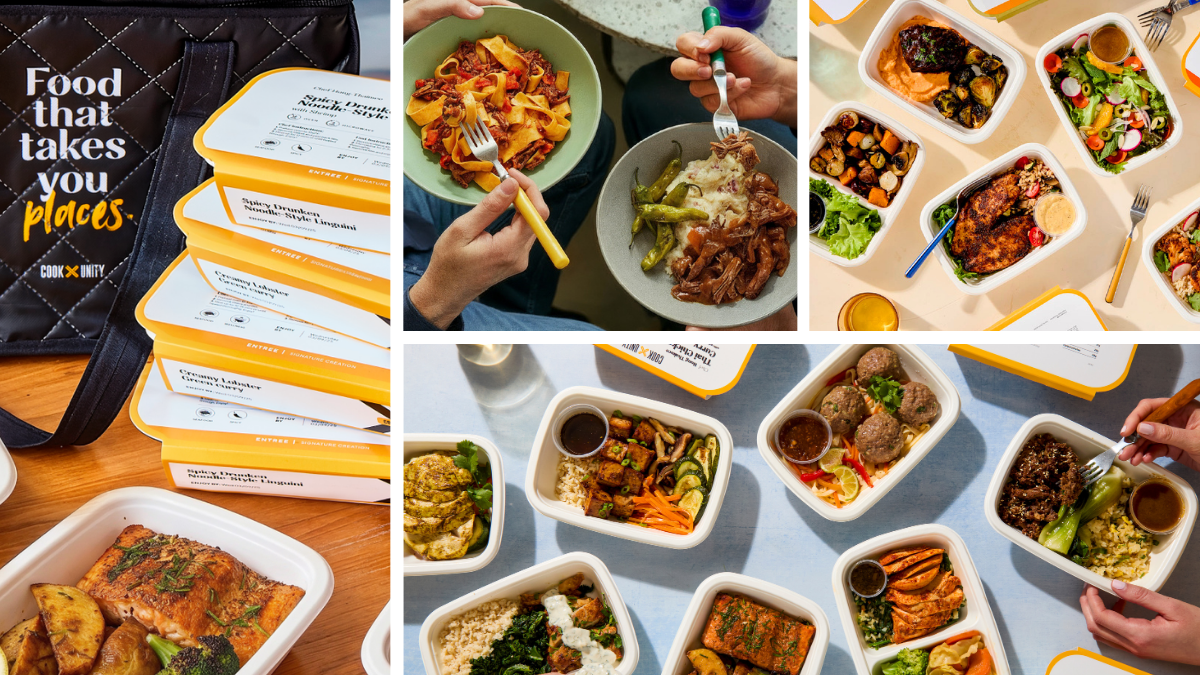
A standout feature during this phase is the hyper-transparency of each listing. Every dish is tied directly to its creator. For example, if a subscriber orders a Lemon-Garlic Salmon crafted by Chef Tony Perez, the platform makes it effortless to track down other creations by the same chef—such as Garlic Butter & Sriracha Shrimp—for the subsequent week. Furthermore, full nutritional breakdowns and exhaustive ingredient lists accompany every single menu item, empowering consumers to make medically or fitness-informed decisions before finalizing their cart.
Phase 2: Logistics, Delivery, and Thermal Integrity
The logistical backbone of any perishable meal delivery service faces its ultimate stress test during the dead of summer. CookUnity coordinates regional fulfillment through five distinct operational zones covering the vast majority of the United States (with minor gaps remaining in portions of the Midwest).
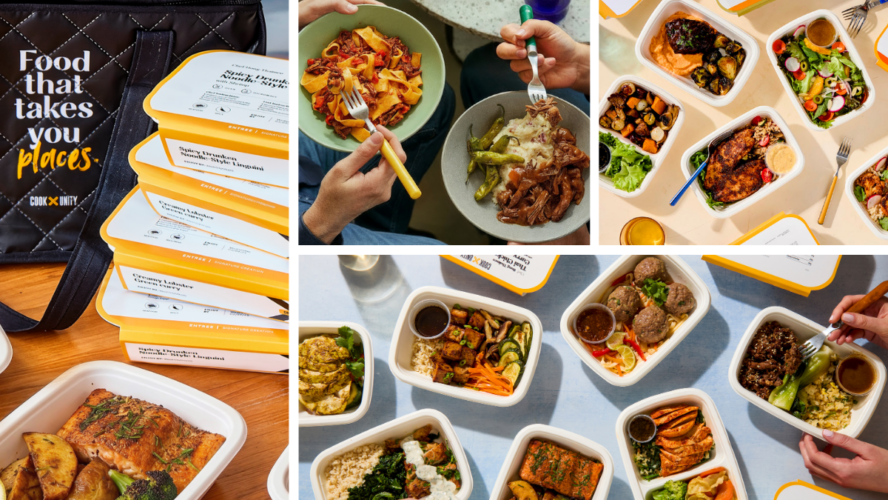
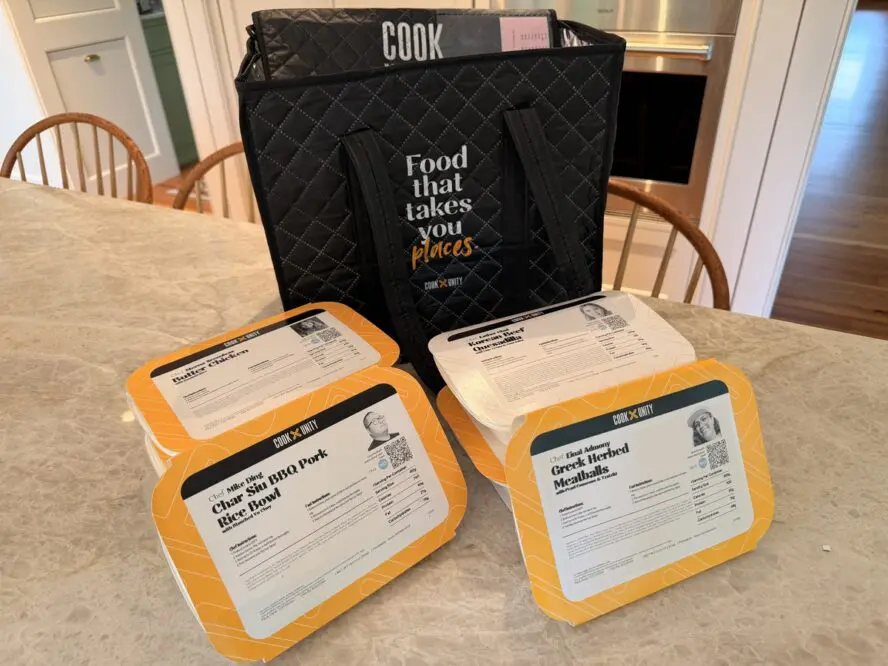
On the scheduled delivery day in late July—with outdoor ambient temperatures soaring past 90 degrees Fahrenheit—the consignment arrived on the reviewer’s doorstep. The packaging utilized a heavy-duty insulated liner packed with gel ice packs. Despite the punishing outdoor heat, the internal thermal environment of the delivery bag remained intensely cold. Unpacking the boxes revealed that the produce components retained their crisp, vibrant integrity, while the raw and partially prepped proteins remained thoroughly chilled, mitigating safety concerns associated with cold-chain logistics failures.
Phase 3: Unpacking and Storage Dynamics
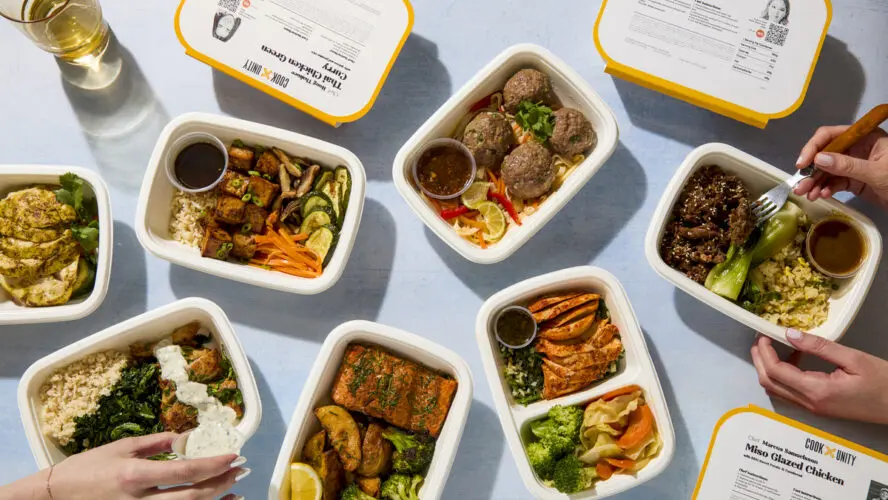
Once unpacked, the physical format of CookUnity’s meals becomes apparent. The food arrives in compartmentalized, microwave-safe trays housed in branded cardboard sleeves.
A vital operational reality noted during the review is the product shelf life. Depending heavily on the specific components of the dish—for instance, delicate seafood versus hearty vegetarian casseroles—CookUnity meals maintain peak freshness in the refrigerator for roughly four to seven days. While this window is more than adequate for most weekly schedules, it demands a degree of meal planning from consumers who frequently dine out or travel unexpectedly.
Phase 4: Preparation and Tasting Across the Week
Preparation is where CookUnity diverges sharply from traditional meal kits. There are no cutting boards, no julienned vegetables, and no sanitizing countertops. The instructions generally call for five minutes or less in a microwave, though oven or stovetop alternative methods are suggested for texture-sensitive items like quesadillas or burritos.
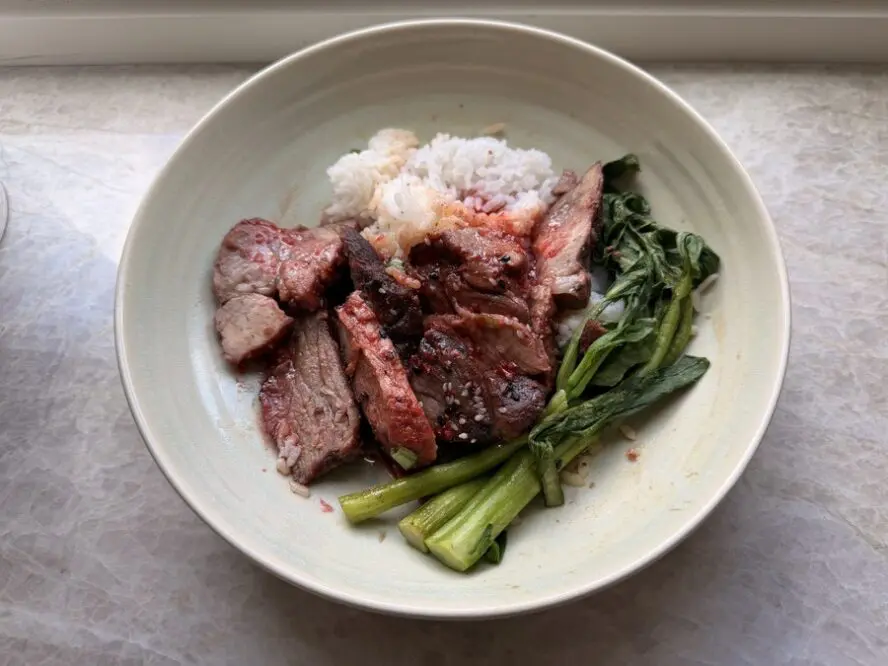
During the tasting phase, the distinction of professional chef intervention became immediately apparent. Complex reductions, deeply nuanced sauces, and nuanced spice blends elevated the meals far above standard frozen TV dinners. However, the decentralized chef marketplace model also introduces variability. While standout dishes like the Char Siu BBQ Pork Rice Bowl and Greek Herbed Meatballs delivered profound depth of flavor, certain dishes suffered minor textural compromises from microwaving (such as slightly rubbery proteins), while others fluctuated in sodium balance.
Supporting Context & Metrics
To provide an objective framework for our evaluation, Chef Lizzy Briskin graded CookUnity across seven distinct performance metrics. The aggregated findings are detailed in the metrics matrix below.
| Evaluation Criteria | Score (Out of 10) | Qualitative Notes & Operational Observations |
|---|---|---|
| Menu Variety & Customization | 9.0 | Features 300+ weekly options, highly accurate dietary filters, and genuine culinary diversity driven by independent chef contributions. |
| Food Quality & Sourcing | 7.0 | Ingredients are fresh and vibrant upon arrival, but the platform lacks overarching transparency or mandates regarding organic sourcing. |
| Nutritional Value | 7.5 | Comprehensive macro and micro-nutritional data is provided; however, certain chef recipes skew heavily on sodium content. |
| Taste & Preparation | 7.5 | Delivers genuine restaurant-quality depth in sauces and seasonings, though consistency fluctuates across different independent chefs. |
| Price & Value | 6.5 | Competitively priced for the prepared meal category ($10.99–$13.99 per meal), but represents a premium compared to home cooking. |
| Convenience & Delivery | 8.0 | Highly reliable cold-chain logistics, flexible scheduling, and virtually zero kitchen prep, though geographic service gaps persist. |
| Customer Service | 8.0 | Responsive digital support channels via email and live chat make subscription pauses and issue resolution hassle-free. |
Financial Architecture and Pricing Tiers
CookUnity operates on a flexible recurring subscription model. Depending on the volume of meals ordered per week—ranging from compact 4-meal plans up to robust 16-meal family tiers—individual meal costs generally hover between $10.99 and $13.99, with volume discounts applying to larger orders. Shipping remains free across the vast majority of subscription tiers.
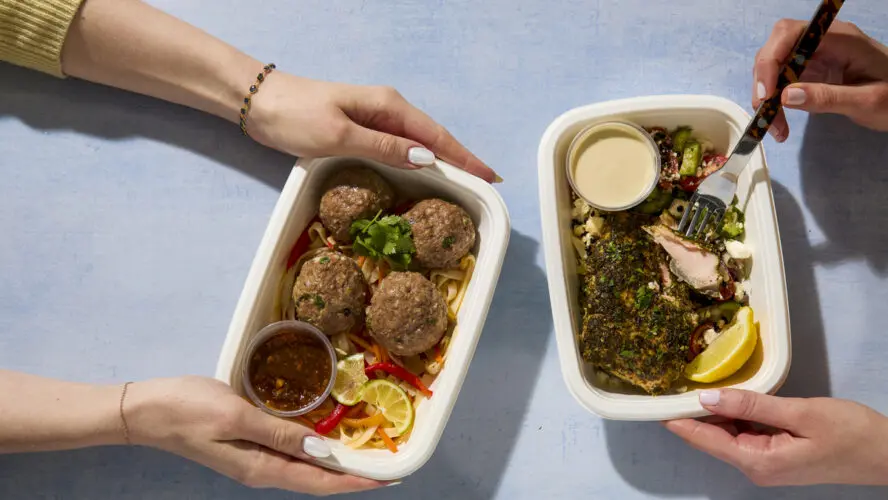
While these price points place CookUnity firmly in the premium service category—making it significantly more expensive than grocery shopping and cooking from scratch—they remain highly competitive when benchmarked against fast-casual dining or food delivery apps like DoorDash and UberEats.
Official Statements and Industry Insights
The ascent of marketplace-style meal delivery services like CookUnity reflects a broader structural shift in consumer behavior. Industry analysts point to the post-pandemic acceleration of the "at-home economy," where consumers increasingly demand restaurant-grade experiences without the associated labor or hospitality markups.
In promotional and corporate statements, CookUnity emphasizes its mission to empower culinary artists. By bypassing the limitations of a single corporate kitchen, the platform allows regional chefs to build personal brands, experiment with authentic global cuisines, and scale their culinary output without the massive capital expenditures required to open a traditional brick-and-mortar restaurant.
Independent culinary experts validate this value proposition, noting that the psychological barrier to healthy eating is rarely a lack of desire, but rather the friction of execution. As Chef Briskin observed in her evaluation:
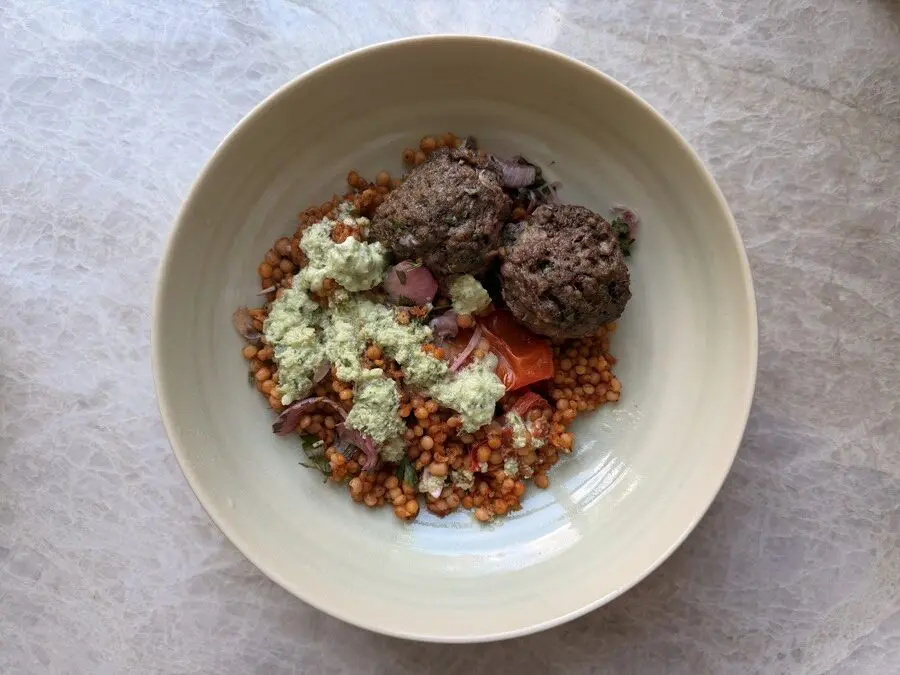
"With CookUnity, I could really taste that a restaurant chef created the dish. I found the sauces and condiments were deep and complex, the proteins were nicely seasoned, and the vegetables were delicately prepared."
Furthermore, addressing the operational realities of climate-controlled transit during peak summer months, customer feedback underscores the effectiveness of the company’s packaging engineers. As noted in the review:
"Despite the 90-plus degree day, my meals arrived cold and in good condition. The veggies were still crisp and colorful, and the proteins were moist and tender."
Future Outlook: Is CookUnity the Right Fit for You?
As the meal delivery market matures, services like CookUnity occupy a distinct sweet spot between the active labor of meal kits and the nutritional compromises of traditional frozen meals.
The Verdict: Pros and Cons
The Pros:
- Exceptional Variety: Access to over 300 weekly rotating dishes ensures palate fatigue is virtually nonexistent.
- True Culinary Craft: Independent chef recipes offer complex flavor profiles far superior to mass-produced convenience foods.
- Effortless Convenience: Fully prepared meals require zero prep work and heat in under five minutes.
- High Flexibility: Subscriptions allow effortless pausing, skipping, and customized delivery scheduling.
- Granular Data: Detailed nutritional filters support specialized diets, from high-protein fitness regimens to GLP-1-friendly plans.
The Cons:
- Consistency Variance: Because meals are crafted by dozens of independent chefs, quality and seasoning can occasionally fluctuate from dish to dish.
- Sourcing Transparency: The lack of standardized organic sourcing may deter consumers who prioritize farm-to-table traceability.
- Cost Factor: Premium pricing makes it a luxury compared to traditional home cooking.
- Shelf Life Limits: Refrigerated fresh meals require consumption within 4 to 7 days.
- Geographic Limits: Delivery zones, while expansive, do not yet cover 100% of the United States.
Final Takeaway
CookUnity does not aim to replace home cooking entirely, nor is it engineered for the budget-conscious shopper seeking bare-minimum grocery expenditures. Rather, it is a sophisticated, highly convenient tool designed for busy professionals, working parents, and culinary enthusiasts who value their time and refuse to compromise on flavor.
For those who find themselves regularly relying on costly takeout apps or struggling to assemble nutritious dinners after exhausting workdays, CookUnity represents a worthy, flavor-forward investment. Over time, subscribers learn to curate their menus around their preferred chefs, turning a generic subscription into a personalized culinary service.
For readers interested in testing the platform firsthand, CookUnity offers an exclusive incentive: new subscribers can secure 50% off their first week by applying the promo code Organic50 at checkout.



