

By Z. S.
Published in CleanTechnica
Executive Overview
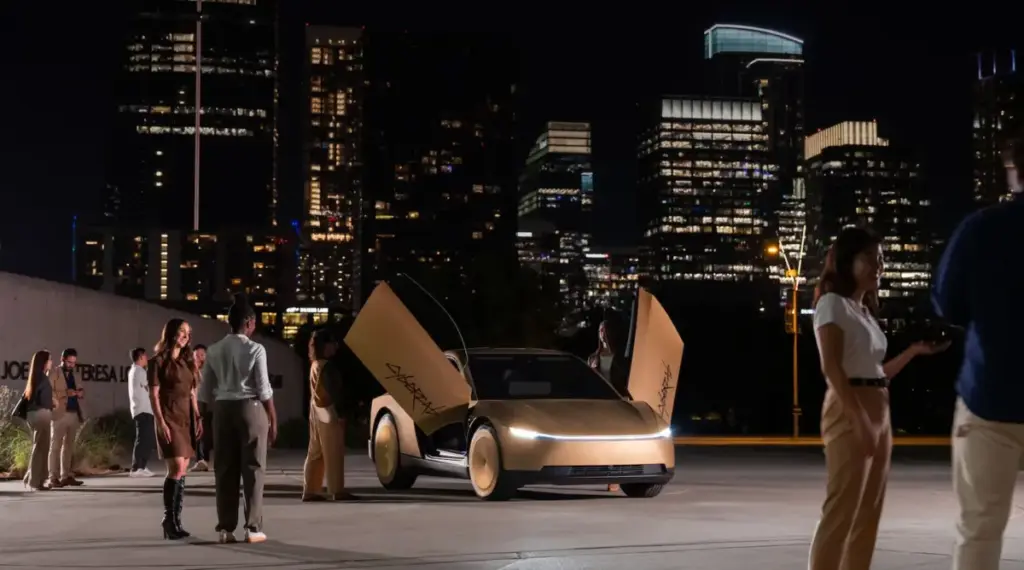
The long-anticipated horizon of autonomous ride-hailing has finally broken, bringing with it a wave of both technological fascination and profound regulatory questions. Tesla has officially initiated the rollout of its dedicated autonomous vehicle, the Cybercab, with an initial fleet of a few dozen vehicles hitting the public tarmac in Austin, Texas.
For years, the automotive industry, tech analysts, and everyday consumers have debated the viability of Tesla’s camera-only approach to Full Self-Driving (FSD), watching from the sidelines as competitors utilizing LiDAR and heavily mapped geofenced zones secured early leads in cities like San Francisco, Phoenix, and Austin. Now, Tesla has crossed the Rubicon. The launch of the Cybercab marks a definitive shift from speculative roadmaps and investor presentations to operational reality.
However, as is typical with Tesla’s aggressive deployment strategies, the immediate aftermath of the launch leaves as many questions as it answers. While the physical presence of Cybercabs on Austin streets is an undeniable milestone, the medium-term trajectory of the service—ranging from regulatory hurdles and fleet scaling to passenger adoption and profitability—remains shrouded in uncertainty. This report examines the facts currently on the table, evaluates the technological and market implications of the deployment, and explores what the future may hold as Tesla enters the ultra-competitive robotaxi arena.
Detailed Chronology: From Concept to Asphalt
To understand the weight of the Austin rollout, it is essential to contextualize the journey that brought the Cybercab from a designer’s sketchpad to an operational autonomous fleet.
The Vision Takes Shape
Tesla’s ambitions for a dedicated robotaxi platform date back well over half a decade, famously outlined in CEO Elon Musk’s "Master Plan Part Deux" in 2016. For years, the narrative surrounding Tesla’s autonomous future suggested a dual approach: private vehicles operating as part of a shared "Tesla Network" when not in use by their owners, alongside purpose-built, steering-wheel-free vehicles designed explicitly for commercial ride-hailing.
As the years progressed, the timeline shifted repeatedly. Traditional automotive analysts remained deeply skeptical, pointing to the immense regulatory, legal, and engineering barriers associated with removing traditional driver controls. Despite these headwinds, Tesla continued to iterate on its neural network architecture, shifting away from radar and ultrasonic sensors to embrace a purely vision-based hardware suite (Tesla Vision).
The Unveiling and Rapid Iteration
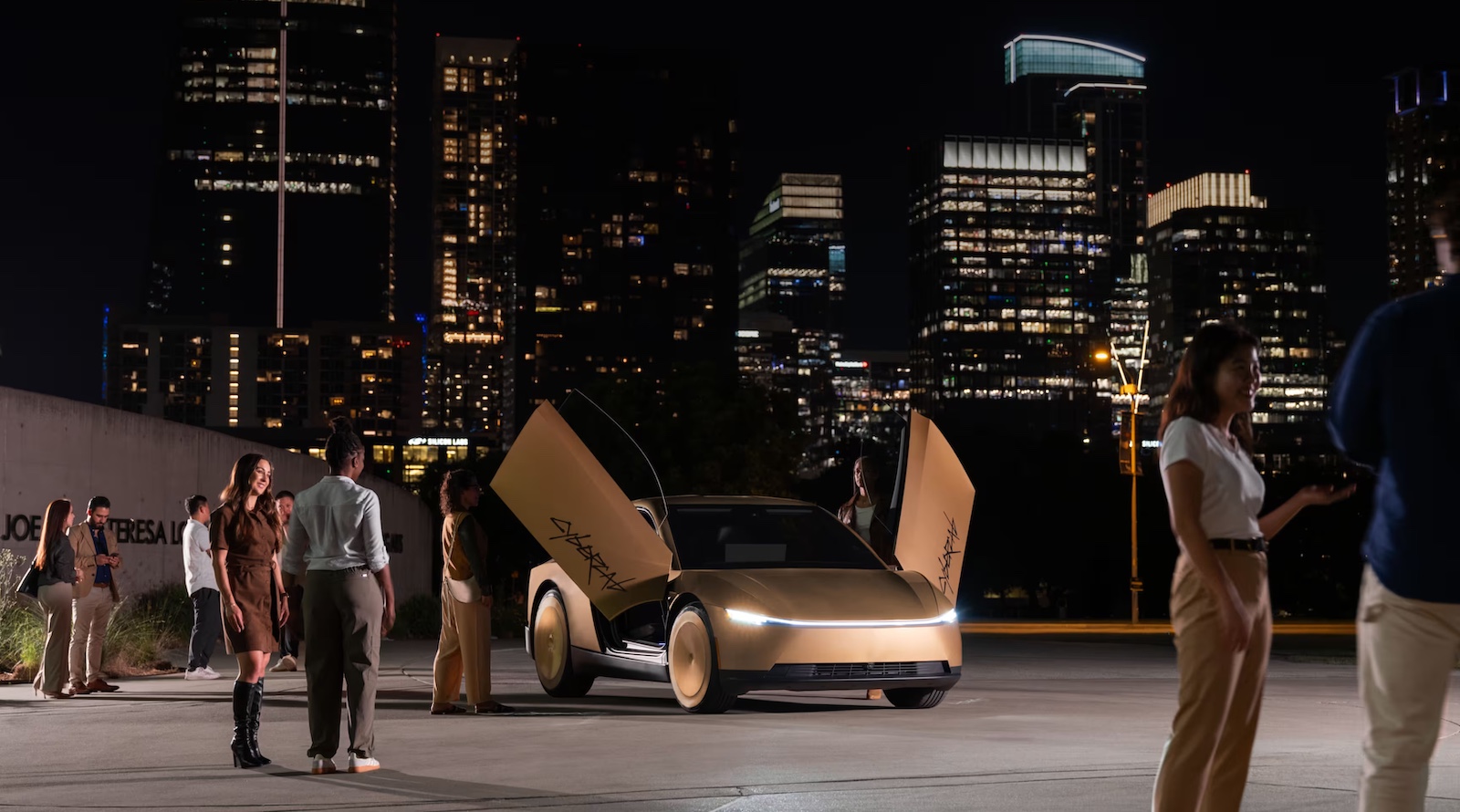
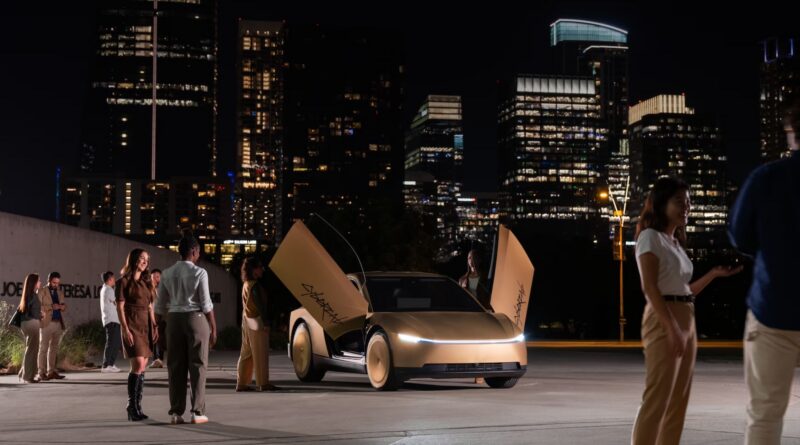
The formal unveiling of the Cybercab captured global headlines, showcasing a futuristic, two-door vehicle characterized by sleek aerodynamics, gull-wing-inspired or optimized entry portals, and a notable absence of steering wheels and pedals. The design signaled a radical departure from traditional automotive interiors, doubling down on the premise that human intervention would no longer be part of the equation.
Following the reveal, the industry held its collective breath, anticipating the arduous process of prototype validation, safety testing, and regulatory approvals. Yet, true to form, Tesla’s path from prototype showcase to active deployment compressed a timeline that typically takes legacy original equipment manufacturers (OEMs) half a decade into a remarkably tight window.
Boots on the Ground in Austin
The operational reality materialized abruptly in Austin, Texas, where a localized fleet of roughly a few dozen Cybercabs has begun accepting fares. The choice of Austin is strategic; Texas has long maintained a progressive, highly accommodating regulatory environment for autonomous vehicle testing and deployment, avoiding the cumbersome, state-by-state patchwork of bureaucratic approvals that has slowed competitors elsewhere.
Currently, the footprint of the operational fleet is limited, serving specific zones within the Texas capital. The vehicles operate under strict observation by Tesla’s engineering teams, gathering real-world telemetry data, navigating unpredictable Texas traffic, and interacting with pedestrians, cyclists, and human-driven vehicles in dynamic urban environments.
Supporting Context & Metrics: The Technology and the Market
The deployment of the Cybercab cannot be viewed in a vacuum. It represents the convergence of artificial intelligence, manufacturing scale, and shifting urban mobility paradigms.
The Hardware and Software Architecture
Unlike competing robotaxi firms such as Alphabet’s Waymo or Amazon’s Zoox—which rely on an expensive, redundant sensor suite combining LiDAR, radar, high-definition (HD) cameras, and ultra-precise pre-mapped HD geofences—Tesla has committed entirely to a vision-based neural network.
- The Vision Suite: The Cybercab relies on high-resolution cameras positioned strategically around the vehicle’s exterior, feeding visual data into Tesla’s custom-designed AI inference computers.
- End-to-End Neural Nets: Tesla’s recent iterations of its FSD software utilize end-to-end neural networks, where video clips enter the system and controls (steering, braking, acceleration) emerge. This mimics human cognitive processing rather than relying strictly on hard-coded rules.
- Cost Efficiency: By eliminating expensive LiDAR sensors and proprietary mapping dependencies, Tesla aims to achieve a dramatically lower bill of materials (BOM) per vehicle. This cost advantage is theoretically what will allow the company to undercut competitors on ride-hailing fares while maintaining healthy margins.
The Competitive Landscape
The Austin deployment places Tesla in direct competition with entrenched incumbents. Waymo, for instance, has logged tens of millions of commercial driverless miles across multiple major metropolitan areas, establishing a strong safety record and building deep consumer trust. Furthermore, traditional ride-hailing giants like Uber and Lyft have continually adapted, partnering with autonomous fleet operators to ensure they remain the dominant software interfaces for urban mobility.
Tesla’s entry disrupts this delicate equilibrium. By owning both the vehicle manufacturing pipeline and the autonomy software stack, Tesla is positioned to operate as a vertically integrated transportation network. However, the company faces an uphill battle in proving that its camera-only approach can match or exceed the safety thresholds established by multi-sensor systems, particularly in adverse weather conditions or edge-case driving scenarios.
Official Statements and Industry Reception
Reactions to the Cybercab launch have been sharply polarized, reflecting the broader debate surrounding Tesla’s technological philosophy.
Inside the Tesla Ecosystem
Leadership at Tesla has long framed autonomy as an existential transition—transforming the company from a traditional hardware manufacturer into an AI and robotics powerhouse. Company executives have repeatedly emphasized that the scaling of the Cybercab fleet will unlock unprecedented economic value for vehicle owners and shareholders alike.
In official communications surrounding the rollout, the emphasis has been placed on data acquisition and iterative safety validation. Tesla engineers note that every mile driven by the initial Austin fleet provides millions of neural network training parameters, accelerating the system’s edge-case handling capabilities exponentially faster than simulated testing ever could.
External Skepticism and Regulatory Scrutiny
Conversely, independent safety advocates and regulatory watchdogs have expressed cautious concern over the speed of the deployment. Critics argue that public roads should not serve as testing grounds for unproven Level 4 or Level 5 autonomous systems, particularly given the historical scrutiny surrounding Tesla’s branding and execution of its Driver Assist features.
Transport economists and urban planners have also raised questions regarding urban congestion. While robotaxis promise to reduce private vehicle ownership rates over the long term, an influx of cheap, automated ride-hailing vehicles could inadvertently exacerbate inner-city traffic congestion if not properly regulated or integrated into existing public transit networks.
Future Outlook: Where Does the Cybercab Go From Here?
As the initial dust settles on the Austin launch, the critical question remains: Where does the robotaxi service go from here?

Scaling Challenges and Manufacturing Realities
Deploying a few dozen vehicles in a friendly regulatory market is a manageable feat; scaling that fleet to thousands of vehicles across multiple states and international jurisdictions is an entirely different mountain to climb. Tesla must demonstrate that it can mass-produce the Cybercab efficiently at its gigafactory facilities without sacrificing build quality or sensor calibration standards.
The Regulatory Maze
Texas provided a soft landing pad for the Cybercab’s maiden voyage, but expanding into states with stringent, adversarial regulatory frameworks—such as California or international markets in Europe and Asia—will require overcoming significant bureaucratic friction. Regulators will demand transparent safety data, verifiable fail-safe mechanisms, and clear frameworks for legal liability in the event of an incident.
The Economic Model
Ultimately, the success of the Cybercab will be judged by its unit economics. Can Tesla deliver rides at a cost per mile that undercuts traditional car ownership and human-driven rideshare options, all while turning a profit? If the economics hold up, the deployment in Austin will be remembered as the historic spark that fundamentally re-engineered modern transportation. If technical roadblocks or regulatory walls stall the rollout, the Cybercab risk being viewed as a premature technological marvel ahead of its time.
We will continue to monitor developments closely as the Austin fleet logs its first hundred thousand miles. As always, if there are critical angles, regulatory updates, or operational shifts missed in this initial assessment, the conversation remains wide open.



