

Executive Overview
Beneath the rugged tectonic fault lines of the Rocky Mountains, the Sierra Nevada, and the arid basins spanning the American West lies a vast, untapped power plant. Far from relying on finite fossil fuels, this subterranean energy is generated by the residual heat of the Earth’s core, forced close to the surface by millions of years of continental shifting and tectonic collision.
Today, this geological furnace is sparking a major industrial renaissance. An aggressive wave of next-generation geothermal energy companies is preparing to drill miles into the Earth’s crust to harvest heat for round-the-clock, zero-emission electricity. This resurgence is fueled by a combination of advanced drilling technologies adapted from the oil and gas sector and an unexpected, insatiable new customer base: energy-hungry artificial intelligence and cloud computing data centers.
Tech behemoths, desperate to power massive server farms while fulfilling aggressive corporate climate pledges, have found geothermal to be a compelling alternative to wind and solar. Unlike variable renewables that rely on favorable weather conditions, geothermal provides reliable, baseload power around the clock. High-profile agreements—such as Google’s multi-megawatt procurement deals in Utah and Meta’s infrastructure investments in New Mexico—are reshaping the energy landscape of the Mountain West.
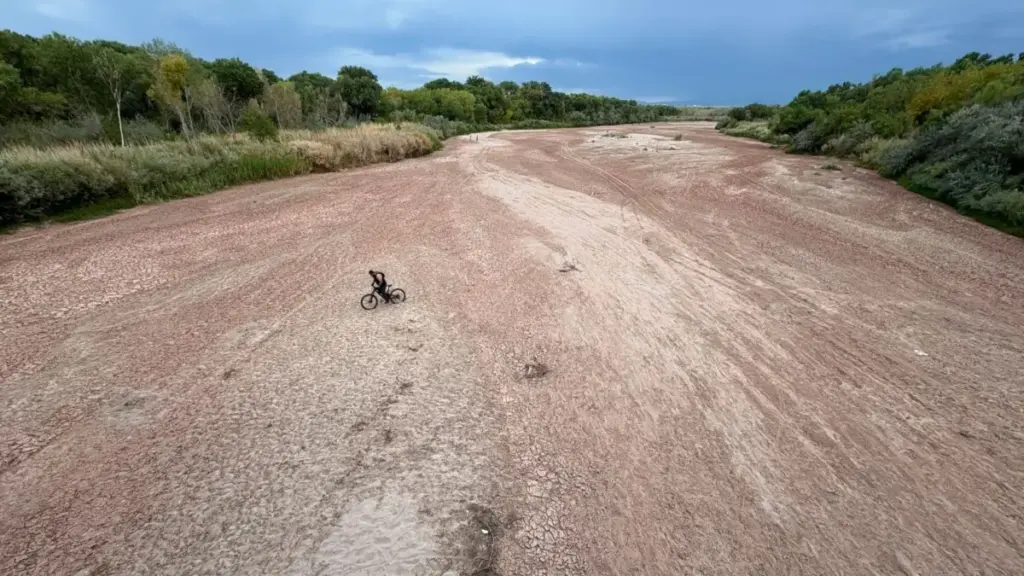
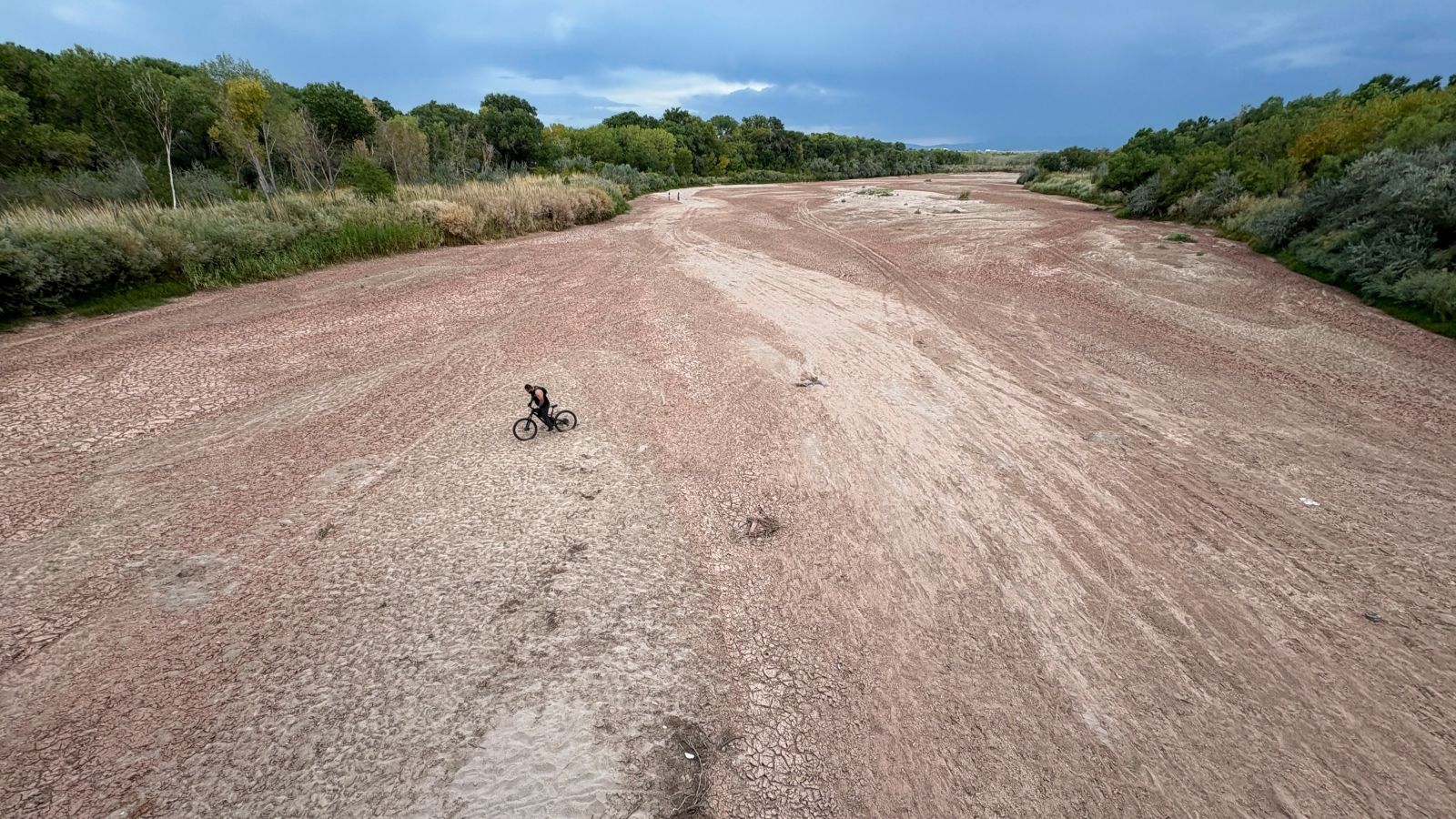
Yet, this emerging symbiotic relationship between Big Tech and geothermal energy faces a formidable, paradoxical obstacle: water. Most advanced geothermal systems require substantial quantities of water to extract and transfer heat to the surface. In the drought-plagued Western states where these projects are anchored, this liquid lifeline is already scarce. Furthermore, the data centers themselves consume millions of gallons of water daily for cooling. As developers grapple with balancing aggressive clean energy goals against fragile regional watersheds, the industry stands at a critical technological and environmental crossroads.
Detailed Chronology: The Evolution of Modern Geothermal
To understand the current geothermal boom, it is necessary to examine the technological breakthroughs and corporate milestones that transformed the sector from a niche energy source into a multi-billion-dollar frontier.
The Traditional Era and Its Geographic Limits
For decades, geothermal energy was restricted to a few unique pockets of the globe where nature had engineered a specific trifecta: intense underground heat, permeable rock formations, and abundant subsurface water. Traditional geothermal facilities operated much like artificial hot springs. Developers drilled deep wells into subterranean reservoirs, bringing super-heated water to the surface. This fluid either flashed directly into steam or transferred its heat to a secondary working fluid, which then expanded to spin an electricity-generating turbine before being reinjected into the ground. Because these natural conditions were rare, geothermal deployment remained geographically constrained.
The Oil and Gas Cross-Pollination
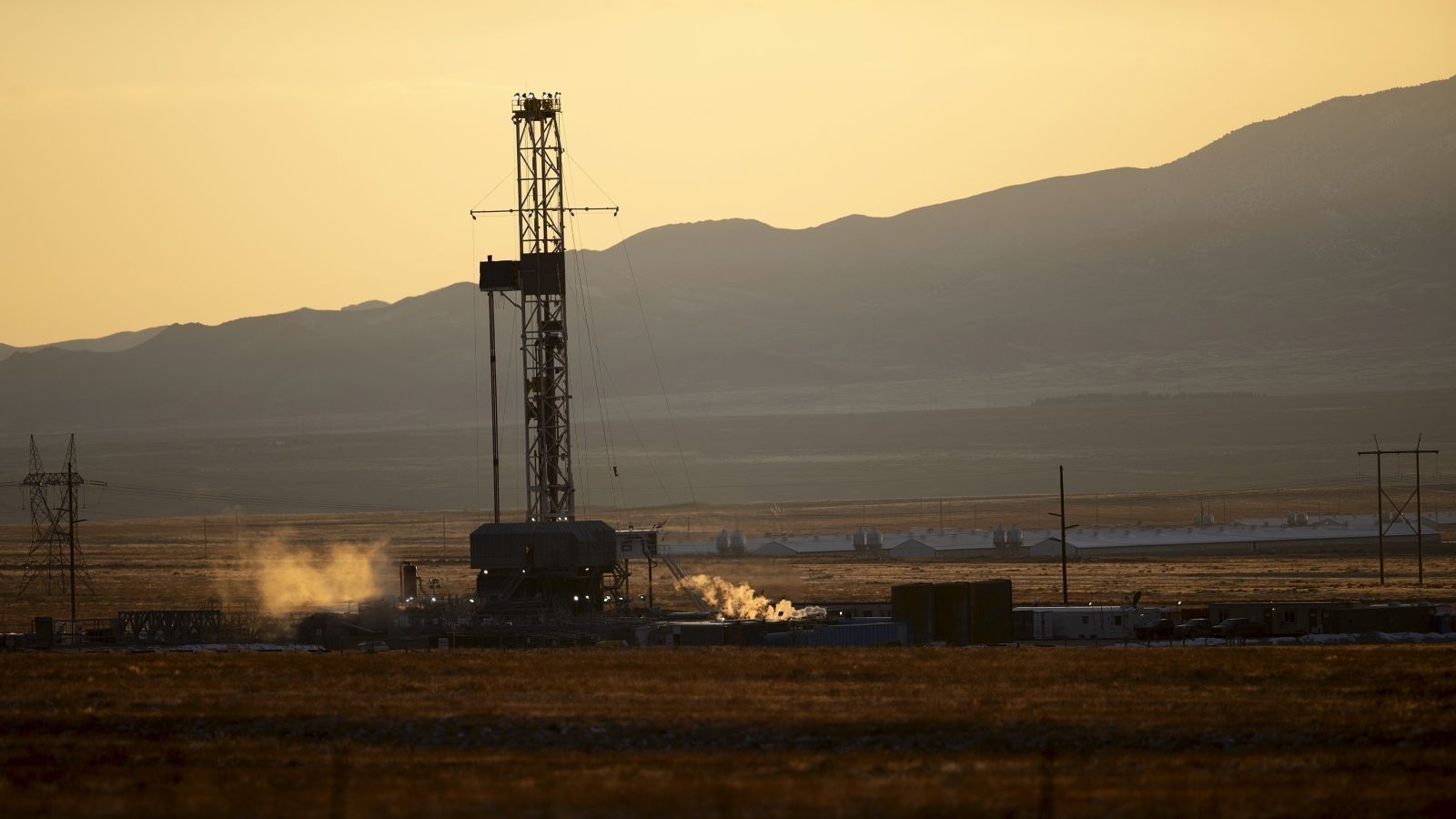
The turning point for the industry arrived in the 2010s and early 2020s, when clean-energy entrepreneurs began borrowing heavily from the hydraulic fracturing (fracking) and horizontal drilling playbooks perfected by the oil and gas industry. This approach—known as Enhanced Geothermal Systems (EGS)—allowed engineers to bypass nature’s limitations. By injecting high-pressure fluids into hot, impermeable dry rock, companies could artificially fracture the earth and manufacture their own subterranean reservoirs.
This technological leap broke open vast new territories across the Mountain West, making deep-earth energy accessible far beyond traditional hydrothermal zones.
The Tech-Sector Influx (2024–2026)
As the generative artificial intelligence boom triggered an unprecedented surge in data center construction, technology companies faced a severe power bottleneck. Grid capacities were stretched thin, and traditional renewable buildouts struggled to provide the uninterrupted "firm" power required by servers operating 24/7.
- Early 2024: California utility regulators, recognizing the unreliability of solar-and-battery portfolios during evening demand peaks, mandated that energy providers procure 1 gigawatt of clean, firm power by 2026. This mandate catalyzed early major offtake agreements, such as contracts with Fervo Energy’s upcoming facilities.
- Mid-2025: Meta signed landmark agreements with advanced geothermal start-ups in New Mexico, prioritizing closed-loop systems designed to operate without depleting local aquifers.
- Late 2025 to Mid-2026: Google finalized a massive clean-energy agreement to purchase 396 megawatts from Fervo’s Cape Station facility in southwest Utah, marking one of the largest corporate geothermal procurements in history. Concurrently, federal lease auctions in the Mountain West shattered previous records, with developers submitting unprecedented per-acre bids for public lands.
Supporting Context & Metrics: The Water-Energy Nexus
The intersection of geothermal energy and data center expansion has brought an intense focus to a critical resource constraint: water availability.
Comparing Geothermal Technologies
The geothermal industry is currently divided into competing technological philosophies regarding water usage:
- Enhanced Geothermal Systems (EGS): By fracturing dry rock and circulating water through it, EGS operations inevitably lose a portion of their fluid underground. While early pioneer projects like Fervo’s Project Red in Nevada reported losing up to 30 percent of injected water, newer iterations like Cape Station have lowered projected losses. However, even low loss rates (such as 5 percent) can translate to millions of gallons consumed daily when scaled.
- Closed-Loop Systems: Pioneered by firms like XGS Energy in New Mexico, closed-loop designs circulate working fluids through a sealed network of continuous pipes. Heat is transferred via specialized conductive materials lining the pipes, allowing the system to recycle the same fluid indefinitely without atmospheric evaporation or subterranean seepage.
The Scale of the Challenge
While closed-loop systems offer superior water conservation, petroleum engineering experts caution that they often lag behind EGS in terms of power output and well lifespan. Conversely, high-output EGS projects pose staggering resource demands if scaled to meet massive industrial loads.
Consider the recent proposals by major software enterprises. When Oracle proposed developing up to 2 gigawatts of new renewable generation—potentially incorporating geothermal—to offset the climate impact of a massive new data center in New Mexico, researchers at the government geothermal laboratory Utah FORGE ran the numbers.
According to rough calculations by Kristie McLin, principal investigator at Utah FORGE, supplying a 2-gigawatt load entirely through conventional EGS could consume approximately 42 million gallons of water per day. To put that figure in perspective, it represents roughly half of the average daily municipal water demand of Albuquerque, New Mexico.
+-------------------------------------------------------------------------+
|                  PROJECTED DAILY WATER CONSUMPTION METRICS               |
+------------------------------+------------------------------------------+
| Metric                       | Estimated Volume / Impact                |
+------------------------------+------------------------------------------+
| 2 GW EGS Power Requirement   | ~42 Million Gallons / Day                |
| Equivalent Municipal Use     | ~50% of Albuquerque's Daily Demand       |
| Fervo Project Red Loss Rate  | Up to 30% of Injected Fluid              |
| Fervo Cape Station Loss Rate | Projected < 5% via Advanced Design       |
+------------------------------+------------------------------------------+
Official Statements and Industry Perspectives
The tensions between rapid tech-sector expansion, environmental conservation, and geological engineering have prompted candid assessments from industry leaders, researchers, and policy analysts.
-
Wilson Ricks, Clean Air Task Force: Emphasizing the necessity of baseload power for digital infrastructure, Ricks noted:
"A lot of these companies have clean power goals, though they are not firm goals when other factors are on the line. Constant power, the kind that geothermal can provide, is really key to supplying data center growth as cleanly as possible, and specifically for providing an alternative to just building lots of gas turbines."
-
Kristie McLin, Utah FORGE: Highlighting the logistical hurdles facing arid-region deployment, McLin warned:
"This is a real problem that the industry absolutely needs to try to figure out. When it’s additive and all your other water sources are already allocated to other uses, it can be challenging to find the volume of water you need to start up and sustain enhanced geothermal."
-
XGS Energy Corporate Statement: Defending the operational scalability of their closed-loop architecture amid multi-decade regional droughts, the company stated:
"For geothermal to broadly scale across the United States, communities need geothermal systems that actively conserve water. This design enables us to develop in more locations across the West, and consistently win competitive contracts."
-
Mike O’Connor, Mountain West Geothermal Consortium: Pointing to the long-term viability of the sector beyond the immediate technology boom, O’Connor observed:
"There was an argument for geothermal power before data centers, and there will be an argument for geothermal power after these data centers are built."
Future Outlook: Navigating the Geothermal Frontier
As the American West moves toward the latter half of the 2020s, the future of geothermal energy hinges on innovation, regulatory adaptation, and financial engineering.
Overcoming Technical and Financial Hurdles
Beyond water constraints, geothermal developers continue to navigate complex hurdles involving transmission line access, subsurface geological unpredictability, and high upfront capital expenditure costs. Because geothermal projects combine the high-risk exploratory drilling characteristics of the oil and gas sector with the capital-intensive infrastructure buildout of electrical utilities, securing early-stage investment has historically been difficult. While Big Tech’s financial backing has significantly alleviated these pressures, researchers like Mike O’Connor are actively developing novel funding and risk-mitigation frameworks to sustain long-term growth.
Innovation in the Field
At research hubs like Utah FORGE—situated adjacent to Fervo’s Cape Station in Utah—scientists are aggressively testing engineering adjustments designed to minimize fluid loss. By optimizing well-spacing layouts, experimenting with brackish and non-potable groundwater supplies rather than municipal sources, and refining hydraulic recovery techniques, the scientific community aims to prove that high-performance geothermal can coexist with fragile desert ecosystems.
A Permanent Pillar of the Clean Grid
Ultimately, the stakes extend far beyond powering the next generation of artificial intelligence servers. State-level mandates, such as California’s statutory requirement to achieve 100 percent clean electricity by 2045, demand a reliable, non-fossil baseload to bridge the intermittency gaps left by solar, wind, and battery storage.
If engineers can successfully resolve the water-consumption paradox through closed-loop advancements and enhanced fluid recovery, deep-earth geothermal is poised to graduate from a regional energy curiosity into the foundational bedrock of the North American power grid.



