

Executive Overview
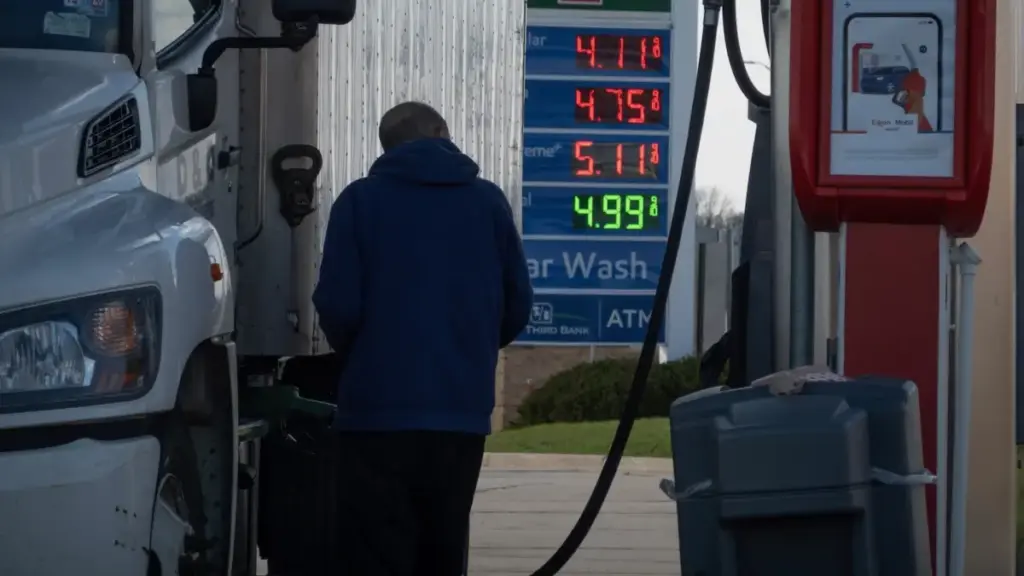
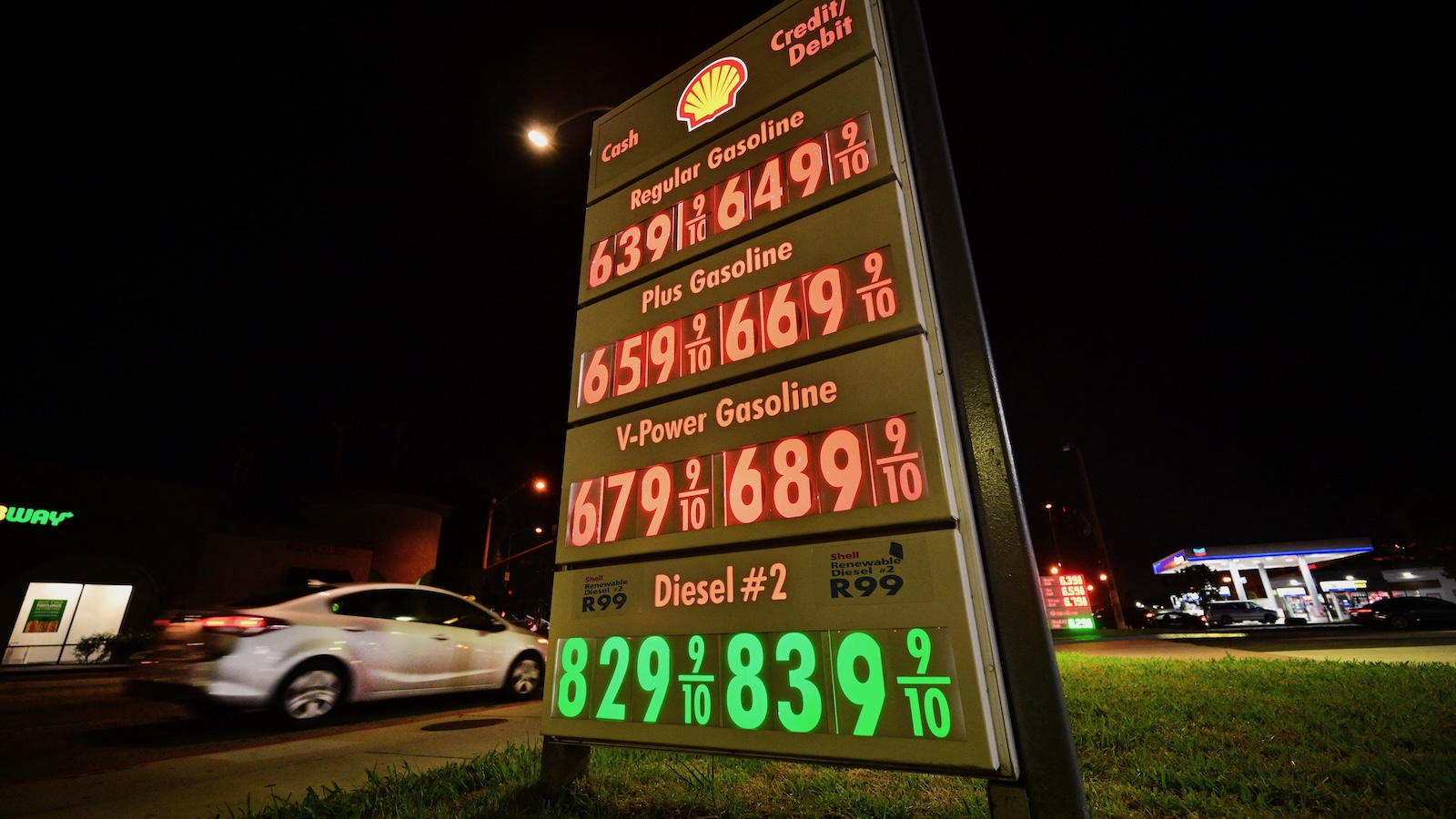
The American economy is facing an unprecedented energy bottleneck. Driven by surging geopolitical tensions and an ongoing conflict with Iran, diesel prices have smashed records day after day, reaching a staggering national average of $6.52 per gallon, according to data from AAA. Because diesel is the lifeblood of the nation’s logistics, manufacturing, and agricultural sectors, this nearly 80 percent spike in fuel costs since the outbreak of hostilities has triggered a cascading economic crisis. Every American household has absorbed the shock, with estimates showing a direct cost of nearly $400 per family—equating to more than $51 billion nationwide.
Amid mounting public distress and empty pumps at select service stations across the country, political pressure has boiled over into an intense debate over free-market economics versus government intervention. President Donald Trump has officially endorsed a ban on diesel exports, echoing populist calls from high-profile lawmakers who argue that keeping refined fuel within domestic borders will immediately ease the burden on American truckers, farmers, and consumers.
However, the proposal has sparked a fierce schism across political and economic lines. While energy analysts, major oil lobbies, and free-market advocates warn that an export ban would backfire—disrupting global supply chains, slashing domestic refinery production, and ultimately inflating prices even further—proponents and consumer advocates argue that targeted restrictions or outright bans are vital emergency measures. As Washington grapples with this contentious debate, the fundamental question remains: Can government intervention protect the American consumer, or will it destabilize an already volatile global energy market?
Detailed Chronology: How the Diesel Crisis Unfolded
The Spark: The U.S.-Iran Conflict
The roots of the current crisis trace back to the escalation of military conflict earlier this year, when the United States and Israel launched a joint campaign against Iran. As military actions disrupted vital shipping lanes and energy infrastructure in the Middle East, global petroleum supplies tightened dramatically. While standard retail gasoline experienced sharp increases, refined distillate products—chiefly diesel—suffered a catastrophic supply shock.
The September Surge
Throughout the current month, the crisis transitioned from a steady climb into a parabolic spike. Diesel prices have hit record highs on an almost daily basis. September alone has witnessed an increase of nearly $1.00 per gallon, culminating in the AAA-reported national average of $6.52 per gallon on Tuesday. Regional shortages quickly followed, with drivers reporting isolated gas stations running entirely out of diesel inventory, threatening the immediate continuity of regional supply chains.
Presidential Intervention and Political Realignment
The tipping point in Washington arrived when President Trump, speaking from the sidelines of the United Nations General Assembly in New York, openly threw his weight behind a ban on outbound diesel shipments. "I’ve said let’s not send out the diesel," Trump told reporters, adding that he had formally called for the measure among his administration officials.
Trump’s stance immediately energized a faction of Midwestern and agricultural-state Republicans who have long championed domestic protectionism over unfettered global trade. Senator Chuck Grassley of Iowa took to social media to draw a sharp parallel to existing technology controls, writing on X (formerly Twitter): "If our govt can embargo chips to China it can embargo diesel to help American farmers & truckers." Representative Ashley Hinson (R-Iowa) echoed these sentiments, while Senate Majority Leader John Thune of South Dakota expressed cautious willingness to evaluate the strategy, noting, "If that would take pressure off of prices, I’m open to exploring it."
Supporting Context & Metrics: The True Cost of the Crunch
To understand why the diesel debate carries such massive political and economic weight, one must look beyond passenger vehicles. While relatively few American households use diesel for personal transportation, the fuel serves as the absolute backbone of the U.S. economy:
- Logistics and Supply Chain: Heavy-duty freight trucks, commercial cargo ships, and freight rail networks rely exclusively on diesel to move goods from ports and manufacturing plants to retail shelves.
- Agriculture: Modern farming operations are deeply dependent on diesel-powered tractors, combines, irrigation pumps, and transport vehicles to plant, harvest, and distribute crops.
- Economic Toll: According to an online tracking dashboard maintained by researchers at Brown University (the Costs of War project), the ongoing diesel price surge has cost the average American household nearly $400, accumulating to a collective economic drag exceeding $51 billion overall.
Jeff Colgan, a Brown University political scientist who helped design the impact tracker, argues that restricting exports would artificially inflate domestic supply, thereby forcing prices downward. "It could make a huge difference," Colgan noted, outlining the core mechanism behind the populist argument for intervention.
Yet, this logic faces fierce pushback from energy economists who view the global commodity market through a different lens. Patrick De Haan, head of petroleum analysis for GasBuddy, countered the domestic-supply argument directly on social media: "U.S. diesel prices are determined not by a U.S. supply and demand balance, but a global one. Keeping distillates and diesel home does not change the world price."
Official Statements and Industry Reactions
The proposition of an export ban has exposed deep ideological fractures within both political parties and the energy sector, reviving decades-old debates over federal market controls.
The Historical Precedent
The concept of restricting energy exports is not entirely novel. In 1975, in the wake of the OPEC oil embargo that crippled the Western economy, Congress passed the Energy Policy and Conservation Act. This legislation instituted an effective ban on crude oil exports that endured for four decades until President Barack Obama lifted it in December 2015. Since that repeal, major energy corporations have reaped billions of dollars by selling U.S. petroleum products on the international market, making them fiercely protective of their global export channels.
Opposition from Industry and Free-Market Defenders
Energy trade associations and industry representatives have forcefully rejected the idea of a diesel ban, warning that it would achieve the exact opposite of its intended effect. The American Fuel & Petrochemical Manufacturers (AFPM) released a scathing statement condemning the proposal:
"Export bans do not create more fuel for Americans. They reduce U.S. fuel production, put upward pressure on prices, weaken energy security and hand market share to foreign competitors."
These concerns are shared by key figures within the oil and gas heartland. Senator John Cornyn of Texas—representing the nation’s leading oil-producing state—dismissed the proposal to The Hill as a mere "gimmick." Similarly, Interior Secretary Doug Burgum warned during an interview on CNBC that artificial export caps "could actually hurt Americans" by disincentivizing refinery output.
Democratic Counter-Perspectives
While Democratic lawmakers have historically advocated for export restrictions on oil and petroleum products during periods of high inflation (including proposals floated earlier this year and during the Biden administration), the party’s leadership has largely met Trump’s sudden conversion with skepticism.
Senator Peter Welch (D-Vt.) dismissed the president’s remarks when interviewed by Grist, labeling the policy proposal as political theater. "Trump is all smoke and mirrors," Welch said. "If he’s serious about lowering prices of oil, gas, and home heating oil, he needs to end his illegal war with Iran."
Future Outlook: Navigating the Middle Ground
Prior to President Trump’s public endorsement at the United Nations, internal sources within the White House indicated that the administration was not actively considering a formal export ban. It remains to be seen whether Trump’s vocal support will force a shift in executive policy or whether Congress possesses the bipartisan appetite to draft binding, veto-proof legislation.
Amid the polarized debate between absolute free-market capitalism and complete export prohibition, consumer advocacy groups are urging policymakers to consider a more measured approach. Tyson Slocum, energy program director at Public Citizen, criticized the black-and-white nature of the current political discourse.
"The debate is so absurdly simplistic," Slocum observed. "People are like either total unfettered, unregulated exports or zero exports."
According to Slocum and other energy policy analysts, intermediate options—such as implementing sliding-scale quotas, strategic volume caps on foreign shipments, or tiered domestic reserve requirements—could achieve significant relief without triggering the catastrophic refinery slowdowns predicted by industry critics.
"It could be very significant," Slocum concluded, emphasizing that even partial regulatory adjustments could produce a swift, short-term drop in diesel prices at the pump.
As winter approaches and the cost of home heating oil and commercial freight continues to threaten broader economic stability, the debate over diesel exports has transformed from an academic economic theory into one of the most volatile political flashpoints of the decade. Whether Washington chooses to intervene in the flow of global commerce or allows market forces to dictate the breaking point of the American supply chain remains one of the defining questions of the current economic era.



