


Reporting by Grist and The Flatwater Free Press
Published in Partnership for Investigative & Environmental Journalism
Executive Overview
For generations, the American Midwest has prided itself on resilient communities capable of weathering the harshest seasonal extremes—from deep winter blizzards to punishing midsummer droughts. Yet, a quieter, more insidious meteorological shift is currently rewriting the climate baseline across the heartland. While daytime heat waves routinely capture headlines, a more dangerous trend is unfolding after the sun goes down: minimum temperatures are refusing to drop.
In Nebraska, September heat waves routinely push daytime thermometers into the mid-90s Fahrenheit, but the true atmospheric trap snaps shut at night, when lows stall stubbornly in the 70s. This phenomenon—driven by rising baseline temperatures and escalating humidity—is transforming what was once a period of critical physiological recovery into an extension of the danger zone.
The consequences of this nocturnal warming extend far beyond simple human discomfort. From urban unhoused populations seeking emergency shelter and overburdened electrical grids straining under record air-conditioning demand, to staple agricultural commodities like corn, soybeans, and livestock buckling under physiological stress, rising nighttime temperatures present a systemic multi-sector crisis. As experts project that minimum temperatures in the region could soon mirror those of the deep South, Nebraska finds itself on the front lines of an overlooked climate emergency that demands immediate adaptation across public health, utility management, and agricultural science.
Detailed Chronology: A Snapshot from the Late-Summer Heat Wave
The contours of this crisis are experienced firsthand on the streets of Omaha and Lincoln, where municipal agencies and community nonprofits scramble to manage the relentless accumulation of heat.
During a brutal early September heat wave, daytime temperatures hovered stubbornly in the mid-90s. More alarmingly, nighttime lows failed to dip below the 70-degree mark, trapping urban heat islands in a thick blanket of stagnant air and humidity.
At the Salvation Army’s North Corps Community Center in Omaha, local resident Pat Wilson-Johnson sought midday relief during the worst of the weather. Growing up in the city, Wilson-Johnson vividly remembers a childhood where summer nights brought natural relief—eras when opening a window invited in a cool, refreshing evening breeze. Today, she notes, opening a window serves little purpose other than flooding living spaces with oppressive humidity.
"Nine o’clock at night, it’s still 90, 91 degrees," Wilson-Johnson said, capturing the exhaustion shared by thousands of urban residents. "That’s not right."
According to Scott Harris, a staff member at the North Corps Community Center, the facility transforms into a vital daytime lifeline during these events. Visitors regularly arrive for lunch, only to remain seated in the air-conditioned lobby for hours, hydrating and escaping the thermal load. Before leaving, community members are frequently handed bags of ice to help maintain personal cooling regimens at home.
Similar scenes play out across the state capital of Lincoln and throughout Omaha. The Siena Francis House, a premier nonprofit organization serving individuals experiencing homelessness, operates specialized cooling centers during official heat advisories. While standard operations typically run from 11 a.m. to 4 p.m., Kristy McKern, the director of case management and permanent supportive housing, emphasizes that the organization maintains flexible staffing models and emergency protocols. These measures ensure that vulnerable populations can access essential resources well outside traditional operating hours.
Furthermore, outreach teams from Siena Francis and partner organizations routinely travel through Omaha during peak heat events. They distribute vital survival gear—including bottled water, snacks, and sunscreen—to individuals living unsheltered, many of whom navigate complex battles with severe mental illness or substance use disorders.
"A lot of these people don’t have access to just the essentials like you and I would have," McKern explained. "So again, for us to be able to provide those things to them, so they don’t end up in the hospital, or they don’t end up dehydrated or passing out or fainting."
Supporting Context & Metrics: The Science of Nocturnal Warming
To understand why these heat waves feel increasingly inescapable, climatologists point to a fundamental shift in regional thermodynamic patterns. According to Eric Hunt, an agricultural meteorology and climate resilience extension educator at the University of Nebraska-Lincoln (UNL), minimum temperatures across the state have surged dramatically.
In the coming decades, projections indicate that Nebraska’s average minimum temperatures could regularly settle in the low 70s—environmental conditions traditionally associated with the deep Southeast, such as southern Missouri and southeast Kansas, rather than the Northern Great Plains.
The Toll on Human Physiology
Human biology relies heavily on nighttime cooling to repair cellular damage and regulate core temperature. When ambient night air remains elevated, the human body is denied this vital window of recovery.
Jesse Bell, director of the University of Nebraska Medical Center’s water, climate, and health program, notes that continuous heat places severe, compounding stress on multiple physiological systems:
- Cardiovascular System: The heart must work harder to pump blood to the skin’s surface for heat dissipation.
- Renal Function: Dehydration and heat strain heighten the risk of acute kidney injury.
- Respiratory System: High humidity and stagnant air trap particulate pollutants, worsening asthma and chronic obstructive pulmonary disease (COPD).
- Mental Health: Chronic heat exposure correlates with spikes in irritability, anxiety, and psychiatric hospitalizations.
Crucially, these hazards do not affect all populations equally. High-risk demographics include the elderly, individuals with pre-existing chronic illnesses, people taking medications that inhibit thermal regulation (such as certain blood pressure and psychiatric drugs), student-athletes, outdoor laborers, and those lacking reliable access to functional air conditioning.
Sleep Deprivation and Societal Costs
Even when extreme heat does not directly result in mortality, its chronic presence inflicts widespread psychological and physical damage. According to data compiled by Climate Central, extreme heat makes restorative sleep exceedingly difficult to achieve. Residents in Omaha and Lincoln are estimated to have lost an average of 30 hours of sleep annually between 2020 and 2025 due to elevated ambient temperatures, with approximately three of those lost hours directly attributable to human-induced climate change.
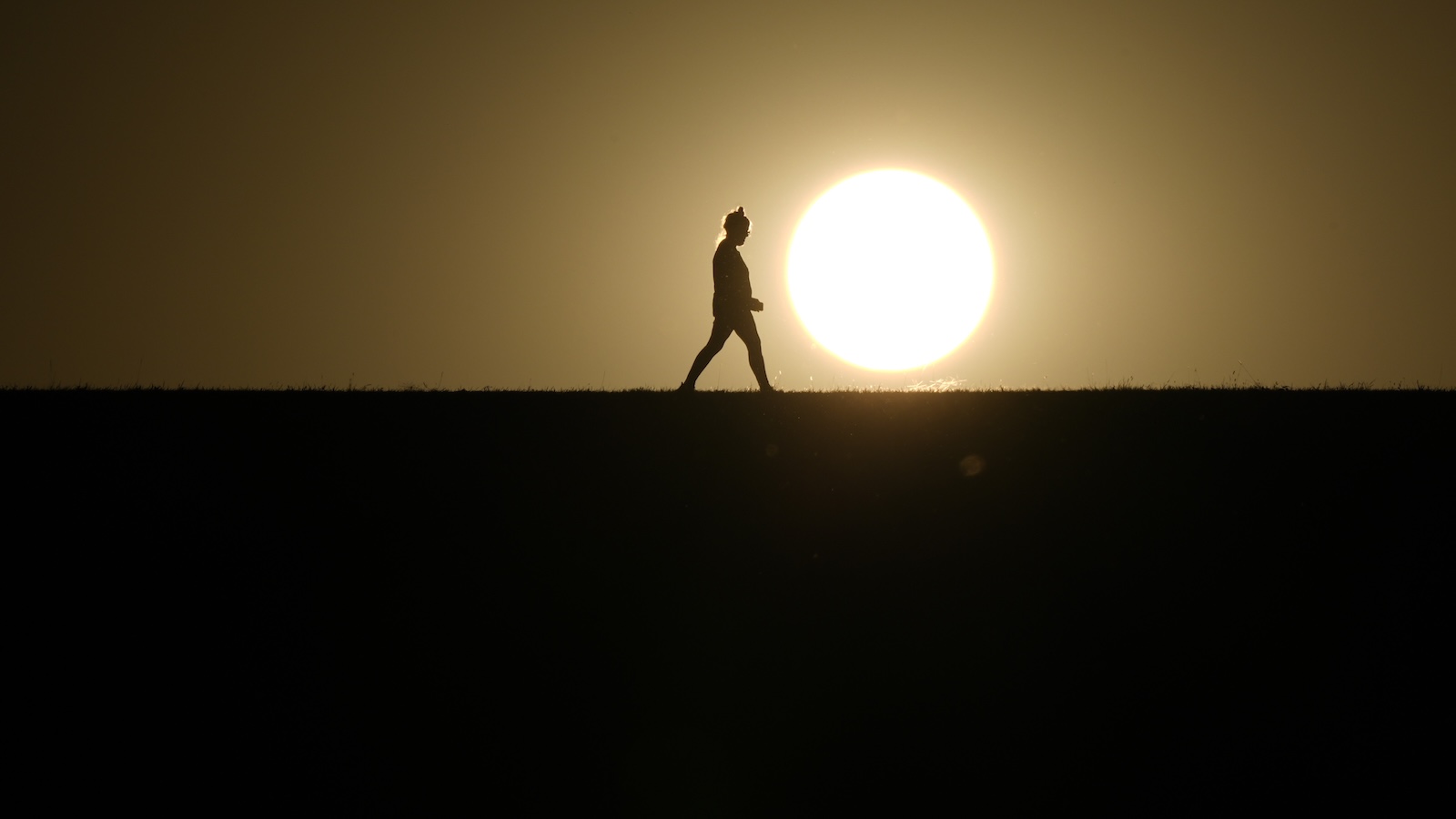
For households equipped with air conditioning, running cooling systems around the clock drives up utility bills, creating profound financial hardships. Families living in low-income housing or older, unweatherized historic structures frequently find themselves rationing electricity, forcing impossible choices between financial solvency and basic thermal safety.
Official Statements & Institutional Responses
Public health and municipal authorities are beginning to recognize that traditional heat response plans—historically designed around daytime peak temperatures—are no longer sufficient.
In Lincoln, the Lincoln-Lancaster County Health Department established an extreme heat response plan over a year ago. While initial frameworks prioritized daytime heat warnings, agency spokespersons confirm that planners are actively overhauling their data streams to incorporate nighttime temperature metrics. Currently, the Lincoln metropolitan area features only a single overnight cooling center, a statistic that municipal planners recognize must expand as minimum temperatures climb.
The Energy Grid Dilemma
The burden of persistent nighttime heat cascades directly into regional utility infrastructure. According to the U.S. Energy Information Administration (EIA), air conditioning accounts for a massive share of total electricity consumption across both residential and commercial sectors.
Typically, energy demand follows a diurnal curve, peaking in the late afternoon between 5 p.m. and 6 p.m. as industrial operations peak and residential cooling systems run at maximum capacity. However, when nighttime temperatures refuse to drop, residential and commercial air conditioning units are forced to run at high capacities throughout the night. This sustained load prevents the electrical grid from experiencing its traditional nocturnal recovery period.
This surge in baseline power demand arrives at a precarious time for grid operators. Utilities across the Midwest face mounting generation pressures from heavy industrial consumers, most notably the rapid proliferation of energy-intensive data centers. To maintain grid reliability and prevent rolling blackouts under extreme nighttime loads, utility providers are increasingly turning to fossil fuel generation, keeping older coal and gas plants online—a practice that further exacerbates the underlying greenhouse gas emissions driving global climate change.
Future Outlook: Threats to Agriculture and Livestock
Beyond the concrete and asphalt of Nebraska’s urban centers, the state’s sprawling agricultural economy—its foundational economic engine—faces profound vulnerabilities from nocturnal warming.
Crop Stress: Corn and Soybeans
Nebraska is an agricultural powerhouse, leading the nation in the production of key commodities. However, rising nighttime temperatures disrupt the fundamental biological processes of the state’s two primary crops: corn and soybeans.
During daylight hours, plants capture solar energy through photosynthesis, storing carbohydrates. At night, crops undergo respiration, consuming a portion of those stored sugars for growth and maintenance. When nights remain unseasonably warm and humid, respiration rates accelerate dramatically. Instead of storing energy, the plants burn through their carbohydrate reserves at an unsustainable rate.
- Soybeans: George Graef, a UNL agronomy and horticulture professor specializing in soybean breeding and genetics, warns that prolonged nighttime heat can result in smaller seeds, reduced total seed count, and diminished overall plant biomass, depending on the timing and duration of the heat stress.
- Corn: Tom Hoegemeyer, a retired UNL agronomy and horticulture professor, explains that consecutive days and nights of extreme heat cause corn crops to undergo premature physiological senescence. The plants effectively "shut down," losing a week or more of crucial grain-filling time during late summer and fall, which significantly depresses final harvest yields.
Furthermore, these climatic conditions amplify secondary agricultural threats. The combination of high heat and nocturnal humidity creates ideal breeding grounds for destructive fungal pathogens and bacterial infections in corn. To combat these outbreaks, farmers are increasingly forced to apply costly chemical protectants. Simultaneously, the compounding effects of heat and drought drive up demands for groundwater extraction in irrigated production systems, placing unprecedented stress on the Ogallala Aquifer.
Adaptation Limits in Agronomy
Agricultural scientists are racing to develop resilient crop variants. Graef expresses cautious optimism regarding soybean genetics, noting that modern evaluation technologies are helping researchers identify traits capable of tolerating higher thermal baselines.
However, long-term optimism is tempered by biophysical reality. Hoegemeyer notes that while the corn industry has successfully bred for heat tolerance over the past three decades, future warming projections paint a sobering picture.
"If you believe the projections as to what temperatures will be like, say, by 2100, we may not be able to do that," Hoegemeyer cautioned. "There are limits to what we can do with genetics and technology."
Livestock Vulnerability
Livestock production—including cattle, swine, and poultry—represents another cornerstone of Nebraska’s agricultural wealth. Rick Stowell, a UNL professor and animal environment extension specialist, emphasizes that rising nighttime temperatures, coupled with creeping relative humidity in eastern and central Nebraska, pose severe threats to animal health and productivity.
"The effects of heat stress overall tend to affect larger, more productive animals the most," Stowell explained. "So, if you think about heavy animals, mature animals, fat cattle and a sow, for example, or a high-producing dairy cow, they are generating a lot more body heat, and so they have a lot more heat to get rid of."
Without adequate nighttime cooling, livestock suffer from severe heat stress, leading to reduced feed intake, slower growth rates, decreased milk production, and, in severe cases, mortality.
To mitigate these losses, agricultural producers are actively modifying their operations. Over the past two decades, feedlots across the state have aggressively expanded investments in permanent shade structures. Producers are also retrofitting confinement buildings with enhanced mechanical ventilation systems, altering feeding schedules to cooler dawn hours, and implementing ground-sprinkling systems to facilitate evaporative cooling.
Despite these proactive measures, experts agree that adaptation efforts are racing against an accelerating ecological clock. As nighttime minimums continue to climb, Nebraska’s municipalities, utility operators, and agricultural leaders must confront the reality that the safety net of the cool Midwestern night is rapidly becoming a relic of the past.



