

This coverage is made possible through a collaborative partnership between Grist and The Salt Lake Tribune, a nonprofit newsroom in Utah.
Executive Overview
For over a century, the economic heartbeat of Carbon County, Utah, echoed to the rhythmic deep-mine extraction of coal. Generations of families lived through the perilous boom-and-bust cycles characteristic of heavy industry, trading physical safety and environmental health for steady livelihoods. Black lung, underground explosions, and fatal fires formed the tragic backdrop of daily existence in this central Utah pocket, where community survival was inextricably bound to fossil fuels.
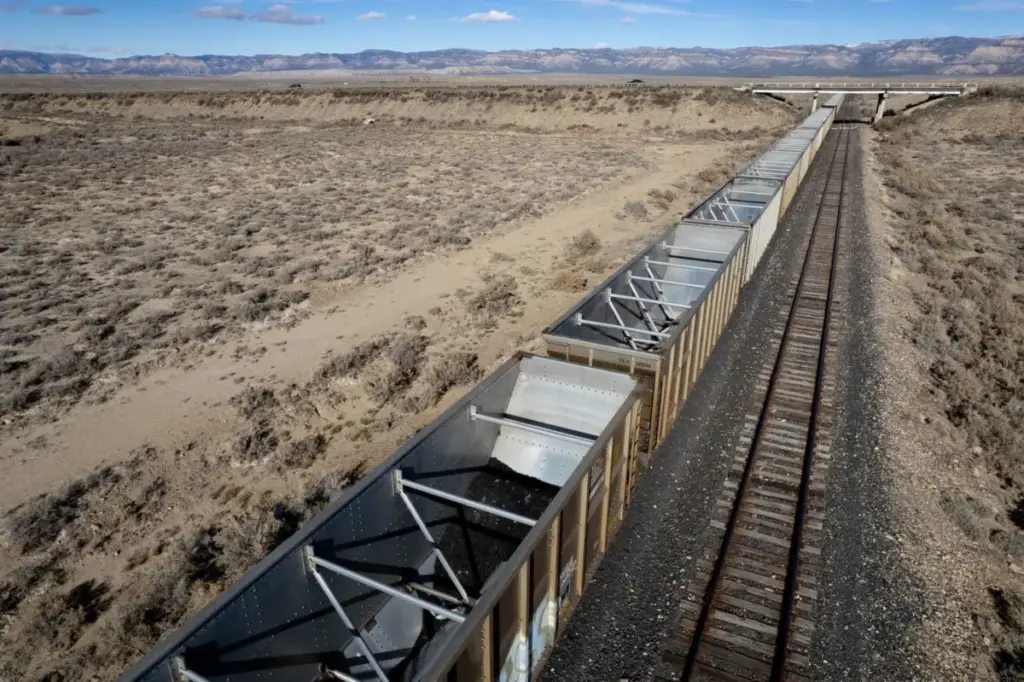
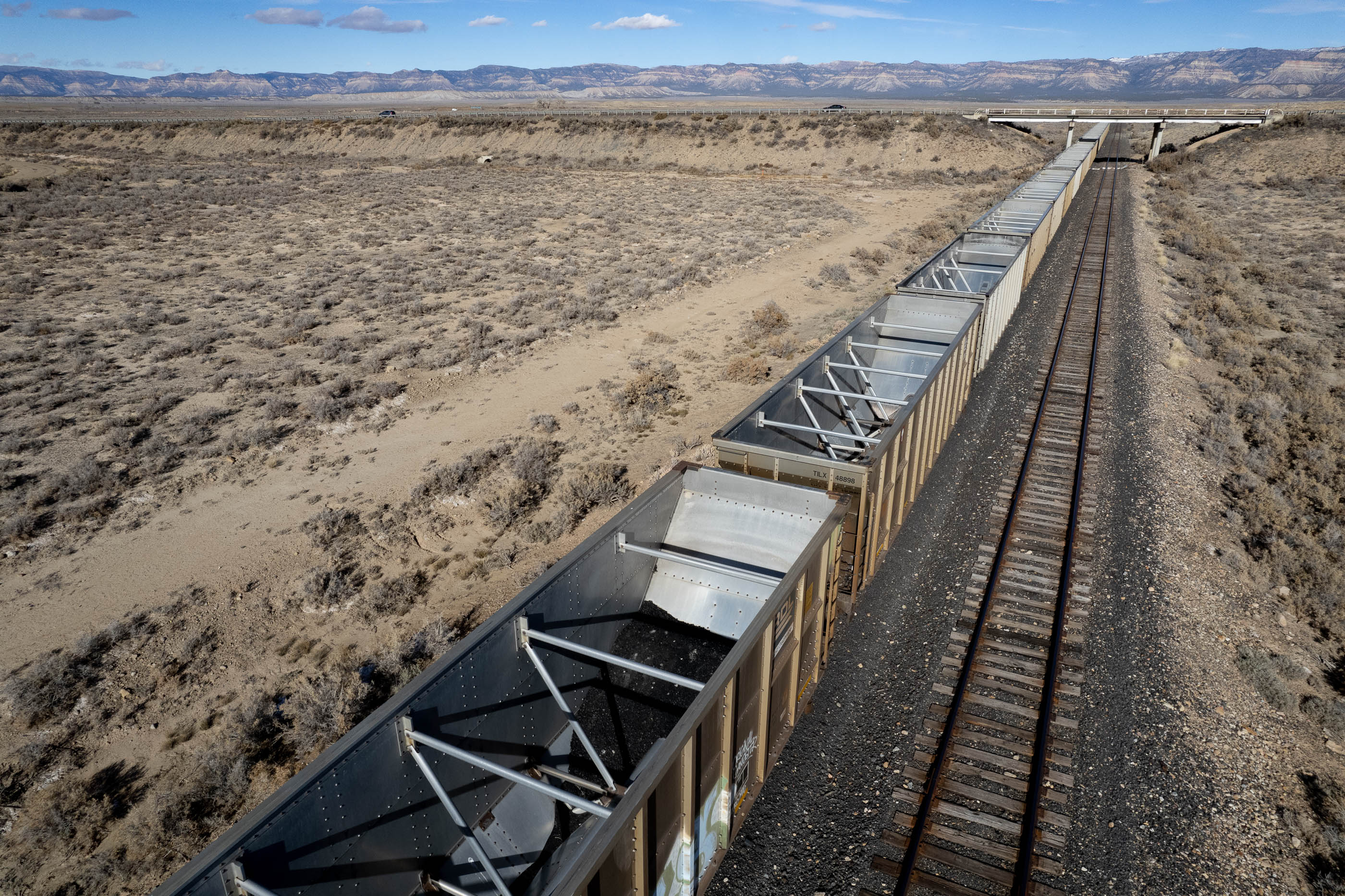
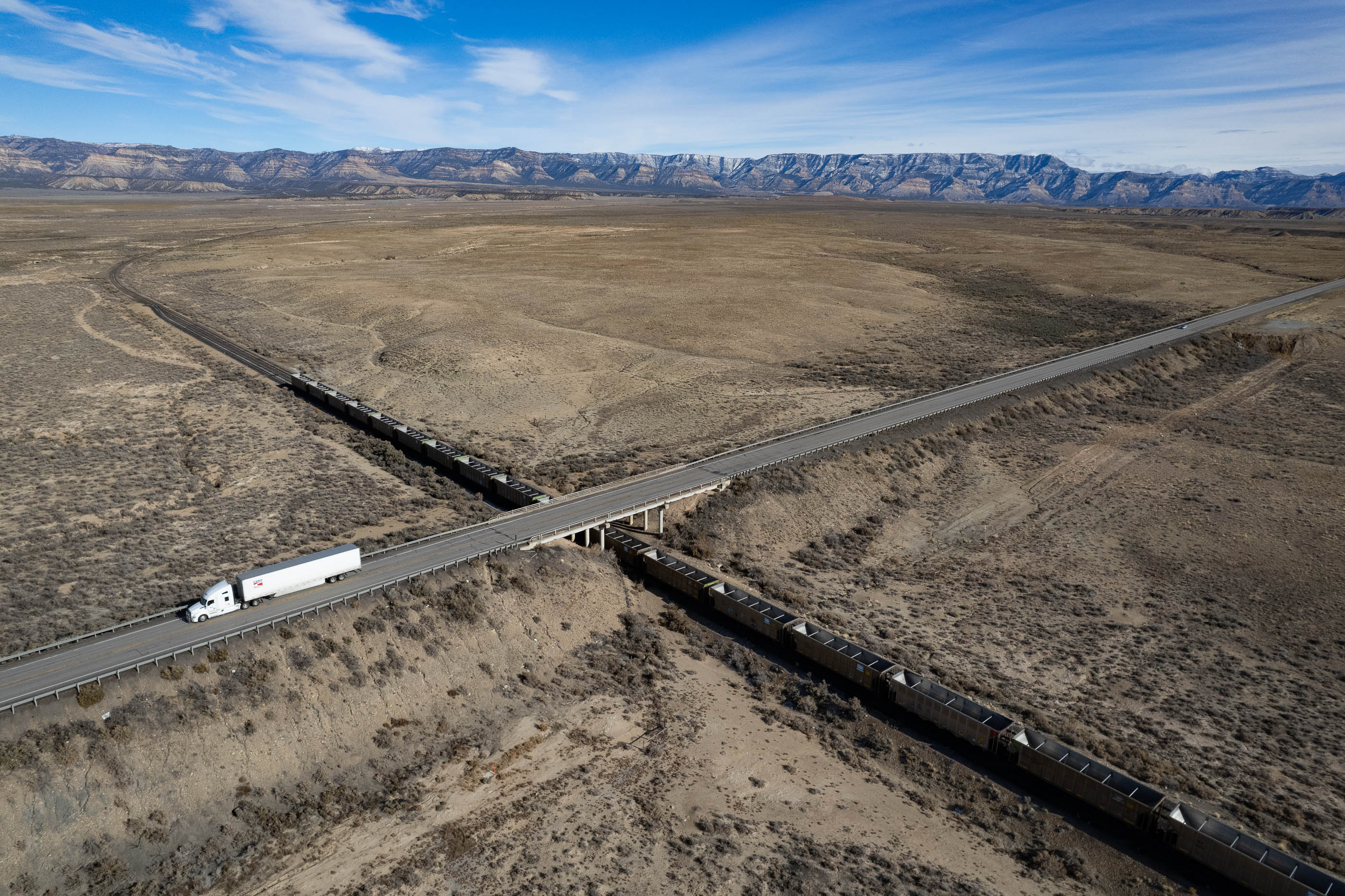
Today, however, the coal cars stand rusted and idle along U.S. Highway 6 near Wellington. The last operational coal mine in Carbon County went dark in 2023, bringing a definitive end to an era that once yielded nearly 10 million tons of coal annually at its 2006 peak. As the region reels from the sudden collapse of its primary economic engine—accelerated by a national shift toward cheaper renewables, natural gas, and depleted mineral seams—a new industrial gold rush is descending upon the valley.
Yet, rather than welcoming a revitalized future, many long-term residents are gripped by a profound sense of foreboding. An unprecedented wave of massive data center developments, paired with bleeding-edge, unproven power generation technologies, is slated for construction mere miles from residential neighborhoods. Two flagship projects—Valar Atomics’ nuclear-powered "Project Beehive" and Altigen Energy’s massive natural gas-backed "Jurassic Spark"—threaten to transform the rural landscape permanently.
While state leaders, federal representatives, and local county commissioners champion these multi-billion-dollar initiatives as necessary life rafts for a struggling tax base, grassroots organizers and skeptical residents argue they are being forced to accept dangerous "table scraps." Traumatized by Utah’s historical legacy of radioactive fallout, worried about severe strains on scarce water supplies, and infuriated by secretive non-disclosure agreements, the community finds itself sharply divided over what price it must pay for survival.
Detailed Chronology: From Fossil Fuels to High-Tech Power Paradigms
The transformation of Carbon County from a coal-reliant stronghold to a high-tech energy frontier has unfolded with dizzying speed, marked by legislative maneuvers, corporate announcements, and growing grassroots resistance.
The Twilight of Coal
For decades, Central Utah’s economy relied entirely on the extraction and transport of bituminous coal. The turning point arrived in the late 2000s and 2010s, as cheap natural gas flooding the market and the rapid expansion of renewable energy rendered Utah coal increasingly uncompetitive. Coupled with dwindling, harder-to-reach underground seams, production plummeted. By 2023, the region hit a stark milestone: not a single pound of coal was mined in Carbon County. With the industry’s collapse, the local tax burden shifted heavily onto residential homeowners and small businesses, creating an acute fiscal crisis for local governance.
Legislative Catalysts and the AI Surge
To tackle broader regional energy shortages driven by the insatiable electricity demands of artificial intelligence servers, the Utah Legislature passed Senate Bill 132 last year. The legislation authorized private entities with energy loads exceeding 100 megawatts to construct independent, self-contained generation facilities. The goal was to spur rapid business development without overloading the public grid. The law opened the floodgates, instantly attracting data center developers and independent power producers seeking remote, loosely regulated tracts of land.
The Emergence of Project Beehive and Jurassic Spark
Into this regulatory vacuum stepped Valar Atomics, a nuclear startup aiming to construct a sprawling mega-complex of 456 small modular reactors (SMRs) on Bureau of Land Management (BLM) property. Dubbed "Project Beehive," the installation includes a square mile of state-owned trust land leased from the Utah Trust Lands Administration for up to a century. The nuclear facility is designed to power an array of industrial activities, including radioactive waste storage, steel manufacturing, mineral refining, water desalination, and massive data centers.
Concurrently, Altigen Energy selected a 1,200-acre site east of Wellington for its "Jurassic Spark" project, a campus nearly double the physical footprint of Valar’s nuclear complex. Initial plans call for a 250-megawatt natural gas-fired power plant to kickstart operations, with eventual capacity scaling up to 3 gigawatts—nearly matching the electricity consumption of the entire state of Utah.
State Backing and Ground-Level Pushback
High-ranking state officials—including Governor Spencer Cox and U.S. Senator John Curtis—have rolled out the red carpet for these avant-garde projects. Earlier this year, Valar tested its "Ward250" microreactor at the San Rafael Energy Lab in neighboring Emery County, achieving "self-sustaining criticality" in June.
Despite official enthusiasm, local opposition crystallized rapidly. Candidates like Cheryl Lupo collected hundreds of signatures to run for county commission, discovering widespread hostility toward the incoming technological behemoths. Residents began organizing on community Facebook pages, holding town-hall-style discussions, and demanding transparency from elected officials who they claim are rushing blindly into unvetted, high-stakes arrangements.
Supporting Context & Metrics: Assessing the Physical and Fiscal Toll
The transition from subterranean coal mining to high-tech, power-dense industrial campuses introduces an array of complex environmental, fiscal, and infrastructural challenges for Carbon County.
The Nuclear Unknown: SMRs and Waste
Valar Atomics’ reliance on small modular reactors represents a technological leap into uncharted territory. SMRs have yet to be deployed at commercial scale anywhere in the United States. While proponents herald them as carbon-free, decentralized solutions, the technology brings unique liabilities. Project Beehive will not only generate electricity but will also process uranium TRISO-fuel and store radioactive waste on-site.
For many Carbon County families, the prospect of handling nuclear waste reawakens intergenerational trauma. Utah’s grim history as a "downwinder" state—subjected to radioactive fallout from atmospheric weapons testing in neighboring Nevada throughout the 1950s—left a devastating legacy of cancer and chronic illness. Local residents frequently draw a direct line between past federal experimentation and the illnesses that prematurely claimed the lives of their parents and grandparents.
Natural Gas, Methane, and the Heat Island Effect
While Valar focuses on nuclear fission, Altigen’s Jurassic Spark relies heavily on fossil-fueled combustion. Natural gas is primarily composed of methane, a greenhouse gas with a warming potential significantly higher than carbon dioxide over a short-term horizon. Operating massive gas turbines to feed data centers will pump substantial air pollutants into the regional airshed.
Furthermore, both nuclear and natural gas generation processes produce immense amounts of residual heat. According to Robert Davies, a physics professor at Utah State University, nuclear plants are inherently less efficient than fossil-fuel counterparts, meaning they vent even higher quantities of thermal energy into the surrounding environment.
This thermal output is exacerbated by geography. The Wellington area sits within a closed valley, tightly hemmed in by the Wasatch Range to the west and the Book Cliffs to the north and east. Residents warn that clearing hundreds of acres of native brush and trees to install sprawling industrial complexes will create a severe "heat island" effect, trapping warm air and exacerbating regional climate stressors in an already arid environment.
The Water Crisis
In a region where every drop of water is legally and physically allocated, the immense cooling demands of data centers and industrial manufacturing facilities remain a central point of anxiety. While Valar asserts its reactors will utilize closed-loop helium cooling systems, and data center developers promise low water consumption profiles, local stakeholders remain deeply skeptical that municipal and agricultural water rights will remain uncompromised during multi-decade operations.
Fiscal Realities and Tax Disparities
County officials maintain that they have little choice. The closure of the mines decimated local tax rolls, forcing remaining property owners to shoulder an unsustainable share of public expenditures.
The Trust Lands Administration’s lease agreement with Valar Atomics is projected to generate $35 million in lease rents over a 50-year period, with revenues directly funding Utah’s public school system. For county commissioners, this infusion of capital is viewed as a vital lifeline necessary to prevent municipal bankruptcy and retain working-class families.
Official Statements and Community Divisions
The ideological chasm separating Carbon County’s leadership from its citizenry highlights a profound breakdown in public trust.
The Perspective of Local Leadership
Carbon County Commissioners have defended their proactive stance on data centers and energy campuses as a pragmatic necessity. Commissioner Larry Jensen addressed the rising public outcry directly during recent public hearings, acknowledging the contentious nature of the topic while insisting that local authorities are acting in the broader economic interest.
"We realize that this topic is a hot button now, along with data centers," Commissioner Jensen stated. "It’s important that you understand that the Carbon County Commissioners are committed to allowing these things to move forward. Even with the pushback—we realize that there are a few in our community who will push back—but the silent majority are the ones that we really represent."
Similarly, Mike Nelson, chair of the Trust Lands Administration board, conceded that governing bodies are navigating uncharted waters, admitting during a September board meeting that officials were frequently unsure of the correct questions to ask regarding unproven nuclear frameworks.
The Voice of the Opposition
Local residents vehemently reject the notion that commissioners represent a "silent majority." Cheryl Lupo, an unaffiliated candidate for the county commission, described the mood among voters as bordering on insurrectionary.
"People are up in arms," Lupo said. "Torches and pitchforks. Because they’re not being heard."
For Lupo and other community organizers—such as Cindy O’Neil, who tracks and publishes updates on mysterious land acquisitions via social media—the fundamental grievance lies in a perceived lack of transparency. Rumors of binding non-disclosure agreements (NDAs) between private corporations and local authorities have fueled suspicions that major decisions are being finalized behind closed doors before the public is formally notified.
While the county has defended NDAs as standard competitive tools necessary to prevent corporations from bypassing Carbon County for alternative locations, residents argue that secrecy strips communities of their democratic right to self-determination.
"You shouldn’t be hiding what you and the company are going to bring to a community," O’Neil remarked from her home near U.S. Highway 6, "and not tell the community until it’s too late and a done deal."
Future Outlook: A Critical Crossroads for Carbon County
As Carbon County stands on the precipice of this high-tech industrial transformation, the stakes could not be higher. The coming years will test whether unproven nuclear SMR technology and massive natural gas-backed AI hubs can successfully coexist with rural communities without repeating the environmental exploitation of the past.
The immediate battlegrounds will be fought in local election cycles, zoning board meetings, and state regulatory hearings. If candidates advocating for stringent environmental oversight, public transparency, and water preservation gain traction, they may slow or reshape the implementation of Project Beehive and Jurassic Spark. Conversely, if state-backed momentum overrides local dissent, Carbon County will cement its status as a primary sacrifice zone for the nation’s rapidly expanding digital infrastructure.
Ultimately, the residents of central Utah are locked in a struggle to define their own destiny. Having survived a century defined by the dark legacy of coal, they are determined to ensure that the promise of economic salvation does not mortgage their future health, safety, and democratic voice to the demands of the digital age.



