Executive Overview
For decades, clinical endocrinology has relied heavily on the thyroid-stimulating hormone (TSH) assay as the gold-standard diagnostic filter for thyroid dysfunction. Yet, across clinical practices worldwide, a persistent and troubling phenomenon continues to challenge primary care physicians and specialists alike: millions of patients—disproportionately women—present with classic symptoms of hypothyroidism, such as profound fatigue, cognitive decline, cold intolerance, unexplained weight gain, and hair loss, only to be dismissed because their laboratory panels fall within the standardized "normal" reference range.
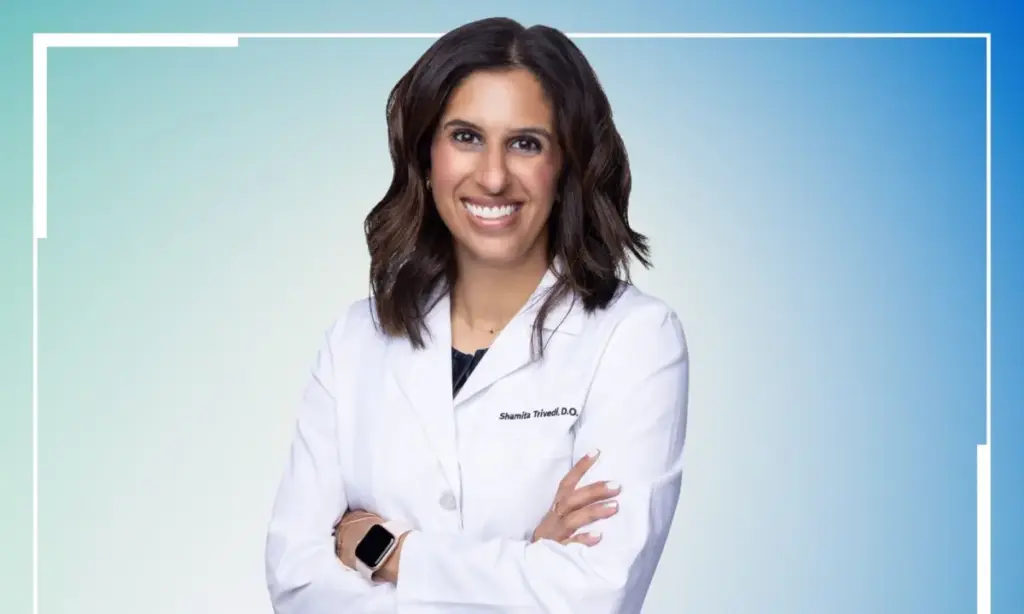
This disconnect between biochemical markers and clinical reality has sparked a quiet revolution in personalized medicine. Led by specialists like Dr. Shamita Trivedi, D.O., a women’s health endocrinologist, clinical experts are increasingly questioning the dogmatic reliance on isolated TSH values. The emerging consensus suggests that while population-wide reference ranges are valuable epidemiologic benchmarks, they frequently fail to account for individual physiologic baselines, tissue-specific hormone action, autoimmune activity, and the complex hormonal transitions of midlife.
This investigative report examines the systemic limitations of current thyroid diagnostic paradigms, traces the historical evolution of thyroid testing, presents biochemical and clinical context for persistent symptoms, reviews official medical consensus guidelines, and outlines the future of individualized endocrine care.
Detailed Chronology: The Evolution of Thyroid Diagnostics and Treatment
To understand why so many symptomatic women are told their thyroid function is normal, one must examine how the medical community arrived at its current diagnostic and therapeutic standards.
[1890s - 1970s] -------------> [1970s - 1990s] -------------> [2000s - Present]
Clinical Diagnosis &           TSH Assay Revolution           The Individual Set Point
Desiccated Thyroid Extract     Levothyroxine Monotherapy      & Genetic Nuance Movement
The Era of Clinical Diagnosis and Desiccated Thyroid (Pre-1970s)
Before the advent of modern laboratory assays, hypothyroidism was diagnosed primarily through clinical examination. Physicians relied on physical signs, such as basal body temperature, Achilles tendon reflex relaxation time, goiter presence, and classic systemic symptoms. Treatment consisted of desiccated thyroid extract (derived from animal thyroid glands), which naturally contained a combination of thyroxine ($T_4$) and triiodothyronine ($T_3$).
The TSH Assay Revolution and Levothyroxine Monotherapy (1970s–1990s)
The development of radioimmunoassays in the 1970s fundamentally altered the endocrine landscape. The TSH assay allowed clinicians to measure the pituitary gland’s response to circulating thyroid hormones with unprecedented sensitivity. Because the pituitary acts as a sensitive thermostat—increasing TSH production when circulating thyroid hormones fall and suppressing it when they rise—TSH was crowned the ultimate marker of thyroid status.
Simultaneously, synthetic levothyroxine ($T_4$) became the standard monotherapy. The clinical assumption was that the human body would naturally and efficiently convert synthetic $T_4$ into the biologically active $T_3$ hormone on an as-needed basis, rendering combination therapies or animal extracts obsolete.
The Discovery of Individual Set Points and Genetic Nuance (2000s–Present)
In 2002, a landmark longitudinal study published in The Journal of Clinical Endocrinology & Metabolism (Andersen et al.) challenged the fundamental assumption of the population-wide reference range. Researchers tracking healthy individuals over a one-year period discovered that an individual’s personal variation in thyroid hormone concentrations is remarkably narrow—significantly narrower than the variation seen across the general population.
This meant that a patient could experience a major physiological shift within their personal thyroid dynamics (e.g., their TSH doubling from a personal baseline of 1.2 to 3.4), yet still register as "normal" on a standard laboratory reference range that typically spans from 0.4 to 4.5 mIU/L. This landmark finding provided a biological explanation for why patients could feel clinically hypothyroid despite biochemically normal test results.
Supporting Context & Metrics: The Biological Complexity of Thyroid Function
To understand why the TSH test alone can be an incomplete diagnostic tool, it is necessary to examine the underlying physiology of the hypothalamic-pituitary-thyroid (HPT) axis and the confounding factors that alter laboratory readouts.
      [ Hypothalamus ]
             |  (TRH)
             v
     [ Pituitary Gland ] <--- (Feedback Loop)
             |  (TSH)                       |
             v                              |
      [ Thyroid Gland ] ---------------------
             |  (Produces 80% T4, 20% T3)
             v
     [ Peripheral Tissues ] (Conversion of T4 to active T3 via Deiodinase enzymes)
The Pituitary-Thyroid Disconnect
TSH is not a thyroid hormone; it is a pituitary glycoprotein. While it serves as an excellent proxy for thyroid function in patients with an intact, uncomplicated HPT axis, it does not measure tissue-specific thyroid hormone levels.

For biologically active thyroid hormone to exert its metabolic effects, thyroxine ($T_4$) must be transported into peripheral tissues—such as the brain, liver, skeletal muscle, and adipose tissue—and converted by deiodinase enzymes into triiodothyronine ($T_3$), the active form that binds to nuclear thyroid receptors. A patient may have normal pituitary sensitivity (normal TSH) but suffer from impaired peripheral conversion, cellular transport defects, or receptor resistance, leading to localized tissue-level hypothyroidism that remains invisible on a standard TSH screen.
Central Hypothyroidism: The Overlooked Exception
In cases of central hypothyroidism—a condition originating in the pituitary gland or the hypothalamus rather than the thyroid itself—the HPT feedback loop is compromised. In these patients, the pituitary fails to secrete adequate or biologically active TSH. Consequently, TSH levels may appear entirely normal, mildly elevated, or even low, while circulating levels of free $T_4$ are pathologically deficient. Current endocrinology guidelines emphasize that relying solely on TSH screening will miss central hypothyroidism entirely; a full evaluation must include direct measurement of free $T_4$.
The Autoimmune Lag: Hashimoto’s Thyroiditis
Hashimoto’s thyroiditis is the leading cause of hypothyroidism in iodine-sufficient regions. It is characterized by lymphocytic infiltration of the thyroid gland, leading to progressive autoimmune destruction.
Crucially, the autoimmune process can begin years before the thyroid gland is sufficiently damaged to cause a rise in TSH. During this "euthyroid autoimmune" phase, patients frequently experience systemic symptoms—such as fatigue, joint pain, and mood disturbances—driven by chronic inflammation and transient fluctuations in thyroid hormone output.
Confounding Variables in Lab Assays
Standard thyroid panels are highly susceptible to external interference. A prominent clinical concern is the widespread use of high-dose biotin (Vitamin B7) supplements, commonly marketed for hair, skin, and nail health. Biotin interferes with the streptavidin-biotin bead chemistry used in most modern immunoassay platforms. This interference can falsely lower TSH measurements and falsely elevate free $T_4$ and free $T_3$ levels, mimicking a state of hyperthyroidism or masking true hypothyroidism.
Other major confounding variables include:
- Pregnancy: Human chorionic gonadotropin (hCG) weakly stimulates the thyroid receptor, naturally lowering TSH in the first trimester.
- Acute and Chronic Illness: Non-thyroidal illness syndrome (euthyroid sick syndrome) alters deiodinase activity, suppressing $T_3$ levels and altering TSH dynamics during physical trauma or infection.
- Medications: Glucocorticoids, amiodarone, lithium, and dopaminergic agents directly alter TSH secretion and thyroid hormone metabolism.
The Midlife Diagnostic Conundrum
The diagnostic challenge is particularly acute for women in midlife. The physiological symptoms of perimenopause and menopause overlap significantly with those of hypothyroidism, making clinical differentiation difficult.
| Symptom / Marker | Hypothyroidism | Perimenopause / Menopause |
|---|---|---|
| Primary Driver | Systemic metabolic slowdown due to deficient thyroid hormone receptor activation. | Fluctuating and declining ovarian estrogen and progesterone production. |
| Fatigue Profile | Constant, heavy exhaustion; unrefreshing sleep unaffected by rest. | Often tied to sleep disruption, vasomotor symptoms (night sweats), and hormonal dips. |
| Cognitive Changes | Marked "brain fog," delayed processing speed, memory recall deficits. | Word-finding difficulties, forgetfulness, transient concentration lapses. |
| Body Composition | Unexplained weight gain, fluid retention (myxedema), lowered basal metabolic rate. | Redistribution of adipose tissue to the visceral/abdominal region; muscle mass loss (sarcopenia). |
| Thermoregulation | Generalized cold intolerance; feeling cold when others are comfortable. | Vasomotor instability; sudden hot flashes followed by chills. |
| Menstrual Cycle | Menorrhagia (abnormally heavy bleeding) and polymenorrhea. | Irregular cycles, oligomenorrhea, progression to amenorrhea. |
Official Statements & Clinical Consensus
The tension between strict laboratory parameters and patient-reported symptoms has been addressed by major endocrine organizations, though clinical guidelines remain conservative.
The American Thyroid Association (ATA) & The Endocrine Society
The consensus guidelines of the American Thyroid Association and the American Association of Clinical Endocrinologists (AACE) maintain that levothyroxine ($T_4$) monotherapy remains the standard of care for hypothyroidism. They caution against treating patients with normal TSH values using thyroid hormone replacement, citing a lack of robust, double-blind clinical trial evidence demonstrating consistent symptom improvement.
Furthermore, medical societies warn of the serious risks associated with over-treatment (iatrogenic thyrotoxicosis), which include:
- Cardiovascular Strain: Increased risk of atrial fibrillation, tachyarrhythmias, and left ventricular hypertrophy.
- Skeletal Degradation: Accelerated bone remodeling leading to osteopenia, osteoporosis, and increased fracture risk, particularly in postmenopausal women.
Emerging Consensus on Combination Therapy ($T_4$/$T_3$)
Despite the preference for monotherapy, joint guidelines from the European Thyroid Association (ETA) and statements from the ATA acknowledge that a subset of hypothyroid patients treated with levothyroxine continue to experience persistent symptoms despite achieving a normal TSH.

While clinical trials comparing $T_4$ monotherapy to combination $T_4$/$T_3$ therapy have shown mixed results across broad populations, consensus panels recognize that individualized trials of combination therapy may be considered under careful specialist supervision for patients who remain symptomatic despite optimized $T_4$ levels, provided other comorbidities have been thoroughly ruled out.
Dr. Shamita Trivedi’s Clinical Protocol
To address these diagnostic challenges, Dr. Shamita Trivedi advocates for a comprehensive, multi-step clinical approach that prioritizes patient physiology over isolated laboratory values.
[Symptomatic Patient]
        |
        v
[Comprehensive Lab Panel] ---> Measure: TSH, Free T4, Free T3, TPO/Tg Antibodies
        |
        v
[Clinical Context Review] ---> Analyze: Trend history, symptom overlap, confounding factors
        |
        v
[Targeted Investigation]  ---> Rule out: Iron deficiency, Vitamin D/B12 deficiency, sex hormone imbalances
        |
        v
[Individualized Plan] ---> Implement: Focused monitoring, lifestyle optimization, or careful therapy trials- Look Beyond TSH: Order a comprehensive thyroid panel that includes TSH, Free $T_4$, Free $T_3$, and autoimmune markers (Thyroid Peroxidase Antibodies [TPOAb] and Thyroglobulin Antibodies [TgAb]).
- Evaluate the Trend, Not Just the Frame: Review historical laboratory results to determine if a patient’s current TSH represents a significant deviation from their personal baseline.
- Rule Out Confounding Deficiencies: Before attributing persistent fatigue and brain fog solely to the thyroid, clinicians should evaluate other common deficiencies that present with identical symptoms, including:
- Iron Deficiency and Low Ferritin: Ferritin levels should ideally be maintained above 50–80 ng/mL for optimal cellular energy and thyroid hormone synthesis.
- Vitamin D3 and Vitamin B12 Deficiencies.
- Cortisol and Adrenal Axis Dysregulation.
- Identify and Discontinue Interferences: Instruct patients to stop taking biotin-containing supplements for at least 48 to 72 hours prior to any blood draw to ensure assay accuracy.
- Acknowledge Multihormonal Interactions: In midlife women, evaluate thyroid function in tandem with ovarian and adrenal hormones, recognizing that endocrine systems operate as an integrated network rather than in isolation.
Future Outlook: The Shift Toward Precision Endocrinology
The future of thyroid medicine is moving away from rigid, population-based laboratory parameters toward a personalized, tissue-specific model of care. Several emerging areas of research are poised to redefine how thyroid disorders are diagnosed and treated.
1. Pharmacogenomics and the DIO2 Polymorphism
One of the most promising areas of research involves genetic variations in the type 2 deiodinase (DIO2) gene, which encodes the enzyme responsible for converting $T_4$ to active $T_3$ within tissues, including the brain. Studies have identified a specific single nucleotide polymorphism (rs225014, Thr92Ala) in the DIO2 gene.
Patients carrying this polymorphism appear to have impaired intracellular conversion of $T_4$ to $T_3$ in target tissues. Clinically, these individuals often report persistent cognitive deficits and fatigue on standard levothyroxine ($T_4$) monotherapy, but show significant improvement in quality of life and cognitive function when switched to a combination of $T_4$ and $T_3$. In the future, routine genetic screening may help identify which patients require personalized combination therapies from the outset.
2. Tissue-Specific Biomarkers
Because serum thyroid hormone levels do not always reflect cellular thyroid status, researchers are working to identify indirect biomarkers of tissue-specific thyroid action. By measuring downstream metabolic markers—such as sex hormone-binding globulin (SHBG), osteocalcin, and tissue-specific lipid profiles—clinicians may soon be able to assess whether a patient’s peripheral tissues are experiencing a functional deficiency of thyroid hormone, regardless of what the TSH value indicates.
3. Integrated, Multi-Hormonal Care Models
As medicine moves away from clinical silos, endocrinologists are adopting holistic models that recognize the interconnectedness of the endocrine system. Rather than treating thyroid disease, menopause, and metabolic dysfunction as separate diagnoses, future clinical practice will focus on optimizing the entire hormonal network. This includes addressing the gut microbiome’s role in thyroid hormone conversion, managing stress-induced cortisol elevations that suppress thyroid function, and aligning thyroid optimization with reproductive hormone transitions.
Conclusion
The clinical reality of thyroid medicine is far more nuanced than a simple binary interpretation of laboratory reference ranges. As Dr. Shamita Trivedi emphasizes, a normal laboratory report should mark the beginning of a clinical conversation, not the end of it.
Good clinical practice requires finding a balanced middle ground: avoiding unnecessary or risky hormone prescriptions for those with healthy, functioning thyroid systems, while refusing to ignore patients whose symptoms point to a deeper physiological issue. By combining rigorous laboratory science with careful clinical listening, personalized hormone tracking, and an understanding of individual baselines, the medical community can better support patients on their path back to health.