

Executive Overview
The global automotive landscape is experiencing a seismic shift, and nowhere is this transition more palpable than in the bustling showrooms of São Paulo, Brazil. In late 2026, the Brazilian passenger vehicle market stands as a primary battleground for the world’s most aggressive electric vehicle (EV) and hybrid manufacturers—specifically, those hailing from China. As traditional legacy automakers grapple with supply chain reorientations and structural inertia, Chinese automotive giants like Leapmotor, BYD, Great Wall Motors (GWM), and Geely are capturing significant market share at an unprecedented velocity.
This deep dive chronicles a ground-level dealership tour across São Paulo, exploring how these brands are not merely exporting vehicles, but fundamentally reshaping the Brazilian automotive ecosystem. Backed by multi-billion-dollar investments, localized manufacturing plants, and a keen understanding of regional infrastructure challenges—such as developing public charging networks—these companies are outpacing traditional industry titans. From BYD’s King plug-in hybrid usurping the long-reigning Toyota Corolla to Leapmotor’s dominance in the large electric SUV segment, the transition to electrification in South America’s largest economy is no longer a distant projection; it is a present-day reality.

Detailed Chronology: A Ground-Level Tour of São Paulo’s Showrooms
To truly grasp the velocity of change in the Brazilian market, one must step inside the dealerships where consumers interface with these new technologies. Accompanied by family, our dealership visits across São Paulo over a two-day span revealed distinct product philosophies and market strategies among the top four emerging Chinese brands.
1. Leapmotor: The Stellantis-Backed Contender
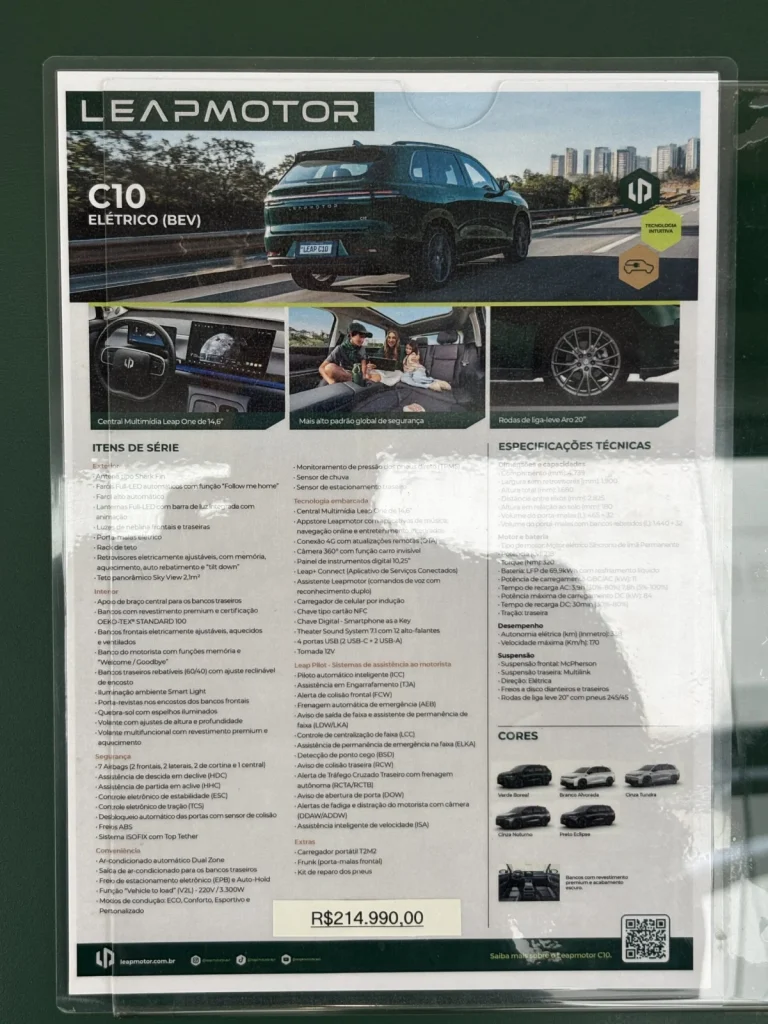
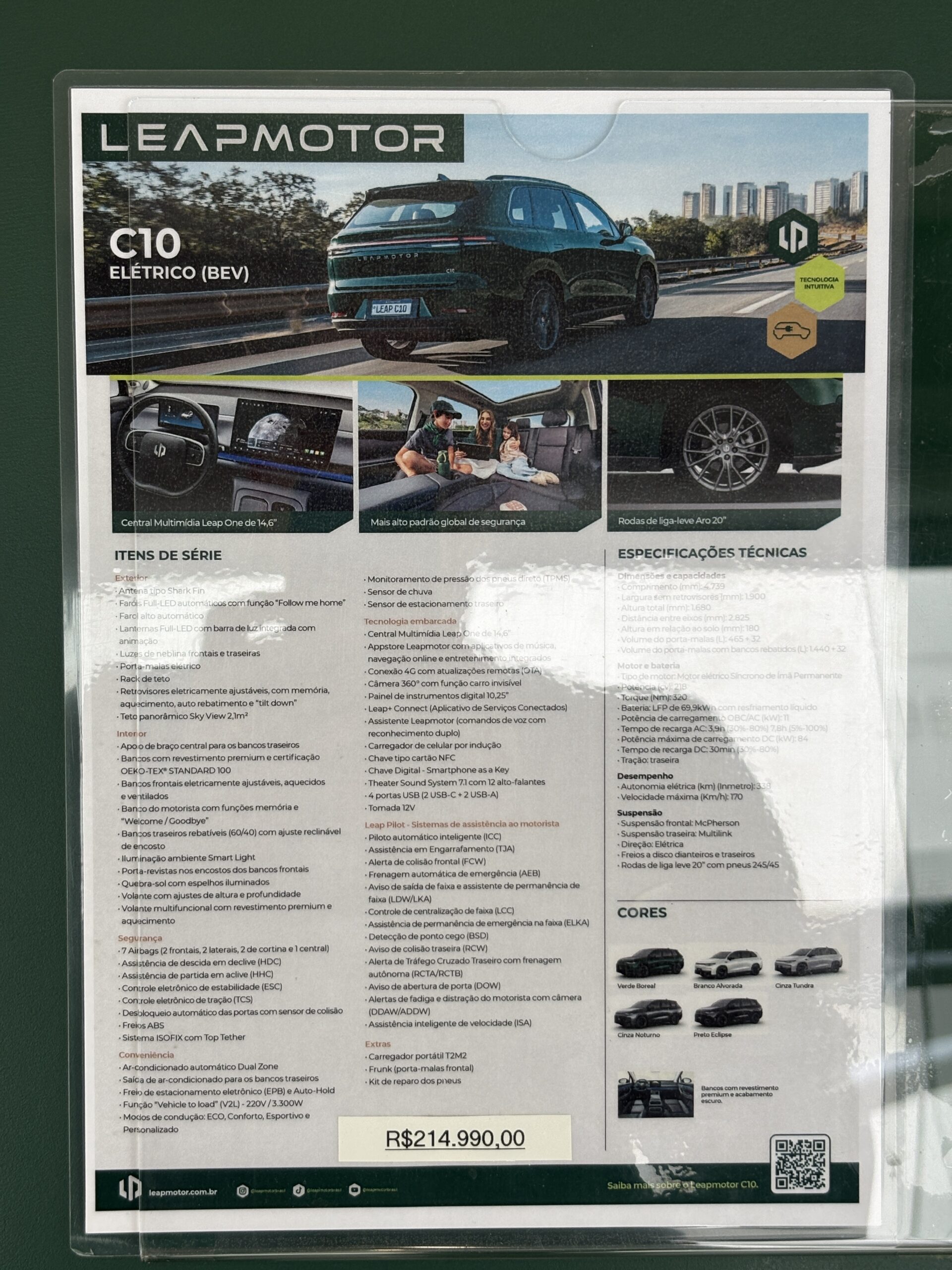
Our first stop was a Leapmotor dealership. Brought to international markets through a strategic partnership with Stellantis, Leapmotor officially entered Brazil in late 2025. The brand made an immediate splash with the C10 battery-electric SUV and its innovative range-extended "ultra-hybrid" (REEV) variant.
By August 2026, market data showed the C10 commanding an impressive 51.3% of large electric-SUV sales in Brazil. Meanwhile, the newer B10 model rapidly captured 23% of the brand’s total registrations. The momentum continued into September with the rollout of the B10 REEV, priced competitively at R$179,990. This model marries pure electric drive mechanics with a gasoline generator, delivering a combined driving range of up to 900 kilometers.
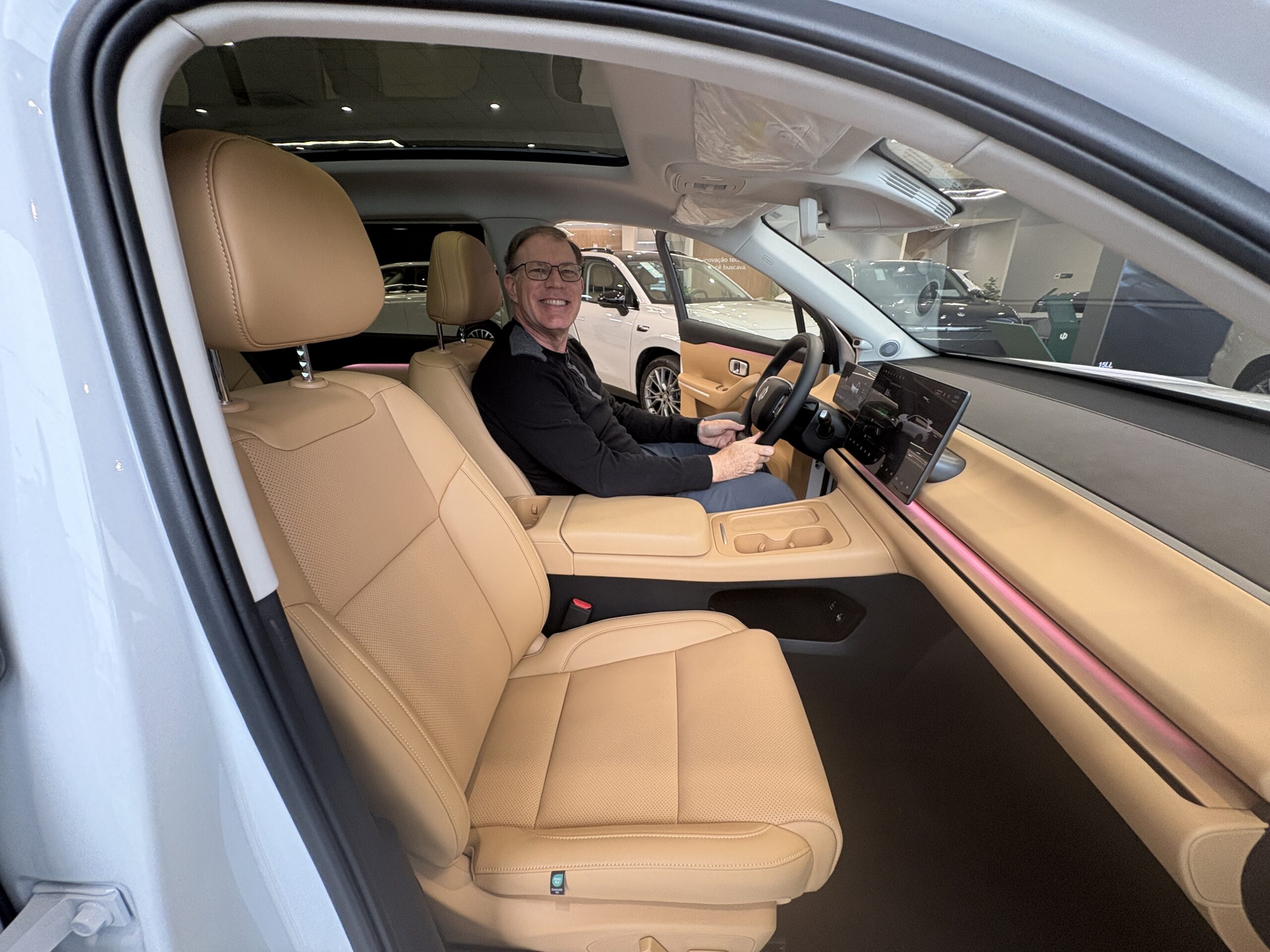
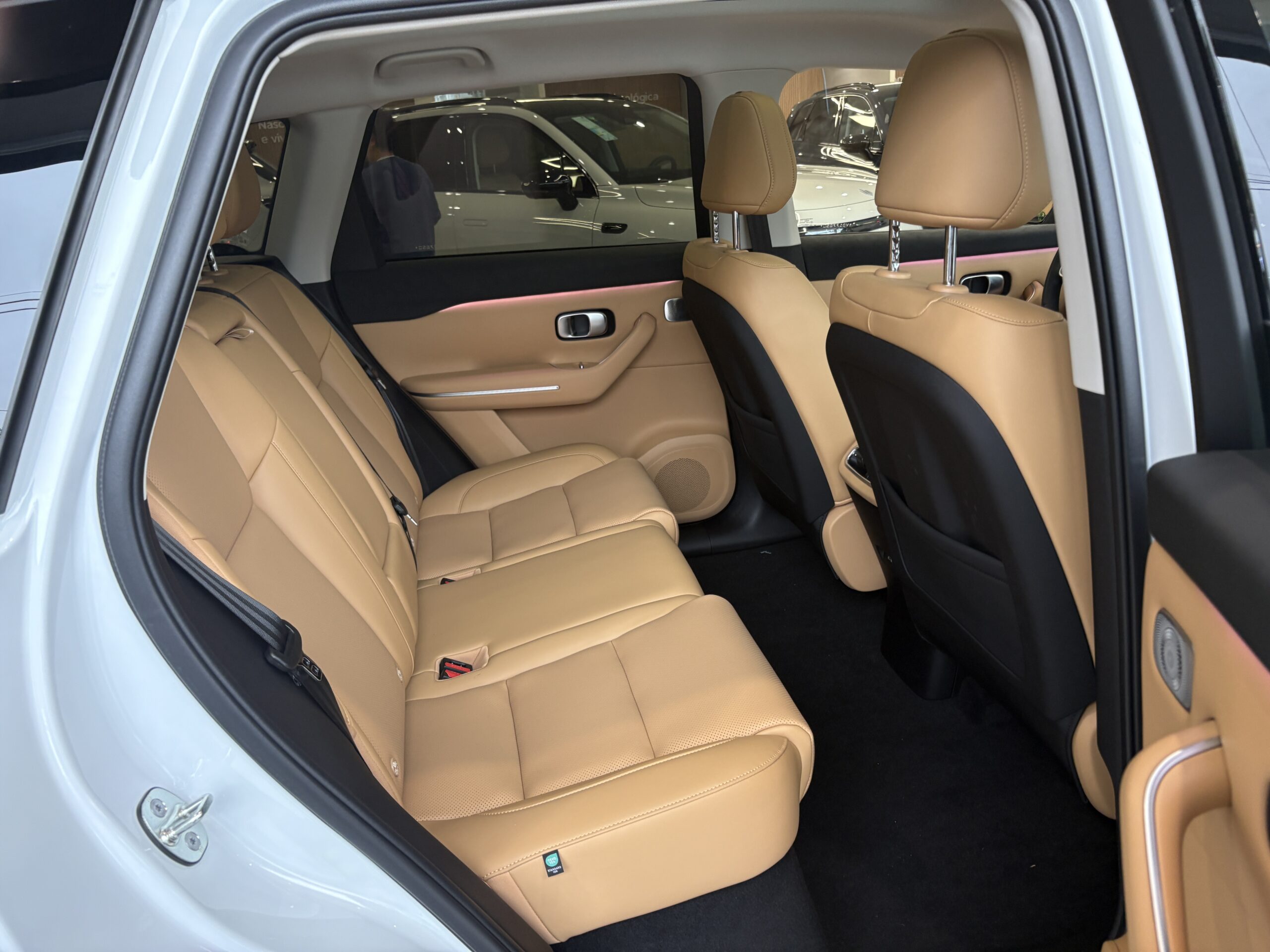
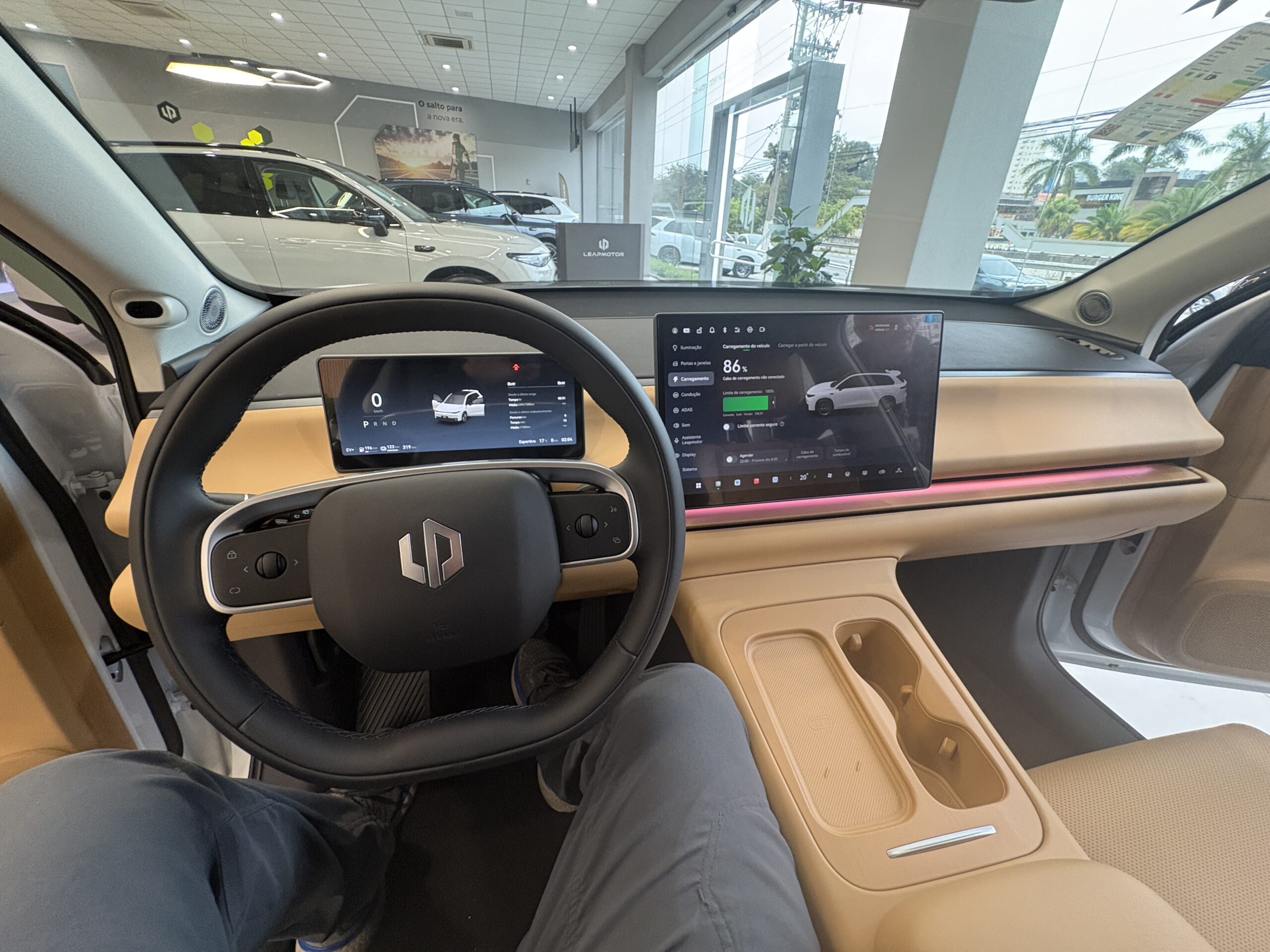
Sitting inside the C10, the interior struck a rare balance—avoiding the overly clinical minimalism of some modern EVs while steering clear of antiquated button-heavy dashboards. It felt, to borrow a fairy-tale descriptor, "just right."
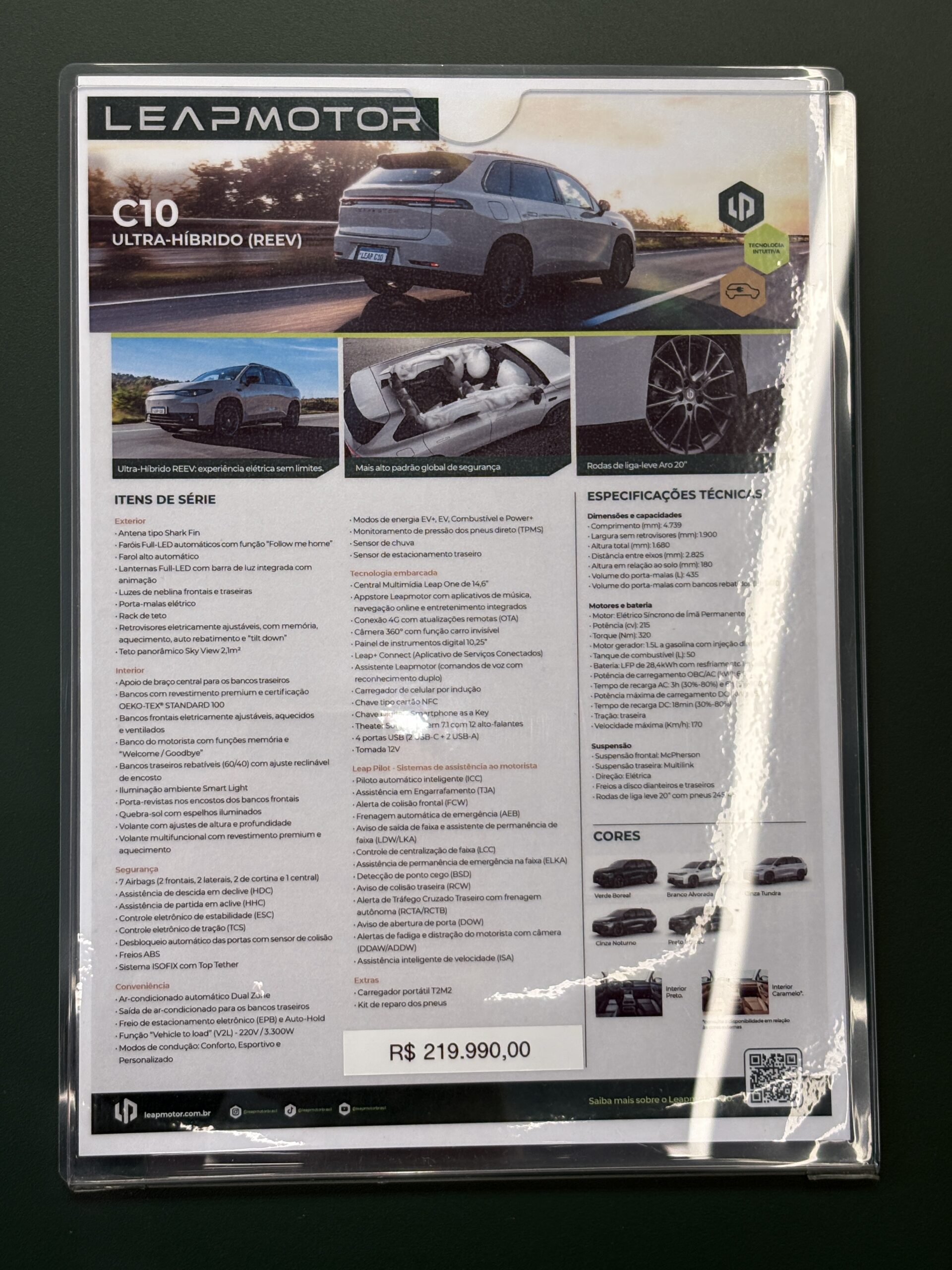
A technical walkthrough with the sales staff highlighted the architecture of the range-extender system: there is no mechanical linkage between the internal combustion engine and the wheels; the engine functions strictly as an onboard power generator for the battery pack. While a brief test drive of the battery-electric variant was somewhat encumbered by São Paulo’s dense urban traffic and a language barrier that prevented adjusting the regenerative braking to a preferred one-pedal setting, the vehicle’s market trajectory is clear. Leapmotor has firmly established itself as a top-ten EV brand, with local assembly soon slated for Goiana.
2. BYD: The Undisputed Heavyweight
Next, we visited BYD, a brand that has rewritten the rules of market penetration in Brazil. By September 2026, BYD vaulted into fourth place among all automotive brands nationwide, logging roughly 22,000 registrations and comfortably outpacing legacy powerhouses like Hyundai and Toyota.

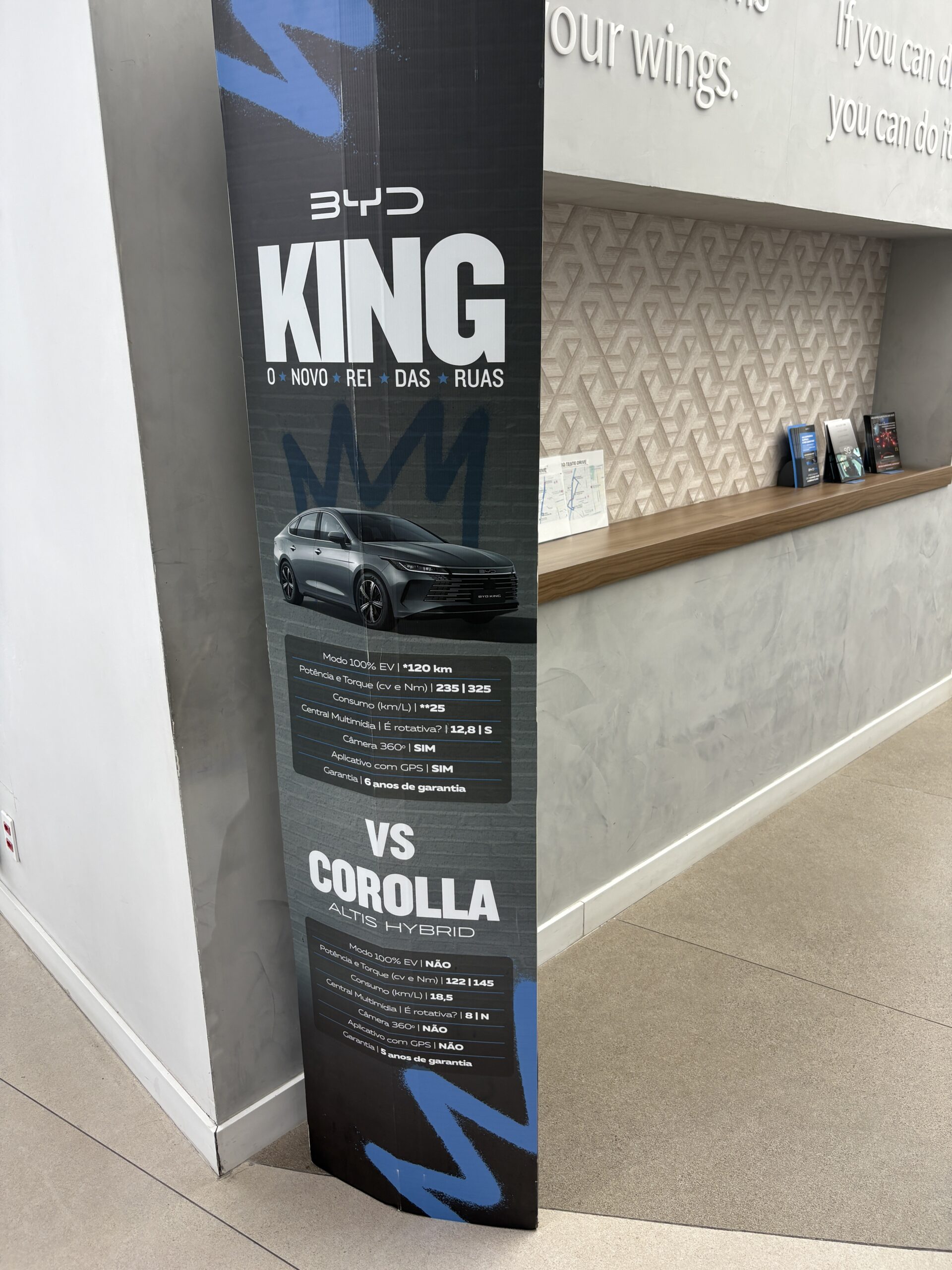
The volume driver behind this surge is the Dolphin Mini (marketed as the Seagull in select international regions), which secured a historic milestone by breaking into the national top three best-selling cars with 9,385 monthly units. However, the psychological turning point for the market is the BYD King plug-in hybrid. In August, the King officially outsold the non-plug-in Toyota Corolla, a dominance cemented in September when the King logged 1,666 sales compared to the Corolla’s 475.
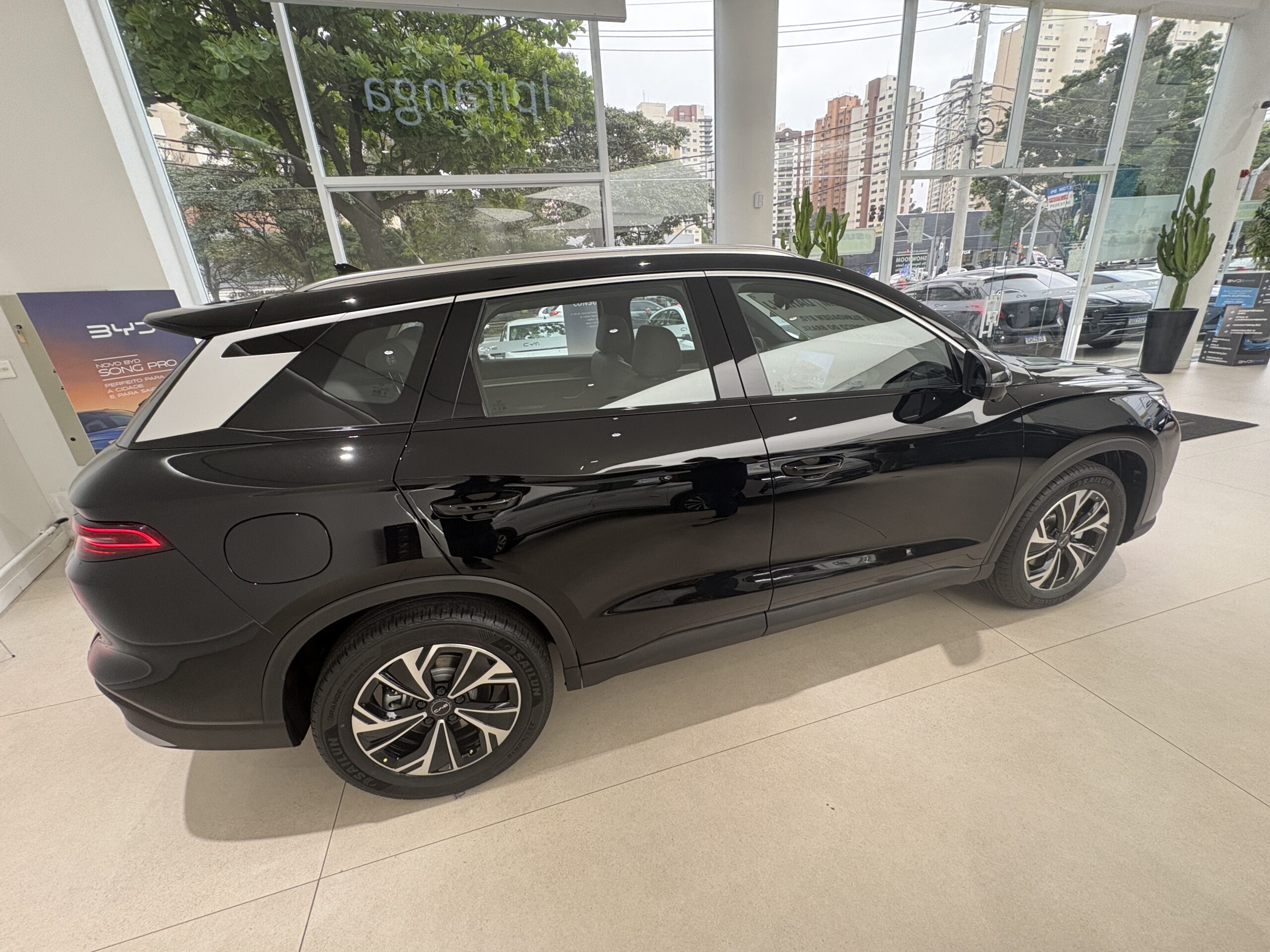
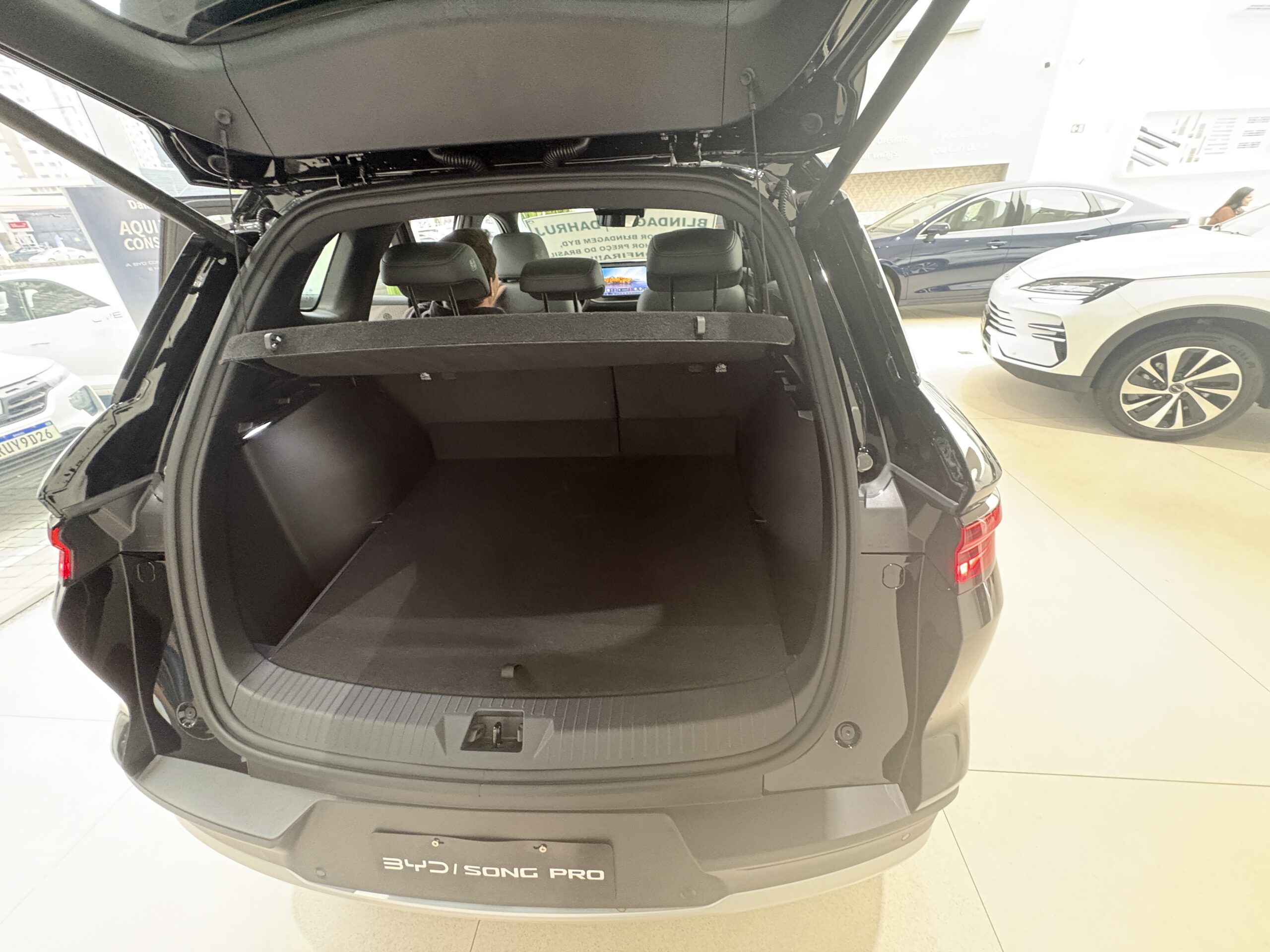
BYD’s strategy extends far beyond imports. The company’s colossal manufacturing facility in Camaçari, Bahia—which officially opened in October 2025 as BYD’s largest production base outside of Asia—represents a staggering R$5.5 billion investment. Initially scaled for an annual capacity of 150,000 vehicles with a long-term target of 600,000, the plant already assembles the Dolphin Mini, King, and Song Pro, supporting a local workforce of 8,500 employees.

Furthermore, anticipation is high for the upcoming Atto 2. Positioned between the Dolphin hatchback and the larger Song Pro, this compact plug-in SUV starts around R$150,000 ($29,000) and offers 110 kilometers of pure electric range. Given Brazil’s patchy public charging infrastructure outside major metropolitan areas, vehicles that offer the flexibility of a plug-in hybrid without sacrificing daily EV commuting are widely expected to dominate sales.
3. Great Wall Motors (GWM): Capturing Utility and Family Segments
Great Wall Motors has similarly carved out a top-ten position in the Brazilian market. The brand’s flagship offering, the Haval H6 flex-hybrid, drove retail SUV sales in September 2026 with roughly 6,400 units, outperforming high-volume internal combustion competitors like the Volkswagen Tera and T-Cross.
GWM’s regional manufacturing footprint is anchored by its plant in Iracemápolis, São Paulo—its first in Latin America—which currently builds the Haval H6, the H9, and the Poer P30 pickup truck, with full capacity targeting 2027.
On the pure-electric front, GWM offers the Ora 03 hatch (known globally as the Ora Good Cat). Launched in Brazil in 2023, the 171-horsepower hatchback features a 58 kWh battery pack and an Inmetro-certified range of 315 kilometers. Priced aggressively at R$149,990 to undercut the BYD Dolphin GS, the Ora 03 has proven so popular that dealership inventory was entirely depleted during our visit, leaving only promotional imagery on display.
The dealership also showcased GWM’s larger luxury portfolio, including the imposing Tank off-roaders and the Wey 07 luxury plug-in hybrid. Equipped with zero-gravity and captain’s second-row seating and priced at R$429,000 ($82,000), these vehicles are rapidly becoming status symbols for affluent Brazilian families seeking premium comfort at a fraction of the cost of traditional European imports.
4. Geely: Technical Prowess Meets Industrial Expansion
As the parent company of global brands like Volvo, Polestar, and Zeekr, Geely was perhaps the most anticipated stop on the itinerary. Geely entered the Brazilian market in 2025 by acquiring a 26.4% stake in Renault do Brasil, committing R$5.8 billion to the Ayrton Senna manufacturing plant in São José dos Pinhais, Paraná.
The locally produced plug-in EX5 EM-i commenced production in September 2026, with commercial sales initiating in November. Meanwhile, the compact EX2 electric hatchback—launched in November 2025 at approximately R$124,600 with an Inmetro range of 289 kilometers—has established itself as the country’s second-best-selling affordable EV.
While Geely’s engineering and pricing strategies are formidable, our aesthetic critique centered on the interior execution. While the exterior designs and marketing campaigns are undeniably sharp, the cabin layouts—featuring quirky elements like stylized city skylines emblazoned across the passenger dashboard—felt visually cluttered to Western sensibilities. Nevertheless, from a pure value-to-performance metric, Geely’s vehicles represent an extraordinary consumer proposition.
Supporting Context & Metrics
To contextualize this retail phenomenon, the broader macroeconomic and regulatory environment in Brazil must be examined. The rapid pivot toward Chinese manufacturers is driven by a convergence of favorable pricing, robust localized warranties (such as BYD’s six-year vehicle coverage), and a pragmatic consumer base that prioritizes total cost of ownership over legacy brand prestige.
| Brand | Key Models Highlighted | Local Production Facility | Strategic Advantage / Market Milestone |
|---|---|---|---|
| Leapmotor | C10, B10 (BEV & REEV) | Goiana (Planned via Stellantis) | Dominates large electric SUV segment (51.3% share); high-range REEV technology. |
| BYD | Dolphin Mini, King, Song Pro, Atto 2 | Camaçari, Bahia (Operational) | Top-tier sales volume (4th overall); King plug-in hybrid outselling Toyota Corolla. |
| GWM | Haval H6, Ora 03, Tank, Wey 07 | Iracemápolis, São Paulo | Haval H6 leading retail SUVs; aggressive pricing on Ora 03 EV. |
| Geely | EX2, EX5 EM-i | São José dos Pinhais, Paraná | Backed by Renault partnership; highly competitive pricing on entry-level urban EVs. |
The infrastructure reality in South America also dictates powertrain selection. While battery-electric vehicles (BEVs) like the Dolphin Mini and Geely EX2 thrive as urban runabouts where nightly home charging is accessible, long-distance driving remains constrained by sparse highway charging networks. Consequently, range-extended electric vehicles (REEVs) and plug-in hybrid electric vehicles (PHEVs)—such as the Leapmotor B10 REEV, BYD King, and GWM Haval H6—are capturing the hearts and wallets of motorists who require absolute freedom from range anxiety.

Official Statements and Industry Insights
The speed at which these transformations are occurring has caught traditional legacy automakers flat-footed. Industry analysts note that Chinese automakers have successfully decoupled the notion of "electric mobility" from "luxury pricing," democratizing access to advanced driver-assistance systems (ADAS), high-capacity digital cockpits, and electrified powertrains.
Dealership representatives during our São Paulo tour emphasized that consumer psychology in Brazil has undergone a fundamental shift. "A good reputation only lasts so long," noted one local automotive observer when discussing the decline of the Toyota Corolla relative to the BYD King. When consumers are presented with a vehicle that offers superior power, significantly lower fuel consumption, a 120-kilometer all-electric driving mode, an extended warranty, and a price tag thousands of dollars below legacy equivalents, historical brand loyalty rapidly dissolves.
Furthermore, the willingness of these groups to partner with established local manufacturing entities—such as Stellantis handling Leapmotor, BYD building a dedicated mega-factory in Bahia, and Geely acquiring a stake in Renault do Brasil—underscores a long-term commitment. These are not fly-by-night import schemes; they are deeply rooted industrial investments designed to secure domestic market dominance.
Future Outlook
As the Brazilian automotive sector closes out 2026, the competitive dynamics observed in São Paulo point toward a definitive next phase: the transition from imported novelty to locally manufactured ubiquity.
The coming years will see factory floors in Bahia, Paraná, Goiana, and São Paulo ramp up to full commercial capacity. By domesticating the supply chain—incorporating regional stamping, welding, and painting operations—these Chinese automotive groups will further insulate themselves against currency fluctuations and import tariffs, tightening their stranglehold on the market.
For consumers, this competitive bloodbath is an undeniable win, offering world-class electrified transport tailored to the unique topographical and infrastructural demands of South America. For legacy automakers, the writing is on the wall: adapt to the new paradigm of affordable, high-tech electrification, or risk being permanently sidelined in one of the world’s most dynamic emerging auto markets.



