By Jim Giles
Editor-at-Large, Trellis Group
Executive Overview
Microsoft’s appetite for carbon removal is virtually unmatched in the corporate world. According to comprehensive data and analytics from CDR.fyi, the tech giant has purchased five times more carbon removal credits than the next 10 largest corporate buyers combined. This staggering volume underscores Microsoft’s aggressive stance on addressing the climate crisis, positioning the company not just as a consumer of offsets, but as a central market-maker in the evolving carbon removal ecosystem.
Beyond its massive purchasing power, Microsoft has established a reputation for open-sourcing its internal learnings, sharing methodological frameworks, and aggressively collaborating on rigorous standards for the nascent removals market. In a recent disclosure, the company unpacked the precise rationale behind its decision to contract for just over 6 million carbon removal credits from four distinct projects spanning forestry, regenerative agriculture, and industrial carbon capture.
These high-stakes investments are more than corporate philanthropy; they are core components of Microsoft’s strategy to achieve its ambitious 2030 target of becoming fully carbon-negative. However, as global demand for artificial intelligence accelerates the expansion of resource-intensive data centers, the friction between corporate emissions growth and carbon removal math has never been more pronounced. This report examines the key takeaways from Microsoft’s latest contracting wave, evaluates the integrity mechanisms embedded in its portfolio, and assesses whether these monumental investments will ultimately be enough to secure the company’s climate legacy.
Detailed Chronology: How Microsoft Built a Market-Dominating Portfolio
To understand Microsoft’s current footprint in the carbon removal market, it is necessary to trace the chronology of its strategic interventions over recent years. The tech giant’s journey from a conventional corporate sustainability framework to an aggressive market architect unfolded through several critical milestones.
Early Positioning and Strategic Signaling
When Microsoft first announced its pledge in 2020 to become carbon-negative by 2030—promising to remove all of its historical emissions by 2050—the voluntary carbon market (VCM) was plagued by skepticism, lax methodologies, and a lack of standardized verification. Recognizing that low-quality offsets could expose the company to reputational damage and fail to deliver genuine atmospheric benefits, Microsoft pivoted away from traditional avoidance credits and threw its weight behind durable carbon removal.
The 2024 Industrial Scale-Up
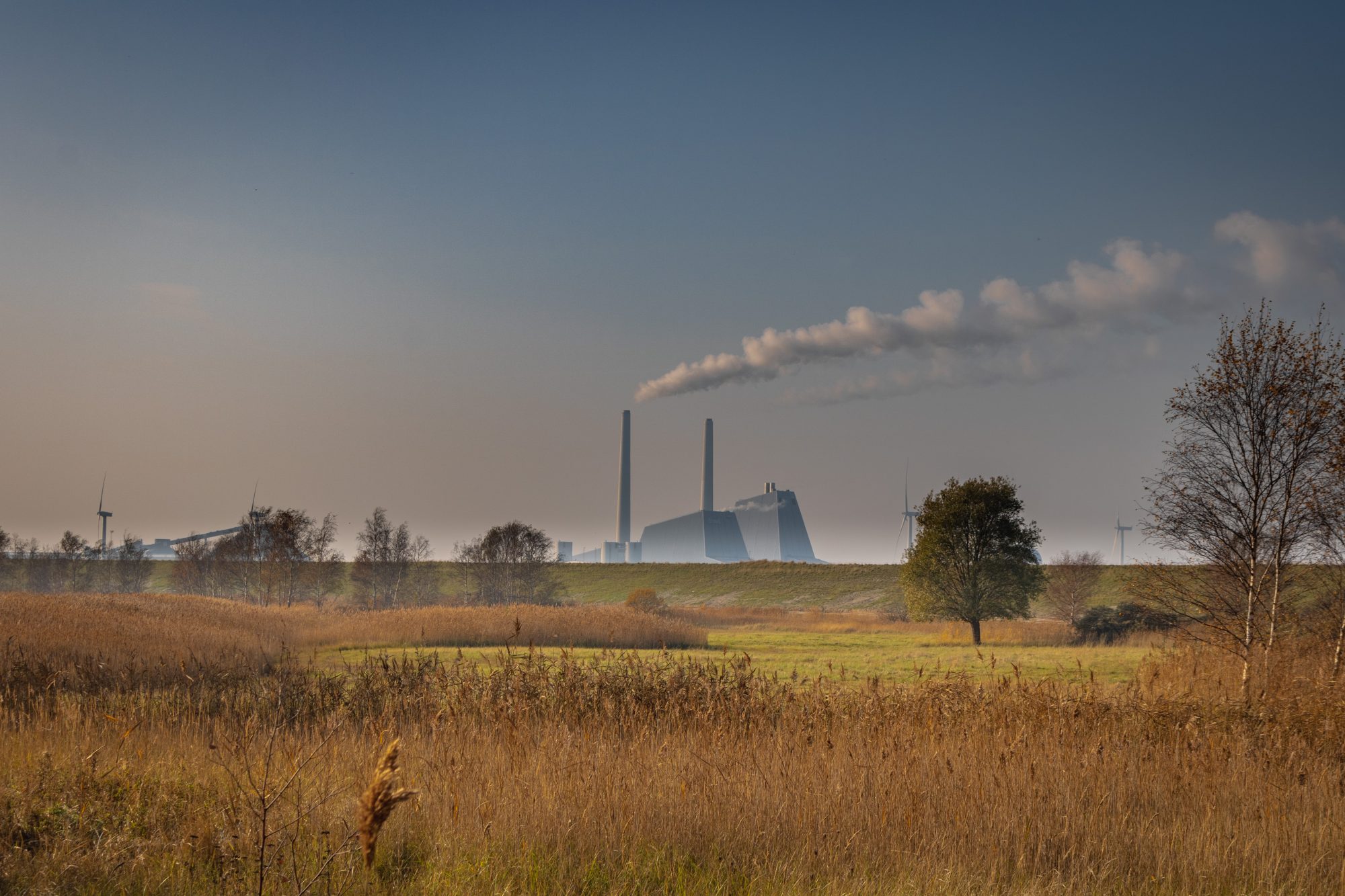
By 2024, Microsoft’s contracting strategy had shifted toward massive industrial and bioenergy ventures. A prime example of this evolution was the company’s contracting of 1 million removal credits from the Avedøre Power Station near Copenhagen. Operated by Ørsted, the facility utilizes biomass—specifically crop residues—to generate energy while capturing and storing the resulting emissions. This milestone signaled to the market that Microsoft was willing to absorb the high upfront capital risks associated with Bioenergy with Carbon Capture and Storage (BECCS).
The 2025 Volume Surge and Transparency Shift
In its 2024 and 2025 sustainability reports, Microsoft estimated that it would need to retire close to 6 million carbon removal credits in the target year of 2030 to fulfill its carbon-negative mandate. Demonstrating this trajectory, the company’s July 2025 sustainability report revealed that it had contracted for a staggering 45 million tons of removals in support of that goal. Simultaneously, Microsoft pulled back the curtain on its selection criteria, releasing detailed breakdowns of why it chose specific projects across forests, agriculture, and industrial setups. By making its due diligence public, Microsoft aims to elevate industry standards and protect the broader market from greenwashing scandals.
Supporting Context & Metrics: Methodological Rigor and Market Integrity
The voluntary carbon market has suffered severe turbulence in recent years, driven by investigative reports uncovering phantom projects, inflated baselines, and a lack of on-the-ground verification. Microsoft’s recent disclosures offer a masterclass in how sophisticated buyers are attempting to insulate their portfolios against these systemic failures.
+---------------------------------------------------------------------------+
|                   MICROSOFT CARBON REMOVAL INTEGRITY PILLARS              |
+---------------------------------------------------------------------------+
| 1. Dynamic Baselines         | Adjusting future projections via control   |
|                              | areas and evolving macroeconomic/policy    |
|                              | parameters rather than static assumptions. |
+---------------------------------------------------------------------------+
| 2. Measure-and-Model Approach| Combining direct soil sampling, remote     |
|                              | sensing (drones), predictive modeling, and |
|                              | rigorous third-party verification.         |
+---------------------------------------------------------------------------+
| 3. Strict Biomass Sourcing   | Aligning bioenergy projects with guardrails|
|                              | developed alongside Carbon Direct to       |
|                              | prevent extractive forestry.               |
+---------------------------------------------------------------------------+
1. Better Baselines to Prevent Counterfactual Fraud
One of the most persistent vulnerabilities in carbon crediting has been flawed baselines—hypothetical estimates of what would have happened to a landscape or industrial process in the absence of the intervention. Developers use these baselines to calculate the volume of credits they are permitted to issue. For instance, in a reforestation initiative, the baseline depends on how much carbon the land would naturally absorb without human intervention. If developers set these baselines unrealistically low, projects can flood the market with unearned credits.
To counter this, Microsoft’s nature-based investments rely heavily on "dynamic baselines" that evolve over time alongside changing environmental and economic conditions:
- Brazilian Reforestation Projects: Developed in partnership with firms like Mombak, these projects adjust their baselines by continuously monitoring designated control areas that share the exact pre-project ecological conditions of the intervention zones.
- Sustainable Timber Initiatives: Microsoft mandates dynamic baselines that track shifting regional policy frameworks and timber market dynamics, ensuring that credits only reward actions that go above and beyond business-as-usual trends.
2. The "Measure and Model" Standard
External investigations—such as Bloomberg’s rigorous examination of carbon projects in China earlier this year—have frequently exposed projects that were either completely unbuilt or lacked the emissions-control infrastructure required to justify their credit issuance.
To bridge the visibility gap between corporate buyers and real-world project sites, developers must deploy multi-layered verification technologies. Microsoft exemplifies this approach through its 2.9-million-credit contract with Indigo Carbon, a developer working directly with farmers to implement regenerative agricultural practices such as cover cropping and reduced tillage.
- Data Integration: Indigo utilizes a "measure and model" architecture that synthesizes physical soil core samples, advanced biogeochemical modeling, and independent third-party audits.
- Remote Sensing: For its forestry endeavors in Brazil, developer Mombak employs drone fleets to survey vast tracts of land, providing continuous photographic and telemetry data to prove canopy growth and carbon storage.
3. Selective Sourcing and Biomass Guardrails
Industrial-scale carbon removal utilizing biomass—such as the Ørsted project at the Avedøre Power Station—carries an inherent ecological risk. If a facility burns crop residues, it is generally considered carbon-neutral or carbon-negative. However, if the supply chain degrades or developers resort to using virgin timber or extractive forestry to feed the boilers, the net climate benefit is entirely nullified.
Microsoft’s navigation of this risk highlights the value of strict regulatory alignment. The Danish regulations governing the Avedøre project are tightly harmonized with the sustainable agricultural biomass sourcing guidelines published by carbon management firm Carbon Direct. Crucially, these guidelines were developed with financial and technical support from Microsoft, ensuring that the company’s procurement policies directly shape the regulatory frameworks of the jurisdictions in which it operates.
Official Statements and Industry Perspectives
Microsoft’s strategy is heavily influenced by the understanding that individual corporate action, no matter how well-funded, cannot single-handedly fix a fractured global market. By open-sourcing its internal rubrics, the company hopes to establish a de facto benchmark for high-integrity carbon removal.
In recent briefings accompanying its procurement disclosures, Microsoft sustainability leadership emphasized that the integrity of the carbon removal market relies entirely on transparency and institutional accountability. "We cannot afford a race to the bottom," an internal sustainability representative noted during a recent stakeholder briefing. "If the credits we buy today are found to be illusory tomorrow, the entire foundation of corporate net-zero commitments collapses."
Independent analysts have largely praised Microsoft’s commitment to methodological transparency, noting that its insistence on dynamic baselines and rigorous ground-truthing sets a high bar for other Fortune 500 companies. However, external observers also caution that the complexity and cost of implementing these rigorous verification frameworks could price smaller buyers out of the market, potentially concentrating high-quality removal credits within a handful of hyper-wealthy tech conglomerates.
Future Outlook: Will Microsoft’s Investments Be Enough for 2030?
As the calendar ticks closer to 2030, the ultimate test of Microsoft’s strategy will not be the volume of credits it contracts, but whether its carbon removal acquisitions can successfully outpace its operational emissions growth.
The AI Infrastructure Boom and Scope 3 Emissions
In its 2024 and 2025 sustainability reports, Microsoft reaffirmed its core objective: retiring approximately 6 million carbon removal credits in 2030 to achieve its net-negative status. Yet, this ambition runs headfirst into the staggering resource demands of the artificial intelligence boom.
During the same fiscal year that Microsoft contracted for 45 million tons of future removals, its overall emissions jumped by 25 percent. This spike was driven by an unprecedented construction blitz to build new, energy-intensive data centers designed to power advanced generative AI models and cloud computing infrastructure. Securing reliable, zero-carbon electricity for these facilities has strained local grids and forced the tech sector to grapple with soaring Scope 3 supply chain emissions.
The Missing Math
Critics and climate analysts have noted a glaring omission in Microsoft’s latest July sustainability report: the company did not provide an updated estimate of the total carbon removal credits it will actually need to achieve its 2030 goal in light of the 25 percent emissions surge. Given the rapid expansion of its AI data center footprint, it is widely assumed that the true number of credits required to offset its expanded carbon footprint is now significantly greater than the original 6-million-credit baseline.
Conclusion
Microsoft remains an indispensable catalyst in the carbon removal economy. By funding novel industrial projects, enforcing strict dynamic baselines, and refusing to rely on unchecked offset registries, the company is actively forging the infrastructure of a legitimate climate market.
However, the sobering reality of the AI revolution serves as a stark reminder that carbon removal purchases are a palliative, not a cure. For Microsoft to genuinely claim victory in 2030, its groundbreaking investments in carbon removal must be matched by an equally aggressive decarbonization of its underlying energy grid and supply chains. Until the math of soaring data center emissions aligns with the physical limits of carbon removal capacity, Microsoft’s multi-million credit gamble remains a high-stakes race against time.