

Executive Overview
For decades, Australia remained a remote sanctuary, largely insulated from the devastating global march of the highly pathogenic H5N1 avian influenza. That geographical isolation, which once protected the continent’s unique endemic wildlife, is now eroding.
In recent months, a fast-moving, virulent strain of H5N1 has gained a perilous foothold across southeastern Australia, tearing through coastal and inland bird populations before successfully breaching the mammalian barrier.
What began as localized avian mortality events has escalated into an ecological crisis of alarming proportions. The virus has now been detected in a chilling lineup of Australian wildlife: red foxes, long-nosed fur seals, a common dolphin, and, most alarmingly, a critically endangered Australian sea lion on Kangaroo Island.
Marine researchers, conservationists, and government veterinarians are grappling with an unprecedented veterinary emergency. Unlike previous strains of avian flu, this iteration of H5N1 possesses a dangerous capacity to invade the central nervous systems of mammals, causing severe neurological deterioration, encephalitis, and death.
With bird breeding seasons in full swing and massive colonies congregating along Australia’s shores, experts warn that the window to mitigate widespread ecosystem disruption is rapidly closing. While complete containment is no longer feasible, scientists emphasize that aggressive intervention—particularly the swift and safe removal of infected carcasses—remains vital to safeguarding Australia’s fragile biodiversity.
Detailed Chronology of an Escalating Crisis
The timeline of the H5N1 incursion into southeastern Australia highlights a rapid and alarming escalation from avian populations to terrestrial and marine mammals.
The Avian Catalyst
The crisis roots itself in the rapid dissemination of the virus among wild bird species traversing southeastern Australia. Species including little penguins (Eudyptula minor), Australian magpies (Gymnorhina tibicen), crested terns (Thalasseus bergii), and pelicans (Pelecanus conspicillatus) have acted as primary vectors. As these birds aggregate along coastlines and wetlands during their annual breeding cycles, the high-density mixing bowls accelerate transmission rates exponentially. In September, authorities recorded the nation’s first confirmed H5N1 case in a pelican on the Yorke Peninsula, signaling that iconic coastal species were falling victim to the spreading tide.
The First Mammalian Breach: Late August
The epidemiological landscape shifted dramatically in late August when the virus crossed the interspecies divide. Officials confirmed that a red fox (Vulpes vulpes) in Adelaide, South Australia, had contracted H5N1. While red foxes are introduced pests rather than native icons, their scavenging habits immediately raised red flags among biosecurity experts.
Shortly thereafter, South Australian authorities confirmed that long-nosed fur seals (Arctocephalus forsteri) had also fallen prey to the pathogen, marking the first time marine mammals in the country were documented contracting the disease.
The Marine Catastrophe: September
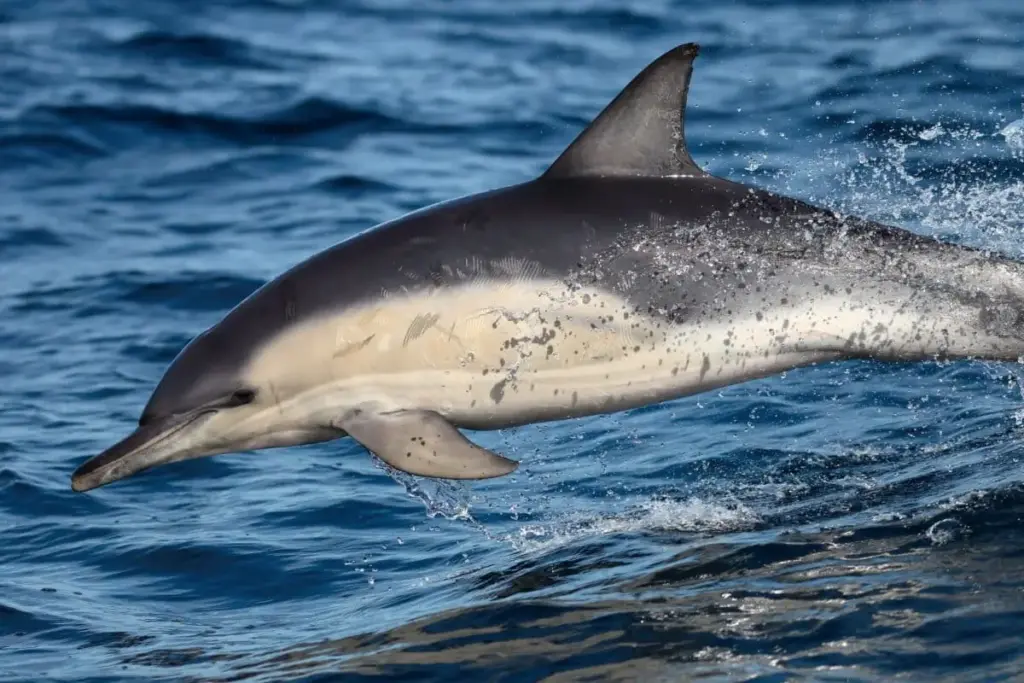
September delivered a compounding series of grim milestones. State authorities confirmed H5N1 infections in a common dolphin (Delphinus delphis) in Goolwa and an Australian sea lion (Neophoca cinerea) on Kangaroo Island.
The death of the sea lion marks a watershed moment in Australian conservation history. According to South Australian Environment Minister Emily Bourke, the individual was already recovering from a severe shark attack when it succumbed to the virus. Because the Australian sea lion is a critically endangered species whose population is already declining by roughly 2% annually, the loss of even a single individual carries heavy demographic consequences.
Supporting Context & Metrics: Understanding the Pathology and Vulnerability
To fully grasp the gravity of the current situation in Australia, one must examine the behavior of the H5N1 virus, the pathways of transmission, and the unique structural vulnerabilities of the Australian ecosystem.
Neurological Assault: How H5N1 Attacks Mammals
The contemporary strain of H5N1 differs fundamentally from historical avian influenza strains due to its systemic behavior inside non-avian hosts. According to Bill Bateman, an associate professor of behavioral ecology at Curtin University, this evolving strain possesses a unique affinity for neurological tissue.
When mammals ingest infected tissue or inhale viral particles, the virus can bypass standard barriers and invade the central nervous system. This results in severe inflammation of the brain (encephalitis), manifesting as erratic swimming behavior in marine mammals, disorientation, loss of motor control, tremors, and ultimately, death.

Pathways of Marine Transmission
Marine mammals—such as sea lions, fur seals, and dolphins—do not typically interact with live land birds, raising questions about how the virus bridges the gap to pelagic species. Scientists point to shared coastal ecosystems as the primary vector.
Sick or dying seabirds frequently seek refuge on beaches and rocky outcrops where marine mammals haul out to rest. When these birds succumb, their bodies release massive viral loads into the immediate environment. Marine mammals can contract the virus through several routes:
- Direct Predation: Opportunistic marine predators or scavengers consuming infected seabird carcasses.
- Environmental Exposure: Direct contact with bodily fluids, feces, or respiratory droplets shed by sick birds into shallow coastal waters or intertidal zones.
- Contaminated Substrate: Resting on sandy beaches or rocks heavily contaminated by the viral shed of thousands of migrating or breeding seabirds.
The Scavenger Dilemma
Scavenging animals represent a critical missing link in Australia’s viral response strategy. Terrestrial scavengers like foxes, wild dogs, and raptors consume dead birds along coastlines, inadvertently acting as mobile vectors that transport infected carcasses deeper inland. This introduces the virus to entirely new terrestrial ecosystems, threatening marsupials, livestock, and domestic animals.
Official Statements and Expert Perspectives
As state and federal agencies race to coordinate a unified response, key leaders and scientific authorities have spoken out on the unprecedented nature of the crisis.
Government Response and Assessment
State authorities have moved swiftly to monitor, test, and document the spread.
- Victoria’s Chief Biodiversity Officer, James Todd, noted that seasonal bird aggregations during breeding periods will almost certainly accelerate transmission vectors moving from avian populations into vulnerable mammalian reservoirs.
- Acting Chief Veterinary Officer Cameron Bell addressed the role of terrestrial scavengers, emphasizing that while wild foxes generally do not act as efficient primary spreaders of the respiratory virus, their propensity to scavenge and move infected carcasses across diverse habitats poses a severe logistical and biosecurity threat.
- South Australian Environment Minister Emily Bourke underscored the compounding tragedy of the sea lion mortality, noting the species’ precarious conservation status. Reflecting on the broader footprint of the outbreak, Bourke confirmed that South Australia has become the epicenter of the mammalian spillover event, noting cases spanning fur seals, dolphins, and pelicans.
Scientific Alarm
The scientific community has expressed profound concern over the speed at which apex marine predators are succumbing to the virus.
Cetacean researcher Mike Bossley voiced deep apprehension regarding the dolphin case in Goolwa. In media reports, Bossley described the rapid infection of a pelagic cetacean as both "shocking and very worrying," pointing to the unpredictable nature of marine transmission vectors.
Writing in The Conversation, Associate Professor Bill Bateman framed the situation in stark terms:
"The first confirmed H5N1 death recorded for [the Australian sea lion] in Australia marks a significant and worrying moment for Australian wildlife. This strain of the virus is a wide-ranging threat able to affect entire ecosystems. We must do what we can to protect them."
Bateman emphasized that while halting the continental spread of H5N1 entirely is no longer realistically achievable, humanity is not entirely powerless. Targeted interventions can substantially blunt the ecological blow.
Future Outlook: Mitigation, Monitoring, and Ecosystem Resilience
With H5N1 firmly established across the Australian landscape, wildlife management agencies, research institutions, and citizen science groups are shifting their focus from prevention to active mitigation and ecosystem defense.
Crucial Intervention Strategies
Because the virus utilizes dead biomass as a primary engine for environmental persistence, removing viral reservoirs is the single most effective line of defense.
- Carcass Removal Protocols: Trained biosecurity teams and wildlife officers must prioritize the rapid, safe collection and disposal of dead seabirds and marine mammals. Removing these carcasses prevents terrestrial and avian scavengers from feeding on concentrated viral loads, thereby breaking the chain of transmission.
- Surveillance and Early Warning Networks: Citizen science initiatives are playing an indispensable role on the front lines. Along South Australia’s Fleurieu Peninsula, dedicated volunteers with organizations like the Victor Harbor Dolphin Watch Group are patrolling coastlines, actively scanning for marine mammals exhibiting abnormal swimming patterns, lethargy, or neurological distress. Such rapid-reporting networks allow government veterinarians to collect timely samples and track the micro-epidemiology of the outbreak.
- Protecting Breeding Colonies: Authorities are evaluating temporary access restrictions around sensitive seabird rookeries and marine mammal haul-out sites to minimize human-induced stress and prevent accidental human-mediated transport of the virus on footwear or equipment.
The Road Ahead
The incursion of H5N1 into Australia marks the dawn of a challenging new chapter for the continent’s unique biodiversity. As the virus continues to circulate among dense bird aggregations and adapt to novel mammalian hosts, the long-term impacts on threatened species—such as the Australian sea lion and various endemic seabirds—remain deeply uncertain.
Protecting these populations will require unprecedented cross-sector collaboration between federal biosecurity agencies, state wildlife departments, academic researchers, and local communities. Only through rigorous surveillance, rapid carcass management, and active ecosystem stewardship can Australia hope to weather the storm and shield its irreplaceable wildlife from the full fury of the H5N1 pandemic.



