

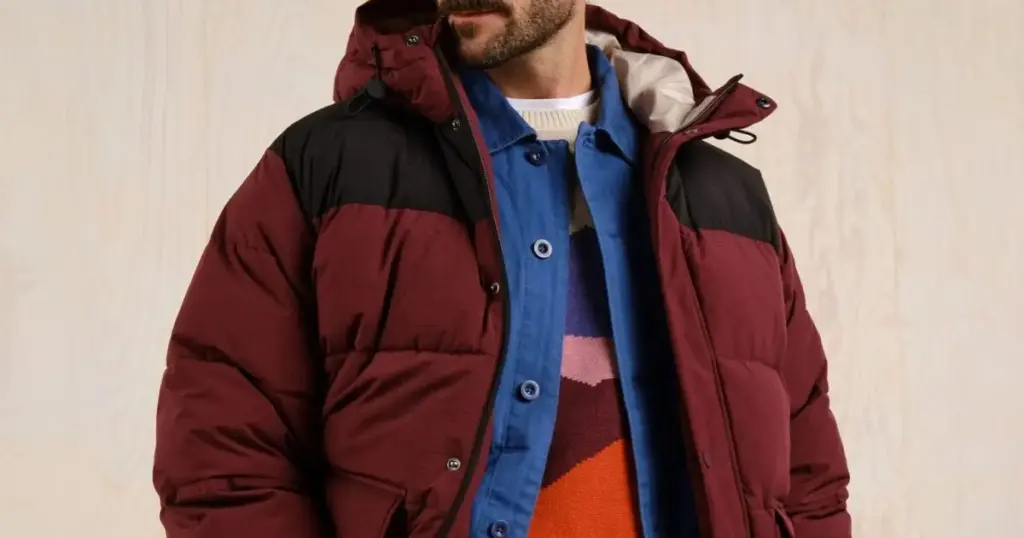
Executive Overview
As winter approaches, the iconic puffer jacket re-emerges as a cold-weather wardrobe staple, balancing utilitarian necessity with urban aesthetics. However, the environmental toll of traditional puffer production has historically been severe. Conventional fast-fashion variants rely heavily on fossil-fuel-derived polyvinyl chloride (PVC), virgin synthetic fills like virgin polyester, and ethically compromised duck down feathers harvested through contentious practices.
This article investigates the ongoing evolution of sustainable outerwear, examining the material innovations replacing traditional synthetics and evaluating the brands setting new standards for ethical manufacturing. By transitioning toward closed-loop systems, recycled polyethylene terephthalate (rPET), plant-based insulation, and cruelty-free alternatives, the fashion industry is beginning to address its profound carbon and waste footprint.
Furthermore, this report explores the nuances of consumer choices—specifically navigating the trade-offs of recycled synthetics, which remain vulnerable to microplastic shedding. Featuring comprehensive analyses of forward-thinking brands like NIKIN, SeamsFriendly, tentree, BEDI, and Wuxly Movement, we provide a definitive guide for consumers seeking to align their seasonal wardrobes with ecological and ethical values.
Detailed Chronology: The Evolution of the Puffer Jacket and Sustainable Alternatives
To understand where sustainable outerwear stands today, it is essential to trace how the puffer jacket evolved from an extreme-weather survival garment into a mass-market fashion commodity, and subsequently, a focal point for eco-conscious textile engineering.
1. The Utility Era (1930s–1980s)
- 1936: Outdoor adventurer Eddie Bauer invents the "Skyliner" jacket, widely recognized as the first America-patented down-insulated jacket, following a near-fatal hypothermia experience in the winter wilderness. The filling relies exclusively on goose down for thermal retention.
- 1970s–1980s: High-altitude mountaineering brands commercialize heavy down puffers. These garments prioritize pure performance over environmental or animal welfare considerations, with feathers sourced unchecked from global agricultural supply chains.
2. The Fast-Fashion Boom and Environmental Toll (1990s–2010s)
- Late 1990s to 2000s: The puffer transitions from specialized gear to mainstream streetwear. Fast-fashion conglomerates mass-produce inexpensive variations utilizing cheap, virgin polyester shells, petroleum-based plastic coatings, and live-plucked down feathers.
- Early 2010s: Investigative reports expose widespread cruelty in down-feather harvesting. Simultaneously, synthetic microfiber pollution is identified as a major oceanic crisis, casting a long shadow over the lifecycle of virgin and recycled polyester garments.
3. The Circular and Plant-Based Revolution (2015–Present)
- 2015–2018: Pioneering outerwear brands begin substituting down with advanced plant-based insulations (such as cotton blends and kapok fibers) and utilizing rPET sourced from post-consumer plastic bottles.
- 2020s: Certifications such as the Responsible Down Standard (RDS) become baseline requirements, while next-generation innovators experiment with salvaged materials—ranging from discarded automotive seatbelts to advanced bio-synthetics—ushering in an era of circular outerwear design.
Supporting Context & Metrics: The Anatomy of a Responsible Puffer
What truly constitutes a "sustainable" puffer jacket? At its core, responsible outerwear requires a dual approach: eliminating the exploitation of animals and decoupling the garment’s lifecycle from virgin fossil-fuel extraction.
The Material Breakdown: Synthetics vs. Plant-Based Fills
Conventional puffers rely on duck or goose down. While thermally efficient, down supply chains frequently suffer from poor animal welfare transparency. Sustainable alternatives approach insulation differently:
- Plant-Based and Organic Fillings: Innovative brands utilize organic cotton, kapok fibers, or specialized bio-polymers. These materials offer respectable warmth-to-weight ratios without contributing to microplastic pollution or animal cruelty.
- Recycled PET (rPET): Sourced from post-consumer plastic bottles, rPET diverts non-biodegradable waste from landfills and oceans. Manufacturing recycled polyester consumes significantly less energy and generates lower carbon emissions than producing virgin polyester.
- The Microplastic Dilemma: While rPET is a step forward, it is not a silver bullet. Synthetic textiles—whether virgin or recycled—shed microfibers during washing. Because outerwear is laundered far less frequently than base layers or daily t-shirts, the microplastic shedding rate is drastically lower. However, conscious consumers are encouraged to utilize specialized washing bags (such as Guppyfriend bags) or filter systems to capture loose fibers before they enter municipal wastewater systems.
+-------------------------------------------------------------------------+
|                  Life-Cycle Comparison of Puffer Fills                  |
+---------------------------+-------------------+-------------------------+
| Metric                    | Conventional Down | Plant-Based / rPET      |
+---------------------------+-------------------+-------------------------+
| Animal Welfare Risk       | High (Live-pluck) | None                    |
| Carbon Footprint          | Moderate to High  | Low to Moderate         |
| Biodegradability          | High              | Varies (Low to Moderate)|
| Landfill Diversion Impact | None              | High (Post-consumer)    |
+---------------------------+-------------------+-------------------------+
Brand Profiles: Leaders in Ethical and Sustainable Outerwear
Independent ratings systems, such as those provided by Good On You, evaluate fashion brands based on their impact on people, the planet, and animals. Below is an in-depth look at curated brands excelling in responsible outerwear production.
1. NIKIN
- The Ethos: Swiss-based brand NIKIN operates with a transparent mission to reconnect consumers with nature. Emphasizing environmental activism, the brand plants a tree for every single product purchased, allowing consumers to outwardly display their commitment to reforestation.
- Sizing & Inclusivity: Products are widely available in sizes ranging from XS to 2XL.
- Sustainability Focus: NIKIN integrates lower-impact materials and transparent supply chains, making it a favorite for eco-conscious urban explorers looking to wear their values quite literally on their sleeves.
2. SeamsFriendly
- The Ethos: Recognizing that standard sizing alienates a vast demographic of shoppers, SeamsFriendly specializes in customizable clothing for women, men, and children across all body types, heights, and proportions.
- Sizing & Inclusivity: Offers extensive customization. Womenswear spans bust sizes from 26 inches to 70 inches and waist sizes from 19 inches to 63 inches, with petite, regular, and tall heights. Menswear accommodates chest sizes from 34 inches to 76 inches and above with free custom sizing. A dedicated children’s range is also available.
- Sustainability Focus: By minimizing deadstock through made-to-order and highly customizable manufacturing, SeamsFriendly tackles one of the fashion industry’s most pervasive issues: overproduction and waste.
3. tentree
- The Ethos: Canadian certified B-Corporation tentree approaches every garment with an "Earth-first" philosophy. True to its name, the brand plants ten trees for every item purchased, contributing to global ecosystem regeneration and community employment. To date, tentree has planted over 65 million trees worldwide.
- Sizing & Inclusivity: Apparel lines are typically available in sizes XS through XL.
- Sustainability Focus: Every piece is constructed in fair, safe working conditions using recycled synthetics, organic cotton, and Tencel, ensuring a minimal environmental footprint from field to finish.
4. BEDI
- The Ethos: BEDI specializes in high-quality, minimalist winter coats and accessories designed for longevity and urban utility. The brand champions the circular economy by repurposing unconventional waste streams.
- Sizing & Inclusivity: The collection is offered in sizes XS through XL.
- Sustainability Focus: BEDI utilizes ingenious recycled materials—including salvaged automotive seatbelts and recycled nylon—proving that high-performance winter wear can be both structurally resilient and radically circular.
5. Wuxly Movement
- The Ethos: A premier Canadian outerwear brand, Wuxly Movement bridges the gap between elite performance wear and ethical manufacturing. Founded on Canada’s heritage of high-quality cold-weather apparel, the brand set out to innovate without exploiting animals.
- Sizing & Inclusivity: Inclusive sizing spans from 2XS to 3XL.
- Sustainability Focus: Wuxly combines advanced technical fabrics with recycled materials to produce parkas and puffers capable of withstanding extreme sub-zero temperatures, completely free of animal down or fur.
Official Statements and Industry Insights
Industry analysts and sustainable fashion advocates emphasize that purchasing a winter coat must shift from a disposable mindset to a long-term investment.
Dr. Elena Vance, a textile circularity researcher, notes:
"When evaluating outerwear, durability is the ultimate sustainability metric. A jacket that lasts ten years while shedding minimal microplastics through infrequent washing is vastly superior to a poorly constructed ‘eco’ garment that disintegrates after two seasons. Consumers must look at the intersection of recycled inputs, repair programs, and end-of-life recycling infrastructure offered by the brand."
Furthermore, organizations like the Sustainable Apparel Coalition stress that brand accountability must extend beyond marketing slogans. Traceability in the supply chain—verifying that garment workers receive living wages and that synthetic inputs originate from certified post-consumer sources—remains the gold standard for responsible manufacturing.
Future Outlook: What Lies Ahead for Sustainable Outerwear?
Looking toward the remainder of the decade, the trajectory of sustainable puffer jackets points toward hyper-circularity and biotechnology.
- Biodegradable Synthetics: Research laboratories are actively developing bio-based polyamides and polyesters that mimic the performance of petroleum plastics while offering complete biodegradability in marine and terrestrial environments.
- Mandatory Digital Product Passports (DPPs): Regulatory shifts, particularly within the European Union, are pushing toward DPPs. These transparency tools will allow consumers to scan a QR code on a puffer jacket’s label to view its exact material composition, carbon footprint, and recycling instructions.
- Take-Back and Repair Infrastructure: Forward-thinking brands are increasingly establishing closed-loop repair and recycling programs. Rather than discarding worn-out puffers into landfills, consumers will soon routinely return them to manufacturers to be broken down into new polymer streams.
Ultimately, the future of the puffer jacket relies on a collaborative shift between conscious consumerism and corporate accountability. By prioritizing certified recycled materials, supporting inclusive and ethical brands, and caring for garments with longevity in mind, winter wardrobes can keep us warm without leaving the planet out in the cold.
Editor’s Note: Feature image via Dedicated; all other images via respective brands mentioned. Good On You publishes comprehensive ratings evaluating fashion brands on their impact on people, the planet, and animals. Explore the directory to search thousands of rated brands.



