

Executive Overview
As the golden hues of autumn gradually give way to the starker landscapes of winter, gardeners across the United Kingdom face a familiar seasonal imperative: clearing away fallen leaves, cutting back perennials, and preparing outdoor spaces for the frost ahead. Traditionally viewed as a period of garden dormancy, autumn is increasingly recognized by horticulturalists as the most strategic window of the entire year to lay the groundwork for next season’s success. Amidst the flurry of mulching and pruning, a parallel shift is occurring within the British household: an increased focus on sustainability, waste reduction, and the circular economy.
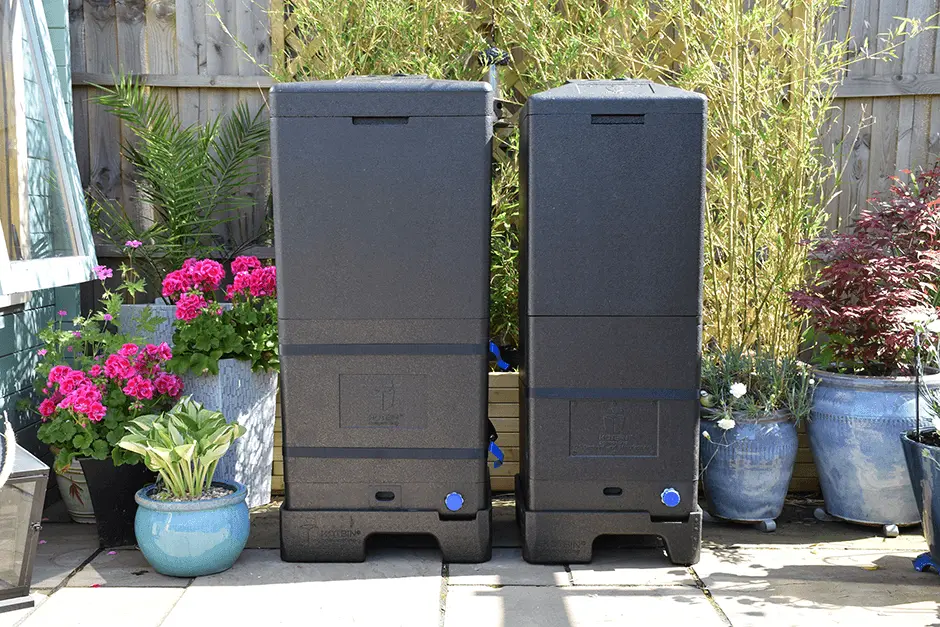
Enter the modern composting revolution—a movement shifting away from slow, neglected cold-pile heaps tucked away in the darkest corners of the garden, toward rapid, high-efficiency systems capable of processing virtually all organic household waste. At the forefront of this movement is the acclaimed HOTBIN composter, a system engineered to accelerate biological decomposition dramatically through high-temperature aerobic digestion.
To celebrate this seasonal transition and promote sustainable living practices, an exclusive promotional giveaway has been launched in partnership with BBC Gardeners’ World Magazine. Two lucky UK-based winners will have the opportunity to secure a high-value composting bundle worth up to £313. This initiative arrives at a crucial intersection of environmental consciousness, municipal waste management pressures, and the rising cost of commercial fertilizers and peat-based growing media.
This comprehensive report explores the mechanics of modern rapid composting, examines the ecological imperatives driving domestic waste reduction, details the accolades and engineering behind the award-winning HOTBIN system, and provides complete information regarding the upcoming prize draw, terms, and entry procedures.
Detailed Chronology: The Evolution of Domestic Composting and the Rise of Rapid Thermal Systems
To understand the significance of modern composting technology, one must first examine the historical trajectory of organic waste management. For generations, backyard composting was a passive, serendipitous affair. Gardeners would construct rudimentary wooden pallet bins or wire enclosures, dumping alternating layers of "greens" (nitrogen-rich grass clippings and kitchen trimmings) and "browns" (carbon-rich autumn leaves and woody stems).
The Limitations of Traditional Cold Composting
Under traditional methods—often classified as cold or passive composting—microbial activity relies heavily on ambient temperatures and naturally occurring mesophilic bacteria. While effective over long horizons, this approach presents several distinct disadvantages:
- Extended Timelines: Cold piles typically require anywhere from six months to two years to fully break down into usable humus.
- Vector Attraction: Because temperatures remain relatively low, food scraps, particularly cooked foods, meat, and dairy, inevitably attract pests such as rats, mice, and flies. Consequently, traditional composting advice strictly forbade the inclusion of kitchen leftovers.
- Seed and Pathogen Viability: Low-temperature heaps rarely achieve the thermal thresholds required to neutralize weed seeds, plant pathogens, and fungal spores, meaning finished compost can inadvertently reintroduce weeds into garden beds.
The Thermal Revolution
The paradigm shifted with the advent of aerobic hot composting. By optimizing the physical and biological parameters of the decomposition process—specifically oxygen flow, moisture retention, particle size, and carbon-to-nitrogen ratios—scientists and engineers discovered that thermophilic (heat-loving) bacteria could be harnessed to dramatically accelerate waste breakdown.
The development of the HOTBIN system marked a major milestone in this evolution. Designed to eliminate the guesswork of traditional composting, the unit uses high-density expanded polypropylene (EPP) insulation to trap the metabolic heat generated by billions of aerobic bacteria. Unlike a standard wooden bin that allows heat to dissipate rapidly into the cold autumn and winter air, an insulated hot composter maintains internal core temperatures between 40°C and 60°C (104°F to 140°F) year-round.
This sustained high temperature triggers a rapid cascade of biological activity:
- Mesophilic Phase (Days 1–3): Initial colonization by fungi and bacteria breaks down readily available sugars and starches, gently raising internal temperatures.
- Thermophilic Phase (Days 3–30+): As temperatures surpass 45°C, thermophilic bacteria take over, rapidly consuming complex organic molecules, proteins, and cellulose. Pathogens and weed seeds are systematically sterilized.
- Maturation Phase: Once the active thermal phase subsides, mesophilic fungi and macro-invertebrates (such as composting worms) refine the material, transforming it into rich, nutrient-dense humus.
Through this engineering achievement, the timeline for converting household and garden waste into garden-ready compost has shrunk from years to a matter of weeks.
Supporting Context & Metrics: The Environmental Imperative and Industry Recognition
The launch of the HOTBIN giveaway occurs against a broader backdrop of environmental urgency. Domestic food and garden waste continues to represent a significant fraction of municipal solid waste streams across the UK. According to waste reduction data, millions of tonnes of organic matter are discarded annually, much of which ultimately ends up in landfills where, deprived of oxygen, it decomposes anaerobically to produce methane—a greenhouse gas with a global warming potential significantly higher than carbon dioxide.
The Carbon and Peat Crisis
By diverting food waste from the municipal stream directly into an aerobic backyard composter, households can actively reduce their carbon footprint. Furthermore, home-composting directly addresses another critical environmental challenge: the depletion of peat bogs.
Traditional commercial gardening heavily relied on peat extracted from delicate wetland ecosystems, which act as vital carbon sinks. With the UK government and horticultural authorities phasing out the sale of peat-based growing media to amateur gardeners, the demand for high-quality, homemade organic compost has never been higher. A system like HOTBIN empowers gardeners to generate their own peat-free, nutrient-rich soil conditioner right on their property, closing the loop on household consumption.
Critical Acclaim and Industry Validation
The efficacy of the HOTBIN composter has not gone unnoticed by independent horticultural experts. In rigorous comparative testing conducted by BBC Gardeners’ World Magazine, the HOTBIN was officially named a Best Buy, securing top honors across two vital metrics:
- Speed: Recognized as the fastest composter tested in its class, capable of producing finished compost in as little as 30 days.
- Space Efficiency: Hailed as the premier choice for urban and suburban gardeners with restricted outdoor footprints, proving that high-volume waste processing does not require expansive acreage.
Unlike traditional bins that stall entirely during the freezing winter months—leaving gardeners with accumulating waste and nowhere to put it—the insulated architecture of the HOTBIN ensures continuous operation 365 days a year. Even when ambient outdoor temperatures plunge below freezing, the biological engine inside the unit remains active, allowing users to feed kitchen scraps into the system uninterrupted through January, February, and beyond.
Official Statements and Prize Details
The collaboration between leading horticultural platforms and innovative manufacturers highlights a shared commitment to sustainable education. Industry advocates emphasize that empowering individuals with the right tools is the most effective way to drive meaningful behavioural change in waste management.
What the Winners Will Receive
To ensure the winners are fully equipped to embark on their hot composting journey, the giveaway features two premium, high-value bundles. Each entrant selected will have their choice of one of the following comprehensive packages:
Option A: HOTBIN Mini 100-litre Essentials Bundle
- Estimated Value: £243
- Ideal For: Smaller households, couples, or urban gardens with limited space.
- Key Components:
- The HOTBIN Mini 100-litre Composter (engineered for rapid thermal processing in compact footprints).
- The HOTBIN Plinth, designed to elevate the unit off the ground, facilitating effortless collection of nutrient-rich liquid plant food (compost tea) via the integrated drainage tap.
- The HOTBIN Garden Kneeler, providing ergonomic support, knee protection, and comfort during garden maintenance and compost harvesting.
Option B: HOTBIN 200-litre Essentials Bundle
- Estimated Value: £313
- Ideal For: Larger families, avid gardeners, or properties with high volumes of garden and kitchen waste.
- Key Components:
- The high-capacity HOTBIN 200-litre Composter, capable of processing substantial quantities of organic waste concurrently.
- The custom-engineered HOTBIN Plinth, ensuring optimal drainage and liquid fertilizer collection.
- The durable HOTBIN Garden Kneeler, ensuring joint protection during extended gardening sessions.
Future Outlook: The Future of Urban and Suburban Sustainability
As municipal authorities face escalating costs associated with waste collection and landfill management, the burden of sustainability is increasingly shifting toward decentralized, household-level solutions. The success of rapid thermal composting models signals a broader shift in how consumers view their daily refuse. Kitchen scraps—historically perceived as troublesome garbage destined for the bin—are increasingly valued as raw organic feedstock for future garden vitality.
Looking ahead, the integration of smart-home composting metrics, advanced bio-accelerants, and urban agriculture initiatives points toward a future where zero-waste households are the norm rather than the exception. Innovations in insulation materials and aeration design will likely make high-temperature composting even more accessible, lowering the barrier to entry for apartment dwellers and community garden groups alike.
By bridging the gap between waste reduction and horticultural productivity, initiatives like the HOTBIN giveaway do more than simply award prizes—they foster a deeper, more mindful connection between households and the natural environment. As more gardeners adopt rapid thermal composting, the cumulative impact on landfill reduction, methane emissions, and peat-bog preservation will be both profound and enduring.
Competition Rules and How to Enter
For readers eager to transform their approach to kitchen and garden waste this autumn, entering the giveaway is straightforward, though strict eligibility criteria and deadlines apply.
Key Deadlines and Mechanics
- Closing Date: All entries must be submitted correctly by 23:59 on 9 November 2026. Entries submitted after this precise cutoff time will not be considered.
- Notification: Winners will be formally notified following the closing date, at which point arrangements for the dispatch of their chosen bundle will be coordinated.
Eligibility Criteria
- Residency: The competition is open exclusively to residents of the United Kingdom.
- Age Restriction: Entrants must be aged 18 years or older at the time of entry.
- Compliance: Entrants should review all governing competition rules, privacy policies, and terms and conditions provided by the organizers prior to submission.
How to Participate
- Visit the official competition portal hosted on the BBC Gardeners’ World Magazine platform.
- Review the provided editorial content regarding autumn garden preparation and rapid composting.
- Answer the mandatory competition question correctly.
- Complete the consent and entry protocols (including acknowledgment of third-party cookie policies where applicable) to finalize your submission before the November deadline.
Seize the opportunity this autumn to turn your household waste into horticultural gold, reduce your environmental impact, and equip your garden with an award-winning thermal composting system designed to perform all year round.



