

Executive Overview
As the autumn leaves begin to blanket gardens across the United Kingdom, turning the landscape into a canvas of amber and gold, a profound shift occurs in the mindset of the conscientious gardener. This transitional season is universally recognized as the prime window for clearing debris, putting beds to rest, and fortifying the soil for the challenges of the impending winter. Yet, beyond the traditional chores of raking and pruning lies an extraordinary opportunity to rethink how we manage household waste. Kitchen scraps, often dismissed as valueless refuse bound for municipal bins, hold the secret to revitalizing exhausted garden soils.
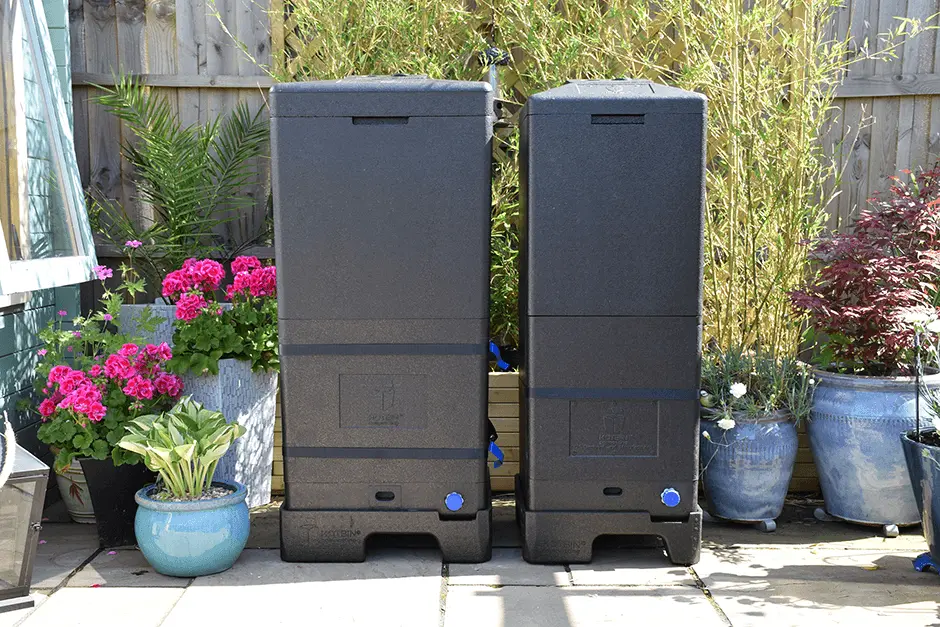
In an effort to champion this sustainable ethos, a major new horticultural initiative has been launched in partnership with BBC Gardeners’ World Magazine. Two lucky gardeners will have the chance to secure a high-performance composting system designed to revolutionize waste management at the domestic level: the award-winning HOTBIN composter.
This comprehensive report explores the mechanics of high-efficiency composting, the pressing environmental imperative to reduce organic waste leakage into landfills, and the specifics of a high-profile giveaway offering two comprehensive bundles—the HOTBIN Mini 100-litre and the HOTBIN 200-litre Essentials Bundles—complete with custom plinths and ergonomic garden kneelers. By examining the technology, the accolades, and the broader ecological implications, this article provides an authoritative look at why hot composting is rapidly becoming the gold standard for modern, eco-friendly horticulture.
Detailed Chronology: The Evolution of Domestic Composting and the Rise of Hot Composting
To understand the significance of modern composting technology, one must first look at the historical trajectory of waste management in domestic gardens. For generations, traditional cold composting was the default method employed by growers. This passive approach involved piling garden weeds, grass clippings, and occasional vegetable peelings into a wooden or wire mesh bin and leaving nature to take its course.
While cold composting remains a viable method, it comes with severe limitations. It is inherently slow, often taking anywhere from nine months to two years for organic matter to break down into usable humus. Furthermore, cold heaps lack the thermal energy required to destroy weed seeds, plant pathogens, and the broader spectrum of kitchen waste. Historically, throwing cooked food, meat scraps, dairy, or diseased plants onto a traditional compost heap was strictly forbidden, as these materials attracted vermin, generated foul odors, and created anaerobic sludge rather than nutrient-rich compost.
The turning point in domestic composting arrived with the introduction of aerobic thermophilic composting—commonly known as "hot composting." Pioneered and refined by engineering innovators like HOTBIN, this method leverages the natural thermodynamic properties of aerobic bacteria. By optimizing insulation, aeration, and moisture retention, hot composting systems accelerate the biological breakdown of organic matter, driving internal temperatures up to a scorching 40°C to 60°C.
Over the past decade, the adoption of hot composting has transformed from a niche practice utilized by permaculture purists into a mainstream horticultural movement. The introduction of compact, highly engineered units suitable for suburban gardens and urban spaces alike marked a new era. The recent recognition of the HOTBIN as a BBC Gardeners’ World Magazine Best Buy highlights this evolution, cementing high-temperature aerobic digestion as the definitive solution for gardeners seeking speed, efficiency, and versatility. Now, with the launch of this latest national competition closing on November 9, 2026, two more households are poised to leapfrog traditional composting limitations and enter the fast lane of soil enrichment.
Supporting Context & Metrics: The Science and Economics of the HOTBIN System
The mechanics behind the HOTBIN unit represent a masterclass in applied environmental science. To appreciate why it has captured the attention of horticultural experts and media outlets alike, one must examine the specific metrics and engineering principles that set it apart from conventional bins.
Thermal Efficiency and Speed
Traditional composting relies on mesophilic bacteria, which thrive in moderate temperatures (20°C to 40°C). In contrast, hot composting rapidly transitions the biological state into the thermophilic range (40°C to 60°C+). The HOTBIN achieves this through a high-density expanded polypropylene (EPP) insulation jacket. This material acts much like a high-performance thermos flask, trapping the metabolic heat generated by billions of aerobic bacteria actively consuming the organic waste.
As a direct result of this thermal retention, the HOTBIN can transform raw food and garden waste into nutrient-rich, dark, crumbly compost in as little as 30 to 90 days—a fraction of the time required by standard cold bins. This unprecedented speed means gardeners can continuously feed the system throughout the autumn clearance season and have fresh, mature compost ready just in time for spring planting.
Versatility in Waste Acceptance
One of the most significant barriers to effective household waste reduction is the restrictive nature of traditional composting rules. The average British household generates a substantial volume of cooked food waste, plate scrapings, potato peelings, citrus rinds, and even small bones. In a standard bin, these items cause imbalances and pest problems.
The HOTBIN’s sustained high temperatures completely change the equation. Because the internal environment exceeds the thermal thresholds required to break down complex proteins, fats, and starches, users can safely add:
- Cooked and uncooked food waste
- Meat, fish, and small bones
- Dairy products and bread
- Weed roots and diseased plant material (which are sterilized by the heat)
- Paper, cardboard, and shredded office waste (acting as a vital carbon source)
By diverting these materials away from general household refuse and municipal landfill streams, households can dramatically shrink their carbon footprints.
The Prize Packages: Engineering Meets Ergonomics
The current competition offers two distinct prize tiers, each tailored to different household sizes and garden scales, ensuring that the winners receive equipment perfectly matched to their horticultural ambitions.
-
The HOTBIN Mini 100-litre Essentials Bundle (Valued at £243):
- Ideal for: Smaller gardens, urban spaces, and households of 1 to 3 people.
- Components: The compact 100-litre HOTBIN Mini unit, a custom-engineered HOTBIN Plinth, and an ergonomic HOTBIN Garden Kneeler.
-
The HOTBIN 200-litre Essentials Bundle (Valued at £313):
- Ideal for: Larger family gardens, avid growers, and households generating higher volumes of organic waste.
- Components: The high-capacity 200-litre HOTBIN unit, a dedicated HOTBIN Plinth, and a premium HOTBIN Garden Kneeler.
The Value-Added Accessories
Beyond the core composting units, the inclusion of the plinth and kneeler addresses two vital aspects of practical gardening: operational efficiency and physical comfort.
- The HOTBIN Plinth: Elevating the composter off the ground serves a dual purpose. It improves air circulation beneath the unit to optimize the base aeration valve and, crucially, provides sufficient clearance to collect liquid fertilizer (often referred to as "liquid gold"). This nutrient-rich leachate can be easily drained, diluted, and applied to garden beds as a potent liquid feed.
- The HOTBIN Garden Kneeler: Long hours spent harvesting compost, turning garden beds, or planting spring bulbs take a toll on joints. The high-density foam kneeler provides essential orthopedic support, minimizing strain and enhancing the overall gardening experience.
Official Statements and Expert Testimonials
The horticultural community has long emphasized the critical link between soil health and plant vitality. Experts point out that modern intensive agriculture and urban development have severely depleted organic matter in local soils, making artificial soil enrichment a necessity rather than a luxury.
Dr. Jonathan Vance, a leading soil ecologist and independent horticultural consultant, notes the transformative impact of high-temperature aerobic composting on urban and suburban ecosystems:
"For decades, society has treated organic waste as a disposal problem rather than a resource loop. When we send food waste to landfill, it rots anaerobically, producing massive amounts of methane—a greenhouse gas significantly more potent than carbon dioxide. By contrast, hot composting systems like the HOTBIN utilize aerobic pathways to mineralize waste rapidly. The resulting humus is not merely a fertilizer; it is a complex biological matrix teeming with mycorrhizal fungi and beneficial bacteria that restore structure, water-retention capacity, and resilience to garden soils."
Furthermore, the rigorous testing protocols employed by BBC Gardeners’ World Magazine underscore the practical reliability of the hardware. Following comprehensive evaluations across multiple metrics—including thermal stability, ease of assembly, odor control, and final compost quality—the publication awarded the HOTBIN its coveted Best Buy status. Testers specifically highlighted its status as the fastest composter tested in its class, as well as its exceptional space-to-capacity ratio, making it an indispensable asset for gardeners who refuse to compromise on performance regardless of their yard’s dimensions.
Manufacturing representatives have echoed these sentiments, emphasizing that the autumn giveaway is designed to empower everyday consumers to take direct, positive action in the face of broader environmental challenges. A spokesperson for HOTBIN commented:
"Autumn is a time of renewal and preparation in the garden. By pairing our fastest-tested composting units with practical accessories like the plinth and kneeler, we are equipping gardeners with everything they need to close the loop on food waste. We are thrilled to partner on this initiative to help winners discover how satisfying it is to turn yesterday’s dinner scraps into tomorrow’s prize-winning blooms."
Future Outlook: The Intersection of Domestic Sustainability and Horticultural Innovation
As we look toward the horizon of environmental stewardship in the 21st century, the role of the individual gardener is shifting from a passive hobbyist to an active participant in ecological regeneration. Municipal waste management systems across the UK and Europe are facing mounting financial and environmental pressures, with landfill taxes increasing and strict targets set for carbon reduction.
In this climate, decentralized domestic composting is emerging as a vital pillar of the circular economy. Initiatives that encourage households to process their own organic waste on-site eliminate the carbon emissions associated with transporting heavy food waste via diesel-powered municipal collection fleets. When multiplied across thousands of households, the cumulative impact of localized hot composting represents a massive reduction in national carbon footprints.
Moreover, the horticultural sector is undergoing a profound cultural shift away from peat-based composts. As commercial extraction of peat from fragile moorland habitats faces tightening regulatory restrictions and eventual bans, gardeners are urgently seeking sustainable, high-performance alternatives. Home-produced compost generated via rapid aerobic digestion provides the ultimate peat-free growing medium, rich in macro- and micro-nutrients essential for vigorous plant growth.
Looking ahead, technological advancements in garden hardware will likely focus on even greater integration with smart-home monitoring, enhanced thermal retention materials, and modular designs that allow composters to scale seamlessly with household size. However, the core principle will remain unchanged: harnessing biological processes to heal the earth, one garden at a time.
For those eager to be at the forefront of this sustainable movement, the current BBC Gardeners’ World Magazine and HOTBIN giveaway represents a golden opportunity. By entering before the closing date of 23:59 on 9 November 2026, UK residents aged 18 and over can take a decisive step toward eliminating food waste, eliminating reliance on peat, and embracing a greener, more resilient approach to gardening that pays dividends season after season.
Competition Summary & Entry Reminder
- Prizes: Choice of HOTBIN Mini 100-litre Essentials Bundle (£243 value) or HOTBIN 200-litre Essentials Bundle (£313 value), including composter, plinth, and garden kneeler.
- Closing Date: 23:59 on 9 November 2026.
- Eligibility: UK residents, aged 18 and over. Rules and terms apply. Visit the official BBC Gardeners’ World Magazine portal to submit your entry and view full terms and conditions.



