The global climate landscape has entered an era of unprecedented volatility. The summer months have borne witness to some of the most searing temperatures, devastating forest fires, catastrophic flash floods, and ferocious super typhoons in recorded human history. What scientists have warned against for decades is no longer a distant theoretical projection; it is a violent, unfolding reality.
From the scorched forests of Southern Europe and North Africa to the submerged cities of South and East Asia, and the smoke-choked skies of North America, the planetary toll of climate change is staggering. These extreme weather anomalies are occurring even before the anticipated intensification of the El Niño weather pattern toward the end of the year—a terrifying indicator that the worst may still lie ahead.
Despite the mounting human and ecological devastation, international political leadership remains critically sluggish. Rather than pivoting toward aggressive climate mitigation, global powers continue to prioritize fossil fuel exploration, short-term economic gains, and geopolitical conflict. This comprehensive investigative report documents the cascading global climate emergencies of the past season, analyzing the intersection of meteorological extremes, government inaction, and the imperative for systemic accountability.
Detailed Chronology: A Global Mosaic of Climate Catastrophe
The scale of this season’s climate disasters is unprecedented, affecting every inhabited continent and disrupting millions of lives. Below is a detailed chronology of the major climate crises that defined the period.
1. France: The Worst Wildfire Season Since 1949
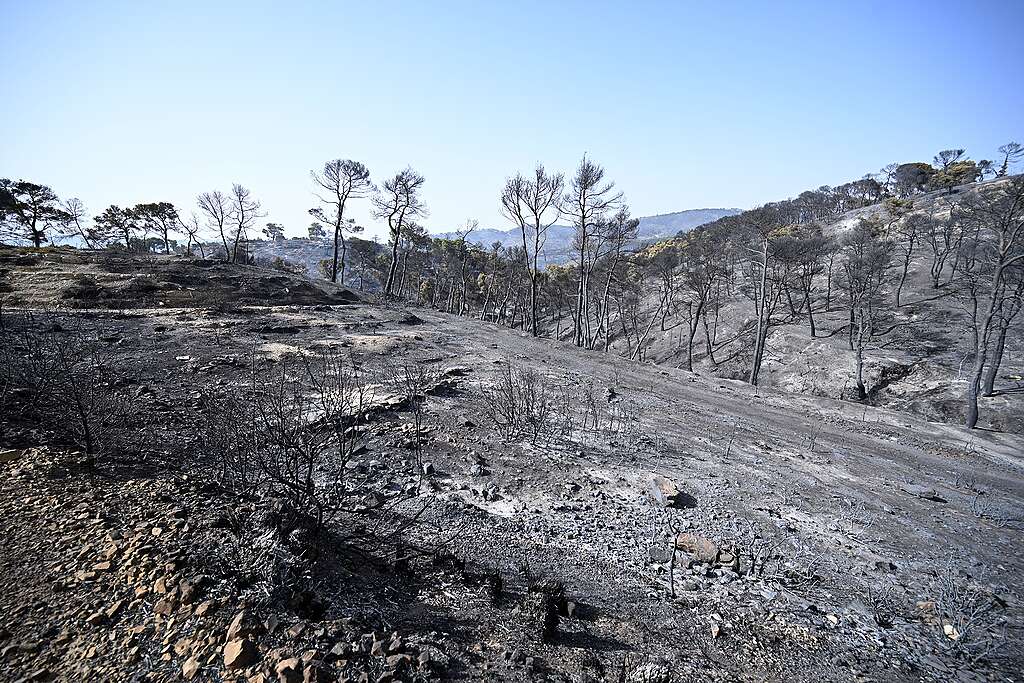
In France, a combination of prolonged drought and blistering heatwaves sparked catastrophic wildfires, particularly across the northern and southern regions of the country. A staggering 115,000 hectares of land were reduced to ash, making it the most destructive wildfire season France has experienced since 1949.
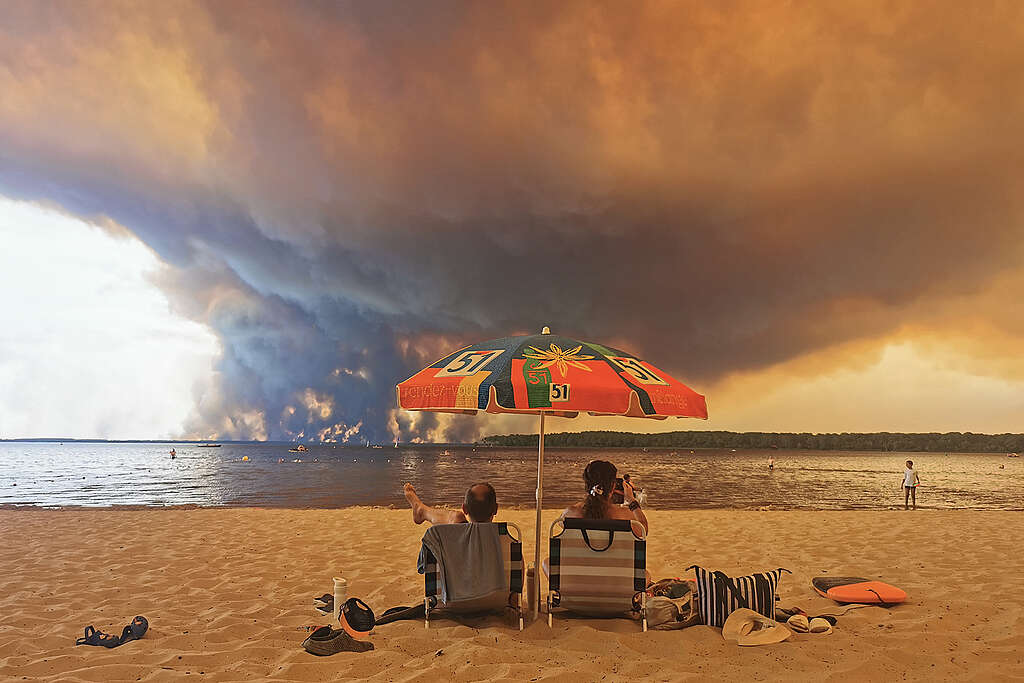
In southwestern France, apocalyptic scenes unfolded as thick plumes of smoke billowed over the Arcachon Basin in Gironde. Images of beachgoers sitting under bright sunshades while massive walls of smoke darkened the skies of Lacanau captured the surreal juxtaposition of summer leisure and environmental collapse. Firefighters battled day and night, stretched to their absolute limits as resources were overwhelmed by the sheer scale of the blazes.
2. Spain: Historical Devastation in Madrid and Ávila
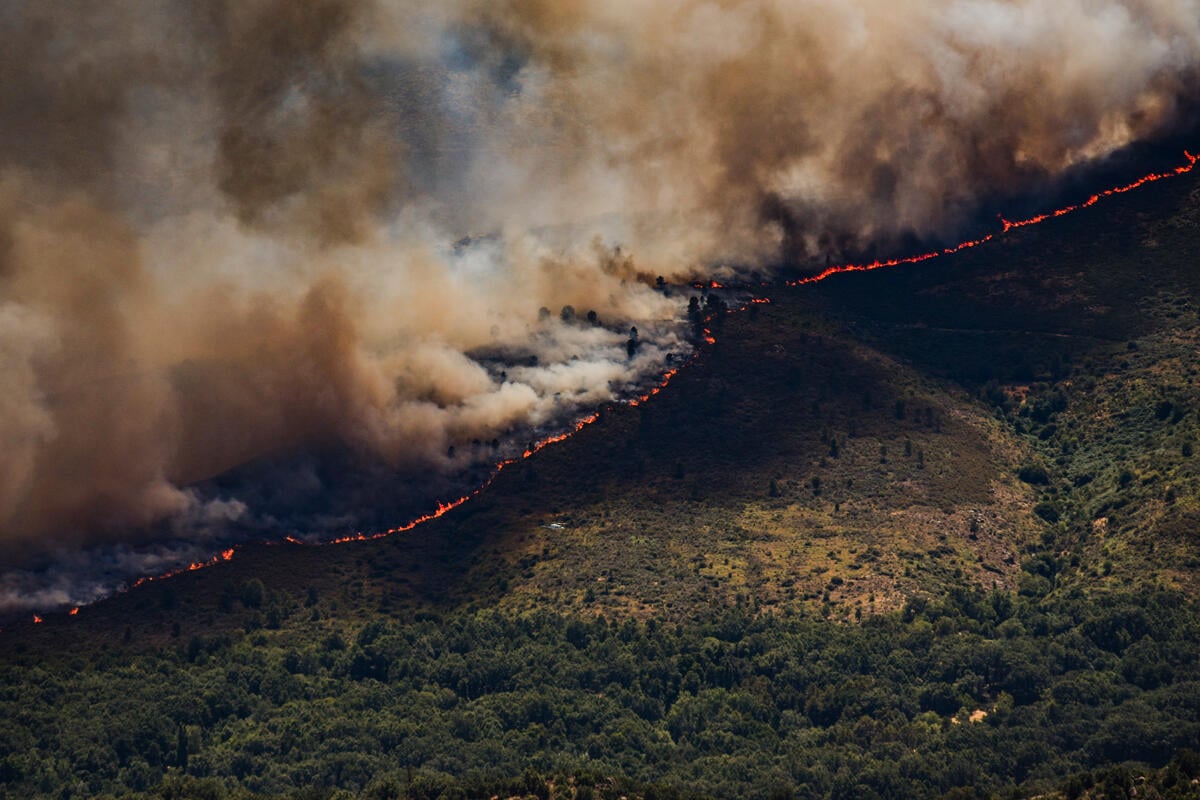
Spain faced its own infernos, enduring what local authorities officially classified as the "worst in history" for the Madrid region. A ferocious forest fire tore through 25,000 hectares of land spanning across Madrid and the neighboring Ávila province.
The rapid spread of the flames forced more than 60,000 residents to evacuate their homes on short notice. Entire communities were displaced, livestock perished, and ancient ecosystems were incinerated. Emergency responders noted that the speed and intensity of the fire defied traditional containment strategies, fueled by unusually dry brush and record-breaking regional temperatures.
3. Japan: Unprecedented Rainfall and Fatal Flooding
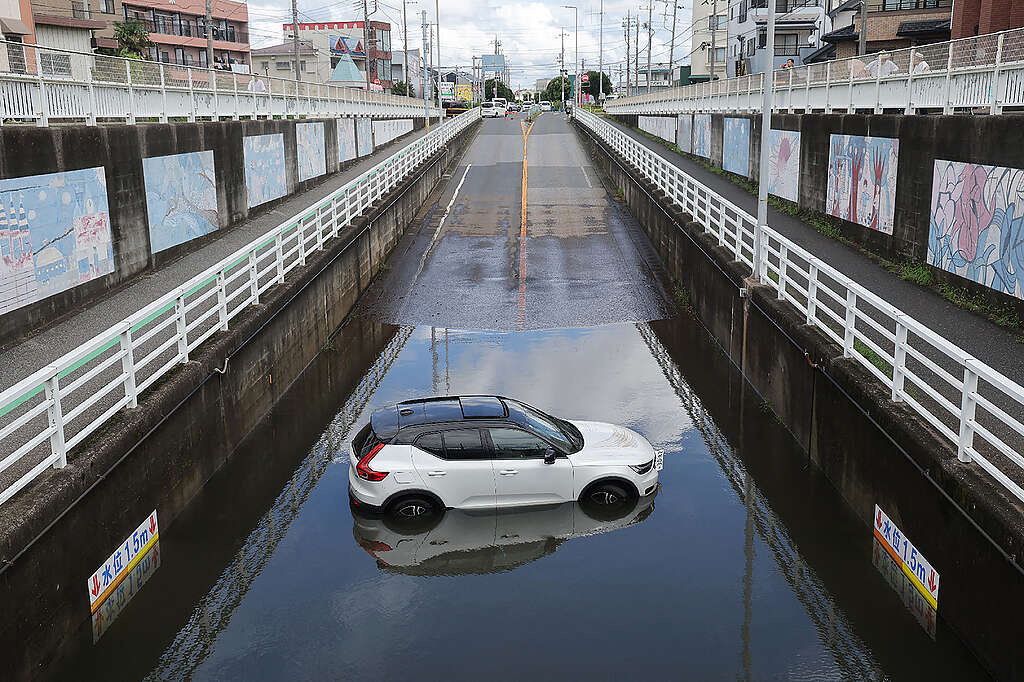
While Europe and North Africa burned, parts of Asia drowned. Japan was struck by unprecedented heavy rainfall that triggered sudden, violent floods and deadly mudslides. The disaster claimed at least 8 lives and left critical infrastructure paralyzed.
Thousands of travelers were stranded overnight at Narita International Airport as roads and rail networks became impassable. More than 20,000 households in Chiba prefecture suffered prolonged power outages. In cities like Kamagaya, vehicles were completely submerged in underpasses, catching motorists and residents entirely off guard.
4. The Philippines: Monsoon Floods and Perpetual Displacement
In the Philippines, the convergence of tropical cyclones and an enhanced Southwest Monsoon (Habagat) unleashed relentless downpours over several weeks. Large parts of Luzon, Metro Manila, and the Western Visayas experienced catastrophic flooding.
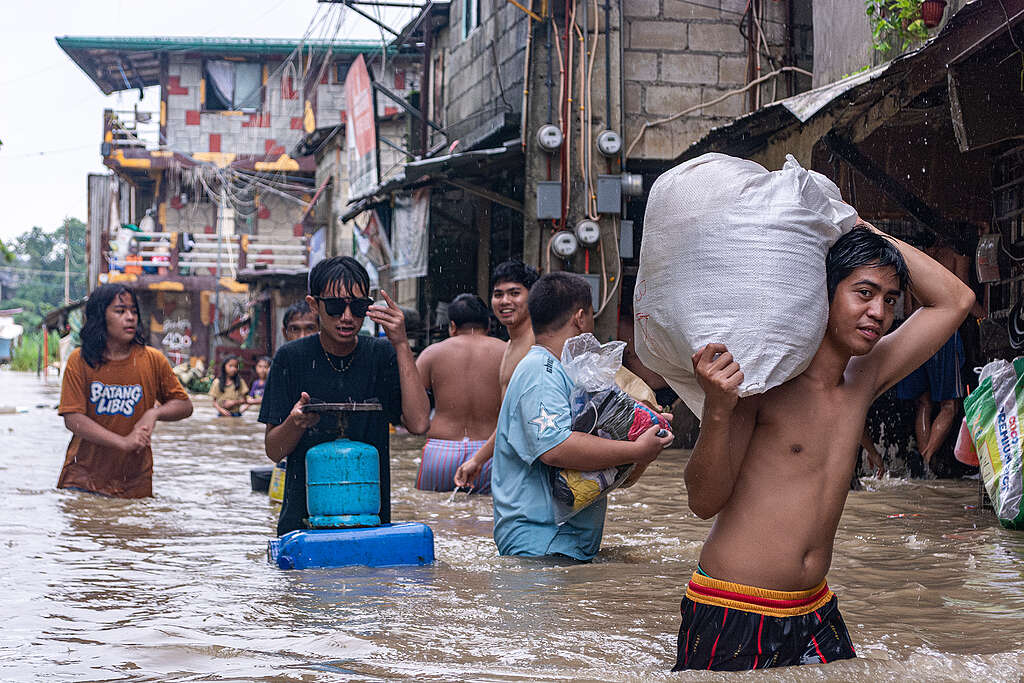
Images from Barangay Sta Ana in San Mateo, Rizal, depicted residents wading through rising waist-deep water, carrying their meager belongings to makeshift evacuation centers on higher ground. The cyclical nature of these storms has trapped vulnerable communities in a perpetual loop of destruction and recovery, heavily straining local disaster-relief funds.
5. North Africa: Scorching Heatwaves and Rampant Wildfires
North Africa found itself on the frontline of the climate crisis, enduring a toxic combination of back-to-back heatwaves and chronic drought.
Morocco: Temperatures spiked to historical extremes of 44°C to 46°C across multiple provinces, ranging from Marrakech and Beni Mellal to the southern territories of Laayoune and Dakhla. These extreme temperatures placed immense stress on agriculture, water reserves, and vulnerable populations.
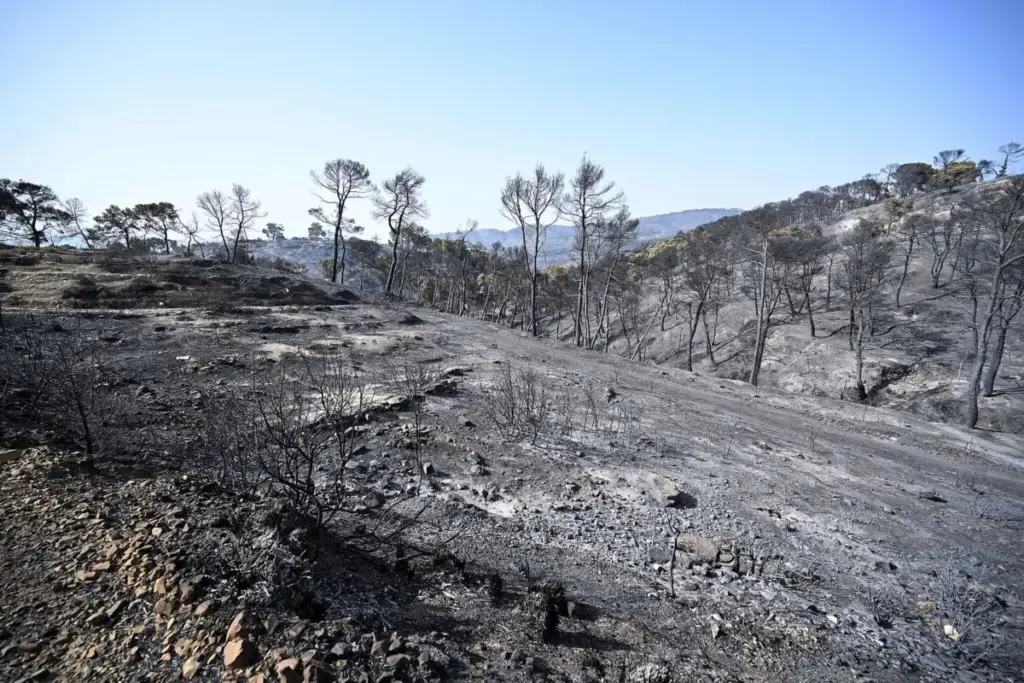
Tunisia: The Kef region near the Algerian border became an inferno. Over a staggering 72-hour period, at least 900 fires broke out nationwide amid an intense heatwave. Firefighters fought tirelessly to contain massive blazes in the northwestern region of Sakiet Sidi Youssef, leaving behind miles of charred trees and ash.
Algeria: Similar scenes played out across eighteen Algerian provinces, including Bejaia, Annaba, Skikda, Blida, Tizi Ouzou, Boumerdes, Ain Defla, and Tlemcen. Ground crews, supported by specialized firefighting aircraft and helicopters, managed to bring 65 blazes under control, while 46 major fires remained aggressively active.
6. Canada and North America: Smoke Without Borders
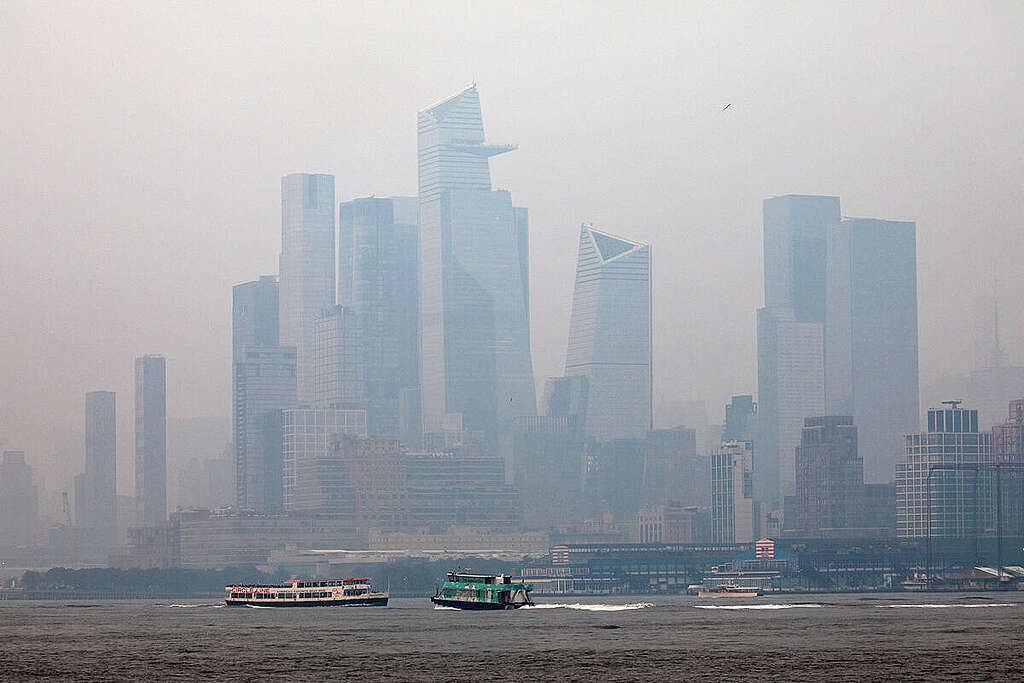
Canada experienced another catastrophic wildfire season, with over 100 active blazes generating massive columns of smoke that drifted hundreds of miles southward.
The resulting transboundary air pollution plunged all of New York State—including New York City—and parts of New Jersey under severe Air Quality Advisories. The Tri-State area was blanketed in a toxic, eerie haze, with Air Quality Index (AQI) levels surpassing 201 on July 16, classifying conditions as "very unhealthy." Public health officials warned that fine particle pollution ($PM_2.5$) from the wildfire smoke poses severe risks, capable of triggering shortness of breath, coughing, dizziness, and exacerbating chronic heart and lung conditions.
7. India: The Critical Humanitarian Crisis in Assam
In South Asia, the annual monsoon season brought biblical floods to northeastern India. The flood situation in Assam escalated into a major humanitarian catastrophe, claiming 80 lives and displacing approximately 2 million people across more than 200 villages.
Distressing visuals from Jorhat showed residents wading through muddy floodwaters, desperately trying to salvage household items such as damp cushions. Millions remained stranded without clean drinking water, electricity, or adequate shelter as relief operations struggled to reach cut-off rural pockets.
Supporting Context & Metrics: The Science Behind the Chaos
To understand the current crisis, one must examine the compounding meteorological factors at play. The extreme weather events witnessed globally are not isolated anomalies; they are symptoms of a destabilized planetary system.
Statistical Overview of the Crisis
Land Burned: Hundreds of thousands of hectares destroyed across France, Spain, Canada, Algeria, and Tunisia.
Human Displacement: Millions of individuals forced to evacuate their homes due to floods, fires, and heatwaves globally (e.g., 2 million displaced in Assam, India; 60,000+ evacuated in Spain).
Temperature Anomalies: Regions across North Africa recorded sustained highs of 44°C–46°C, severely exacerbating ongoing drought conditions.
Air Quality Degradation: AQI levels exceeding 201 across major metropolitan areas in the United States due to Canadian wildfire plumes.
The El Niño Factor: A Looming Catalyst
Perhaps the most alarming aspect of the current climate reality is the timing. All of these extreme weather events occurred before the anticipated peak of El Niño.
Meteorological models indicate that a super El Niño phase is set to intensify toward the end of the year. Historically, El Niño years correlate with elevated global average temperatures. Scientists warn that the compounding effects of baseline climate change and an intensifying El Niño could trigger unprecedented weather extremes in the upcoming cycles, potentially rendering current disaster response frameworks entirely obsolete.
Official Statements and Institutional Inaction
As communities grapple with the immediate fallout of climate-induced disasters, civil society organizations and environmental watchdogs have leveled sharp criticisms against global political leaders.
Environmental coalitions, including Greenpeace, have documented these continuous climate emergencies to build an undeniable record of government negligence. Critics argue that while the scientific consensus on climate change has been clear for decades, global policy has remained fundamentally stagnant.
The Profit-Driven Status Quo
Core systemic drivers of the climate crisis continue to be subsidized and protected by powerful economic lobbies. Key institutional failures include:
Fossil Fuel Expansion: Governments continue to authorize new oil, gas, and coal exploration projects, directly contradicting net-zero emission timelines.
Geopolitical Conflicts: Ongoing international wars not only consume vast amounts of carbon-intensive resources and devastate local environments but also derail global cooperation on climate policy.
Short-Term Economic Priorities: Policy decisions remain tethered to quarterly economic growth and corporate profit margins rather than long-term planetary survival.
"We are still unable to see any serious steps towards addressing the core issue of climate change. Rather, there is a tendency to get distracted and forget about the consequences of our mistakes. That is why we document these climate emergencies so we can do our best not to repeat them in the future." — Environmental Advocacy Report.
Future Outlook: A Critical Window for Systemic Change
The trajectory of the Earth’s climate system over the next decade hinges entirely on immediate, radical policy interventions. The convergence of record-breaking heat, runaway wildfires, historic floods, and the impending intensification of El Niño serves as a stark warning.
Key Imperatives for Global Leadership:
Immediate Fossil Fuel Phase-Out: Governments must transition away from oil and coal exploration, redirecting subsidies toward renewable energy infrastructure.
Strengthened Disaster Resilience: Developing nations and climate-vulnerable regions require robust international financing for adaptation, early warning systems, and resilient infrastructure.
Accountability and Transparency: Documenting climate emergencies must translate into legal and political accountability for state and corporate actors who obstruct climate action.
The events of this season are a window into a potential future—one that can still be averted, but only if global leadership matches the scale of the planetary crisis with uncompromising, decisive action.