Executive Overview
For generations, the American agricultural landscape followed a predictable, generational arc. Family farms—complete with acreage, livestock, and deep-seated institutional knowledge—were handed down from parents to children, ensuring the continuity of rural communities and the nation’s food supply. Today, that traditional pipeline is largely broken. With the average age of American farmers climbing to 58 and fewer children of agrarian families opting for the grueling demands of traditional farming, a void has formed in the nation’s agricultural sector.
Simultaneously, a profound cultural shift is underway. A new demographic of career-pivoting adults, urban escapees, and mission-driven idealists are looking to the soil not out of familial obligation, but out of a deliberate, ethical choice. They are tech executives, retail managers, artists, and filmmakers seeking deeper meaning, ecological harmony, and a direct response to climate change.
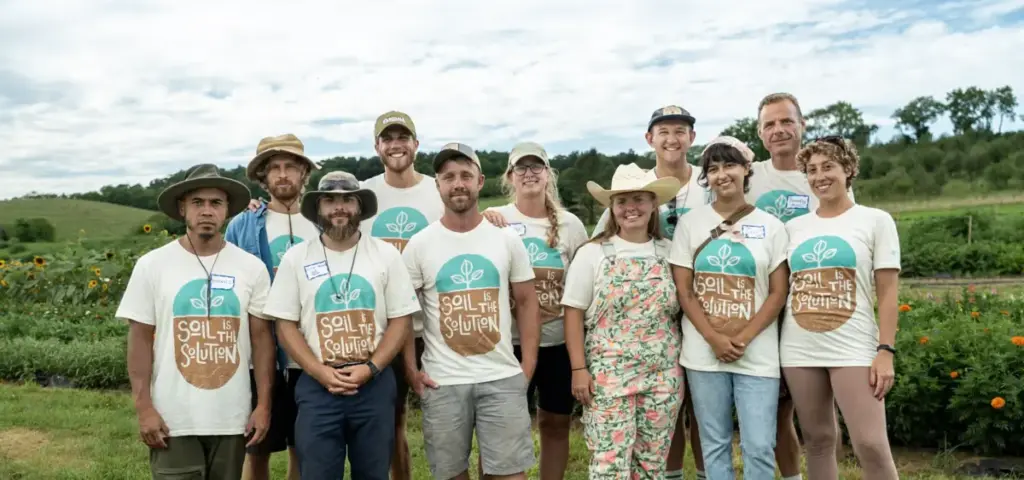
Enter the Rodale Institute Farmer Training (RIFT) program. Designed to bridge the gap between passion and professional agricultural execution, RIFT is training the next generation of regenerative organic farmers. Through an immersive, nine-month curriculum encompassing everything from soil science and crop selection to business planning and organic certification, this initiative is reshaping who becomes a farmer and how American agriculture operates.
Detailed Chronology: The Evolution of a Regenerative Cohort
The path to modern regenerative farming is rarely linear. The participants of the 2025 RIFT cohort embody this reality, arriving at Rodale Institute’s campus with vastly different professional backgrounds, yet united by a singular vision: healing the planet from the ground up.
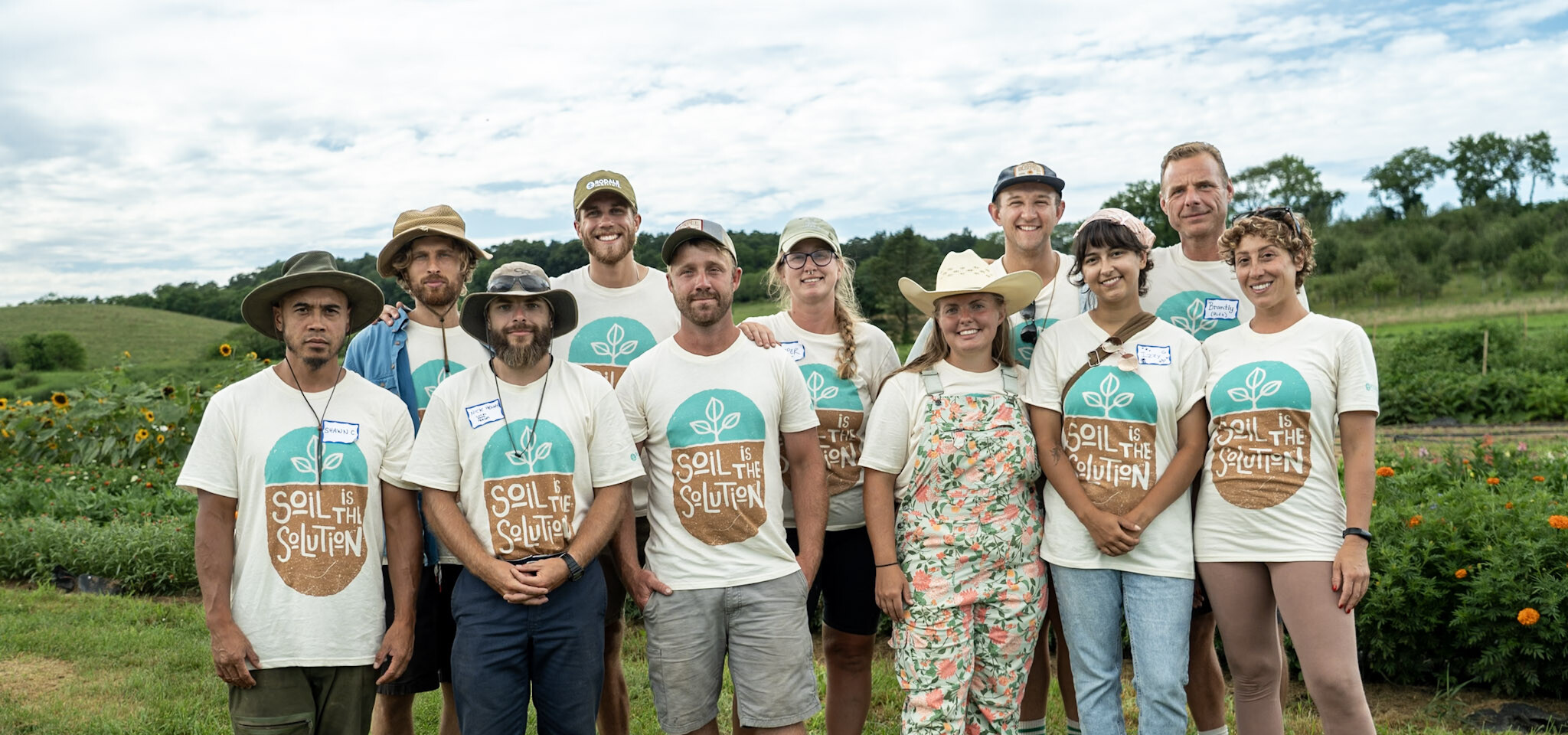
Shawn Cabalsi: From Tech Sector Disillusionment to Non-Profit Organic Farming
At 43, Pennsylvania native Shawn Cabalsi had built a successful career in the technology sector. Yet, despite his professional accomplishments, he felt an escalating sense of disconnection and moral unease. Seeking a more ethical, grounded existence, Cabalsi immersed himself in the writings of agricultural philosophers like Wendell Berry, E.F. Schumacher, and Masanobu Fukuoka.
Their blistering critiques of industrial civilization, environmental degradation, and the modern American food system struck a chord. "Farming is a big step for me toward being more in harmony with nature," Cabalsi reflects.
Cabalsi’s ambition has already materialized outside the classroom. He helped found a 501(c)(3) nonprofit organic farm in Macungie, Pennsylvania, spanning 11 acres and dedicated to supplying fresh, nutrient-dense produce to food-insecure community members. By enrolling in RIFT, he aims to master organic certification protocols and advanced regenerative methodologies. Furthermore, through a partnership with Northampton Community College, RIFT coursework can be applied toward college credits—which Cabalsi is channeling into an online Master of Arts in Regenerative Design through Prescott College.
Delaney Gemmel: Honoring a Family Florist Heritage
For Delaney Gemmel, the journey to the soil began behind a storefront counter. Her family has owned and operated a flower shop in Allentown, Pennsylvania, for generations. This upbringing steered her toward a business degree at Lehigh University, with a sharp focus on small-business management.
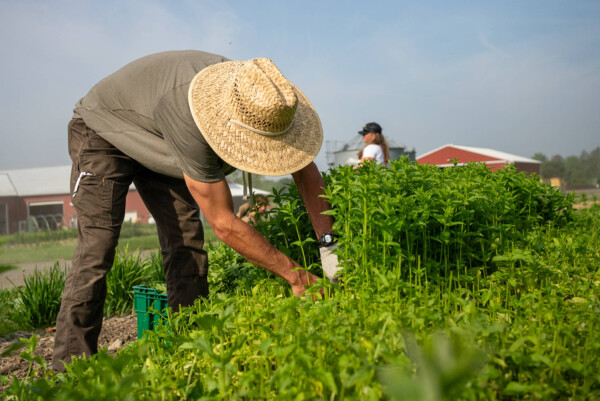
Post-graduation international travel through Ecuador, Spain, and Malawi exposed her to diverse global cuisines and food production systems. "I was looking for what would be my passion in life," Gemmel notes, "and then I discovered that I love fresh food, farming, and working outside."
Gemmel’s vision bridges past and future: she plans to establish a small-scale, regenerative flower farm. Her enterprise will supply her family’s historic flower shop while also feeding a direct-to-consumer market. By combining ecological cultivation with business acumen, she intends to champion local small businesses and offer sustainably grown, feel-good products.
Payton Wilks: Directing Project Management Toward Planetary Survival
Raised in Tipp City, Ohio—a Dayton suburb enveloped by conventional cornfields—Payton Wilks pursued a diverse undergraduate education in acting, anthropology, and French at Ohio University. Years of global travel, including a stint teaching English in France, eventually led him back to the United States, where he earned a professional certification in project management.
While mapping out his career trajectory, Wilks evaluated where his skills could generate the most profound impact. "For me, climate change is one of the most important issues that’s facing humanity," he asserts. Though initially drawn to renewable energy, he found his true calling in regenerative organic agriculture.
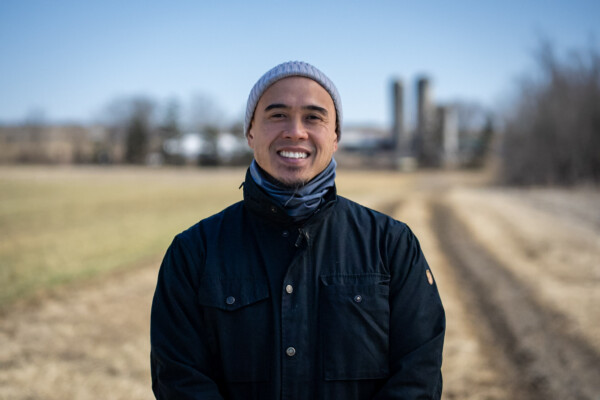
"When I started learning about regenerative organic agriculture and how we can use soil to sequester carbon and grow food for ourselves while also taking care of the planet, that really excited me," Wilks says. His immediate trajectory involves mastering diversified vegetable production as a farm manager before launching his own operation, with potential sights set on returning to Europe or establishing roots in the American Midwest or Pennsylvania.
Isidra Garcia: Documenting the Shift to Soil Health
Isidra Garcia’s agricultural awakening started behind a camera lens. While studying video editing at Kutztown University—located mere miles from Rodale Institute’s main campus—she secured an internship with the Institute’s communications department in 2024.
While working on a documentary investigating the environmental impacts of fast fashion, Garcia discovered hemp textiles, a crop actively studied by Rodale researchers. "During my internship, I fell in love with agriculture because I want to be closer to nature," she explains.
Garcia’s future plans merge media production with localized farming. Alongside restoring a personal plot of land to build soil health, she intends to grow ingredients for a proprietary line of fresh pico de gallo products. Crucially, she plans to use her videography skills directly from her farm to educate consumers on organic eating and ecological stewardship.
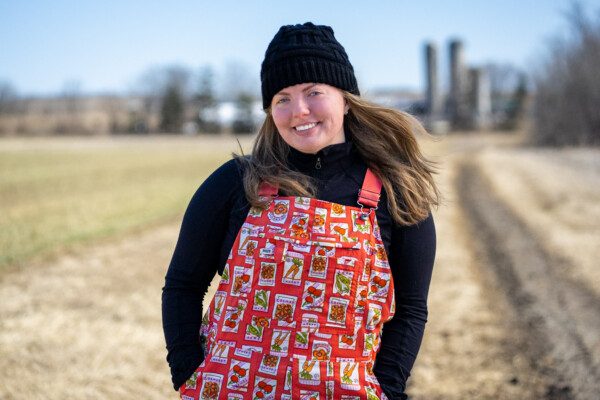
Samantha Cooper: Healing Body, Mind, and Community
Living in Central Indiana as a senior manager for retail giant Meijer, Samantha Cooper and her partner, Garrett Tidler, witnessed firsthand the fragile nature of industrial supply chains during the COVID-19 pandemic. The systemic vulnerabilities they observed sparked an urgent desire to control their food sources through organic, self-reliant production.
While Tidler completed the RIFT program in 2024 (and is currently advancing through the Institute’s 22-month fellowship track), Cooper stepped away from her corporate retail career to work at the St. Luke’s–Rodale Institute Organic Farm in Easton, Pennsylvania. Three and a half years sober from alcohol, Cooper views farming as an act of profound personal and environmental rehabilitation.
"It feels good to be outside in the sun and getting the fruits of my labor," she shares. Her capstone farm plan focuses on growing medicinal herbs like borage, edible marigolds, and calendula to produce teas and tinctures. Ultimately, the couple plans to return to Indiana to introduce regenerative practices to a region dominated by heavily sprayed, industrial field corn and soybeans. "Central Indiana needs an organic movement," Cooper states.
Kade Eckert: Scaling Up Ecosystem Restoration
Kade Eckert’s path to the soil winds through professional kitchens, indoor microgreens startups, urban food production classrooms, and international composting facilities. A native of Washington State driven by an entrepreneurial spirit, Eckert realized that restaurant kitchens could not solve the systemic failures of the modern food system.
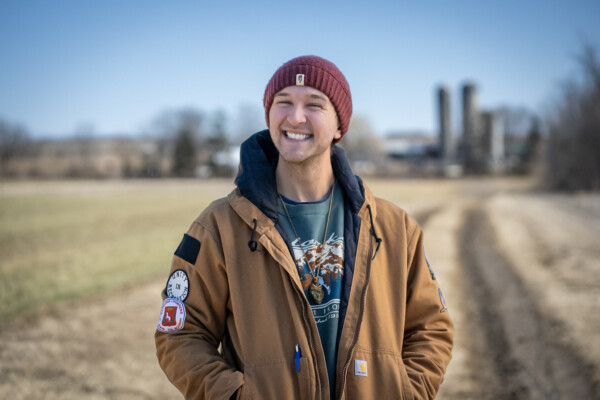
After operating a small community farm in Seattle and working at a massive composting operation in Sweden, Eckert developed a laser-focus on waste stream transformation and ecosystem recovery. His goal is to acquire a degraded plot of land in Washington State and restore it using regenerative organic methods.
Eckert plans to source organic waste from local schools and hospitals to generate high-grade compost, establish a native plant nursery, and host farm-to-table community dinners. "The operation needs to be economically viable because that’s the story I will tell to educate people about composting, homesteading, and the power to regenerate the land," he emphasizes.
Supporting Context & Metrics: The Mechanics of RIFT
The transition from novice enthusiast to certified organic producer is notoriously difficult, plagued by high financial barriers and steep learning curves. The Rodale Institute Farmer Training program is meticulously structured to dismantle these obstacles.
- Comprehensive Curriculum: Over nine intense months, RIFT participants experience the complete seasonal cycle of crops—from seed selection and soil preparation to cultivation, pest management, harvesting, and market distribution.
- Financial and Living Support: Unlike traditional unpaid or low-wage agricultural internships, RIFT provides participants with a weekly stipend of $600 alongside free housing for 35 consecutive weeks. According to Justin Barclay, Rodale Institute’s global education operations manager, this level of comprehensive financial support is exceptionally rare in American agricultural education.
- Academic Integration: Through partnerships with institutions like Northampton Community College, students earn college credits that can be transferred toward accredited degree programs, such as Prescott College’s Master of Arts in Regenerative Design.
- The Capstone Farm Plan: The program culminates in a rigorous capstone project. Trainees draft exhaustive, individualized business and farm plans that serve as blueprints for launching their own agricultural enterprises, applying for federal and private grants, and securing organic certification.
- Alumni Impact: Since its inception in 2011, and powered by the generous supporters of Rodale Institute, the farmer-training program has graduated over 100 alumni who continue to shape the regenerative movement nationwide. Graduates retain lifelong access to Rodale’s online educational resources, institutional networks, and peer mentorship frameworks.
Official Statements & Industry Insights
The philosophy driving RIFT is rooted in decades of scientific research pioneered by the Rodale Institute, the birthplace of the modern organic movement. However, the human element remains paramount.
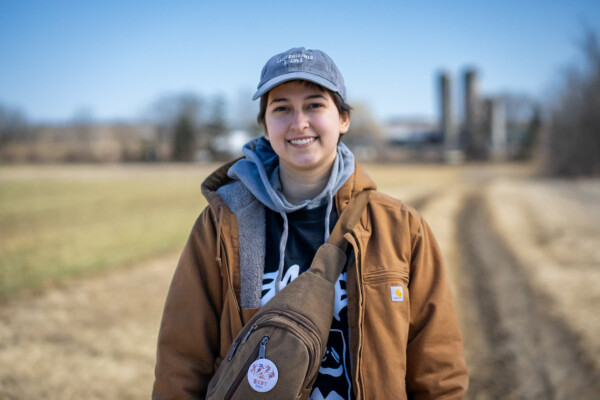
Justin Barclay, Global Education Operations Manager at Rodale Institute, highlights the precise criteria required for prospective trainees. "Successful participants have the goal of starting an agricultural business, can work in a team environment, and are willing to be coached," Barclay explains, emphasizing that resilience and adaptability are just as vital as theoretical knowledge.
The diversity of the 2025 cohort—whose ages span from their early twenties to early fifties—signals a broader cultural realization. Agriculture is no longer viewed solely as a birthright inherited down a family tree, but as an open-access vocation for anyone willing to commit to ecological restoration.
Future Outlook: Rebuilding the Food System from the Roots Up
As the 2025 RIFT cohort moves through the seasonal rhythms of seeding, cultivating, and harvesting—frequently showcasing their yields through weekly farm stands for Rodale staff—their collective trajectory points toward a transformed agricultural economy.
The challenges facing modern agriculture are immense: topsoil erosion, climate instability, chemical runoff, and an aging farming population threaten food security at local and global scales. Yet, the solutions being road-tested at Rodale Institute offer tangible hope.
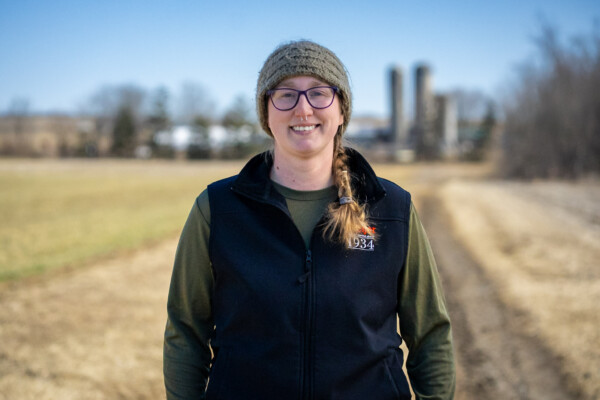
By equipping professionals from diverse industries—tech, retail, the arts, and culinary arts—with the tools of regenerative organic agriculture, programs like RIFT are proving that the future of farming is not confined to legacy lineages. Armed with comprehensive farm plans, academic credentials, and an unwavering commitment to the planet, these emerging agrarians are poised to revitalize rural communities, heal degraded ecosystems, and reestablish humanity’s harmonious relationship with the soil.
This report is adapted from features originally published in the 2025 Rodale Institute Journal. To read the complete issue and explore ongoing educational resources, visit the Rodale Institute Official Website.