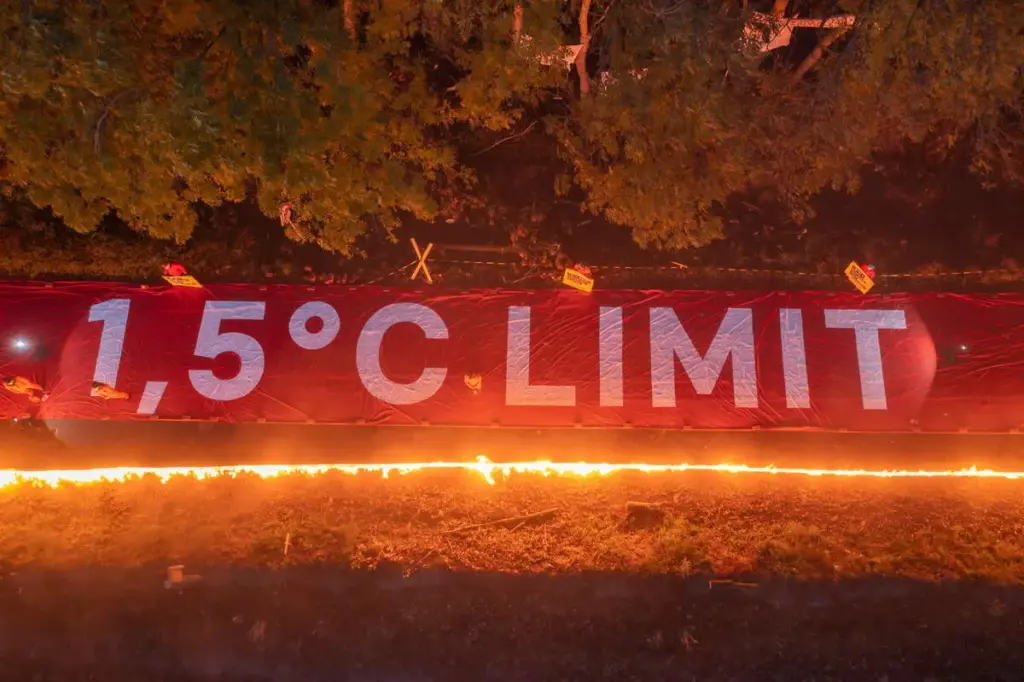
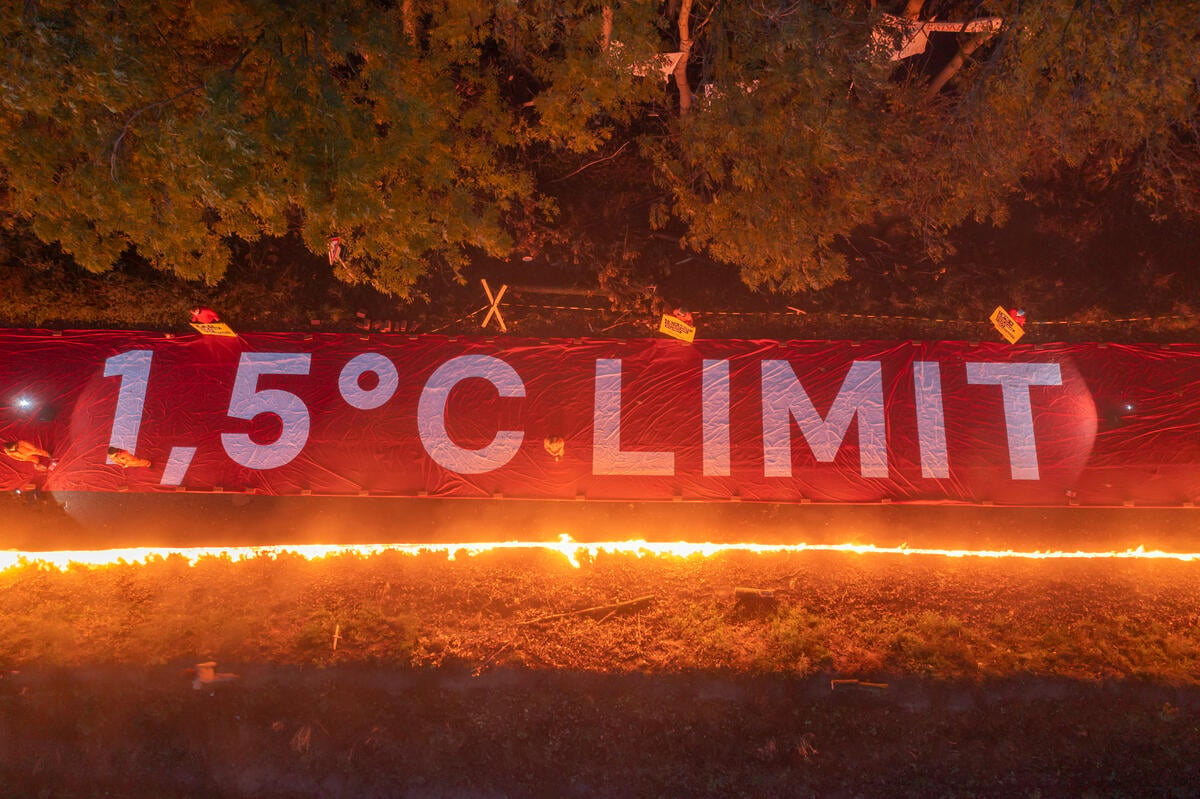
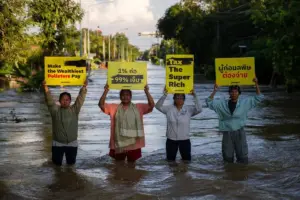
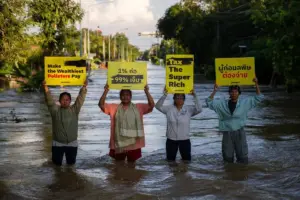
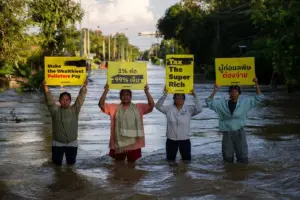
The window to permanently secure a safe climate future is closing rapidly. According to a landmark report by the United Nations Environment Programme (UNEP) titled Limiting Overshoot, global temperatures are projected to breach the critical 1.5°C threshold above pre-industrial levels within the next few years. This impending milestone is no longer a distant theoretical risk; it is an imminent reality that threatens to accelerate extreme weather events, destabilize critical Earth systems, and disproportionately impact the world’s most vulnerable populations.
Despite this anticipated temporary overshoot, the global community’s legally and morally binding commitment remains firmly anchored to the 1.5°C limit outlined in the 2015 Paris Agreement—a stance recently reinforced by landmark opinions from the International Court of Justice and resolutions adopted by the UN General Assembly. In response to the UNEP’s findings, environmental organizations like Greenpeace are sounding the alarm, demanding that global governments enact an immediate, aggressive transition away from fossil fuels and halt systemic forest destruction.
Even under the most optimistic climate scenarios—where governments fully implement and even exceed their current Nationally Determined Contributions (NDCs)—global warming is still projected to peak at approximately 1.8°C before a concerted, multi-decade effort can drive temperatures back down. This "overshoot, peak, and decline" trajectory represents a precarious gamble with planetary stability. As experts warn, there are simply "no good outcomes" if the planet remains above 1.5°C for an extended period. Consequently, the decisions made by policymakers, corporations, and civil society today will dictate whether this overshoot is measured in years or decades, and whether humanity can successfully pull the climate back from the brink.
Detailed Chronology and the Science of "Overshoot"
To understand the gravity of the UNEP’s warning, it is essential to trace the evolution of global climate policy and the atmospheric realities driving current scientific consensus.
The 2015 Paris Agreement and the 1.5°C Anchor
At the 21st Conference of the Parties (COP21) in Paris in December 2015, nearly 200 nations forged a historic pact. The overarching goal was unambiguous: hold the increase in the global average temperature to well below 2°C above pre-industrial levels and pursue efforts to limit the temperature increase to 1.5°C. This threshold was not chosen at random; rigorous scientific assessments by the Intergovernmental Panel on Climate Change (IPCC) demonstrated that crossing 1.5°C dramatically escalates the risks of catastrophic, irreversible environmental breakdown.
The 2024 Milestone and Long-Term Trends
In 2024, the world crossed a psychological and meteorological Rubicon when average global surface temperatures rose to 1.6°C above the pre-industrial baseline for the first time over a single calendar year, according to data from the Copernicus Climate Change Service. While alarming, climate scientists emphasize that a single-year exceedance does not formally constitute a permanent breach of the Paris Agreement threshold. Climate change is defined by long-term multi-decadal trends rather than isolated annual anomalies. However, the 2024 spike served as a stark preview of the volatility characterizing our current atmospheric state.
The Rise of "Overshoot, Peak, and Decline" Scenarios
As emissions have continued to climb due to insufficient global mitigation, the scientific community has had to adapt its forecasting models. The concept of an "overshoot"—where emissions temporarily push global temperatures past 1.5°C before theoretical carbon dioxide removal (CDR) technologies and net-zero policies bring them back down—has taken center stage.
These overshoot, peak, and decline pathways form the core of the new generation of global emissions scenarios (such as those prepared for upcoming IPCC assessments). These models make it clear that avoiding an overshoot is preferable in every metric, but because current trajectories make a temporary breach virtually inevitable, science must now map out how to survive the peak and engineer a safe descent.
Supporting Context and Key Metrics
The mathematics of climate change leave a very narrow margin for error. The UNEP report outlines the stark budgetary constraints facing human civilization if we are to honor the 1.5°C ceiling.
The Vanishing Carbon Budget
From the beginning of 2026 onwards, humanity’s remaining carbon budget—the total amount of carbon dioxide we can pump into the atmosphere while maintaining even a 50% chance of limiting global warming to 1.5°C—stands at a meager 130 Gigatons (Gt) of CO₂.
To put this in perspective, global CO₂ emissions must decline steeply and steadily from current levels, dropping entirely to net-zero within just over six years. This stark reality exposes a massive "emissions gap" between what governments are currently pledging and what planetary physics demands. Human-induced global warming is already hovering near 1.4°C, with temperatures rising at a rate of approximately 0.25°C per decade—a velocity that some recent empirical studies suggest may be accelerating due to declining aerosol pollution and feedback loops. According to IPCC metrics, every five years of high emissions adds roughly 0.1°C to our ultimate peak warming.
The Three Phases of Managing an Overshoot
Because decades of delayed action have made a temporary breach all but certain, the UNEP report details a three-tiered strategic framework to manage the crisis:
Immediate Response: Focused on abruptly slowing the rate of temperature rise through deep, immediate emission cuts across all economic sectors, alongside urgent interventions to protect vulnerable human populations from compounding extreme weather.
Coping and Containment: A mid-term phase designed to build systemic climate resilience, manage escalating economic and ecological shocks, and secure food and water infrastructures.
Long-Term Resilience and Net-Negative Emissions: A sustained recovery phase characterized by scaling up durable carbon dioxide removal technologies to drive global temperatures back down below the 1.5°C threshold.
Official Statements and Institutional Perspectives
International governing bodies, legal institutions, and environmental watchdogs have coalesced around the urgency of the UNEP’s warnings, framing the crisis not merely as an environmental challenge, but as an existential and legal imperative.
The International Court of Justice (ICJ) and the UN General Assembly have both recently reaffirmed that the 1.5°C limit is legally and morally binding under international law, elevating state inaction to a violation of human rights and international obligations.
Meanwhile, environmental organizations have mobilized to demand accountability. Greenpeace International representatives have forcefully articulated the need for an immediate overhaul of global systems.
"The UNEP report makes it unmistakably clear that there are no good outcomes if we remain above 1.5°C," notes Jasper Inventor, Deputy Programme Director at Greenpeace International. "Every fraction of a degree matters. Governments can no longer hide behind distant net-zero targets for 2050 while approving fossil fuel expansion today. The 1.5°C limit is a legal, political, and moral obligation."
Amplifying this scientific and systemic critique, Dr. Jerry Jose, Senior Scientist at the Greenpeace International Science Unit, emphasizes the biophysical limitations of relying on future technological fixes to clean up our atmospheric debt:
"Mitigation determines the journey and the destination, while adaptation merely determines who survives the trip. We cannot engineer our way out of an overshoot simply by betting on unproven carbon removal technologies. We must slash emissions at the source—starting with an immediate, managed phase-out of coal, oil, gas, and industrial agriculture."
Future Outlook: Irreversible Tipping Points and the Path Forward
The consequences of allowing global temperatures to overshoot 1.5°C—even temporarily—extend far beyond hotter summers and more frequent droughts. The UNEP report warns that prolonged elevated temperatures risk triggering catastrophic, irreversible Earth system tipping points that would reshape the planet permanently.
Cascading Tipping Points
Once triggered, these tipping points operate independently of human greenhouse gas emissions, locking in centuries of environmental degradation:
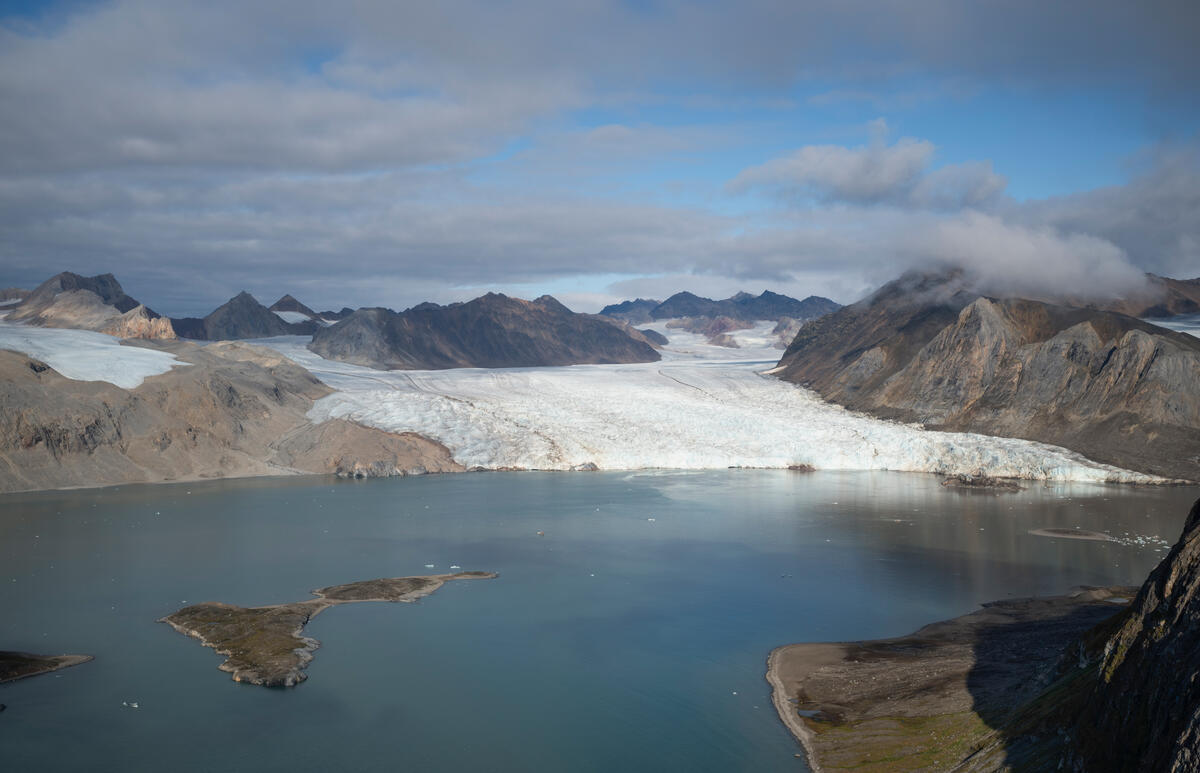
Ice Sheet Destabilization: The accelerated melting and potential collapse of the West Antarctic and Greenland ice sheets, committing the planet to catastrophic, multi-meter sea-level rise that would submerge Small Island Developing States (SIDS) and low-lying coastal megacities worldwide.
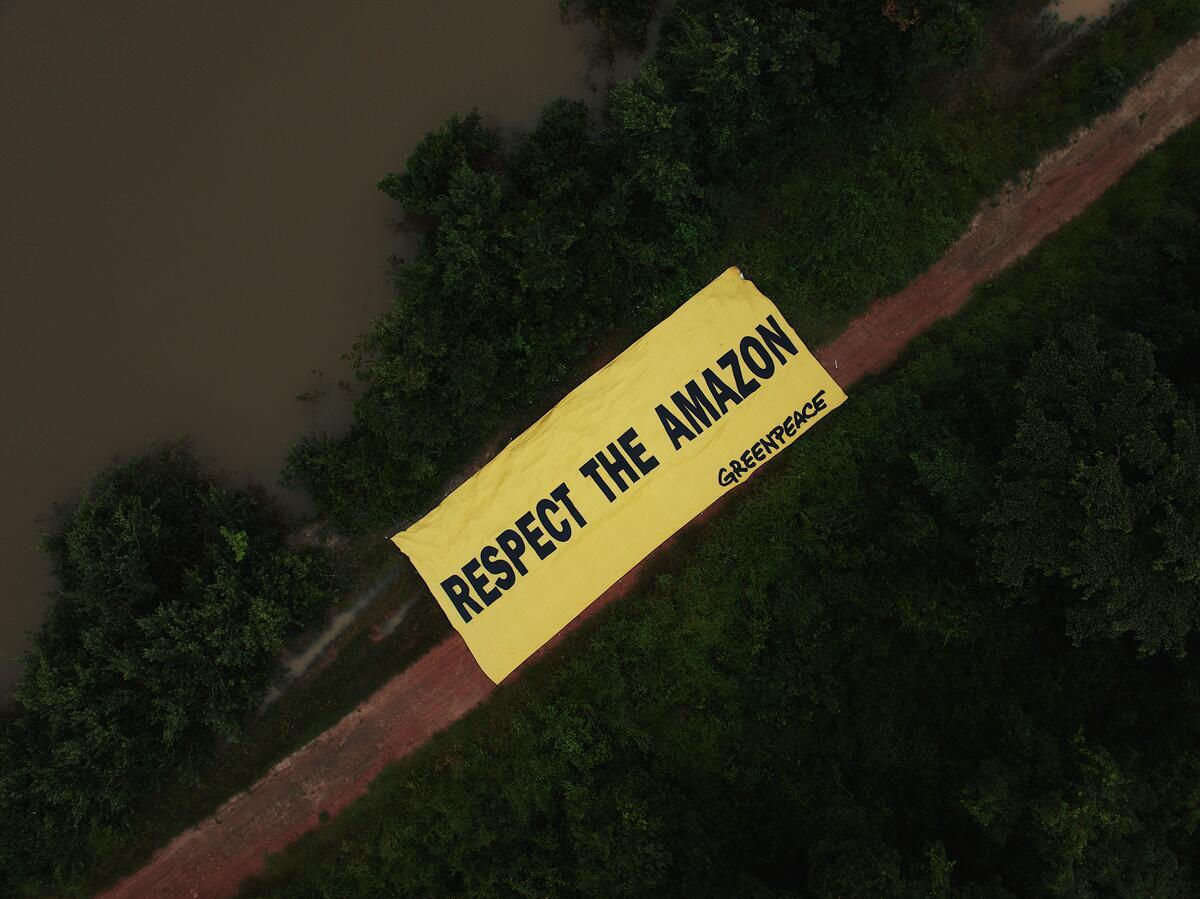
The Amazon Rainforest Dieback: Pushing the Amazon basin past a critical moisture threshold, transforming vast tracts of tropical rainforest into degraded savannah and releasing billions of tons of stored carbon back into the atmosphere.
AMOC Disruption: A fundamental weakening or collapse of the Atlantic Meridional Overturning Circulation (AMOC)—the vital ocean conveyor belt that regulates global weather patterns, monsoons, and thermal distribution across the Northern Hemisphere.
Placing Equity and Justice at the Core
Crucially, the UNEP report and civil society campaigns underscore that any climate response must be rooted in equity and climate justice. Developed nations, having contributed the lion’s share of historical emissions and possessing superior economic and technological capabilities, bear the responsibility to move "hardest and fastest."
A true just transition is far more than a simple substitution of fossil fuels for renewable energy infrastructure. As outlined in Greenpeace policy briefings, it represents a generational opportunity to restructure energy, transport, and industrial systems to dismantle entrenched corporate power, reduce wealth inequality, protect indigenous lands, and guarantee that frontline and working-class communities share equitably in the benefits of a post-carbon economy.
Essential Actions for the Road Ahead
As the world looks toward upcoming global milestones—including the UN General Assembly and COP31—the roadmap is clear. To prevent a catastrophic and prolonged 1.5°C overshoot, governments must immediately enact the following measures:
Rapid Fossil Fuel Phase-Out: Legally binding timelines to halt new oil, gas, and coal projects and rapidly decommission existing fossil fuel infrastructure.
Methane Reductions: Aggressive actions to slash methane emissions, specifically targeting the expansion of carbon-intensive industrial livestock production.
Ecosystem Protection: Immediate cessations of forest destruction, particularly in the Amazon, Congo Basin, and Southeast Asia, while safeguarding land, oceans, and indigenous territorial rights.
Scaled-Up Climate Finance: Substantial financial commitments from industrialized economies to fund adaptation, loss and damage, and renewable energy deployment in developing nations.
The future stability of human civilization depends entirely on the political courage demonstrated today. A stable climate tomorrow requires uncompromising, transformative change right now.