

Executive Overview
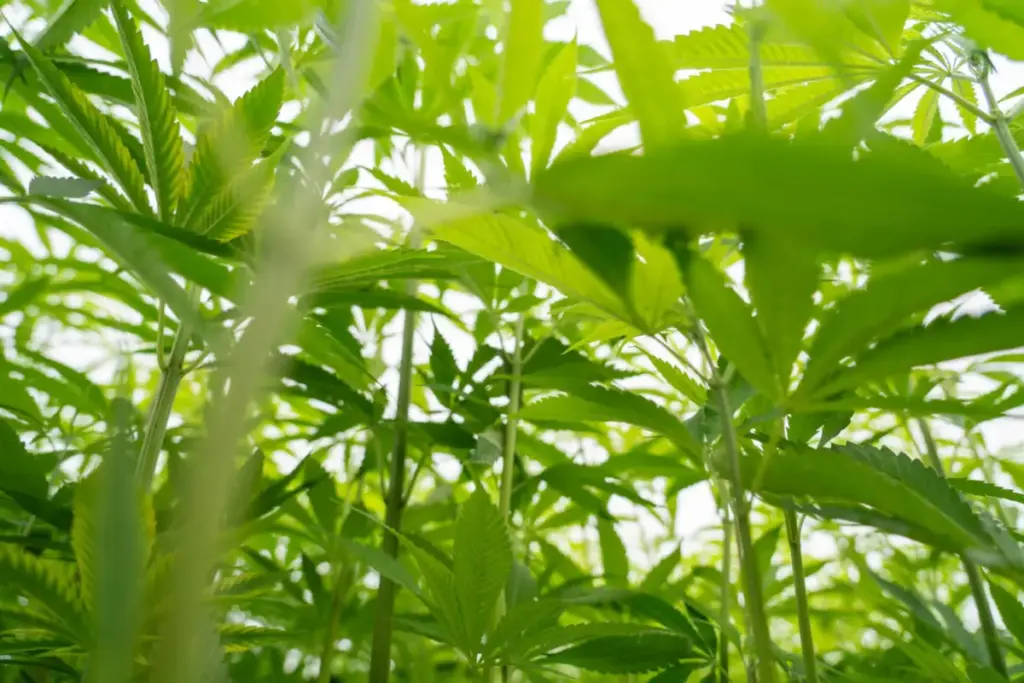
Long dismissed by modern regulatory frameworks and overshadowed by the cultural stigmas of its botanical cousin, industrial hemp (Cannabis sativa) is staging one of the most remarkable comebacks in agricultural history. Once a foundational pillar of early American commerce, the crop suffered a nearly seven-decade prohibition before the landmark 2014 U.S. Farm Bill restored its legal cultivation. Today, hemp is transitioning from a regulatory anomaly into an agricultural linchpin, driving innovations across regenerative farming, human medicine, sustainable manufacturing, and environmental remediation.
At the vanguard of this movement are institutions like the Rodale Institute and forward-thinking enterprises such as Pocono Organics and Green Heffa Farms. Through rigorous scientific inquiry and practical field research, researchers and farmers are decoding how hemp can simultaneously heal degraded soils, supply eco-friendly materials, and generate lucrative revenue streams for organic producers. With the global industrial hemp market projected to skyrocket from over $11 billion in 2025 to nearly $48 billion by 2032, hemp is no longer just an alternative crop—it is a cornerstone of the future green economy.
Detailed Chronology: From Colonial Staple to Modern Scientific Renaissance
To understand the trajectory of hemp today, one must trace its complex and deeply American timeline, marked by periods of immense economic utility, systemic suppression, and modern scientific rehabilitation.
1. The Foundation of Early American Agriculture (17th to 19th Centuries)
For the first 150 years of American history, hemp was not merely a crop; it was an economic imperative. Cultivated widely across the colonies and early states, hemp fiber was essential for maritime trade, producing durable ropes, canvas sails, rigging, and coarse textiles. George Washington and Thomas Jefferson both cultivated the crop, recognizing its robust growth patterns and utility. Agronomically, early farmers valued hemp for its ability to suppress weeds and break up dense subsoils, making it an early, albeit intuitive, tool in sustainable crop rotations.
2. The Era of Prohibition (1937–2014)
Despite its agricultural pedigree, the mid-20th century brought a swift and absolute halt to the American hemp industry. Botanically classified as Cannabis sativa, industrial hemp was legally conflated with marijuana—its psychoactive counterpart—despite critical biological differences. The passage of the Marihuana Tax Act of 1937 effectively criminalized the cultivation of all Cannabis plants, regardless of THC content. For the next 70 years, American farmers were barred from growing the crop, forcing the United States to rely entirely on foreign imports for hemp fiber, seed, and oil.
3. Legislative Rebirth and the 2014 Farm Bill
The tides began to turn with the Agricultural Act of 2014 (commonly known as the 2014 Farm Bill), which authorized state departments of agriculture and universities to begin cultivating industrial hemp for research purposes. This single legislative pivot opened the floodgates for academic and field investigations, allowing scientists to begin rigorously analyzing what traditional farmers had long suspected: that hemp possessed unmatched potential for soil restoration, sustainable manufacturing, and human health.
4. The 2025 Scientific Milestones
Fast forward to the present day, and hemp research has matured from exploratory pilot projects into peer-reviewed, globally recognized science. Studies published in 2025—most notably in the journal Agrosystems, Geosciences & Environment by Rodale Institute soil scientist Dr. Dinesh Panday—have provided precise agronomic guidelines for optimizing crop outputs. Concurrently, field studies at the Rodale Institute Pocono Organic Center have formalized data on weed suppression, heavy metal bioremediation, and fiber quality, cementing hemp’s status as a scientifically validated tool for regenerative agriculture.
Supporting Context & Metrics: The Science and Economics of Hemp
Hemp’s versatility stems from its unique biology and chemistry. However, harnessing this potential requires a granular understanding of how the plant interacts with soil systems, human physiology, and industrial processing techniques.
Botanical Distinctions: Hemp vs. Marijuana
The fundamental barrier to hemp’s historical adoption was a misunderstanding of its chemistry. While both industrial hemp and marijuana belong to the Cannabis sativa species, they are bred for entirely different purposes and possess vastly different chemical profiles.
- Tetrahydrocannabinol (THC): This is the primary psychoactive compound in marijuana responsible for producing euphoria. By federal legal definition, industrial hemp must contain a THC concentration of no more than 0.3 percent—a threshold far too low to induce any psychoactive effect.
- Cannabidiol (CBD): Unlike marijuana, hemp is naturally rich in non-psychoactive cannabinoids, notably CBD, which interacts with the human body’s endocannabinoid system to help regulate sleep, mood, appetite, and immune response.
Agronomic Optimization: Nitrogen and CBD Yields
Recent research has demystified how organic farmers can maximize the medicinal value of the plant. A 2025 study led by Dr. Dinesh Panday demonstrated that organic farmers can strategically optimize the CBD content of hemp plants by carefully managing nitrogen fertilizer applications. This precision management ensures high-potency yields without relying on synthetic inputs that compromise soil microbiology.
Fiber Productivity vs. Quality Trade-Offs
Field trials at the Rodale Institute Pocono Organic Center have also provided clarity on fiber production metrics. Researchers discovered a direct trade-off between plant density and fiber quality:
- High-Density Planting: Placing industrial hemp crops close together yields a greater mass of total plant material per acre, maximizing overall raw tonnage.
- Wider Spacing: Allowing more room between rows encourages thicker stalks and significantly stronger, more durable fibers.
This data gives regenerative farmers the flexibility to tailor their planting strategies based on whether their target market demands high-volume pulp or high-strength textiles.
Nutritional Profile
Beyond fiber and medicine, hemp seeds offer an exceptional nutritional profile. Rich in vitamins E, D, and A, the seeds boast a high concentration of heart-healthy omega-3 and omega-6 fatty acids. Furthermore, they supply polyphenols and terpenoids—compounds recognized for their potent antimicrobial, antioxidant, and anti-inflammatory properties. Whether consumed raw or roasted, whole or ground, hemp seeds provide a nutrient-dense supplement for modern diets.
Sustainable Manufacturing and Bioplastics
In the realm of materials engineering, hemp is replacing fossil-fuel-dependent plastics. Scientists collaborating with the Rodale Institute Pocono Organic Center and Thomas Jefferson University have engineered a novel composite material made from hemp stalks—specifically utilizing the residual plant matter left over after CBD extraction.
- Led by materials engineer Dr. Ronald Kander, the research team has successfully used this material in injection-molding machinery to produce durable, compostable consumer goods such as bowls and cups.
- This bio-composite is strong yet flexible, offering a circular-economy solution that bypasses petrochemical extraction entirely.
Soil Health and Bioremediation
Hemp is an aggressive biological agent for land restoration. Its deep root systems foster a rich, diverse population of microbes and mycorrhizal fungi, which are critical indicators of soil vitality. More remarkably, hemp roots possess hyperaccumulative properties, meaning they draw heavy metals out contaminated soils.
Tissue mineral testing conducted on research plots by the Rodale team revealed that hemp accumulated significantly greater concentrations of toxic heavy metals—such as lead and cadmium—than traditional cover crops like sorghum-Sudangrass. This makes hemp an exceptional tool for phytoremediation, safely cleansing polluted industrial sites.
Weed Management and Crop Rotation
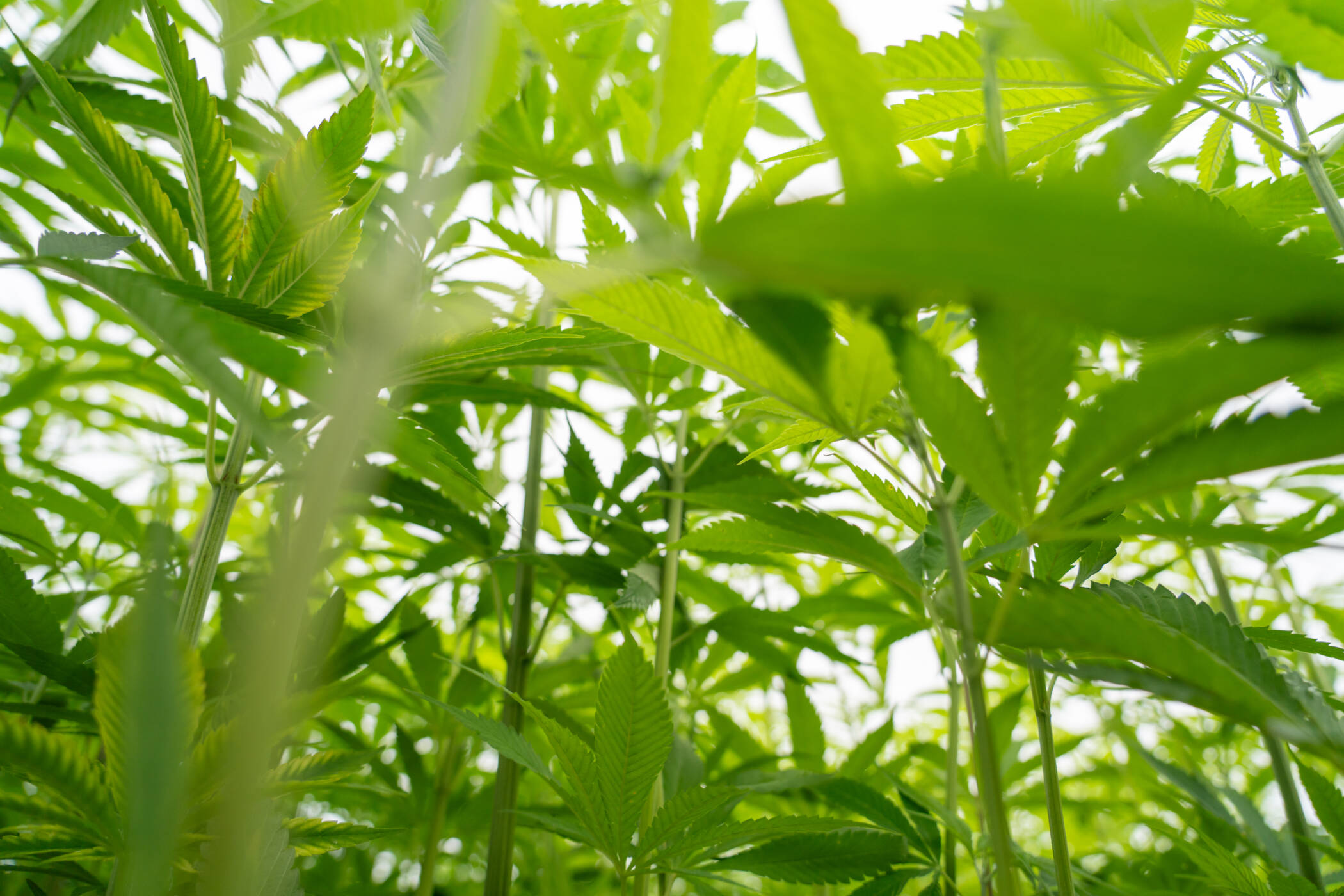
Hemp’s vigorous early growth habits allow it to develop a dense, leafy canopy that effectively blocks sunlight from reaching the soil surface. This natural shading starves weed seeds of the light they require to sprout.
Long-term field data collected at the Rodale Institute between 2016 and 2020 demonstrated that when fiber hemp was integrated into a crop rotation, subsequent yields of cash crops like soybeans and wheat increased, while overall weed pressure plummeted. Hemp acts as a natural biological herbicide, reducing the need for mechanical tillage or chemical weeding.
Economic Viability
Financially, hemp represents a lucrative diversification strategy for modern farms. According to data from the 2023 Rodale Institute report, Growing Industrial Hemp as an Organic Cash Crop:
- Farmers cultivating hemp for fiber can earn up to $1,220 per acre.
- Producers growing hemp for seed can net up to $550 per acre.
When combined with the broader global market projection—surging from $11 billion to nearly $48 billion—these per-acre yields highlight hemp’s capacity to revitalize rural agricultural economies.
Official Statements: Voices from the Field and Laboratory
The resurgence of industrial hemp is propelled by a coalition of pioneering farmers, institute leaders, and material scientists who view the plant not merely as a commodity, but as an ecological ally.
"The hemp research conducted at the Rodale Institute Pocono Organic Center has received global awareness for its reports on soil health, nitrogen management, cover cropping, and hemp’s weed suppression capabilities. The ongoing research collaboration validates the benefits of our regenerative organic practices and helps us pioneer new approaches that benefit the entire organic hemp industry."
— Ashley Walsh, President and Founder, Pocono Organics
Reflecting on her personal journey with plant-based medicine, Walsh adds:
"After being diagnosed with gastroparesis (a paralyzed stomach) in my late twenties and turning to plant-based medicine, including CBD, I experienced the transformative power of this remarkable plant firsthand."
Bridging the gap between agricultural restoration and holistic wellness, Clarenda “Farmer Cee” Stanley, founder of Green Heffa Farms and winner of the 2025 Good Farmer Award US, emphasizes the holistic synergy of the crop:
"Hemp is a powerful plant ally for me as a regenerative organic farmer because it enriches the soil, supports biodiversity, and thrives without heavy inputs. As part of Green Heffa Farms’ healing herbs and products, it carries those same benefits forward—offering plant medicine that is both restorative to the land and to the people who use it."
From an engineering perspective, Dr. Ronald Kander of Thomas Jefferson University underscores the industrial application of agricultural waste:
"Our first generation of this [hemp stalk composite] material has been used in an injection molder to make bowls and cups, proving that we can manufacture durable, plastic-like goods without relying on fossil fuels."
Future Outlook: The Horizon of Regenerative Hemp
As the agricultural sector faces escalating pressures from climate change, soil degradation, and synthetic chemical pollution, the future of industrial hemp looks both necessary and expansive.
The convergence of institutional research—led by organizations like the Rodale Institute—and commercial execution by certified organic pioneers is laying a scalable blueprint for the future. In the coming decade, we can expect several key developments to shape the hemp landscape:
- Advanced Bioplastics Scaling: As injection-molding techniques and bio-composite formulations improve, hemp-based plastics are poised to move from pilot-scale production into mainstream commercial manufacturing, drastically cutting corporate reliance on petrochemical packaging.
- Standardized Phytoremediation Protocols: With urban sprawl and industrial pollution threatening arable land, municipal and private entities are expected to increasingly deploy hemp as a standardized, low-cost method for cleaning heavy-metal-contaminated brownfield sites before returning them to food production.
- Refined Agronomic Frameworks: Ongoing genetic breeding and nutrient-management studies will likely yield proprietary hemp cultivars optimized specifically for regional climates, maximizing localized yields for fiber, seed, and cannabinoid extraction.
- Policy and Market Maturation: As federal and international regulatory frameworks continue to stabilize, access to banking, crop insurance, and institutional capital will widen, lowering the barriers to entry for independent farmers wishing to transition to organic hemp cultivation.
Ultimately, industrial hemp represents a rare intersection where ecological restoration directly aligns with commercial profitability. By breathing life back into depleted soils, cleaning contaminated lands, and supplying clean alternatives to plastics, textiles, and pharmaceuticals, hemp has firmly reclaimed its status as one of humanity’s most valuable botanical partners.



