From the choppy, vulnerable waters of the Black Sea to the high-stakes political corridors of the Pacific Islands Forum in Palau, environmental activism took on an unyielding, multi-front urgency this week. Greenpeace and allied grassroots organizations coordinated a series of high-impact demonstrations, community-led cleanups, and landmark legal challenges spanning four continents.
This wave of global mobilization underscores a pivotal moment for planetary health. As international energy conglomerates double down on fossil fuel extraction and chemical giants seek legal workarounds to perpetuate toxic pollution, local communities, indigenous advocates, and youth networks are responding with resolute resistance. Whether deploying kayaks to confront offshore drilling ships, installing community-scale solar grids in urban neighborhoods, or initiating court-backed enforcement actions against toxic polluters, this week’s actions illustrate that the fight for climate justice is as localized as it is global.
This report provides a comprehensive, ground-level analysis of Greenpeace’s international operations over the past seven days. Through detailed regional breakdowns, policy evaluations, and expert contexts, we examine how grassroots resilience is challenging corporate impunity and carving out a sustainable future.
Detailed Chronology of Global Actions
1. Europe: The Black Sea Showdown and Legal Battles Over Toxic Discharges
Bulgaria: "Gas is a Scam" in the Black Sea
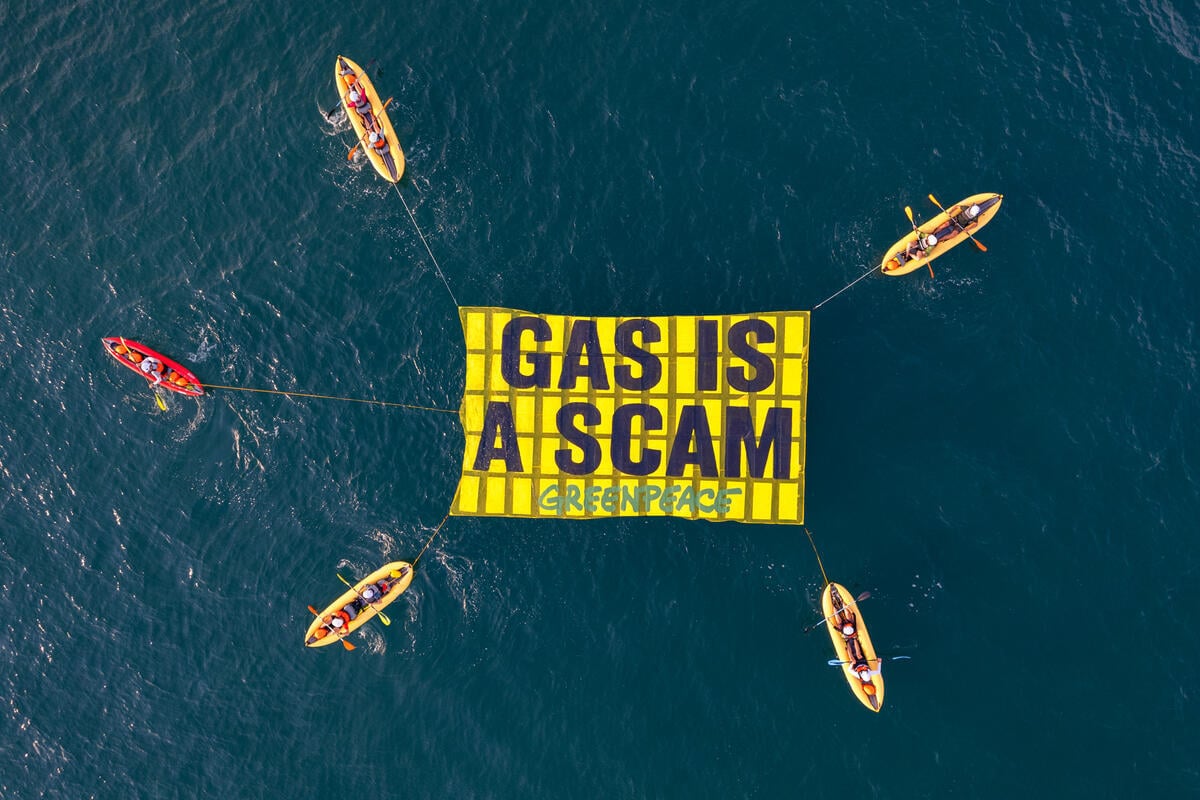
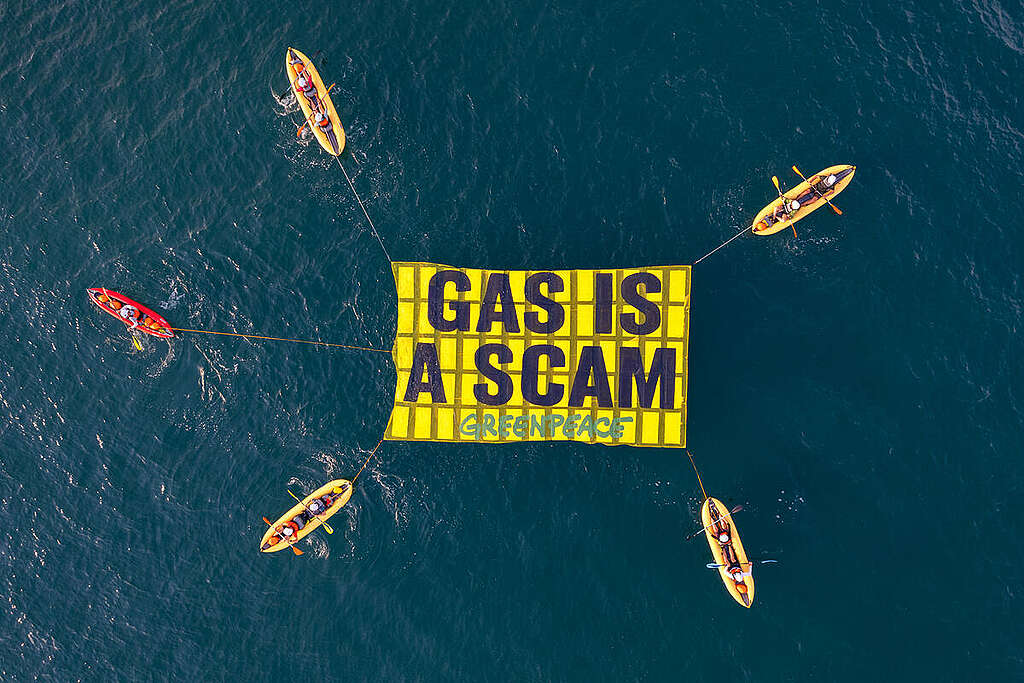
Operating against the backdrop of an impending oil and gas exploration project within the Khan Tervel block—situated squarely in Bulgaria’s exclusive economic zone—Greenpeace activists staged a high-visibility maritime protest. A flotilla of kayaks bearing a massive banner with the unequivocal message "GAS IS A SCAM" took to the Bulgarian coastal waters, flanked by the iconic Greenpeace vessel Arctic Sunrise.
The demonstration targeted the operations of multinational energy giants Shell and OMV-Petrom. Environmental watchdogs emphasize that such fossil fuel exploration projects lock nations into long-term carbon dependencies while directly endangering marine ecosystems. The Black Sea, already under severe ecological stress, hosts vital populations of cetaceans, including vulnerable dolphin species that face acoustic trauma and habitat degradation from seismic blasting and drilling.
[Black Sea Coast] ---> Kayakers & Arctic Sunrise
                      --> Target: Shell & OMV-Petrom (Khan Tervel Block)
                      --> Message: "GAS IS A SCAM" (Protect Marine Life / Halt Fossil Lock-in)
Germany: Crowdsourcing Water Safety in Aachen
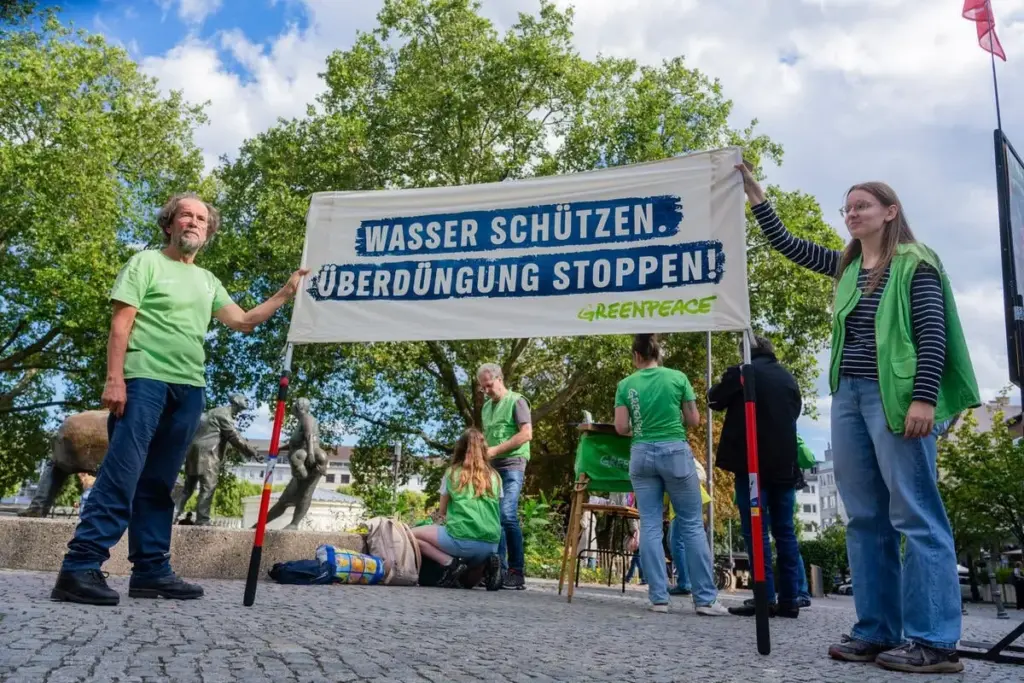
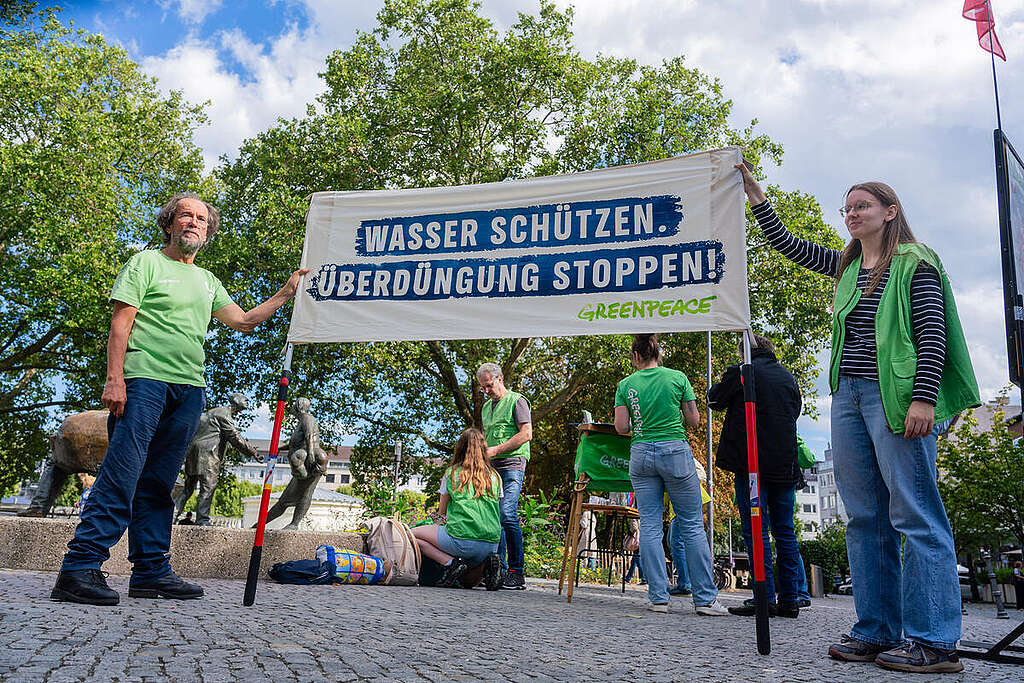
In Aachen and across Germany, Greenpeace local groups launched a nationwide "crowd research" initiative to combat river, lake, and drinking water contamination driven by agricultural over-fertilization. Setting up a symbolic interactive drink station featuring a wheel of fortune, activists educated the public on pervasive nitrate pollution. Crucially, they distributed water test kits and demonstrated testing methodologies, urging citizens to monitor private wells, streams, and rivers over the coming months to hold agricultural polluters accountable.
Netherlands: Escalating Pressure on Chemours Over PFAS
In a major legal maneuver, Greenpeace Netherlands filed a formal enforcement request against multinational chemical manufacturer Chemours. The action targets illegal discharges of per- and polyfluoroalkyl substances (PFAS)—notoriously dubbed "forever chemicals"—which have systematically accumulated in Dutch ecosystems and human biological samples, ranging from local eggs to human breast milk.
With Chemours allegedly attempting to backdoor the legalization of toxic trifluoroacetic acid (TFA) through new permit applications, and government regulators dragging their feet, Greenpeace has teamed up with environmental lawyer Benedicte Ficq and local residents. By deploying independent water, air, and soil sampling, the organization aims to permanently halt toxic dumping through the courts.
2. Africa: Youth Empowerment and Ecological Action
Kenya: Launching the Next Phase of the Ubunifu Hub
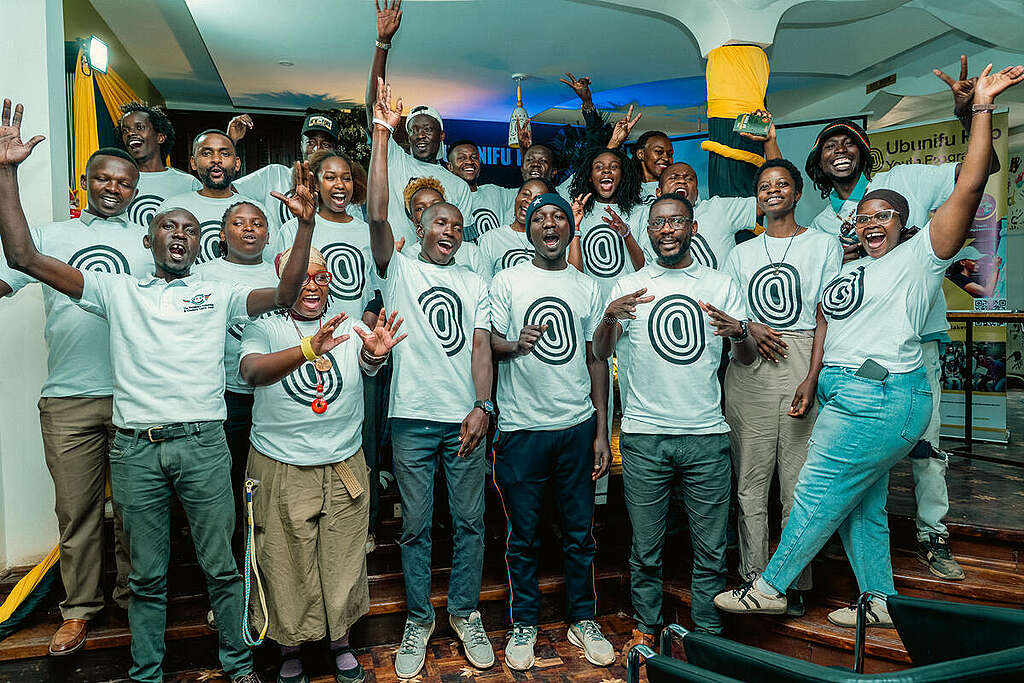
In Nairobi, the Greenpeace Environmental Foundation celebrated the official launch of a new operational phase for the Ubunifu Hub Youth Program. Bringing together youth leaders, institutional partners, and civil society stakeholders, the event served as a dynamic platform to showcase grassroots innovation. The hub provides young Kenyans with the digital, creative, and organizational tools needed to conceptualize local environmental solutions and spearhead civic action against ecological degradation.
Cameroon: Eco-Jogging and Waste Debates in Yaoundé
In Central Africa, civic engagement took to the streets of Yaoundé. Fifteen dedicated volunteers partnered with the CNEDD association for an ecological march and cleanup, combining physical fitness with environmental advocacy ("eco-jogging"). The participants collected significant quantities of plastic waste before gathering for a town-hall-style debate on plastic pollution, policy enforcement, and sustainable waste management alternatives within urban centers.
3. Asia-Pacific: Defending the "Moana" and Accelerating Urban Solar
American Samoa: Intercepting the Deep-Sea Mining Threat
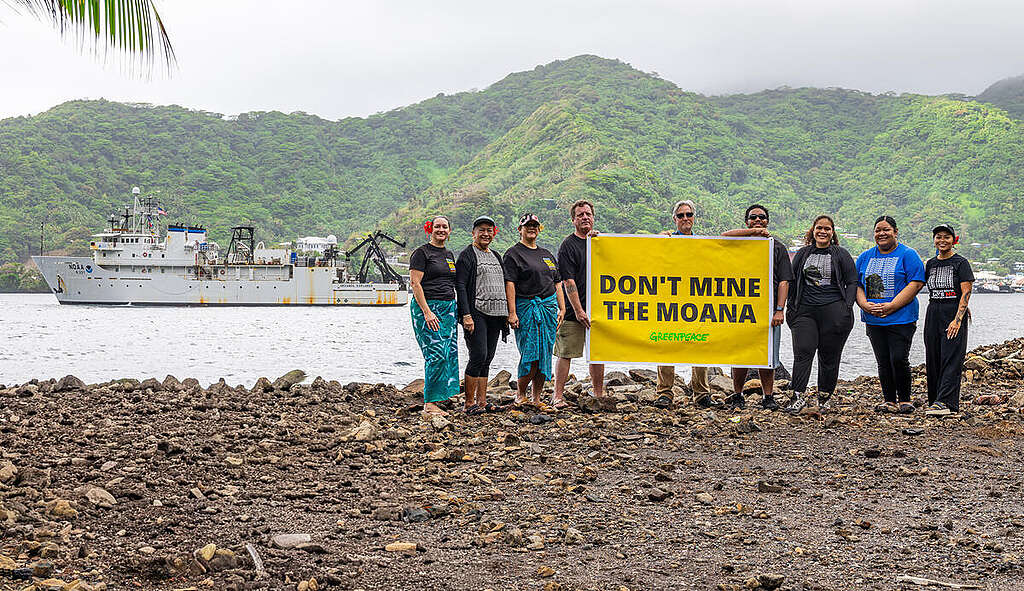
In Pago Pago Harbor, an inspiring coalition of activists from Finafinau, Greenpeace USA, and the broader American Samoan community confronted the NOAA research vessel Okeanos Explorer during a crew change operation. Armed with banners reading "Don’t Mine the Moana," "Stop Deep Sea Mining," and "Protect the Pacific," protestors voiced fierce opposition to the vessel’s mission to map and quantify deep-sea mineral deposits.
The demonstration comes in direct response to the U.S. Interior Department Marine Minerals Administration’s proposed lease sale of approximately 31.4 million acres (roughly 48,000 to 50,000+ square miles) of offshore waters for commercial deep-sea mining. Scheduled for November 19, 2026, this lease represents an unprecedented threat: if executed, it will become the first commercial deep-sea mining operation in U.S. domestic waters, setting a dangerous global precedent.
[American Samoa / Pago Pago Harbor]
       │
       ├── Target: NOAA Ship 'Okeanos Explorer' (Deep Sea Mineral Mapping)
       ├── Threat: U.S. Interior Dept. 31.4 Million Acre Lease Sale (Nov 19, 2026)
       └── Resistance: Finafinau & Greenpeace USA ("Don't Mine the Moana")
Palau: Pacific Islands Forum and the 1.5°C Mandate
As heads of state convened in Koror, Palau, for the annual Pacific Islands Forum (PIF), civil society organizations projected massive banners to ensure that the existential crises of climate change and ocean degradation remained central to high-level negotiations. Activists emphasized that maintaining global temperature rise below 1.5°C is not merely a diplomatic aspiration, but a strict legal and moral obligation reinforced by the International Court of Justice.
Indonesia: Rooftop Solar Revolution in North Jakarta
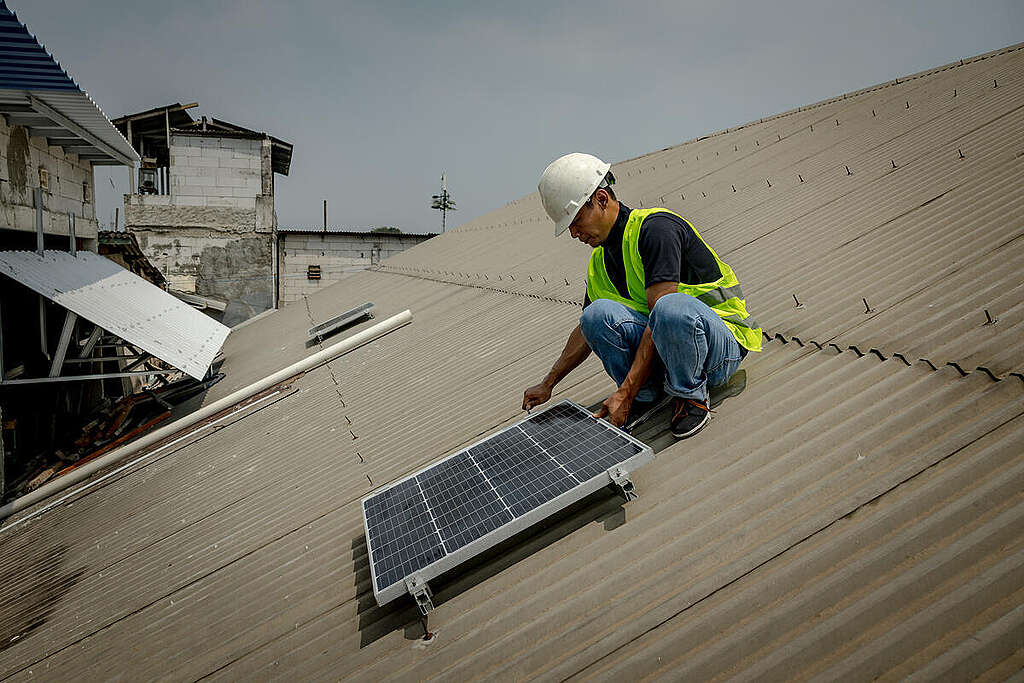
In a concrete push for decentralized renewable energy, Greenpeace Indonesia partnered with the Urban Poor Consortium (UPC) and Jaringan Rakyat Miskin Kota (JRMK) to install community-scale rooftop solar panels in the Kampung Muka neighborhood of North Jakarta. This grassroots infrastructure project aims to accelerate Indonesia’s transition away from coal-dominated grids while democratizing clean power access for marginalized urban communities.
Supporting Context & Operational Metrics
To fully grasp the scope of this week’s mobilization, it is vital to examine the intersecting environmental indicators and policy frameworks driving these actions:
Fossil Fuel Expansion vs. Climate Targets: According to global energy analysts, ongoing exploration blocks like Bulgaria’s Khan Tervel undermine international commitments under the Paris Agreement. Continued hydrocarbon extraction guarantees stranded assets and locks the European Union into geopolitical fossil dependencies.
The Deep-Sea Mining Frontier: The proposed U.S. Marine Minerals Administration lease sale encompassing over 31 million acres near American Samoa threatens fragile benthic ecosystems that remain largely unmapped. Scientists warn that disturbing deep-sea beds could permanently destroy unique hydrothermal vent ecosystems and disrupt global carbon sequestration cycles.
Chemical Contamination Metrics: In the Netherlands, independent monitoring reveals that PFAS and TFA concentrations in agricultural runoff and industrial zones exceed safe biological thresholds. The legal battle against Chemours highlights the systemic failure of self-regulation within the chemical manufacturing sector.
Official Statements & Stakeholder Perspectives
On Deep-Sea Mining in the Pacific: "The Moana is not a mining concession waiting to be exploited; it is a living, breathing ancestor and a life-support system for Pacific peoples. We will not stand by while foreign interests auction off our blue backyard for corporate profit."
— Representative, Finafinau Movement (American Samoa)
On the Black Sea Fossil Project: "Calling gas a ‘bridge fuel’ is the greatest deception of our era. Projects like the Khan Tervel block lock our energy future into a burning planet while lining the pockets of companies like Shell and OMV-Petrom. We are here to draw a line in the water."
— Greenpeace International Campaign Spokesperson
On Industrial PFAS Discharges: "Chemours is attempting to legalize what cannot be managed. When corporations poison our breast milk, our soil, and our drinking water with impunity, the courts must become the last line of defense for public health."
— Benedicte Ficq, Environmental Lawyer (Netherlands)
Future Outlook & Strategic Roadmap
As these diverse campaigns unfold over the coming months, Greenpeace and its global coalition partners have outlined several critical milestones and strategic objectives:
Legal Escalation in Europe: Greenpeace Netherlands will aggressively pursue its enforcement request against Chemours, pushing for immediate judicial injunctions to halt illegal PFAS and TFA discharges pending comprehensive independent environmental reviews.
Defending the Pacific Commons: Civil society networks in American Samoa and across the wider Pacific will mobilize international legal and diplomatic pressure ahead of the November lease sale dates, demanding a permanent moratorium on commercial deep-sea mining.
Decentralized Energy Scaling: Following the successful installation in Kampung Muka, Greenpeace Indonesia plans to expand community-scale solar initiatives to additional marginalized urban sectors, proving that renewable energy transitions can be bottom-up and community-led.
Citizen Science Expansion: Germany’s "crowd research" water monitoring project will aggregate citizen-collected nitrate data over the next two quarters, building an airtight empirical case for sweeping agricultural regulatory reform.
For more than half a century, visual storytelling and direct action have remained Greenpeace’s most potent instruments against ecological injustice. By bearing witness, documenting corporate malfeasance, and empowering local communities, the global environmental movement enters the final quarter of the year with renewed tenacity and unshakeable solidarity.