For generations, the narrative of American agriculture was one of immutable inheritance. Family farms, complete with acreage, equipment, and deeply embedded institutional knowledge, were passed quietly from parents to children. Today, that traditional pipeline has slowed to a trickle. With the average age of American farmers climbing to 58 and successive generations frequently seeking out less physically grueling, white-collar professions, the nation faces a looming generational crisis in land stewardship.
Into this void steps a new demographic: career-switchers, idealists, creators, and community organizers drawn to the soil not by birthright, but by profound personal conviction. At the vanguard of this movement is the Rodale Institute Farmer Training (RIFT) program. Designed to bridge the chasm between corporate or creative life and sustainable agrarian enterprise, RIFT equips aspiring producers with the agronomic skills, business acumen, and ecological philosophies required to run modern, regenerative organic farms.
This comprehensive, nine-month intensive course takes participants through a complete seasonal cycle—from the quiet planning of winter seed catalogs to the grueling, high-stakes labor of autumn harvests. Through hands-on fieldwork, classroom instruction, and the development of a professional capstone farm plan, RIFT is reshaping who becomes a farmer and how the American food landscape is sustained.
Detailed Chronology: A Season in the Life of a RIFT Trainee
The transformation from tech professional, florist, or artist to certified regenerative organic farmer does not happen overnight. It is a grueling, immersive journey mapped across nine transformative months.
Phase 1: Breaking Ground and Shifting Paradigms (Months 1–3)
The journey begins in the early spring, a time when the earth is still thawing and the mental landscape of the trainees undergoes its own profound shifts. For participants like Shawn Cabalsi, a 43-year-old former tech sector worker, and Samantha Cooper, a former retail operations manager, the opening weeks involve breaking away from decades of fast-paced, digital, or corporate habits.
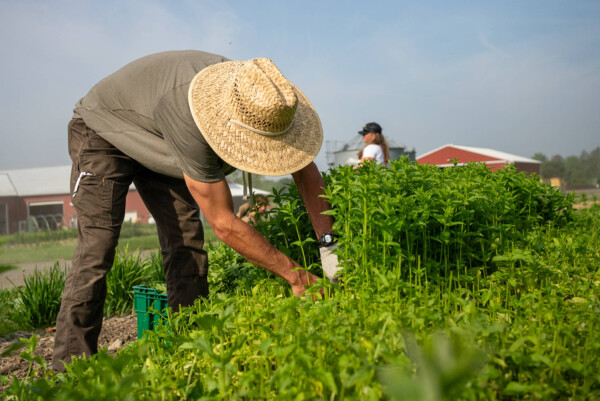
Trainees are introduced to the core tenets of the Rodale Institute: building soil health, eliminating synthetic chemicals, and fostering biodiversity. Days are split between classroom theory—studying soil microbiology, crop rotation, and organic certification standards—and heavy physical labor. Students learn to handle tools, manage irrigation systems, and understand the intricate mechanics of seed propagation. This foundational period is designed to test physical resilience and instill an appreciation for the slow, methodical rhythms of nature.
Phase 2: Mid-Season Management and Market Realities (Months 4–6)
As spring transitions into the sweltering heat of summer, the workload shifts from preparation to maintenance and active production. Trainees manage weed pressures without herbicides, scout for pests using integrated pest management (IPM) strategies, and execute succession planting to ensure a continuous harvest.
Crucially, RIFT is not just about growing food; it is about building a viable enterprise. During the height of the growing season, participants engage heavily in the business and logistical sides of agriculture. Trainees take charge of bringing crops to market, operating a weekly farm stand for Rodale Institute staff. Here, they grapple firsthand with post-harvest handling, pricing strategies, customer service, and the delicate balance of a farmer’s labor-to-yield ratio. They learn that a successful harvest means very little if it cannot be efficiently and profitably brought to the consumer.
Phase 3: Capstone Integration and the Road Ahead (Months 7–9)
As the harvest winds down, the physical intensity of the fields gives way to intense strategic planning. The culmination of the RIFT program is the creation of a comprehensive capstone project: a working, individualized farm plan.
Under the guidance of experienced instructors, trainees synthesize everything they have learned over the previous months. They map out acreage, calculate startup and operational costs, outline strategies for organic certification, and draft proposals that can be taken directly to banks, grant committees, and land trusts. By the time graduation arrives, these once-novice participants leave not just with calloused hands and agricultural know-how, but with a fully realized blueprint for their future business ventures.
Supporting Context & Metrics: The Anatomy of a Modern Agricultural Crisis
To fully appreciate the urgency and impact of the RIFT program, one must examine the broader socio-economic landscape of modern farming.
The Aging Farming Population
According to data from the United States Department of Agriculture (USDA), the average age of the American producer continues to rise, hovering around 58 years old. As older farmers reach retirement age without successors, millions of acres of farmland are vulnerable to consolidation by massive agribusiness conglomerates or conversion into suburban real estate developments. The loss of these independent producers threatens not only rural economies but also the genetic and operational diversity of the nation’s food supply.
The Financial and Educational Support Gap
Starting an independent organic farm is notoriously difficult. Capital requirements for land, equipment, and infrastructure are staggering, and traditional agricultural education programs often focus heavily on industrial, chemical-dependent models rather than regenerative systems.
The Rodale Institute addresses these barriers head-on through a unique combination of financial and structural support:
Stipend and Housing: Trainees receive a weekly stipend of $600 alongside free housing for the duration of the 35-consecutive-week program, dramatically reducing the financial barrier to entry for career-switchers.
Academic Integration: RIFT participants can earn college credits through Northampton Community College in Bethlehem, Pennsylvania, which can be applied toward accredited degrees—such as Prescott College’s online Master of Arts in regenerative design.
Long-Term Support: Since its inception in 2011, the program has graduated over 100 individuals. Alumni retain lifetime access to Rodale Institute’s online classes, ongoing networking opportunities, and continued mentorship as they establish their independent operations.
Official Statements and Participant Profiles
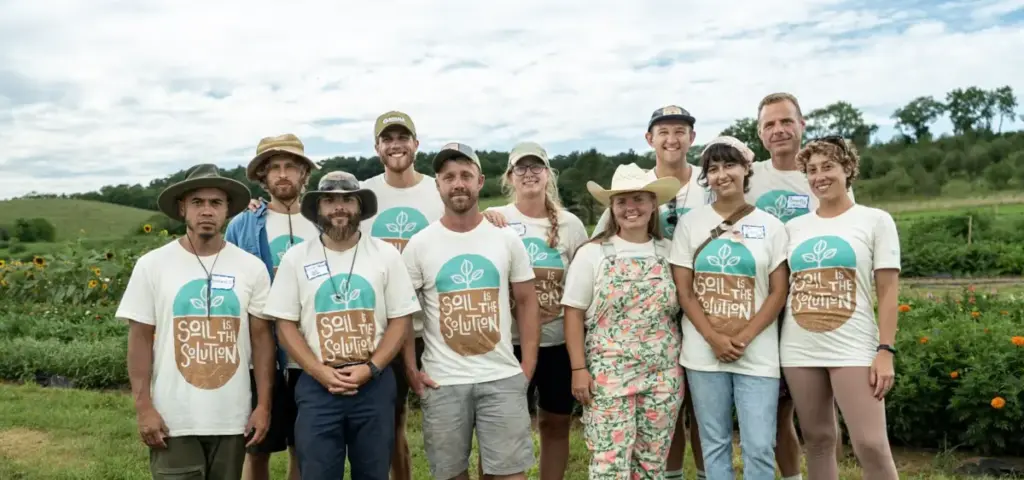
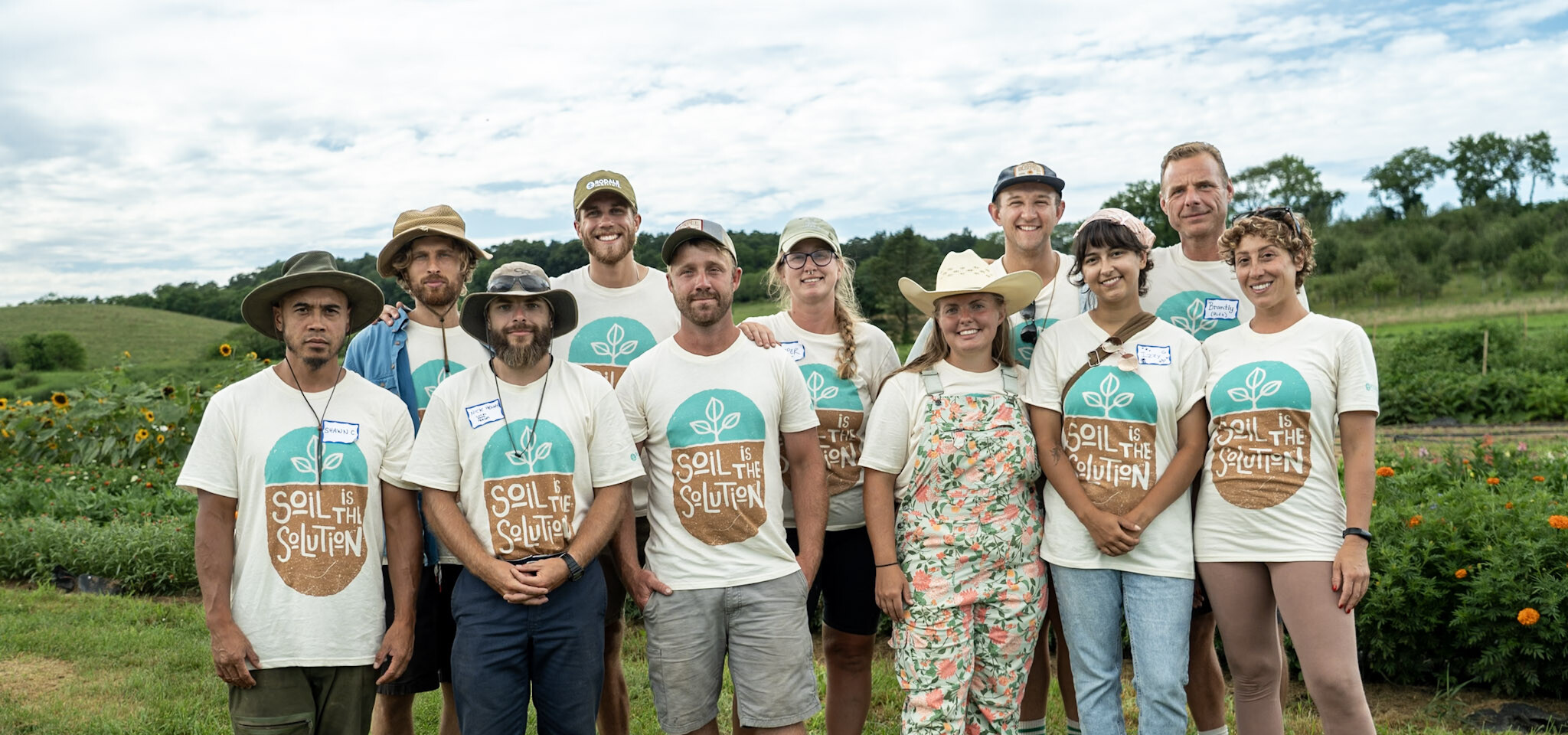
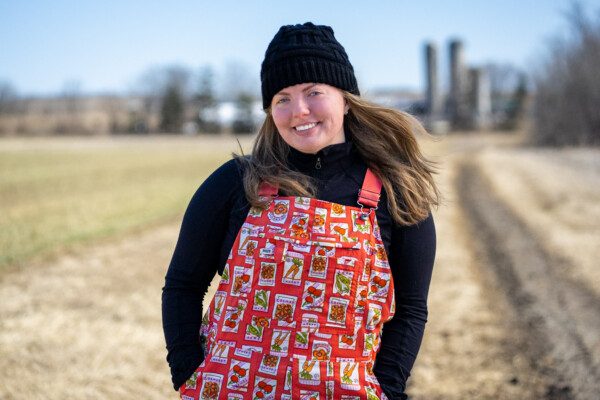
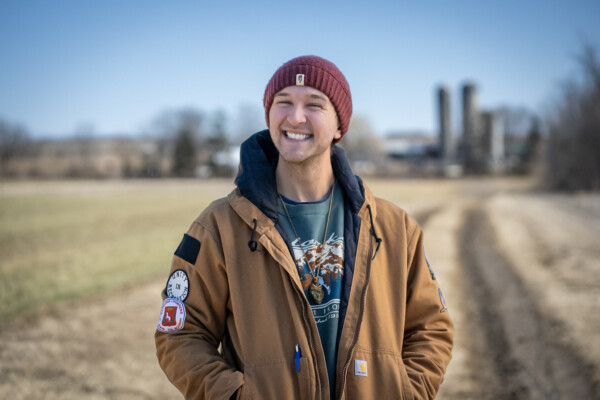
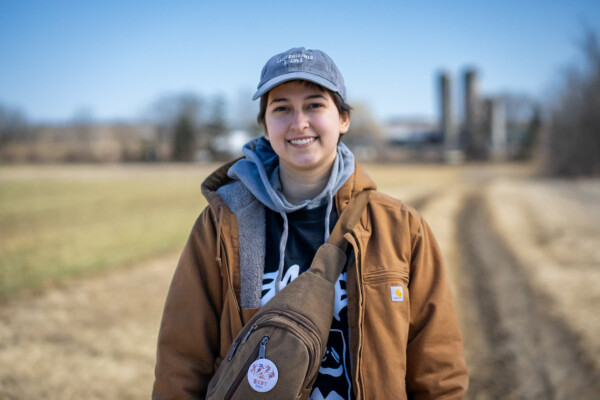
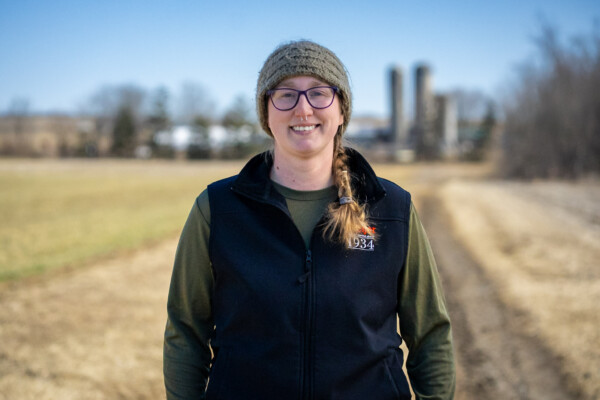
The true measure of the RIFT program lies in the diverse human stories of its participants. Each member of the 2025 cohort brings a distinct background, yet all share a unified vision for ecological restoration.
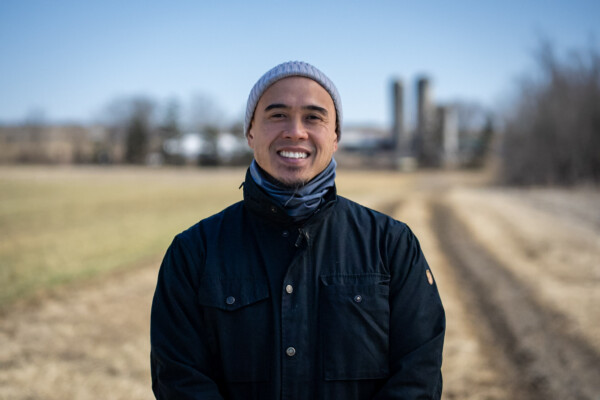
Shawn Cabalsi: The Tech-Sector Philosopher
For Shawn Cabalsi, the leap from the technology sector to agriculture was driven by a search for ethical and moral alignment. Influenced by agrarian philosophers like Wendell Berry, E. F. Schumacher, and Masanobu Fukuoka, Cabalsi sought a life in greater harmony with nature.
"Farming is a big step for me toward being more in harmony with nature," Cabalsi reflects.
Having already helped found an 11-acre nonprofit organic farm in Macungie, Pennsylvania, that supplies fresh produce to food-insecure residents, Cabalsi uses the RIFT program to master organic certification and advanced regenerative methodologies. His goal is to expand community education around sustainable food production.
Delaney Gemmel: Honoring Family Heritage
Balancing business acumen with ecological stewardship, Delaney Gemmel aims to merge her family’s multi-generational florist heritage in Allentown, Pennsylvania, with modern regenerative flower farming. After earning a business degree from Lehigh University and traveling internationally to study global food systems, Gemmel realized her true passion lay outdoors.
"I want to keep that florist heritage alive within my family, so my goal is to start a small-scale flower farm that supplies my grandparents’ flower shop and my own direct-to-consumer market," she explains.
Payton Wilks: Scaling Climate Action
Fascinated by the intersection of project management and global ecology, Payton Wilks pivoted away from conventional corporate paths to tackle what he views as humanity’s greatest challenge: climate change.
"I started learning about regenerative organic agriculture and how we can use soil to sequester carbon and grow food for ourselves while also taking care of the planet," Wilks states.
After gaining experience on diversified vegetable farms, Wilks plans to establish his own operation, applying rigorous project management techniques to ecological restoration.
Isidra Garcia: Visual Storyteller of the Soil
An internship with the Rodale Institute communications department transformed Isidra Garcia’s trajectory. While studying video editing at Kutztown University and researching hemp textiles for a documentary on fast fashion, Garcia fell in love with agriculture.
"Because soil health is so important, I want to have my own plot of land, and I want to do my own part to restore the soil," Garcia says.
She envisions combining her agricultural pursuits with media production, growing ingredients for a local pico de gallo product line while producing educational videos to guide consumers toward sustainable choices.
Samantha Cooper: Healing Land and Self
For Samantha Cooper, the journey into regenerative farming is deeply personal. Motivated by food system vulnerabilities exposed during the COVID-19 pandemic and her own ongoing journey of recovery and sobriety, Cooper views agriculture as a powerful medium for holistic healing.
"It’s healing for me to grow the product, use it, and benefit from it—and then use what I’ve grown and what I’ve learned to educate other people," Cooper shares.
Alongside her partner, a RIFT fellowship alumnus, Cooper plans to return to Central Indiana to launch an organic medicinal herb farm, producing teas and tinctures that champion preventative, holistic health in a region dominated by industrial corn and soybean monocultures.
Kade Eckert: The Systems Problem-Solver
Coming from a background as a chef, indoor microgreens operator, and urban food production educator, Washington state native Kade Eckert approaches agriculture through the lens of systems engineering. Inspired by composting operations in Sweden and community farming in Seattle, Eckert’s mission is to close the loop on waste.
"I’m a problem solver by nature, and it’s my mission to work on the problems of the food system," Eckert asserts.
His future plans involve taking a degraded parcel of land in Washington, restoring it using municipal and school compost waste, establishing a native plant nursery, and hosting farm-to-table community dinners to demonstrate the economic and ecological viability of land regeneration.
Future Outlook: Scaling the Impact of Regenerative Education
As the agricultural landscape faces mounting pressures from climate change, soil degradation, and an aging workforce, programs like the Rodale Institute Farmer Training course offer a beacon of pragmatic hope.
According to Justin Barclay, Rodale Institute’s global education operations manager, the secret to the program’s success lies in its rigorous screening and holistic support structure. Successful participants must possess not only a desire to farm, but also the resilience to work collaboratively in demanding team environments and the humility to accept continuous coaching.
By transforming corporate professionals, artists, and entrepreneurs into skilled, business-savvy regenerative producers, RIFT is doing more than just training a handful of individuals each year. It is seeding an entire movement. Armed with college credits, robust business plans, ongoing institutional access, and a supportive alumni network, these new agrarians are poised to revitalize rural economies, heal depleted ecosystems, and fundamentally alter the future of American food production for decades to come.