

Executive Overview
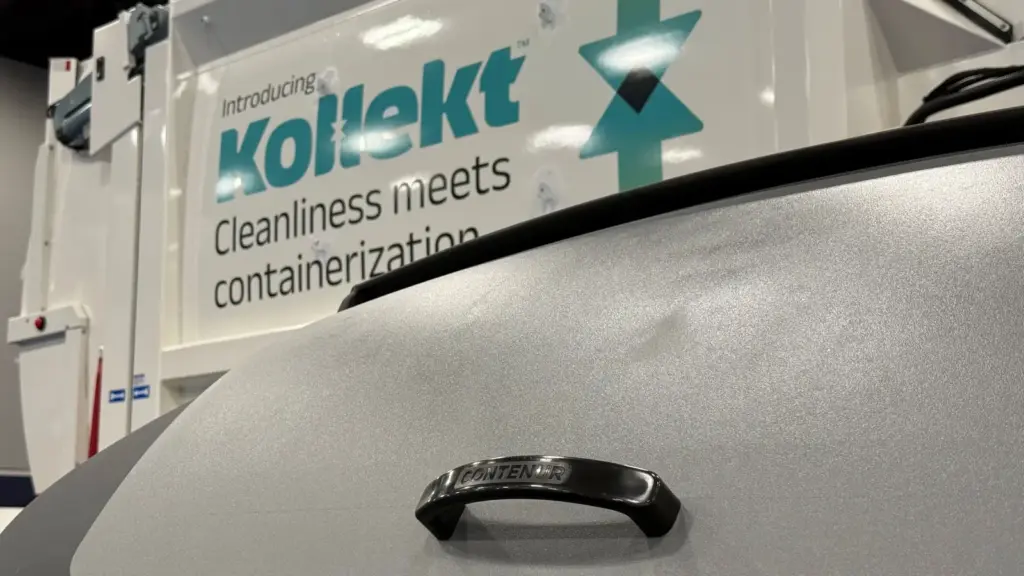
The landscape of American municipal waste management is undergoing a paradigm shift, driven by legislative mandates, demographic pressures in the labor force, and an urgent need to modernize aging collection infrastructures. At the forefront of this transformation is industry veteran Don Ross—current chairman of the National Waste & Recycling Association’s (NWRA) board of trustees and former chief sales officer at New Way Trucks. Ross is now leading the United States base of operations for Kollekt, an innovative heavy-duty truck manufacturer poised to redefine how densely populated urban centers handle municipal solid waste.
Backed by the powerful European industrial network of the Kirchhoff family of companies and leveraging proven Italian engineering, Kollekt is introducing specialized automated side-loading collection vehicles to the North American market. This strategic market entry is timed precisely to intercept a massive municipal overhaul in New York City, where local government initiatives aim to completely containerize all residential trash by the end of 2031.
New York City’s Department of Sanitation (DSNY) has accelerated its transition toward standardized, large-scale waste containers—specifically utilizing the large Empire Bins manufactured by Contenur for multifamily residential properties. However, collecting waste from these high-capacity bins presents a unique engineering challenge that traditional American garbage trucks are unequipped to handle. Enter Kollekt’s specialized automated side-loaders, a vehicle technology with roots dating back to 1997 in Europe, which is now making its long-awaited debut in the United States.
Beyond addressing immediate municipal contracting and logistical hurdles, Kollekt’s arrival addresses critical labor shortages within the waste management sector. By integrating advanced automation, the company aims to reduce the grueling physical labor traditionally associated with waste collection, thereby expanding the potential labor pool and extending the careers of aging commercial driver’s license (CDL) holders. As cities across the United States and Canada grapple with similar containerization mandates and density challenges, Kollekt’s U.S. venture stands as a bellwether for the future of urban sanitation technology.
Detailed Chronology: From European Roots to the New York Proving Ground
To fully understand Kollekt’s strategic entry into the North American market, it is necessary to examine the chronological progression of urban waste containerization policies and the technological evolution that made this partnership possible.
The European Blueprint and Technological Genesis
The foundational technology behind Kollekt’s automated side-loading collection vehicles is not entirely new; rather, it represents a mature, field-tested methodology. The core vehicle body and lifting mechanism debuted across European markets as early as 1997. For decades, European municipalities—facing narrow streets, high-density housing, and strict aesthetic and sanitary regulations—relied heavily on automated containerization systems to streamline waste pickup.
Despite its proven efficacy overseas, this specific technological ecosystem failed to achieve widespread adoption in the United States. American waste collection traditionally favored manual or semi-automated rear-loaders for urban cores and automated side-loaders predominantly for suburban single-family residential routes utilizing smaller 64- or 96-gallon roll-out carts. The vast, high-capacity multi-family container sector in major U.S. metropolises remained largely dependent on manual dumpster dumping or open curb placement of plastic trash bags.
The Kirchhoff Backing and the Formation of Kollekt U.S.
Recognizing a widening gap in the North American market—particularly as major U.S. cities began exploring mandatory trash containerization—the Kirchhoff family of companies threw its considerable industrial weight behind the creation of Kollekt. By partnering with advanced Italian truck manufacturing operations, Kirchhoff and its leadership team synthesized robust European container-handling mechanics with chassis architectures suited for North American roadways.
To steer this ambitious enterprise, the Kirchhoff family secured Don Ross, a seasoned executive whose pedigree includes leadership roles at Waste Management (WM) and a tenure as chief sales officer at New Way Trucks (which was acquired by Federal Signal). Ross, who also serves as chairman of the NWRA board of trustees, recognized that the intersection of municipal policy changes and equipment shortages created a rare market window. Stepping into his role as the head of Kollekt’s U.S. operations, Ross positioned the company not merely as an equipment vendor, but as a critical infrastructure partner for cities undertaking massive logistical overhauls.
The New York City Proving Ground and the 2031 Mandate
The catalyst for Kollekt’s U.S. market entry is indisputably New York City. Under the aggressive policy leadership of city officials—highlighted by Mayor Zohran Mamdani’s resolute commitment to containerize all residential trash by the close of 2031—the DSNY has been forced to rethink its entire collection methodology.
Historically, New York City’s millions of residents in multifamily walk-ups and apartment complexes placed loose trash bags directly on the sidewalk, creating severe public health hazards, aesthetic blight, and a thriving habitat for urban rodents. To eliminate this archaic practice, DSNY launched pilot programs utilizing large Empire Bins, manufactured by Contenur, specifically designed for multifamily residential buildings.
The implementation schedule is aggressive. The city has detailed concrete plans to roll out 6,500 of these specialized bins across targeted districts by the end of next year. However, this containerization drive introduces a massive logistical footprint: DSNY estimates indicate that transitioning to these systems could add up to 1.2 million more vehicle miles annually for municipal and private collection fleets.
Collecting waste from heavy, standardized multifamily containers requires specialized heavy-duty equipment capable of safely lifting, tilting, and emptying these large bins without exposing sanitation workers to extreme ergonomic strain or operational hazards. According to industry analyses, Kollekt’s automated side-loaders are currently among the very few vehicles in the U.S. market uniquely engineered to handle the exact mechanical requirements of the Contenur system.
Supporting Context & Metrics: Labor, Logistics, and Municipal Scale
The integration of Kollekt’s automated technology into the American waste stream occurs against a backdrop of mounting operational pressures, structural demographic shifts within the labor force, and complex supply chain dynamics.
Demographic Realities of the CDL Workforce
The commercial waste management industry has historically faced significant hurdles in recruitment and retention. Driving heavy municipal and commercial collection vehicles requires specialized licensing—specifically, a valid Commercial Driver’s License (CDL)—coupled with the mental and physical stamina to navigate congested urban environments.
Federal data from the Federal Motor Carrier Safety Administration (FMCSA) underscores a pressing vulnerability: CDL license holders are, on average, significantly older than the broader national workforce. As veteran drivers age toward retirement, the pipeline of replacement labor has struggled to keep pace with demand. This talent deficit is compounded by the grueling nature of legacy waste collection jobs, which frequently demand repetitive heavy lifting, manual bag-tossing, and exposure to hazardous roadway environments.
The Ergonomic and Economic Case for Automation
Don Ross and other industry leaders argue that automation is no longer a luxury, but an operational imperative for the survival and efficiency of the waste sector. By deploying automated side-loading vehicles equipped with precision mechanical arms, fleet operators can fundamentally alter the job profile of a sanitation worker.
- Reduction of Physical Strain: Automated systems eliminate the need for workers to manually lift and throw heavy, unstandardized trash bags into the hopper of a rear-loader. This drastic reduction in repetitive motion injuries directly lowers workers’ compensation claims and medical overhead for municipalities and private haulers alike.
- Workforce Longevity: Ergonomic relief allows older, highly experienced CDL holders to extend their careers comfortably, delaying retirement and preserving institutional knowledge within fleet operations.
- Expanded Labor Pool: By removing the physical barriers associated with heavy manual labor, automated trucks open up driving and collection roles to a broader demographic of potential workers who may have previously been deterred by the physical demands of the job.
While these labor-saving benefits have been successfully realized on suburban single-family routes utilizing automated side-loaders over the past two decades, extending these operational efficiencies to dense multifamily urban environments has remained an elusive frontier—until now.
Logistical Footprint and Supply Chain Architecture
While Kollekt’s trucks are generating immense interest as New York City scales its containerization initiatives, the company has intentionally adopted a flexible, asset-light commercialization strategy. Kollekt does not currently hold a direct, exclusive prime contract with DSNY. Instead, the company operates through an established network of regional dealers responsible for marketing, selling, and servicing the vehicles.
From a manufacturing and assembly standpoint, Kollekt utilizes a hybrid international supply chain:
- Body Fabrication: The specialized vehicle bodies, featuring the European-engineered automated lifting arms and compaction mechanisms, are manufactured overseas, primarily in Italy.
- Chassis Integration: Upon arrival in North America, these specialized bodies are mated with heavy-duty commercial truck chassis sourced and built to U.S. specifications.
- Future Domestic Expansion: Recognizing the potential for tariff fluctuations, shipping delays, and the long-term growth of the North American market, Ross and the Kirchhoff leadership team are actively laying the groundwork to establish a dedicated North American manufacturing and assembly base. Concurrently, regional parts depots and comprehensive technical support structures are being put in place to ensure rapid servicing and minimal vehicle downtime for municipal and private fleet clients.
Official Statements and Industry Perspectives
Speaking at the recent RCon industry conference, Don Ross offered candid insights into the strategic vision driving Kollekt’s U.S. launch, the philosophy of workforce modernization, and his personal legacy within the waste and recycling sector.
Reflecting on the unique technological positioning of Kollekt’s vehicles in relation to New York City’s municipal mandates, Ross emphasized the sheer novelty of the application within the American market:
"This is a great opportunity for us to showcase a different kind of collection… This is another type of automated product addressing a part of the waste stream we’ve never been able to get to."
Addressing the practical realities of scaling municipal infrastructure, Ross expressed complete confidence in the trajectory of market demand, noting that Kollekt’s growth is inextricably linked to the execution timelines of agencies like DSNY:
"As they scale, we’ll scale."
Ross also underscored his motivation for taking the helm at Kollekt following a distinguished career that included top-tier leadership positions at Waste Management and New Way Trucks. For Ross, the introduction of European-style containerization technology to North American streets represents the culmination of a lifelong commitment to operational safety, efficiency, and worker welfare:
"I think this is a technology that has meaningful purpose. That’s how I’d want to go out and be remembered, as someone who made a difference."
Industry analysts attending RCon noted that Ross’s background bridges the traditional heavy-equipment manufacturing sector with the nuanced operational realities of municipal fleet management, lending immediate credibility to Kollekt’s market entry.
Future Outlook: Scaling Beyond New York and Transforming Urban Sanitation
As the sanitation sector looks toward the horizon of 2031 and beyond, Kollekt’s U.S. expansion serves as a case study in how international technologies can be adapted to solve uniquely American urban crises.
Replicating the New York Blueprint Across North America
While New York City currently serves as the ultimate proving ground and high-profile reference customer for Kollekt, the structural challenges driving NYC’s containerization push are by no means unique to the five boroughs. Major metropolitan areas across the United States and Canada—including Boston, Chicago, Philadelphia, San Francisco, and Toronto—are facing mounting political and public health pressure to clean up their streetscapes, eradicate rodent populations, and modernize municipal waste logistics.
Municipal leaders in these cities are closely monitoring DSNY’s rollout of the Contenur Empire Bins and the operational performance of Kollekt’s automated side-loaders. Should the trial phases and subsequent district-wide expansions in New York prove successful—demonstrating sustained improvements in route efficiency, worker injury reduction, and street cleanliness—Kollekt is well-positioned to secure contracts and dealer partnerships in secondary and tertiary urban markets across the continent.
The Intersection of Automation, Policy, and Public Health
The broader implications of Kollekt’s U.S. entry extend far beyond corporate growth charts and manufacturing metrics. The convergence of strict municipal containerization mandates and automated collection equipment signals a permanent evolution in urban public policy.
For decades, American cities lagged behind their European counterparts in urban sanitation aesthetics, largely due to entrenched cultural practices regarding curb trash placement and the lack of standardized receptacle infrastructure. By forcing the adoption of heavy-duty, standardized bins, cities like New York are necessitating a complete re-engineering of municipal fleets.
Kollekt, under the veteran guidance of Don Ross and backed by the industrial fortitude of the Kirchhoff family, has positioned itself squarely at the intersection of this policy shift. By bridging the gap between heavy European mechanical engineering and North American commercial chassis standards, Kollekt is providing the missing link in the nation’s waste management infrastructure.
As the 2031 containerization deadline approaches, the success of Kollekt’s U.S. venture will likely be measured not only in vehicle sales and assembly line milestones, but in its profound, lasting impact on municipal labor conditions, urban hygiene, and the structural modernization of America’s cities.



