Across the rural landscapes of Northern Croatia, a quiet revolution is taking shape. Along the banks of the Drava River—an ecological wonderland frequently celebrated as the "Amazon of Europe"—ordinary citizens have transformed from peaceful residents into frontline environmental defenders. At the heart of this resistance is an escalating clash between local communities and corporate-backed industrial agriculture, known colloquially as "Big Ag."
For generations, the Drava River has served as the lifeblood of the region, anchoring local livelihoods, inspiring a rich heritage of naive art, and sustaining an extraordinary web of biodiversity. Today, however, this cross-border UNESCO Biosphere Reserve faces an existential threat. Multimillion-dollar proposals to construct massive industrial poultry farms—including a controversial mega-facility projected to process 1.8 million chickens annually just meters from the riverbank—threaten to replace pristine wetlands and clean water with millions of liters of industrial wastewater.
This investigative report examines the escalating defense of Croatia’s waterways. Through the personal perspective of local eco-artist and activist Kristina Pongrac, we trace how grassroots organizing is challenging corporate overreach, highlighting a systemic global conflict between profit-driven industrial expansion and the preservation of vulnerable rural ecosystems.
Detailed Chronology: From Peaceful Waters to Frontline Resistance
The Anchor of Life: A Landscape Shaped by Water
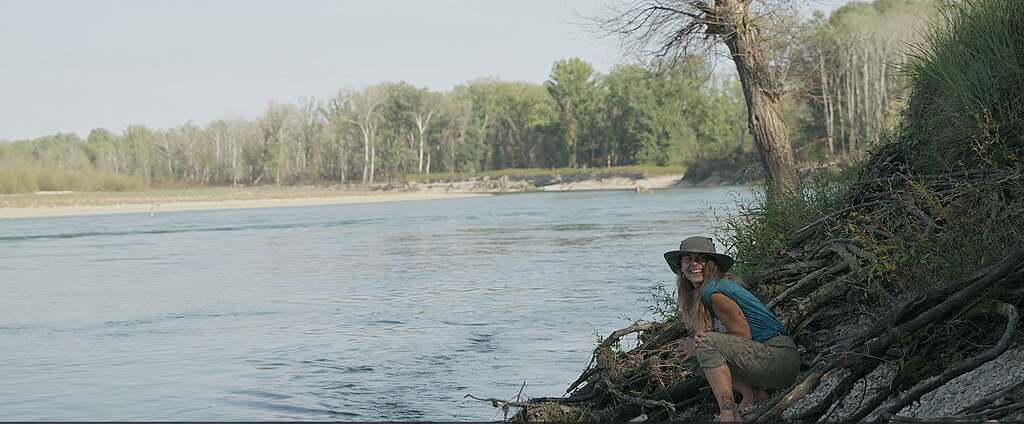
To understand the gravity of the current crisis, one must first understand the deep cultural and ecological roots connecting the people of Northern Croatia to the Drava River. The human body is roughly 71% water—a physical reality that Croatian artist Kristina Pongrac chose to immortalize with a tattoo of the 19th-century Drava River network wrapped precisely 71% of the way up her arm.
Growing up alongside the river, Pongrac and her neighbors experienced a childhood anchored by the waterway’s natural rhythms. Summers were spent swimming, paddling, and kayaking in its cool currents, while local families relied directly on its waters for fishing and recreation.
Beyond daily sustenance, the river has profoundly shaped regional culture. The Drava is a central motif in Croatia’s 20th-century naive art movement, a unique style of self-taught expression that documented the deep symbiosis between local communities and their natural environment. Historical activities such as river milling, gold panning, and traditional fishing formed the bedrock of the region’s social fabric.
The Threat Emerges: The Rise of the Industrial Chicken Farm
The serenity of the Drava basin was shattered when local residents uncovered plans for a colossal industrial chicken farm slated for construction just hundreds of meters from the pristine riverbanks in the Legrad and Donja Dubrava region.
According to environmental impact assessments, the proposed facility would funnel an astonishing 1.8 million chickens through its slaughterhouses every year. The operation is projected to generate over one million liters of annual wastewater. For a region defined by its delicate wetlands and protected statuses, the arrival of such an intensive industrial footprint sent shockwaves through the community.
Organizing the Resistance: The Birth of Građanska Inicijativa
Faced with administrative opacity and the imminent degradation of their home, ordinary citizens refused to remain silent. Recognizing that no outside agency was coming to save their environment, local residents from diverse professional backgrounds banded together to form Građanska Inicijativa Legrad – Donja Dubrava.
Though none of the members sought public attention or political conflict, necessity drove them into the spotlight. The collective divided responsibilities based on individual strengths: some members organized community events and protests, others dove into complex legal and environmental data, while others liaised with local authorities and delivered public speeches.
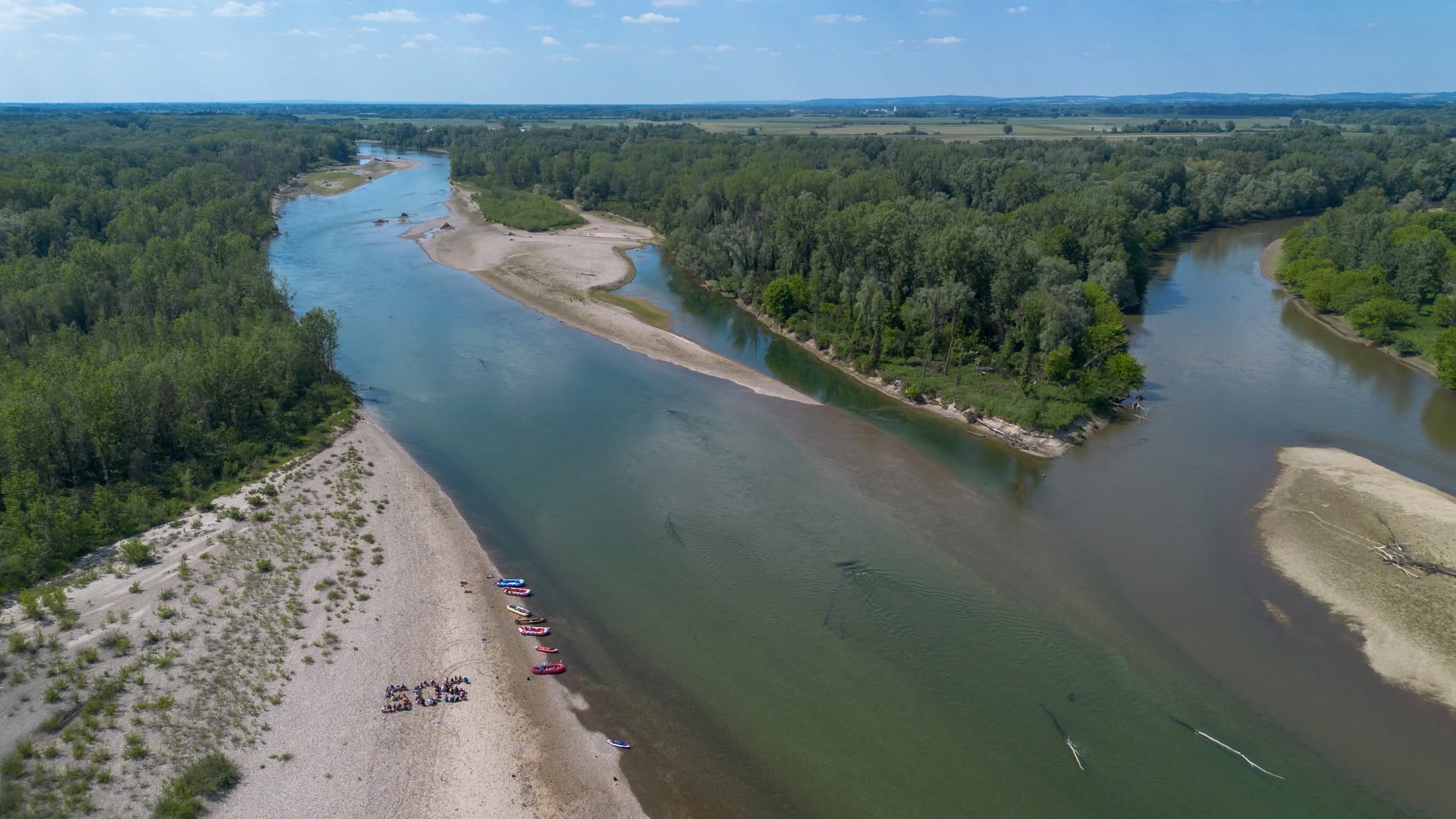
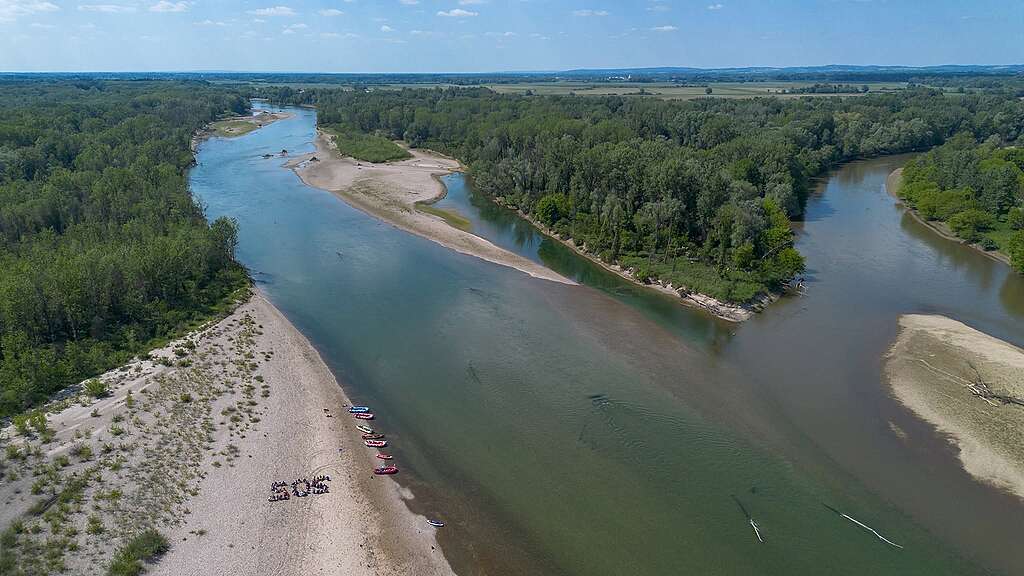
A defining moment in their campaign occurred months ago when activists and supporters staged a striking flash mob at the confluence of the Mura and Drava rivers. Gathering on the shoreline and waters with kayaks, they arranged themselves to spell out a massive "SOS" visible from the air—a powerful visual appeal to the international community.
Supporting Context & Metrics: The "Amazon of Europe" Under Siege
Ecological Significance of the Mura-Drava-Danube Biosphere
The Drava River is far from an ordinary waterway. Spanning multiple countries, the region forms part of the monumental Mura-Drava-Danube (MDD) UNESCO Biosphere Reserve—often hailed by conservationists as the "Amazon of Europe."
The confluence of the Mura and Drava rivers creates a dynamic mosaic of:
Lush floodplain forests
Extensive gravel and sand banks
Complex wetland habitats harboring rare flora and fauna
Serving as a critical ornithological reserve, the area is a vital European flyway and stopover for migratory birds every spring and autumn. It provides a sanctuary for iconic, vulnerable species, including the majestic white-tailed eagle, the black stork, and various tern populations.
The Paradox of "Protected" Areas
One of the most alarming aspects of the Legrad-Donja Dubrava development is its geographical proximity to legally protected zones. Environmental audits revealed that seven distinct protected areas lie within a mere two-kilometer radius of the proposed factory farm site.
Critics argue that if an industrial facility of this magnitude can be legally forced into construction adjacent to multiple overlapping ecological reserves, the administrative designation of a "protected area" becomes legally and practically meaningless.
A Wider Pattern: Corporate Power Versus Rural Communities
The crisis in Legrad and Donja Dubrava is not an isolated local dispute; it is part of a broader, systemic wave of corporate agro-industrial expansion sweeping across Croatia and the wider European Union.
The Apatija Threat: Similar industrial poultry projects are being pushed onto resisting residents in nearby villages like Apatija.
The Sisak Megaproject: Approximately 160 kilometers to the south near the city of Sisak, plans for an industrial mega-facility aiming to produce a staggering 100 million chickens annually—equivalent to four times Croatia’s entire national production—sparked intense public backlash. Through fierce local mobilization, residents successfully halted major portions of the development, proving that coordinated people power can effectively check corporate overreach.
Activists argue these projects follow a predatory blueprint: wealthy corporate entities and distant executives parachute high-impact, polluting facilities onto rural municipalities, expecting local populations to quietly absorb environmental degradation while private shareholders extract maximum profit.
Official Statements and Stakeholder Perspectives
The Voice of the Community
Artists, environmental defenders, and local citizens find themselves united by a single, unwavering premise: corporate profits must not supersede ecological preservation and community health.
"We are not lawyers, scientific experts, or professional activists," notes Kristina Pongrac, articulating the sentiment of her fellow grassroots organizers. "We are simply local people who have been let down by the system and forced to make a stand. It is time for our representatives to step up and defend our interests over corporate profits."
Residents emphasize that their fight is fundamentally defensive—an effort to preserve a way of life, protect public health, and ensure that future generations inherit a wild, clean river rather than an industrial dumping ground.
The Environmental Movement and Big Ag
International environmental organizations, including Greenpeace, have increasingly thrown their weight behind local resistance movements in Eastern and Central Europe. Campaigners argue that European agricultural subsidies and regulatory loopholes frequently favor intensive, high-emission livestock operations ("Big Meat and Dairy") over sustainable agroecology.
Environmental advocates maintain that halting new industrial livestock expansions is an absolute prerequisite for meeting climate targets, safeguarding regional watersheds, and preserving Europe’s dwindling biodiversity hotspots.
Future Outlook: The Fight for the Future of European Waters
The struggle along the banks of the Drava River has evolved into a symbolic bellwether for rural communities across Europe. It poses a fundamental question to policymakers, regulators, and society at large: Will rural regions be sacrificed as sacrifice zones for industrialized food production, or will ecological integrity and local democratic self-determination prevail?
For Kristina Pongrac and the members of Građanska Inicijativa Legrad – Donja Dubrava, the path forward is clear. They vow to continue their campaign of public awareness, legal challenges, and creative resistance until the industrial threats to the Drava are permanently dismantled.
The ultimate vision for the region remains unchanged: a confluence of the Mura and Drava rivers that remains wild, clean, and teeming with life—a living classroom where children can swim after school, artists can capture the timeless beauty of the floodplain, and local communities can thrive in enduring harmony with the natural world.
As the campaign gains international visibility, the message from the banks of the Drava is urgent and unequivocal: The Drava River is in danger, and saving it requires the solidarity of people everywhere.