

Executive Overview
As autumn settles across the British landscape, gardeners face the annual ritual of clearing fallen leaves, pruning perennial growth, and preparing outdoor spaces for the dormant winter months. Traditionally viewed as a season of decline, autumn is increasingly recognized by horticulturists as a critical window of opportunity. It is a time not only to tidy the garden but to lay the biological foundations for the following spring. Central to this seasonal transition is the management of organic waste—both from the garden and the kitchen—which holds the key to closed-loop sustainability at the household level.
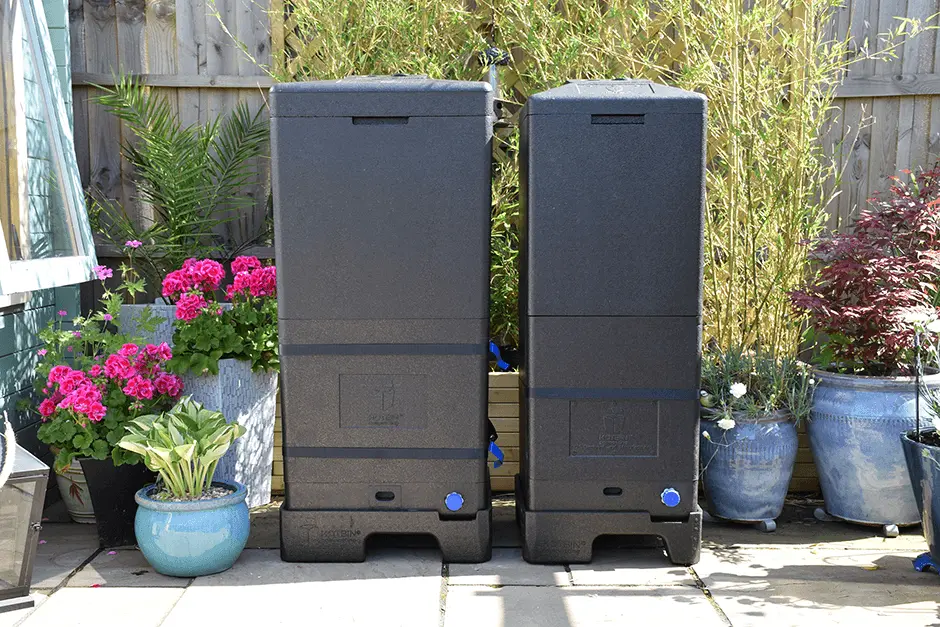
In response to the growing demand for efficient, high-performance waste management solutions, advanced composting technologies have stepped into the spotlight. Among these, the HOTBIN composter has emerged as an industry leader, recently earning the prestigious designation of BBC Gardeners’ World Magazine Best Buy. Recognized as both the fastest composter tested and the optimal choice for restricted outdoor spaces, the system represents a paradigm shift in how domestic organic waste is processed.
To celebrate this horticultural milestone and encourage sustainable gardening practices, an exclusive nationwide competition has been launched. Two fortunate UK residents will each win a comprehensive high-end composting bundle valued at up to £313. This initiative underscores a broader cultural movement: the integration of high-efficiency recycling into everyday domestic routines, bridging the gap between municipal waste reduction and organic garden enrichment.
Detailed Chronology: The Evolution of Domestic Composting
The practice of organic decomposition is as old as agriculture itself. For centuries, traditional cold composting—the slow accumulation of garden clippings, vegetable peelings, and leaves in an open wooden bay or plastic bin—has been the standard method for backyard growers. However, traditional composting comes with significant limitations. It relies on mesophilic bacteria, which operate effectively only within moderate temperature ranges. Consequently, traditional heaps are notoriously slow, often taking anywhere from six months to two years to fully mature. Furthermore, these open systems are susceptible to freezing temperatures during British winters, causing the decomposition process to stall entirely for months at a time.
The introduction of aerobic hot composting systems transformed this timeline. By insulating the composting chamber and encouraging thermophilic (heat-loving) bacteria, engineers were able to elevate internal temperatures consistently to between 40°C and 60°C.
- The Phase of Technological Innovation (Early 2010s): The development of lightweight, highly insulated expanded polypropylene (EPP) composters allowed for year-round thermal retention. This innovation removed the seasonal barriers that traditionally plagued British gardeners, enabling continuous decomposition regardless of ambient weather conditions.
- The Broadening of Input Parameters: Early composting manuals strictly warned against adding cooked food, meat scraps, dairy, and pet waste to home bins due to the risk of attracting vermin and producing foul odors. Advanced high-temperature systems altered this paradigm. By maintaining high internal heat and establishing proper carbon-to-nitrogen balances, these enclosed units safely break down food waste—including small bones and cooked leftovers—without pest infiltration.
- Media Recognition and Industry Validation (Recent Years): Independent horticultural testing bodies, most notably BBC Gardeners’ World Magazine, subjected various composting models to rigorous, comparative evaluations. The HOTBIN consistently outperformed competitors, securing top honors for processing speed and spatial efficiency.
- The Current Giveaway Initiative: Building upon this scientific and critical acclaim, current promotional campaigns are designed to place these advanced units directly into the hands of domestic growers, accelerating the adoption of sustainable urban and suburban agriculture across the United Kingdom.
Supporting Context & Metrics: The Science of High-Temperature Decomposition
To fully appreciate the significance of modern composting technology, one must examine the biochemical processes occurring within an insulated container. The transformation of raw kitchen scraps and garden debris into friable, nutrient-dense humus is driven by microbial activity.
The Thermal Advantage
In a standard cold compost heap, microbial populations fluctuate with external weather patterns. In contrast, a well-managed hot composter utilizes thick insulation—typically high-density EPP—to trap the metabolic heat naturally generated by aerobic bacteria.
- Temperature Milestones: Internal temperatures rapidly rise into the thermophilic range (40°C–60°C).
- Pathogen and Weed Seed Eradication: These elevated temperatures play a critical dual role. Not only do they accelerate the enzymatic breakdown of complex lignins and celluloses, but they also thermally destroy common weed seeds and plant pathogens that would otherwise survive a cold heap and contaminate subsequent garden beds.
- Speed of Transformation: While traditional heaps require prolonged maturation periods, aerobic hot composting can yield finished, nutrient-rich compost in as little as 30 to 90 days.
Environmental Impact and Landfill Diversion
The imperative for efficient domestic composting extends far beyond personal horticulture; it is a critical component of national environmental policy. According to environmental data, organic waste—predominantly food and garden trimmings—accounts for a substantial percentage of household refuse streams sent to municipal landfills.
When organic matter is buried in the anaerobic conditions of a landfill, it decomposes without oxygen, producing methane ($CH_4$)—a greenhouse gas with a global warming potential significantly higher than carbon dioxide ($CO_2$) over a 20-year timeframe. By diverting vegetable peelings, plate scrapers, and garden weeds into an aerobic home composting system, households actively reduce their carbon footprint. The resulting output—rich, peat-free compost—eliminates the need to purchase commercially bagged composts that often rely on the extraction of ecologically sensitive peat bogs.
Prize Bundle Specifications
The current promotional campaign offers two distinct prize configurations tailored to different household scales:
- The HOTBIN Mini 100-litre Essentials Bundle (Valued at £243): Engineered specifically for smaller urban gardens, courtyards, or households with moderate waste output. Despite its compact footprint, it utilizes the same advanced thermal insulation as its larger counterparts, ensuring rapid, year-round processing.
- The HOTBIN 200-litre Essentials Bundle (Valued at £313): Designed for larger family homes and expansive gardens, offering double the processing capacity to handle high volumes of seasonal garden clearances and daily kitchen scraps.
Each bundle includes foundational hardware alongside specialized accessories:
- The HOTBIN Plinth: Raises the primary unit off the ground. This elevation serves a functional purpose, allowing users to easily collect nutrient-rich liquid fertilizer (often called "liquid gold") generated during the moisture regulation phase of composting.
- The HOTBIN Garden Kneeler: Provides ergonomic support, reducing physical strain during routine gardening tasks, harvesting sessions, and bed preparation.
Official Statements and Industry Perspectives
Horticultural experts and sustainability advocates have long championed the democratization of waste recycling. Speaking on the integration of advanced composting into domestic routines, leading gardening authorities emphasize that the barrier to entry for sustainable living has never been lower.
"The challenge for modern gardeners has never been a lack of enthusiasm, but rather a lack of time and space. When a system can process difficult organic inputs—such as cooked food waste and pervasive weeds—within a matter of weeks, it transforms waste management from a chore into an asset. Systems that perform consistently across all four seasons represent a fundamental leap forward for domestic horticulture."
— Horticultural Technology Analyst
Furthermore, the endorsement by BBC Gardeners’ World Magazine as a Best Buy reinforces the shift toward evidence-based consumer choices in gardening equipment. Independent testing protocols confirm that spatial constraints no longer preclude efficient composting, opening up sustainable practices to urban dwellers and apartment-adjacent gardeners who previously relied solely on municipal green bins.
Future Outlook: The Trajectory of Sustainable Horticulture
As global climate considerations increasingly influence domestic habits, the future of gardening will undoubtedly be defined by circular economy principles. The linear model of "consume and discard" is rapidly being replaced by closed-loop systems where every household output becomes an input for localized food production.
The Shift Toward Peat-Free Horticulture
With governmental regulations and environmental pressures tightening around the commercial sale of peat-based composts, home gardeners are facing an urgent need for reliable, high-quality soil conditioners. Peat bogs are vital carbon sinks; their preservation is paramount to global climate stabilization. Accelerated composting units provide a viable, highly productive alternative, empowering individuals to manufacture their own superior soil improvers on-site.
Technological Convergence in Smart Gardens
Looking ahead, the convergence of thermal biological engineering with smart-home monitoring is poised to redefine backyard management. Future iterations of domestic composters may incorporate integrated moisture and temperature sensors, feeding real-time diagnostics directly to mobile applications to optimize the carbon-to-nitrogen balance automatically.
For now, however, systems like the HOTBIN demonstrate that significant environmental and horticultural gains are already achievable through thoughtful, insulated design. By encouraging households to rethink their waste streams—turning autumn leaves, food scraps, and garden weeds into rich microbial fuel—initiatives like this current giveaway play a vital role in shaping a greener, more resilient horticultural future.
Competition Details and Guidelines
For UK residents eager to upgrade their autumn garden preparation and embrace high-efficiency composting, participation in the current promotional event is straightforward.
- Eligibility: Entrants must be UK residents aged 18 or over.
- Closing Date: All entries must be submitted by 23:59 on 9 November 2026.
- Prizes: Two winners will be selected, with each receiving their choice of either the HOTBIN Mini 100-litre Essentials Bundle (£243 value) or the HOTBIN 200-litre Essentials Bundle (£313 value).
- Action Required: Participants are required to answer the designated horticultural question correctly via the official entry portal before the deadline. Winners will be notified directly following the closing date to arrange the delivery of their comprehensive composting systems.
As autumn deepens and gardens prepare for winter rest, embracing advanced composting technology offers a practical, impactful way to ensure that next season’s growth is supported from the ground up.



