

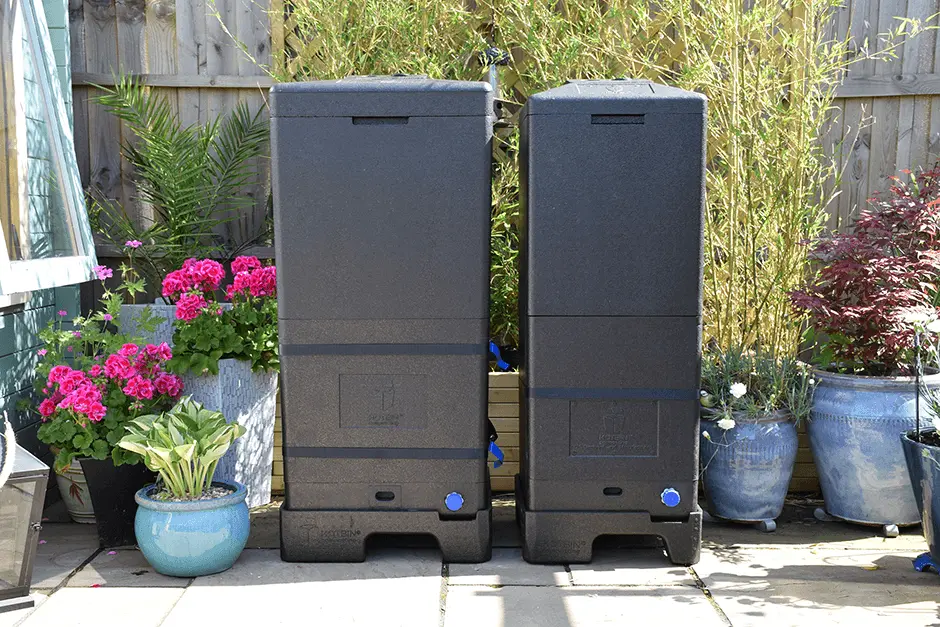
Executive Overview
As autumn settles across the British landscape, transforming the foliage into vibrant shades of amber and gold, gardeners face a familiar seasonal imperative: clearing fallen leaves, putting beds to bed, and preparing the soil for the dormant winter months ahead. However, this period of transition is far more than an exercise in seasonal housekeeping; it represents a golden opportunity to rethink how we manage organic resources within our homes.
Amid growing urgency surrounding climate change, household waste reduction, and the preservation of natural peatlands, composting has transitioned from a humble gardening chore into an essential pillar of sustainable living. Enter the modern marvel of aerobic hot composting: a scientifically advanced method that accelerates decomposition, eliminates traditional waste barriers—such as the prohibition of cooked food and meat—and yields nutrient-dense soil conditioner in a fraction of the time required by standard heaps.
To champion this eco-friendly revolution, BBC Gardeners’ World Magazine has partnered with innovative waste-reduction pioneers HOTBIN to launch an exclusive, high-value giveaway. Two lucky participants will have the chance to win state-of-the-art composting bundles worth up to £313 each. Recognized as a BBC Gardeners’ World Magazine Best Buy—lauded as both the fastest composter tested and the premier choice for compact urban spaces—the HOTBIN system redefines what is possible in domestic recycling.
This comprehensive report delves into the science of hot composting, examines the broader environmental imperative of diverting food waste from landfills, explores the features of the prize bundles on offer, and provides critical guidance for readers looking to transform their kitchen scraps into garden gold before the November 2026 deadline.
Detailed Chronology: The Evolution of Domestic Composting and the Rise of Aerobic Systems
To understand the significance of modern innovations like the HOTBIN, it is vital to trace the evolution of domestic waste management. For generations, composting was viewed as a passive, slow-burning biological process. Homeowners constructed rudimentary wooden pallets or purchased black plastic bins, consigning raw vegetable peelings, garden clippings, and grass cuttings to a dark corner of the garden.
The Limitations of Traditional Cold Composting
Historically, traditional "cold" composting has been plagued by inefficiency. Because these heaps rely on ambient temperatures and natural, unmanaged microbial activity, the decomposition cycle can take anywhere from nine months to two years. Furthermore, cold heaps are notoriously finicky:
- Unwanted Odours and Pests: Because temperatures remain low, protein-rich food scraps, cooked meals, dairy, and small bones cannot be added without attracting vermin, rats, and flies, accompanied by foul, anaerobic odours.
- Weather Dependency: Winter halts cold composting almost entirely. As temperatures plummet below 10°C, the mesophilic bacteria responsible for initial breakdown become dormant, leaving heaps frozen solid until the spring thaw.
- Weed Seed Viability: Without sustained high internal heat, weed seeds and plant pathogens survive the composting process, only to be reintroduced into garden beds when the finished compost is spread.
The Aerobic Revolution
The advent of insulated, high-temperature aerobic composting fundamentally disrupted this paradigm. By engineering enclosures that trap metabolic heat generated by thermophilic bacteria, manufacturers discovered that internal temperatures could be rapidly elevated to between 40°C and 60°C.
At these elevated temperatures, decomposition shifts into hyperdrive. Pathogens are neutralized, weed seeds are sterilized, and organic matter breaks down at an exponential rate. Over the past decade, urban and suburban environments have seen a dramatic surge in demand for compact, highly efficient units that bring agricultural-grade composting technology into domestic back gardens and balconies. The HOTBIN emerged from this technological wave, capturing the attention of horticultural scientists, environmentalists, and discerning gardeners alike through rigorous independent testing.
Supporting Context & Metrics: The Environmental Imperative of At-Home Composting
The push toward domestic composting is not merely a matter of horticultural convenience; it is an urgent environmental necessity rooted in sobering global metrics regarding food waste and carbon emissions.
The Global Food Waste Crisis
According to the Waste and Resources Action Programme (WRAP), UK households generate millions of tonnes of food waste annually, a significant portion of which is entirely avoidable. When organic waste is consigned to general household refuse and sent to landfill, it is deprived of oxygen. As a result, it undergoes anaerobic digestion, producing massive quantities of methane—a greenhouse gas with a global warming potential significantly more potent than carbon dioxide over a 20-year timescale.
+-----------------------------------------------------------------+
|              THE METHANE PATHWAY VS. COMPOSTING                 |
+-----------------------------------------------------------------+
|                                                                 |
|   [Food Waste] ---> Sent to Landfill (No Oxygen)                |
|                    ---> Produces Methane (CH4)                  |
|                    ---> Accelerates Climate Change              |
|                                                                 |
|   [Food Waste] ---> HOTBIN Composting (Aerobic / Oxygen-Rich)   |
|                    ---> Reaches 40°C - 60°C                     |
|                    ---> Produces Nutrient-Rich Humus            |
|                    ---> Eliminates Carbon Footprint of Transport|
|                                                                 |
+-----------------------------------------------------------------+
The Peatland Crisis
Simultaneously, the horticultural industry has faced intense scrutiny over its reliance on peat extraction. Peatlands are the world’s most efficient terrestrial carbon sinks, storing vast quantities of carbon accumulated over millennia. Harvesting peat destroys these fragile ecosystems, releasing centuries of stored carbon back into the atmosphere while destroying rare habitats for flora and fauna.
The transition to homemade, peat-free compost is therefore a dual-action environmental strategy:
- Diverting Methane Sources: Keeping organic waste out of municipal landfills.
- Protecting Ecosystems: Eliminating the demand for commercially extracted peat.
The HOTBIN Performance Metrics
Independent testing conducted by horticultural authorities, including BBC Gardeners’ World Magazine, has consistently validated the efficiency of insulated aerobic systems. Key performance benchmarks include:
- Speed to Harvest: While traditional heaps take up to 24 months, a functioning HOTBIN can produce finished, nutrient-rich compost in as little as 30 days.
- Thermal Retention: Advanced expanded polypropylene (EPP) insulation maintains internal thermophilic temperatures even when external ambient temperatures drop below freezing.
- Waste Versatility: Unlike conventional bins, a hot composter successfully processes up to 100% of cooked food waste, plate scrapings, meat, fish bones, citrus peel, and perennial weeds without creating offensive odours.
Official Statements and Expert Endorsements
The accolades bestowed upon the HOTBIN system underscore its revolutionary impact on domestic gardening. Industry experts have praised its engineering, ease of use, and adaptability for gardeners operating in restricted spaces.
A spokesperson for BBC Gardeners’ World Magazine highlighted the rationale behind its coveted Best Buy status:
"When evaluating composters for our rigorous testing panels, we look for reliability, speed, and accessibility for gardeners of all experience levels. The HOTBIN consistently outperformed every competitor in thermal retention and decomposition speed. What truly sets it apart is its ability to handle difficult waste streams—such as cooked food and small bones—while remaining compact enough for urban courtyards and small gardens. It bridges the gap between commercial waste processing and domestic convenience."
Manufacturers of the HOTBIN emphasize that the system is designed to empower everyday citizens to take direct control of their carbon footprint:
"Composting shouldn’t feel like a chemistry experiment or a grueling physical chore. By harnessing natural thermophilic bacteria within an engineered, insulated vessel, we have made hot composting accessible to everyone. Whether you are harvesting your first batch of rich, peat-free soil conditioner in the dead of winter or safely disposing of last night’s leftover vegetable peelings and meat scraps, the HOTBIN turns waste management into an immensely satisfying part of the gardening journey."
Prize Details: What the Winners Will Receive
To celebrate the synergy between autumn garden preparation and sustainable living, two lucky winners will be awarded their choice of one of two premium, comprehensive composting bundles. Each prize package has been curated to provide an all-in-one solution for efficient home recycling.
Option A: HOTBIN Mini 100-litre Essentials Bundle
- Valued at: £243
- Ideal For: Smaller households (1–3 people), urban gardens, patios, and compact spaces where footprint management is essential.
- Includes:
- HOTBIN Mini Composter (100L capacity): Engineered with the same high-density EPP insulation as its larger sibling, optimized for smaller volumes of household and garden waste.
- HOTBIN Plinth: Elevates the unit off the ground, facilitating easy access to the leachate valve for collecting nutrient-rich liquid plant food.
- HOTBIN Garden Kneeler: Provides ergonomic support and physical comfort during garden maintenance, planting, and compost harvesting.
Option B: HOTBIN 200-litre Essentials Bundle
- Valued at: £313
- Ideal For: Larger households (3+ people), avid gardeners, and properties with expansive green spaces generating high volumes of both kitchen and garden waste.
- Includes:
- HOTBIN Standard Composter (200L capacity): Offers double the volume, allowing for continuous, high-capacity processing of organic waste streams.
- HOTBIN Plinth: Custom-engineered base support to stabilize the larger unit and optimize liquid fertilizer collection.
- HOTBIN Garden Kneeler: Premium, durable padding designed to protect joints during intensive autumn and spring gardening tasks.
Future Outlook: The Horizon of Sustainable Horticulture
As municipal authorities across the United Kingdom and Europe face escalating costs associated with waste collection and landfill tax, individual responsibility for organic waste management is set to take center stage. Municipalities are increasingly restricting residual waste collections, placing the onus on residents to separate food and garden refuse effectively.
Innovations in domestic composting represent the leading edge of a broader cultural shift toward a circular economy. In the near future, we can anticipate several key developments in sustainable gardening technology:
- Smart Monitoring Integration: The integration of low-cost digital sensors into home composters to monitor internal temperatures, moisture levels, and carbon-to-nitrogen ratios in real-time, transmitted directly via smartphone applications.
- Mainstream Urban Adoption: As housing developments feature smaller private outdoor spaces, compact aerobic systems like the HOTBIN Mini will become standard urban infrastructure, akin to modern recycling boxes.
- Ecosystem Restoration: A permanent regulatory shift away from peat-based growing media, making high-efficiency home composting not just an eco-friendly hobby, but an absolute necessity for amateur and professional horticulturists alike.
By mastering hot composting today, gardeners are not only enhancing their soil fertility and reducing household refuse; they are future-proofing their horticultural practices against a backdrop of tightening environmental regulations and ecological degradation.
How to Enter and Competition Rules
Participating in this exclusive giveaway is straightforward, but prospective entrants must act swiftly before the portal closes.
Key Deadlines and Instructions
- Closing Date: Sunday, 9 November 2026, at 23:59 GMT.
- Action Required: Visit the official competition portal, answer the qualifying question correctly, and complete the entry form before the deadline.
- Winner Notification: Winners will be independently selected and officially notified shortly after the closing date, at which point prize delivery arrangements will be finalized.
Eligibility Criteria
- Entrants must be legal residents of the United Kingdom.
- Participants must be aged 18 years or older.
- Full terms, conditions, and privacy notices are available via the host platform. Please review all governing rules before submitting your entry.
Don’t let this autumn’s kitchen scraps and garden clearances go to waste. Seize the opportunity to revolutionize your garden’s ecosystem, eliminate your reliance on commercial peat, and secure a world-class composting system with BBC Gardeners’ World Magazine and HOTBIN. Enter today, waste less, grow more, and watch your garden thrive all year round.



