

Executive Overview
As climate change accelerates, extreme weather events have transitioned from anomalous occurrences to predictable, punishing seasonal realities. Across Europe and much of the Northern Hemisphere, recurring heatwaves are pushing temperatures to unprecedented extremes. In the crucible of a 40°C (104°F) afternoon, the immediate human instinct is pure survival: shedding layers, seeking shade, and finding anything—regardless of its environmental pedigree—that promises relief from the sweltering air.
For conscious consumers, this creates an acute dilemma. Traditional fast-fashion solutions to hot weather often rely on cheap, synthetic materials like polyester, nylon, and spandex. While these fabrics are inexpensive, they are environmentally catastrophic, contributing heavily to microplastic shedding, fossil fuel extraction, and long-term ecosystem degradation. Furthermore, they trap body heat and moisture, paradoxically making the wearer hotter and more uncomfortable over time.
However, the intersection of comfort and sustainability is not a collision course; rather, many of the world’s most breathable, skin-friendly textiles are also among the most ecologically responsible. This comprehensive guide explores how to balance the physiological demands of rising global temperatures with rigorous ethical and environmental standards. Drawing on expert insights, material science, and curated brand directories, we outline five vital strategies for dressing sustainably during extreme heatwaves, highlighting pioneering labels that prove style and ethics can coexist under the summer sun.
Detailed Chronology: The Evolution of Heatwaves and Consumer Response
To understand the current urgency surrounding sustainable summer wardrobes, it is necessary to examine how climate realities and consumer awareness have converged over the past decade.
Phase 1: The Fast-Fashion Fallback (Pre-2015)
Historically, seasonal heatwaves were met with a reliance on ultra-cheap, disposable fast fashion. Consumers routinely purchased synthetic garments designed purely for short-term aesthetic trends or immediate cooling relief. Poly-blends dominated the market due to their low cost and wrinkle-resistant properties. Little attention was paid to the lifecycle of these garments—specifically their inability to biodegrade and their tendency to trap heat, necessitating constant washing, which in turn accelerated microplastic pollution in global waterways.
Phase 2: The Material Awakening (2015–2020)
As scientific consensus regarding microplastics and fast-fashion carbon footprints solidified, consumer awareness shifted. Environmental watchdogs began highlighting the hidden toll of conventional textiles. During this period, the conversation around sustainable fashion expanded beyond winter coats and heavy denim to encompass summer wear. Eco-conscious shoppers began demanding alternatives to virgin synthetics, prompting a renaissance in the popularity of natural fibers like organic linen, hemp, and sustainably harvested TENCEL Lyocell.
Phase 3: The Climate Emergency Era (2020–Present)
Today, record-breaking summer temperatures are no longer isolated incidents; they are systemic manifestations of climate change. Heatwaves are arriving earlier, lasting longer, and reaching higher thermal peaks. Consequently, sustainable fashion is no longer viewed merely as a lifestyle preference, but as a crucial adaptation strategy. Consumers are actively seeking out performance-driven, eco-friendly materials that can withstand extreme thermal stress while safeguarding planetary health.
Supporting Context & Metrics: The Anatomy of Summer Fabrics
When temperatures soar, the human body relies on perspiration for thermoregulation. The clothing we choose either facilitates or inhibits this natural cooling mechanism. Understanding the science of textiles helps explain why certain materials excel in extreme heat while others fail both the wearer and the planet.
1. The Superiority of Natural and Semi-Synthetic Fibers
- Organic Linen: Derived from the flax plant, linen is widely regarded as the gold standard for hot weather. Its hollow fibers allow air to circulate freely and moisture to wick away from the skin rapidly. When grown organically and left unbleached or dyed with non-toxic compounds, linen is completely biodegradable.
- Hemp: Remarkable for its durability, hemp requires minimal water to grow, enriches the soil, and grows at an astonishing rate. Hemp fabric softens with every wash, offers natural UV resistance, and possesses antimicrobial properties that prevent odor buildup during sweaty days.
- TENCEL Lyocell and Bamboo-Viscose: These innovative semi-synthetic materials are derived from sustainably managed wood pulp or bamboo. Processed in closed-loop systems where solvents are recycled, they offer exceptional breathability, moisture management, and a silky drape without relying on petrochemical inputs.
2. The Hidden Cost of Synthetics
In contrast, standard activewear and swimwear manufactured from virgin polyester, nylon, and spandex act as thermal traps. Because these plastics are hydrophobic, they do not absorb sweat; instead, they trap moisture against the skin, fostering bacterial growth and unpleasant odors. Furthermore, every time synthetic garments are laundered, they shed thousands of microscopic plastic fibers that bypass water treatment facilities and enter marine food webs.
Official Guidelines: Five Steps to Sustainable Summer Dressing
Navigating a heatwave without sacrificing your environmental values requires intentional choices across your entire summer wardrobe. Below are five core strategies, accompanied by standout brands vetted through rigorous sustainability ratings.
Step 1: Opt for Lighter, Breathable Materials
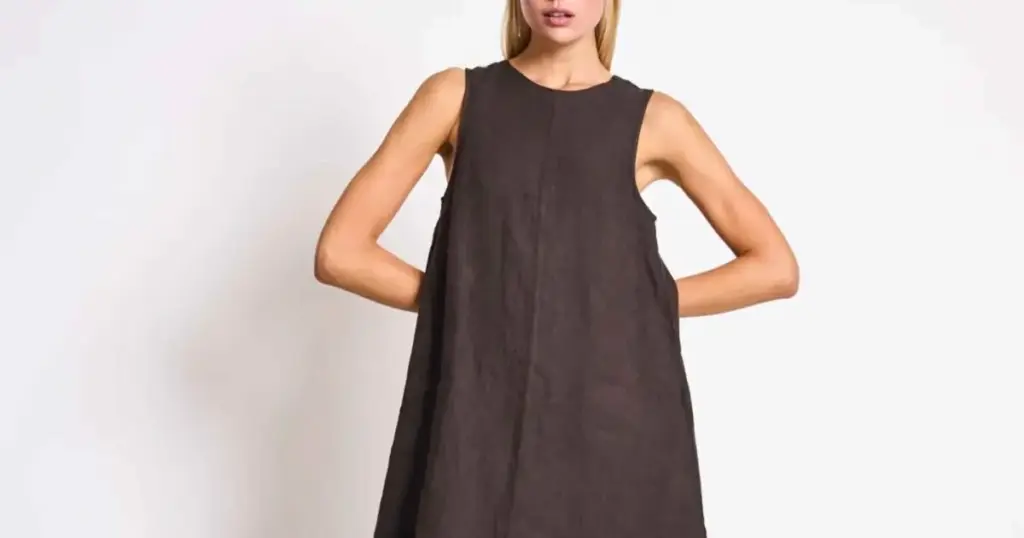
In sticky, high-humidity environments, heavy weaves are unwearable. Prioritize organic linen and hemp for daily wear, dresses, and casual shirts. For garments that require a softer drape or stretch without the use of fossil fuels, turn to TENCEL Lyocell and organic or recycled cotton.
Featured Brand: SUI
Hailing from India, SUI creates stunning womenswear in extended sizes (2XS to 2XL). Every garment is mindfully crafted in their dedicated workshop in Delhi, celebrating slow fashion principles, artisanal craftsmanship, and earth-friendly fabrics.
Step 2: Choose Non-Synthetic, Breathable Activewear
Even when sedentary, high ambient temperatures induce sweating. Traditional athletic wear relies heavily on polyester, which exacerbates discomfort and sheds microplastics. Instead, invest in high-performance activewear crafted from plastic-free alternatives such as bamboo-viscose and TENCEL Lyocell, which offer natural moisture-wicking properties.
Featured Brand: tentree
Operating on an Earth-first philosophy, Canadian brand tentree constructs its apparel using lower-impact, recycled, and natural materials in safe, fair-working environments. True to its name, the brand plants ten trees for every item purchased—having successfully planted over 65 million trees worldwide to date—making it a stellar choice for eco-conscious consumers looking for versatile, comfortable basics (sizes XS–XL).
Step 3: Block Out the Sun Responsibly
Protecting yourself from harmful UV radiation is non-negotiable during a heatwave, but traditional accessories often rely on virgin plastics. When selecting sunglasses, look for frames made from recycled plastics, sustainably harvested wood, bamboo, or bio-acetate. For hats, apply the textile rule: stick to organic linen, hemp, or organic cotton.
Step 4: Use Reef-Safe, Conscious Sunscreen
Skin protection extends beyond textiles. Many mainstream sunscreens contain harmful chemical pollutants—such as oxybenzone, nano zinc oxide, and titanium dioxide—that bleach coral reefs and disrupt aquatic ecosystems. Opt for high-performance, ecotoxicology-certified suncare products free from petrochemical pollutants.
Featured Brand: Odylique
Specializing in vegan beauty and skincare formulated specifically for sensitive skin, Odylique ensures all its ingredients meet the rigorous organic standards of the Soil Association. Their suncare and skincare offerings provide protection without compromising marine ecosystems or human health.
Step 5: Embrace Sustainable Swimwear
When a heatwave hits peak intensity, taking a dip is the ultimate relief. However, traditional swimwear is notoriously unsustainable, relying almost exclusively on virgin nylon and spandex. To mitigate this impact, seek out swimwear crafted from lower-impact alternatives like ECONYL (regenerated nylon from ocean waste) or specialized hemp blends. Pairing these materials with proper garment care—such as washing less frequently and utilizing microplastic-catching laundry bags—ensures longevity.
Featured Brands: Natasha Tonic & ColieCo
- Natasha Tonic utilizes a proprietary hemp-based swimwear fabric that is naturally antimicrobial, UV-resistant, and extraordinarily durable. Hand-printed to ensure uniqueness, their pieces offer a healthy, ocean-friendly alternative in sizes XS–XL.
- ColieCo is a Portuguese lingerie, underwear, and swimwear label operating on a made-to-order, zero-waste-conscious model. Every piece is handcrafted using responsibly sourced, lower-impact fabrics, available in an inclusive size range from 2XS to 3XL (with special perks available for conscious shoppers).
Future Outlook: The Intersection of Climate Adaptation and Ethical Fashion
As global temperatures continue to rise, the fashion industry faces an existential reckoning. The historical model of treating summer as a disposable, trend-driven micro-season is fundamentally incompatible with a warming planet.
Looking ahead, the future of summer fashion lies in circular design, regenerative agriculture, and material innovation. We can expect to see increased investment in climate-adaptive crops like hemp and flax, alongside advancements in lab-grown and bio-fabricated textiles that mimic the cooling properties of traditional fibers without the environmental toll.
For the everyday consumer, the path forward is clear: building a heat-resilient wardrobe does not require abandoning ethical standards. By investing in durable, breathable, and responsibly produced garments, we can navigate the hottest days of the year while actively contributing to a cooler, more sustainable future for the planet.
Editor’s Note: Good On You publishes the world’s most comprehensive ratings evaluating fashion and beauty brands based on their impact on people, the planet, and animals. Explore their comprehensive directory to discover thousands of rated, verified brands before making your next seasonal purchase.



