In a significant milestone for corporate sustainability and environmental stewardship, consumer electronics giant Best Buy has announced that 29 of its critical supply chain facilities have officially received TRUE (Total Resource Use and Efficiency) Certification from the Green Business Certification Inc. (GBCI). This achievement marks a monumental step in the retailer’s ongoing journey to minimize its ecological footprint, optimize resource efficiency, and meet aggressive corporate climate targets.
The certification process rigorously evaluates facilities based on their ability to divert waste from landfills, incinerators, and the environment, requiring a sustained diversion rate of at least 90% over a 12-month period. For Best Buy, reaching this benchmark across nearly three dozen supply chain locations signals a maturing, enterprise-wide commitment to circular economy principles.
As regulatory pressures mount and consumer expectations shift toward radical corporate transparency, Best Buy’s zero-waste achievement positions the company as a progressive leader in the retail and logistics sectors. This milestone does not stand in isolation; it complements a broader, aggressive environmental strategy that includes major investments in renewable energy, comprehensive product recycling initiatives, and a firm pledge to achieve net-zero greenhouse gas emissions by 2040.
Detailed Chronology: From Chino to Enterprise-Wide Transformation
Best Buy’s journey toward comprehensive supply chain sustainability was not an overnight success story; it represents a multi-year, methodical transformation of logistics operations, warehouse management, and corporate culture.
The foundation for this recent certification wave was laid in 2021, when Best Buy’s massive supply chain facility in Chino, California, became the company’s very first location to achieve TRUE certification for zero waste. The Chino facility served as a vital testing ground, proving that high-volume distribution centers could radically overhaul their waste management systems without sacrificing operational speed or financial efficiency.
Following the blueprint established in Southern California, Best Buy systematically scaled the framework across its broader network of distribution centers and reverse logistics hubs. While the company has kept confidential the identity of the final facility to cross the finish line—completing the cluster of 29 certified locations—the steady march from a single pioneering site to a dominant network of zero-waste facilities underscores the deliberate, replicable nature of the company’s operational playbook.
The Human Element: Employee-Led "Green Teams"
Central to this chronological scaling was the integration of employee-led "green teams" embedded within each facility. Recognizing that top-down mandates alone cannot shift entrenched operational habits, Best Buy empowered on-the-ground workers to take ownership of waste diversion goals.
These employee green teams assumed the responsibility of:
Peer-to-Peer Training: Educating fellow warehouse and logistics staff on proper sorting, handling, and diversion techniques.
Process Innovation: Identifying localized bottlenecks in packaging and material flow, then proposing localized fixes to management.
Culture Building: Fostering a workplace ethos where environmental mindfulness is treated as an essential component of daily operational safety and efficiency.
Supporting Context & Metrics: Decoding the Zero-Waste Supply Chain
Achieving TRUE Certification is notoriously difficult. Administered by the GBCI—the same organization that oversees LEED green building certifications—TRUE evaluates facilities on a strict points-based system. To qualify, a facility must not only divert a minimum of 90% of all solid waste from landfills, incineration, and the environment over a 12-month evaluation period, but it must also meet prerequisite requirements regarding data collection, upstream waste reduction, and leadership advocacy.
Material Streams: Cardboard, Plastics, and EPS Foam
Within Best Buy’s massive supply chain network, the composition of waste is heavily dominated by traditional packaging materials required to safely transport delicate consumer electronics across vast distances.
According to company data, cardboard and plastic constitute the largest share of materials collected and successfully diverted from landfills. Rather than treating these materials as disposable trash, Best Buy’s certified facilities route them through robust, closed-loop recycling streams where corrugated boxes and protective films are reprocessed into new paper and polymer goods.
Innovative Repurposing: The War on Expanded Polystyrene
Perhaps one of the most technically challenging materials handled within consumer electronics logistics is Expanded Polystyrene (EPS) foam—commonly known as Styrofoam. Lightweight, bulky, and historically difficult to recycle economically, EPS has long been a notorious villain in corporate waste management.
To tackle this challenge, Best Buy implemented advanced industrial densifiers across its supply chain network. These specialized machines melt and condense voluminous EPS foam into dense, solid blocks. Once compacted, these blocks are shipped to manufacturing partners who repurpose the material into entirely new durable goods. This technological intervention not only keeps thousands of cubic feet of foam out of local landfills every year but also reduces transportation emissions by minimizing the volume of waste hauled off-site.
Official Statements and Industry Perspective
The announcement of the 29 TRUE-certified facilities has drawn praise from internal leadership and external sustainability advocates alike, highlighting the alignment between ecological responsibility and bottom-line efficiency.
"Waste reduction is an important part of our environmental efforts to conserve resources and promote sustainable operations across all our business."
— Best Buy Corporate Statement (Aug. 18 Press Release)
Tim Dunn, Best Buy’s Head of Environmental Sustainability, further emphasized the strategic rationale behind the grueling certification process, framing it as a catalyst for long-term corporate resilience.
"This achievement reaffirms our dedication not only to minimize our environmental impact but also improve our efficiency for the long-term success of the company."
— Tim Dunn, Head of Environmental Sustainability, Best Buy
Industry analysts note that Best Buy’s approach reflects a broader evolution in retail logistics. As disposal costs rise and landfill capacities shrink, zero-waste operations are increasingly recognized not merely as public relations wins, but as sophisticated cost-mitigation strategies. By reducing material waste, optimizing packaging, and capturing secondary value from scrap materials, Best Buy is insulating its supply chain from future commodity price volatility.
Future Outlook: Beyond Zero Waste to Net-Zero Emissions
While the certification of 29 supply chain facilities represents a watershed moment for Best Buy, company executives stress that the work is far from finished. Zero waste is not a static destination, but a continuous operational standard that requires constant vigilance, auditing, and innovation.
This milestone is intimately connected to Best Buy’s broader, aggressive climate roadmap. Most notably, the company remains firmly committed to its overarching corporate goal of achieving net-zero emissions across its entire value chain by 2040.
To reach this ambitious target, Best Buy is concurrently attacking emissions on multiple fronts:
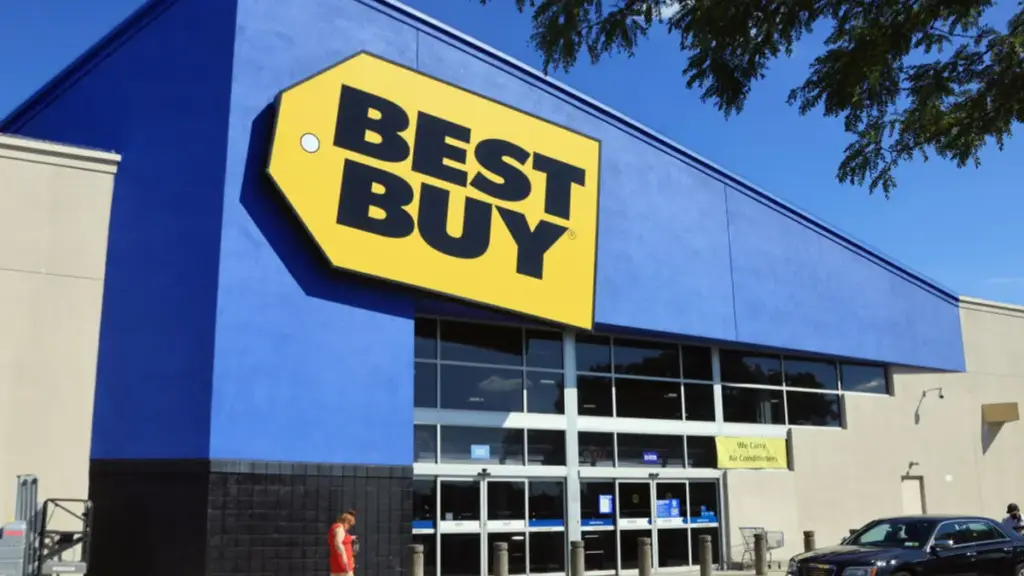
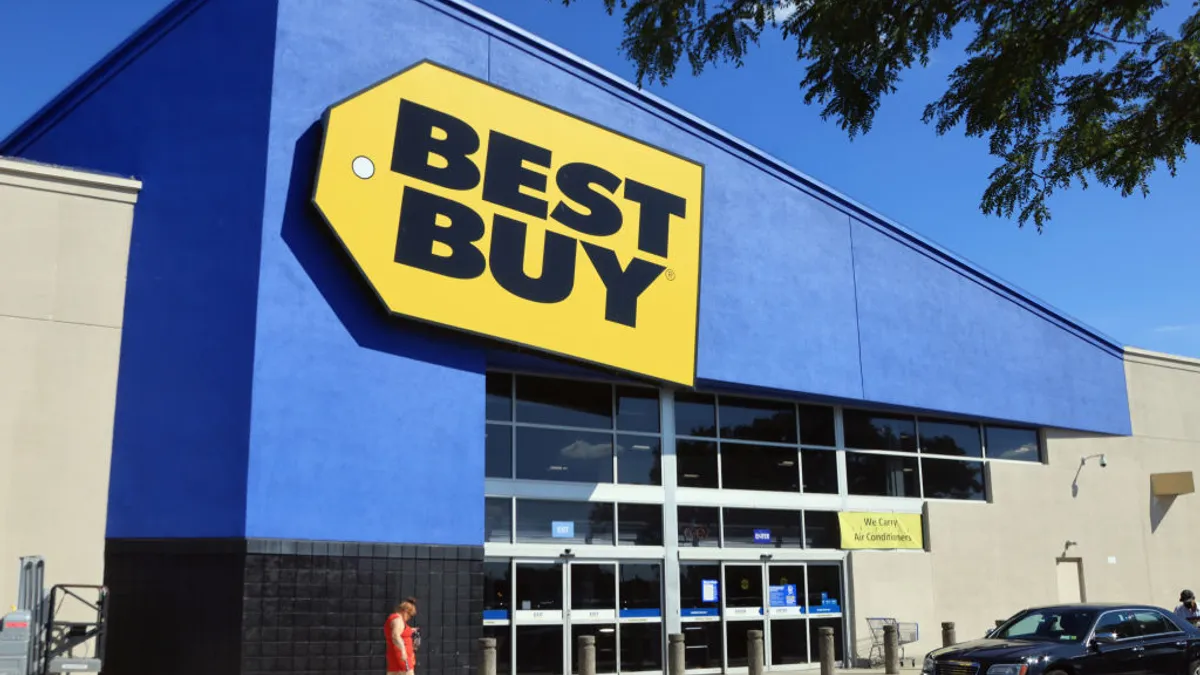
Renewable Energy Integration: Just last month, Best Buy expanded its commercial solar portfolio by installing a solar garden atop one of its retail stores in New York—its first-ever co-located rooftop solar installation at a retail storefront—alongside additional solar power generation infrastructure near a major distribution center in California.
Circular Economy and E-Waste Recycling: Expanding consumer-facing take-back programs that allow customers to responsibly recycle old electronics, appliances, and batteries, thereby extending the lifecycle of technology and keeping hazardous heavy metals out of municipal waste streams.
Fleet and Logistics Optimization: Continuously refining freight routes, collaborating with carrier partners to adopt electric and hybrid delivery vehicles, and maximizing trailer space to reduce the carbon intensity of every mile traveled.
Conclusion
Best Buy’s achievement of TRUE Certification for 29 of its supply chain facilities demonstrates that large-scale consumer retail can successfully decouple operational growth from environmental degradation. By combining advanced technical solutions—such as industrial EPS densifiers—with grassroots employee engagement through localized green teams, the company has crafted a resilient, scalable model for sustainable logistics. As Best Buy marches steadily toward its 2040 net-zero target, this milestone stands as a testament to what is possible when environmental accountability is woven into the very fabric of corporate culture.