Executive Overview
When modern travelers picture ecotourism, they often conjure postcard-perfect mental images: a quiet, boots-on-the-ground trek through a mist-shrouded rainforest dense with endemic vegetation; a silent, awe-struck dive into deep blue marine corridors to observe protected wildlife; or a challenging mountain climb where every change in elevation reveals an untouched, breathtaking horizon. While these activities look inherently "eco," their actual impact on the planet hinges entirely on how they are conceptualized, planned, and managed.
In an era defined by mass travel, overtourism, and the accelerating degradation of fragile habitats, the distinction between genuine ecotourism and mere outdoor recreation has never been more critical. True ecotourism is not simply nature-based travel; it is a rigorous discipline. As outlined by leading conservation frameworks, a legitimate ecotourism experience must demonstrably contribute to environmental conservation, provide direct financial and social benefits to local communities, minimize its immediate and cumulative ecological footprint, deeply respect Indigenous cultures, and actively foster a heightened sense of ecological awareness in the traveler.
This comprehensive report breaks down the core pillars of responsible ecotourism—spanning wildlife viewing, low-impact recreation, marine tourism, cultural preservation, and citizen science. By analyzing real-world global models from Kenya to Nepal, Mexico to Indonesia, we examine what authentic, sustainable tourism looks like in practice. Furthermore, we equip modern explorers with the critical tools needed to pierce through misleading marketing campaigns, detect systemic greenwashing, and navigate the complex global landscape of sustainable travel.
Detailed Chronology: The Evolution of Responsible Travel
To understand where ecotourism stands today, it is essential to trace its evolution from a fringe counter-cultural movement into a trillion-dollar global industry—and the regulatory battles that accompanied this growth.
- The Late 20th Century (The Genesis): As global awareness of deforestation, industrial pollution, and biodiversity loss escalated in the 1970s and 1980s, travelers began seeking alternatives to mass commercial tourism. Early pioneers recognized that pristine natural areas were being degraded not just by industry, but by the very tourists who came to admire them.
- The 1990s (Formalization and Definition): Conservation organizations, academics, and international bodies began codifying the term "ecotourism." The International Ecotourism Society (TIES) formally defined it as "responsible travel to natural areas that conserves the environment, sustains the well-being of the local people, and involves interpretation and education."
- The 2000s–2010s (The Rise of Greenwashing): As "green" consumerism exploded, airlines, hotels, and tour operators realized that eco-labels commanded premium prices. This triggered an unprecedented wave of unregulated marketing, where companies rebranded standard operations with superficial eco-friendly claims—commonly known as greenwashing—without making structural changes to their business models.
- The Present Era (Accountability and Certification): Today, the industry faces a reckoning. Fueled by overtourism crises in destinations from Venice to Machu Picchu, international frameworks, third-party verifications (such as Green Fins and PADI Eco Centers), and heightened consumer scrutiny are forcing the travel sector toward radical transparency, science-based metrics, and community-led governance.
Supporting Context & Metrics: The Pillars of Authentic Ecotourism
Not every outdoor adventure qualifies as ecotourism. To separate genuine conservation travel from standard nature tourism, industry standards dictate that an experience must adhere strictly to five foundational criteria:
- Active Contribution to Conservation: Tourism revenue must directly fund habitat restoration, anti-poaching units, wildlife monitoring, or land acquisition for protection.
- Equitable Local Economic Benefits: Financial gains must stay within the host community, empowering local workers, cooperative-run lodges, and Indigenous entrepreneurs rather than leaking entirely to multinational corporations.
- Strict Environmental Minimization: Operations must implement robust waste management, renewable energy utilization, and adherence to carrying capacities.
- Cultural Respect and Sovereignty: Indigenous heritage and local traditions must be shared strictly on the community’s own terms, avoiding voyeurism or cultural commodification.
- Traveler Education: Experiences must include expert interpretation that transforms passive tourists into active environmental stewards.
Deep-Dive Analysis by Sector
1. Wildlife Viewing: Protecting Animal Welfare and Habitats
Responsible wildlife viewing offers the rare privilege of observing animals behaving naturally and moving freely within thriving ecosystems. This may involve guided forest walks to spot rare birds and primates, tracking elephants across expansive plains, or observing marine mammals from a respectful distance.
However, true ecotourism prioritizes animal welfare above tourist gratification. This explicitly rules out restrictive enclosures, staged encounters, or exploitative animal interactions. Group sizes must remain strictly limited, safe distances must be maintained at all times, and behaviors that cause psychological or physical stress—such as feeding, touching, or altering natural movement patterns—are strictly prohibited.
Case Study: Loisaba Conservancy, Kenya
Set across the open plains of northern Kenya, the Loisaba Conservancy protects 56,000 acres (23,000 hectares) of critical wildlife habitat. As dawn breaks over the acacia trees, visitors may encounter lions, endangered African wild dogs, and giraffes roaming the grasslands. Crucially, the conservancy serves as an essential migratory corridor for elephants and houses a newly established sanctuary supporting the historic return of black rhinos.
Loisaba enforces rigorous wildlife-viewing protocols:
- Sightings are limited to a maximum of three vehicles per animal.
- A strict minimum distance of 20 meters is maintained.
- Vehicles must remain on designated tracks, and noise levels are kept to an absolute minimum.
- Trained local Samburu and Maasai guides interpret complex ecosystem dynamics and provide deep context regarding threats to endangered species.
Financially, ecotourism directly funds 50% of the conservancy’s operating budget, supporting armed anti-poaching patrols, habitat restoration, and vital community outreach initiatives including school funding, healthcare access, and sustainable grazing programs.
2. Hiking and Recreation: Leaving No Trace on the Land
Recreational ecotourism spans trekking through ancient rainforests, cycling along rugged coastlines, snowshoeing through alpine valleys, or walking along raised boardwalks across fragile mangrove wetlands. These low-impact activities slow down the pace of travel, allowing visitors to engage deeply with micro-ecosystems, native flora, and local wildlife.
To maintain its ecotourism status, recreation must strictly implement Leave No Trace principles. Staying strictly on designated trails prevents severe soil erosion and protects sensitive endemic vegetation. Furthermore, visitors must pack out all waste, respect private property boundaries, and obey local regulations.
Case Study: The Annapurna Conservation Area Project (ACAP), Nepal
Nestled among the soaring peaks of Nepal’s central Himalayas, the Annapurna Conservation Area Project (ACAP) is the nation’s largest protected area and its premier trekking destination. Facing severe historical pressure from high visitor volumes—which strained local forest resources and generated unmanageable waste—ACAP was established as a pioneering community-based model to regulate and sustain tourism.
Today, visitors stay in thousands of family-run teahouses and lodges that directly inject capital into rural households. ACAP provides comprehensive training in hospitality, sanitation, and sustainable cooking to local operators. Trekking fees are funneled directly into environmental initiatives, including:

- Anti-poaching patrols protecting endangered snow leopards.
- Sustainable community forest management programs.
- The maintenance of eco-friendly infrastructure, including designated trails, solar-powered stations, and proper waste receptacles.
3. Marine Tourism: Safeguarding Fragile Underwater Worlds
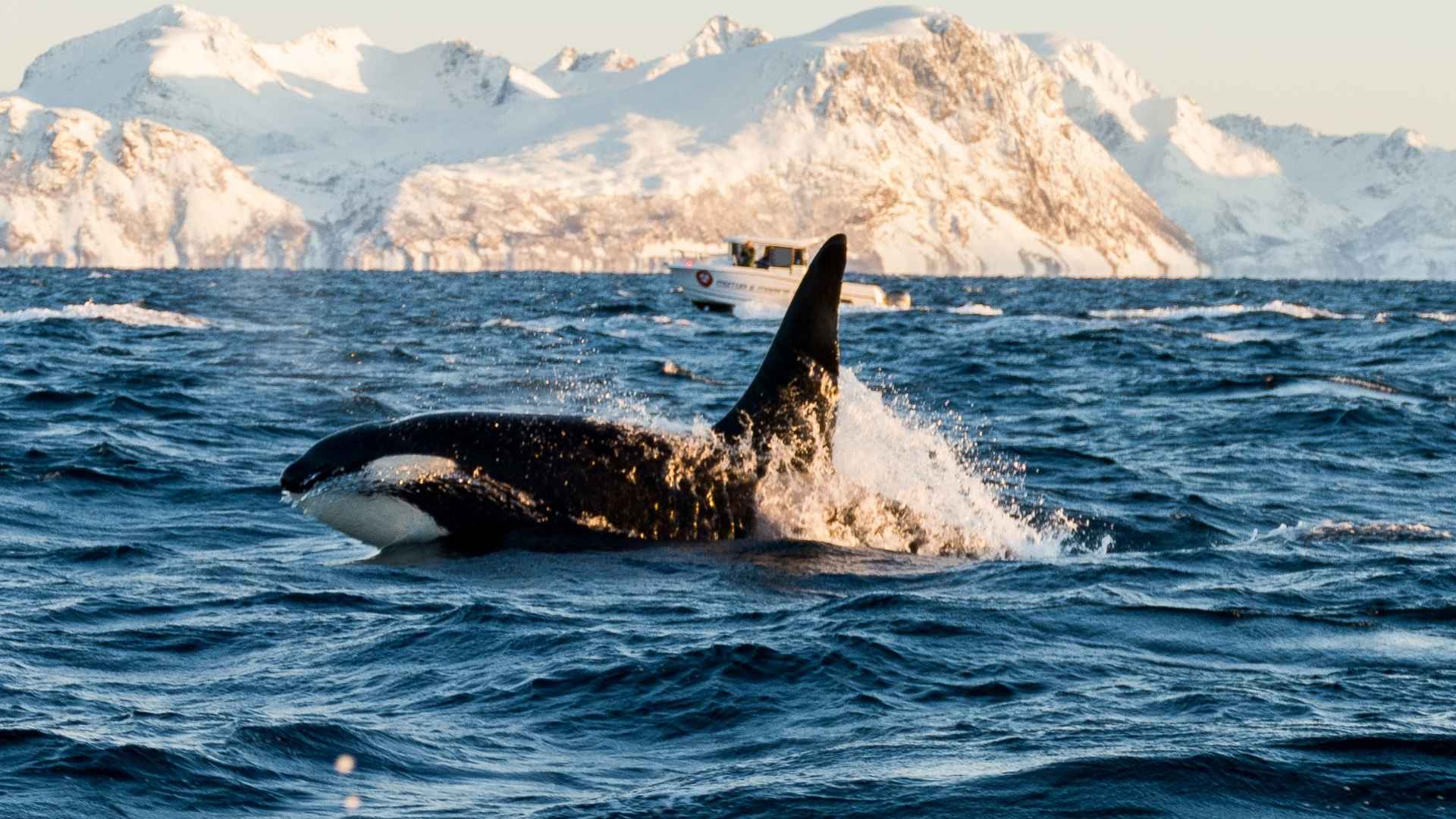
The world’s oceans captivate travelers with mysterious and striking ecosystems. Coral reefs act as bustling underwater metropolises, rays glide through crystalline waters, and deep drop-offs showcase the vastness of marine biodiversity. Marine ecotourism—including snorkeling, scuba diving, kayaking, and small-group boat tours—allows travelers to witness these environments firsthand.
Responsible marine tourism requires strict behavioral codes: avoiding all physical contact with corals and marine wildlife, eliminating the use of toxic, reef-destroying chemical sunscreens, and utilizing certified guides who monitor buoyancy and minimize sediment disturbance. Boat operators must adhere to strict protocols, including slowing or cutting engines near marine mammals and deploying anchors exclusively in sandy areas away from seagrass beds and coral heads.
Case Study: Dive Ninja Expeditions, Baja California, Mexico
Operating off Mexico’s Baja Peninsula, Dive Ninja Expeditions exemplifies world-class marine ecotourism. Providing small-group scuba diving and snorkeling expeditions, the organization adheres strictly to Green Fins environmental standards, enforcing zero-touch and zero-feeding policies alongside the complete elimination of single-use plastics. As an independently verified PADI Eco Center, Dive Ninja proves that high-adventure marine tourism and rigorous sustainability can coexist.
Rather than relying on extractive industries like commercial shark fishing, local boat captains and guides earn sustainable livelihoods through conservation-focused tourism. Through integrated citizen-science programs, Dive Ninja supports apex predator research, marine debris removal, and ongoing population monitoring, channeling 20% to 50% of expedition profits directly into marine conservation partnerships.
4. Cultural Ecotourism: Respecting Indigenous Heritage
Cultural ecotourism bridges the gap between natural landscapes and the human traditions shaped by them. Experiences involve learning directly from Indigenous communities, exploring traditional agroforestry, visiting sacred natural sites, or participating in daily subsistence activities. When executed responsibly, these exchanges foster deep cultural empathy while providing financial autonomy to the stewards of the land.
True cultural ecotourism is unconditionally community-led. It operates entirely with explicit community consent, adheres to local social etiquette, and ensures that financial returns flow directly to families or local cooperatives. This model actively prevents cultural commodification, ensuring that ancestral heritage is shared strictly on the terms of the indigenous rights holders.
Case Study: Wae Rebo, Flores, Indonesia
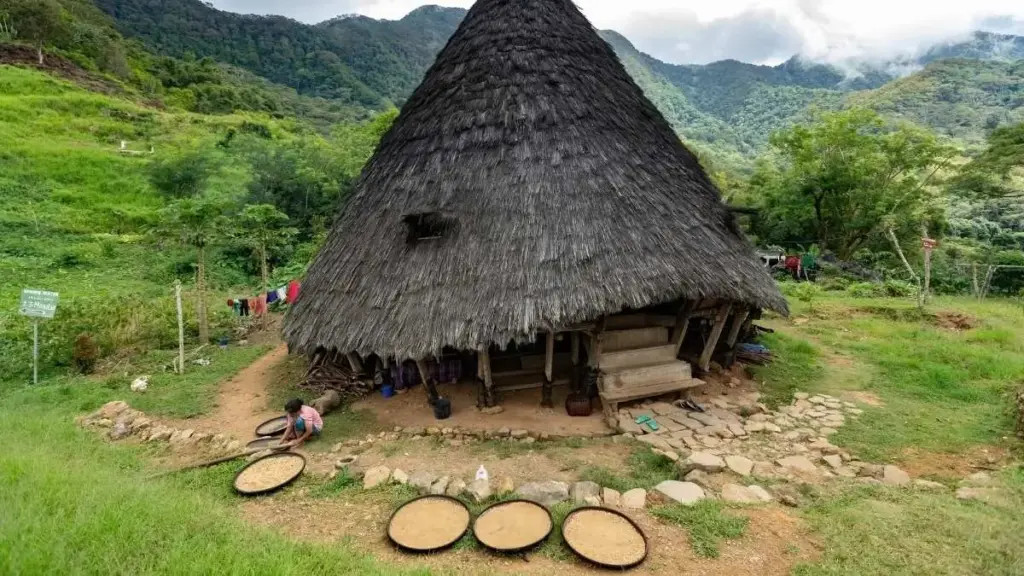
Perched high within the remote, mist-shrouded mountains of Flores, Indonesia, Wae Rebo is an ancient Manggarai village renowned for its iconic, cone-shaped thatched houses (mbaru niang) and living Indigenous traditions. Accessible only via an arduous trek through dense forest—a physical barrier that naturally limits visitor numbers—the village manages tourism through strict communal consensus.
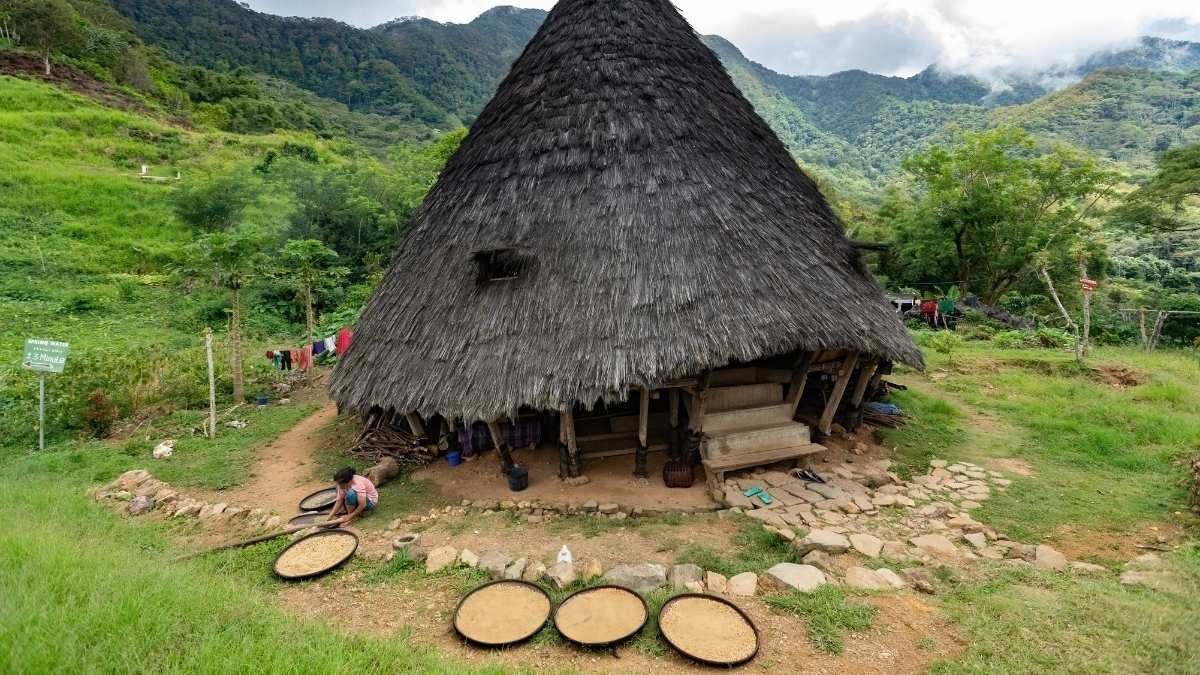
Visitors reside in community-managed guesthouses, share traditional meals with resident families, and engage in authentic cultural exchanges. Travelers learn how local coffee is cultivated and processed using sustainable forest-gardening techniques, participate in traditional welcoming ceremonies, and purchase locally harvested vanilla and handwoven textiles. Tourism revenue is directly reinvested into the labor-intensive upkeep of the architectural heritage structures.
5. Citizen Science and Voluntourism: Collaborative Conservation
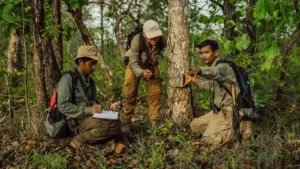
Citizen science and structured voluntourism engage travelers directly in hands-on conservation efforts, such as wildlife tracking, marine habitat restoration, water quality testing, and trail maintenance. When meticulously designed, these programs create a powerful, mutually beneficial exchange: travelers acquire profound ecological literacy, while underfunded conservation projects gain essential field capacity and vital financial backing.
However, not all volunteer programs meet ethical standards. Credible initiatives must be grounded in genuine scientific methodology, supervised by trained academic or professional researchers, and integrated with local communities. They must never displace local labor or assign complex technical duties to untrained participants without professional oversight.
Case Study: Earthwatch Institute Global Expeditions
The Earthwatch Institute bridges the gap between everyday travelers and leading scientists, running field expeditions across more than 30 countries spanning savannas, polar regions, rainforests, and marine environments. This model supplies long-term financial backing and more than 100,000 hours of annual volunteer labor, enabling multi-year scientific studies that would otherwise be impossible.
For example, in South Africa, Earthwatch volunteers spent over two decades monitoring the breeding success, chick growth rates, and foraging behaviors of critically endangered African penguins. The rigorous data collected directly informed government-backed legal protections and commercial fishing restrictions around nesting colonies. Crucially, 96% of Earthwatch projects directly employ, train, or engage local community members, ensuring that scientific research empowers rather than sidelines host populations.
Official Statements and Industry Insights
Global leaders in sustainable travel emphasize that consumer vigilance and systemic accountability are the ultimate defense against ecological degradation.
Dr. Anita Pleumarom, a prominent voice in tourism and environmental justice, notes: "True ecotourism requires a fundamental redistribution of power. It is not enough for a lodge to use solar panels if the surrounding community has no say in how their ancestral lands are managed or if local resources are diverted away from residents to service foreign tourists."
Furthermore, international conservation bodies stress that travelers must look beyond marketing buzzwords. Regulatory frameworks are increasingly pushing for mandatory third-party audits to eliminate false "eco-friendly" claims, ensuring that every dollar spent by a traveler genuinely furthers biodiversity protection and community empowerment.
What Is NOT Ecotourism: Spotting Greenwashing
As global demand for sustainable travel surges, an alarming number of resorts, tour operators, and cruise lines market themselves as "eco" or "green" while operating entirely counter to conservation principles. Greenwashing weaponizes travelers’ good intentions for corporate profit.
Major Red Flags to Avoid:
- Unverified Self-Certification: Labels invented by the company itself rather than accredited by recognized third-party bodies (e.g., GSTC, Green Fins, Rainforest Alliance).
- Captive Wildlife Interactions: Venues offering elephant riding, tiger petting, dolphin swimming, or handling of wild animals in restricted enclosures.
- Green-Hushing on Communities: Tours that showcase pristine nature while completely ignoring or displacing local human populations.
- Superficial Eco-Gimmicks: Hotels asking guests to reuse towels while maintaining massive, unmitigated carbon footprints, single-use plastic reliance, and zero community investment.
- Mass Tourism Disguised as Nature Trips: Large-scale motorized vehicle safaris or massive cruise ship excursions that overwhelm fragile local ecosystems.
Future Outlook: The Horizon of Sustainable Travel
Looking ahead, the future of ecotourism hinges on strict accountability, technological transparency, and regenerative travel models. Rather than merely minimizing negative impacts—the traditional definition of sustainability—the next frontier of ecotourism is regenerative travel, where every tourist interaction leaves the destination measurably healthier, wealthier, and more resilient than before.
For travelers, planning an ecotourism adventure requires moving past glossy brochures and investigating the operational realities behind a business. Resources such as sustainable travel frameworks and independent certification databases offer vital guidance. For industry operators, partnering with organizations like Sustainable Travel International provides the necessary tools and training to elevate environmental performance across all sectors of the tourism economy.
Ultimately, wherever your next journey takes you, planning with true ecotourism principles at the forefront ensures that your adventures serve as a powerful force for global conservation and human dignity—protecting both our planet and its people for generations to come.