Executive Overview
The modern alpine vacation is undergoing a quiet, urgent reckoning. For decades, the ritual of escaping to the mountains for fresh air, pristine landscapes, and outdoor adventure relied on a heavy toll: bumper-to-bumper traffic, idling combustion engines, and congested narrow valley roads. Today, iconic mountain destinations and national parks are grappling with a crisis of their own popularity. As millions of travelers descend upon fragile ecosystems each year, the infrastructure built decades ago is cracking under the strain of modern tourism.
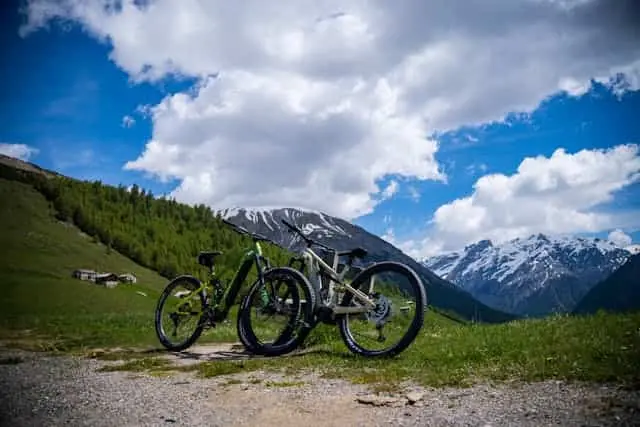
Enter the electric mountain bike (e-MTB)—not merely as a recreational toy, but as a transformative tool for sustainable travel. By trading the car keys for pedal-assist technology, visitors are discovering a cleaner, more immersive way to navigate high-altitude destinations. E-bikes effectively mitigate local traffic congestion, slash carbon emissions, and relieve the severe infrastructural stress that threatens both local communities and the natural environments travelers journey so far to experience.
This in-depth investigative feature explores the intersection of tourism, environmental science, and modern mobility, examining why swapping the automobile for an e-bike is rapidly becoming the ultimate gold standard for responsible alpine travel.
Detailed Chronology: The Evolution of Mountain Tourism and the Infrastructure Crisis
To understand why mountain towns are currently struggling, it is essential to trace the historical evolution of outdoor recreation and how infrastructure failed to keep pace with the democratization of travel.
Mid-to-Late 20th Century: The Rise of the Car-Centric Mountain Escape
Following the post-World War II economic boom, vehicle ownership skyrocketed, and national parks and mountain resorts experienced an unprecedented influx of visitors. During this era, civil planners designed mountain access roads with a singular philosophy: the automobile was king. Two-lane highways carved through majestic canyons, sprawling asphalt parking lots were constructed directly adjacent to trailheads, and little thought was given to the long-term carrying capacity of delicate alpine ecosystems. For decades, driving was synonymous with freedom, allowing tourists to effortlessly bridge the gap between urban life and wilderness retreats.
The Turn of the Century: The Tipping Point of Over-Tourism
By the early 2000s, the cracks in this car-centric model began to show. Globalization, digital travel guides, and social media catalyzed a massive surge in annual visitation numbers. Mountain destinations that once offered solitude transformed into seasonal gridlocks. Towns originally built to house a few hundred residents suddenly found themselves accommodating tens of thousands of transient motorists every summer and winter. Narrow access roads became daily bottlenecks, forcing municipalities to implement reactive measures such as mandatory shuttle systems, vehicle reservation windows, and strict parking bans—most notably pioneered by parks like Zion and Yosemite.
The Modern Era: The E-Bike Revolution
As urban planners searched for proactive solutions to curtail vehicular pollution, the cycling industry introduced high-torque, long-range electric mountain bikes. Initially viewed with skepticism by purists, e-MTBs quickly evolved into sophisticated, reliable machines capable of conquering steep alpine inclines with ease.
By the mid-2010s and into the 2020s, forward-thinking eco-tourism advocates realized that e-bikes bridged a critical gap: they provided the mechanical assistance necessary to traverse hilly, high-elevation terrain while maintaining a zero-emission footprint. Today, municipal leaders, national park rangers, and environmental scientists view the e-mountain bike not just as a leisure accessory, but as a vital instrument of municipal traffic mitigation and conservation.
Supporting Context & Metrics: The Hard Data Behind the Alpine Traffic Crisis
The romanticized image of a quiet mountain road is increasingly overshadowed by empirical reality. The environmental and logistical strain of combustion engines in elevated terrain demands rigorous quantitative analysis.
The Air Quality Paradox in National Parks
Many travelers assume that escaping to national parks and mountain ranges guarantees an escape from industrial pollution. However, data from the National Parks Conservation Association reveals a sobering truth: 96 percent of U.S. national parks are located in areas with unhealthy air quality levels, with internal combustion vehicle emissions serving as a primary contributor.
When thousands of cars idle in traffic jams trying to access a single alpine viewpoint, they pump vast quantities of particulate matter, nitrogen oxides, and carbon monoxide directly into pristine air basins. Because mountain valleys frequently experience thermal inversions—where cold air is trapped beneath a layer of warm air—vehicle emissions linger far longer than they would in flat, open terrain, intensifying localized pollution.
Carbon Math: Cars vs. E-Bikes
The math supporting e-bikes as a viable climate solution is compelling. According to comprehensive transportation research conducted at Portland State University, replacing a mere 15 percent of daily car trips with e-bikes would result in a staggering 12 percent reduction in carbon dioxide emissions.
In the context of a mountain vacation, this metric is particularly relevant. The vast majority of trips made by tourists within a mountain destination are short-distance excursions: driving three miles from a lodge to a trailhead, four miles to a downtown restaurant, or two miles to a scenic overlook. These micro-trips are notoriously inefficient for gasoline-powered automobiles, which burn fuel at their highest rates while engines are cold and climbing steep grades.
Researchers have calculated that replacing conventional vehicle travel with an e-bike eliminates approximately 225 kilograms of CO2 emissions annually per rider. When scaled across thousands of visitors during a peak tourist season, the cumulative preservation of air quality and reduction of carbon footprints are monumental.
Official Statements & Expert Perspectives
Industry leaders, municipal authorities, and conservationists are increasingly vocal about the necessity of transitioning away from automobile dependency in mountain sectors.
“Mountain communities were never engineered to handle the sheer volume of modern vehicular traffic,” notes an urban planner specializing in sustainable resort design. “When you funnel thousands of SUVs and sedans down two-lane canyon roads, you aren’t just creating traffic jams; you are actively degrading the very acoustic and atmospheric qualities that drew people to the mountains in the first place.”
Environmental advocates emphasize the sensory and psychological shift that occurs when travelers abandon the windshield. “Cars build a barrier between the traveler and the environment,” explains a representative from an international ecotourism coalition. “When you are sealed inside a climate-controlled metal box, you are disconnected from the landscape. An e-bike restores that human-to-nature connection. You hear the wind in the pines, you smell the alpine flora, and you move through the ecosystem at a respectful, contemplative pace.”
Wildlife biologists have also weighed in on the acoustic benefits of non-motorized and electric transport. While internal combustion engines and motorcycles generate deep, concussive noise pollution that frequently startles and displaces native fauna, e-bikes operate with a low decibel hum. Field observations indicate that wildlife is significantly less disturbed by quiet, human-and-battery-powered riders, allowing for harmonious coexistence along shared mountain corridors.
Future Outlook: Paving the Way for Sustainable Mountain Communities
As we look toward the future of alpine tourism, the integration of electric mountain bikes into municipal planning is transitioning from a novel alternative to an absolute necessity.
Infrastructure Adaptations
To sustain this shift, mountain towns are aggressively rethinking their infrastructure. Forward-thinking municipalities are currently investing in:
- Dedicated Micro-Mobility Corridors: Expanding paved and unpaved multi-use paths that safely separate e-bike riders from high-speed vehicular traffic.
- Secure Charging Hubs: Installing solar-powered charging stations at trailheads, visitor centers, and commercial districts to encourage all-day riding without range anxiety.
- Integrated Rental and Transit Networks: Partnering with regional transit authorities to allow e-bikes on buses and trains, creating a seamless, car-free travel ecosystem from the moment a visitor arrives in the region.
The Role of the Prepared Traveler
For visitors looking to participate in this sustainable movement, preparation is key. Transitioning from a car-dependent vacation to an active, e-bike-centric journey requires intentional planning:
- Selecting the Right Equipment: Opt for an e-mountain bike engineered specifically for rugged terrain, featuring robust torque sensors, powerful hydraulic brakes, and high-capacity batteries capable of handling steep alpine elevation gains.
- Equipping Properly: Prioritize essential accessories—such as puncture-resistant tires, multi-tools, weather-resistant apparel, and high-lumens lighting systems—well in advance to avoid the inflated costs and limited selections often found in resort-town gift shops.
- Respecting Local Regulations: Always research local trail access classifications and road laws regarding e-bikes, as regulations can vary significantly between federal public lands, state parks, and municipal trail systems.
Conclusion: A Legacy Worth Preserving
The modern mountain getaway stands at a crossroads. We can continue down the path of widening roads, expanding parking lots, and suffocating fragile alpine valleys with exhaust fumes, or we can embrace a smarter, more harmonious method of exploration.
By replacing the combustion engine with the quiet efficiency of the e-mountain bike, travelers can reclaim the true spirit of outdoor adventure. It is a small behavioral shift that yields profound dividends—reducing congestion, protecting vulnerable ecosystems, and ensuring that the majestic beauty of our mountains remains pristine for generations yet to come.