

October 9, 2026
By the Blue Marine Foundation News Desk
Executive Overview
In a stark and uncompromising assessment that highlights a deepening environmental and economic emergency, the International Council for the Exploration of the Sea (ICES) has issued its latest scientific advice: there must be zero fishing of Northern Shelf cod in 2027.
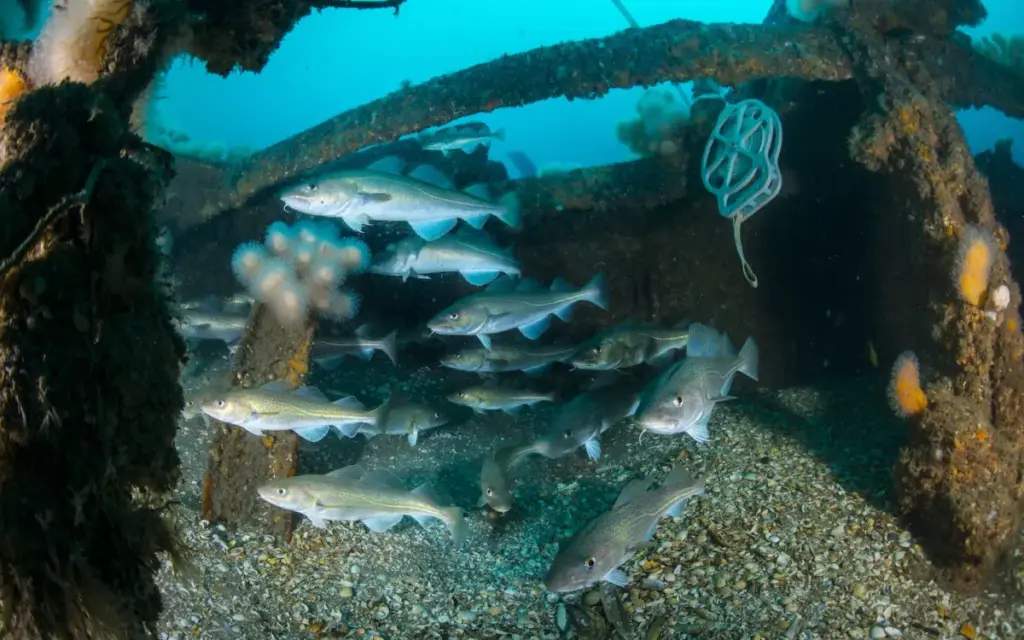
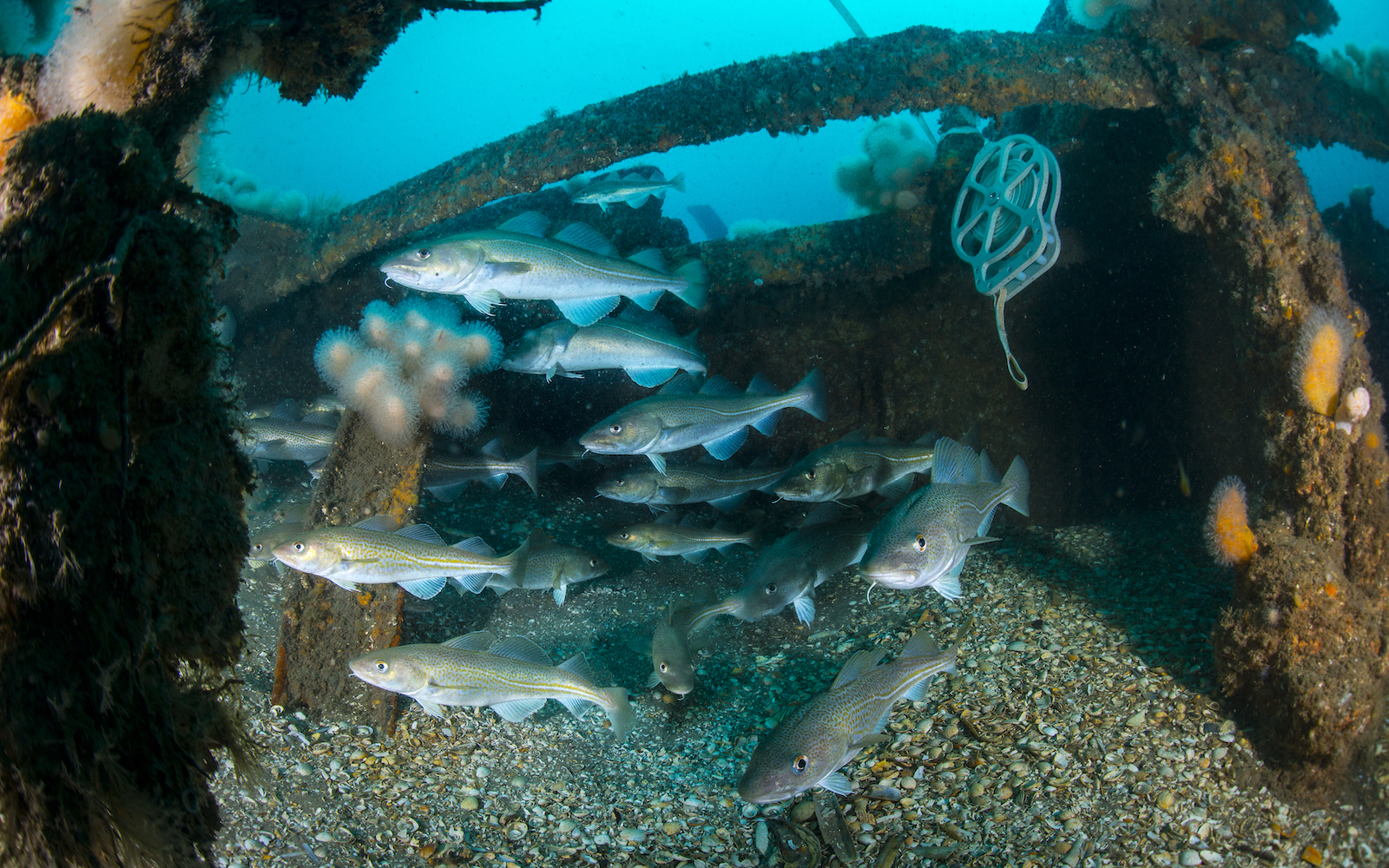
This landmark recommendation marks the second consecutive year that marine scientists have called for a complete cessation of fishing for what was historically one of the United Kingdom’s most abundant, commercially vital, and culturally significant fish populations. The Northern Shelf cod stock—inhabiting a sprawling expanse across the North Sea, west of Scotland, the eastern English Channel, and the Skagerrak—remains trapped in a precarious tailspin. According to marine biologists and independent researchers, any level of continued commercial extraction poses an unacceptable, existential risk to the stock’s long-term survival and ability to recover.
The gravity of this year’s advice extends far beyond a single region. Across the United Kingdom, three of the four major native cod stocks now officially receive zero-catch recommendations from scientific authorities. In the realm of marine governance, a zero-catch advice is never issued lightly; it is the ultimate distress signal, reserved exclusively for stocks that have crossed ecological tipping points and are facing severe collapse.
The widespread nature of this crisis points directly toward systemic failures in fisheries management, decades of overfishing, and a persistent political willingness to prioritize short-term commercial pressures over long-term ecological stewardship. Despite clear, escalating warnings from scientific bodies, catch limits have repeatedly been set above sustainable thresholds. As a result, the consequences are now cascading outward from the turbulent waters of the North Sea into the daily lives of British citizens, fundamentally altering traditional industries, threatening national food security, and driving up the cost of the nation’s most iconic culinary staple: the classic British fish and chip supper.
Detailed Chronology and the Anatomy of a Collapse
To understand how one of the UK’s richest marine resources was brought to the brink of ruin, one must examine the timeline of policy failures, ecological shifts, and missed opportunities that have defined British fisheries management over the past decade.
A Decade of Steady Decline
The collapse of Northern Shelf cod did not happen overnight. It is the cumulative result of a multi-year downward trajectory that has steadily eroded the reproductive capacity of the stock. ICES assessments reveal that since 2016, populations across the board have suffered catastrophic losses:
- The Southern population of the Northern Shelf cod has plummeted by a staggering 52%.
- The Northwestern population has experienced an equally devastating contraction, dropping by 53%.
- The Viking cod population in the northern reaches has seen a reduction of 37%.
These figures illustrate a systemic erosion of biomass across all sub-stocks. Marine scientists are particularly alarmed by the plight of the Southern population, which has dipped dangerously below critical biological limits. When a fish stock falls below these thresholds, its spawning-stock biomass becomes too small to reliably produce enough young fish (recruits) to replace those dying of natural causes or being caught.
The Interconnected Threat
Compounding this biological crisis is the mixed-fisheries nature of the region. Northern Shelf cod is comprised of three distinct interacting populations—Southern, Northwestern, and Viking—which naturally mix within overlapping habitats. Because these groups swim and feed together, commercial fishing operations targeting other species (such as haddock, whiting, or mixed demersal species) inevitably catch cod as "bycatch" or directed catch.
Because the cod populations cannot be easily separated at sea, ICES has repeatedly concluded that any ongoing mixed-fishery exploitation in these waters creates an unacceptable mortality rate for the most vulnerable segments of the stock, short-circuiting any potential for natural replenishment.
Ignoring the Science: The Political Calculus
The friction between marine science and political expediency has long defined UK and European fisheries policy. Year after year, independent scientific bodies like ICES provide rigorous, evidence-based recommendations outlining the maximum sustainable yields (MSY) or zero-catch limits required to restore depleted biomass. Yet, these recommendations routinely run headfirst into the political arena.
The root cause of the current emergency is laid bare by recent policy decisions. In 2026, an alarming 58% of UK fishing opportunities were set above scientific advice. This political prioritization of short-term industrial quotas effectively reversed years of fragile, hard-fought progress toward sustainable fisheries management. By regularly overriding the consensus of marine biologists to appease short-term commercial lobbying, decision-makers have systematically dismantled the ecological buffers that kept cod populations resilient.
Last year, ICES shocked the fishing sector with an unprecedented recommendation for a complete commercial closure of the Northern Shelf cod fishery. While that warning should have catalyzed an emergency rescue and management overhaul, fishing continued under politically negotiated, elevated quotas. Now, facing a second consecutive year of zero-catch advice, policymakers are out of time and out of excuses.
Supporting Context and Metrics: Beyond the Water
The ramifications of depleted marine ecosystems are not confined to the decks of trawlers or the reports of marine scientists. They ripple outward, touching the economy, consumer wallets, and the broader framework of national security.
The Fish and Chip Shop Crisis
Few culinary traditions are as deeply embedded in British culture as fish and chips. For generations, cod has served as the undisputed centerpiece of this national dish. Today, however, that tradition is facing an unprecedented economic squeeze.
Because local stocks have been fished to the point of near-exhaustion, British fish and chip shops are experiencing severe supply shortages. To keep their doors open, businesses are forced to rely increasingly on imported cod sourced from distant waters, exposing them to volatile global supply chains, foreign exchange fluctuations, and shipping inflation.
The consequences for consumers are stark:
- Soaring Wholesale Prices: Reduced availability of domestic cod has driven up wholesale prices across the board.
- Margin Compression: Independent shop owners face difficult choices between absorbing unsustainable costs or passing them on to customers.
- Price Inflation at the Counter: The average price of takeaway fish and chips has risen sharply over recent years, transforming what was once an accessible, working-class meal into an increasingly expensive luxury.
It is a profound irony that an island nation surrounded by some of the most productive and biologically rich seas on the planet must now import the very fish that defines its culinary heritage.
The Economic Case for Marine Recovery
The collapse of cod stocks serves as a textbook lesson in the economic folly of poor environmental management. Healthy fish populations are not merely passive elements of nature; they are economic assets that underpin jobs, regional food security, and the viability of coastal communities.
When fisheries are mismanaged and stocks are allowed to collapse, the economic fallout is distributed across the entire value chain:
- Fishers face shrinking catches, shorter seasons, and restricted quotas.
- Processing and supply-chain businesses confront rising overheads and job insecurity.
- Consumers face fewer affordable, sustainable seafood choices.
Conversely, rebuilding fish populations to healthy, abundant levels unlocks substantial long-term economic dividends. Sustainable fisheries yield higher catch volumes with less effort, lower fuel costs, and greater stability over time.
Official Statements and Expert Perspectives
The release of the 2027 zero-catch advice has drawn sharp reactions from conservation organizations, who are demanding an immediate shift in how the UK government approaches marine governance.
Jonny Hughes, Fisheries Policy Lead at the Blue Marine Foundation, offered a scathing critique of past political decisions and outlined the stark choice facing the nation’s leaders:
"A second consecutive year of zero-catch advice should be a wake-up call," Hughes stated. "Northern Shelf cod did not collapse overnight. It is the result of years of political decisions that repeatedly allowed catches to exceed scientific recommendations."
Emphasizing the urgency of structural reform, Hughes continued:
"The choice facing governments is simple: continue with business as usual or prioritise recovering this iconic species. The future of our seas and our fishing communities depend on getting this right."
Highlighting the absurdity of sidelining world-class research, he added:
"It is remarkable that we have access to some of the best fisheries science in the world, science that tells us exactly how to fish sustainably while securing the greatest long-term benefits for fishing communities, food security and the economy, yet we continue to disregard it."
Finally, Hughes tied the fisheries crisis directly to broader environmental challenges:
"At a time when the Government rightly recognises that the climate crisis is already affecting our lives, it must also recognise that resilience to these challenges depends on a healthy and resilient ocean. Healthy fish populations are a fundamental part of that."
Future Outlook: A Critical Juncture for UK Waters
As the Department for Environment, Food and Rural Affairs (Defra) and devolved administrations prepare to negotiate catch limits for the coming years, they do so under an intensifying spotlight.
Defra has frequently and correctly acknowledged that nature and climate security are national security. A stable, functioning ocean is the ultimate baseline defence against climate disruption; marine ecosystems sequester carbon, buffer coastal communities from extreme weather, and regulate marine food webs. However, this rhetorical commitment to ecological security must now be matched by courageous, science-based policy action.
To pull Northern Shelf cod back from the brink of irreversible local extinction, several critical measures must be enacted:
- Strict Adherence to Scientific Advice: Governments must commit to setting all future fishing opportunities strictly within the boundaries recommended by ICES, abandoning the practice of politically inflated quotas.
- Targeted Technical Measures: Enhanced monitoring, real-time spatial closures, and selective gear technologies must be deployed immediately to minimize accidental cod bycatch in mixed fisheries.
- Ecosystem-Based Management: Fisheries management must evolve past single-species quotas to embrace an ecosystem-wide perspective that accounts for warming waters, habitat degradation, and food-web interactions.
The path forward is clear, illuminated by decades of robust, independent marine science. If policymakers continue to ignore the distress signals pulsing through the Northern Shelf, they risk presiding over the permanent loss of an ecological treasure and a foundational pillar of British maritime history. The future of the nation’s seas—and the coastal communities that depend upon them—rests entirely on whether decision-makers possess the political will to choose recovery over complacency.



