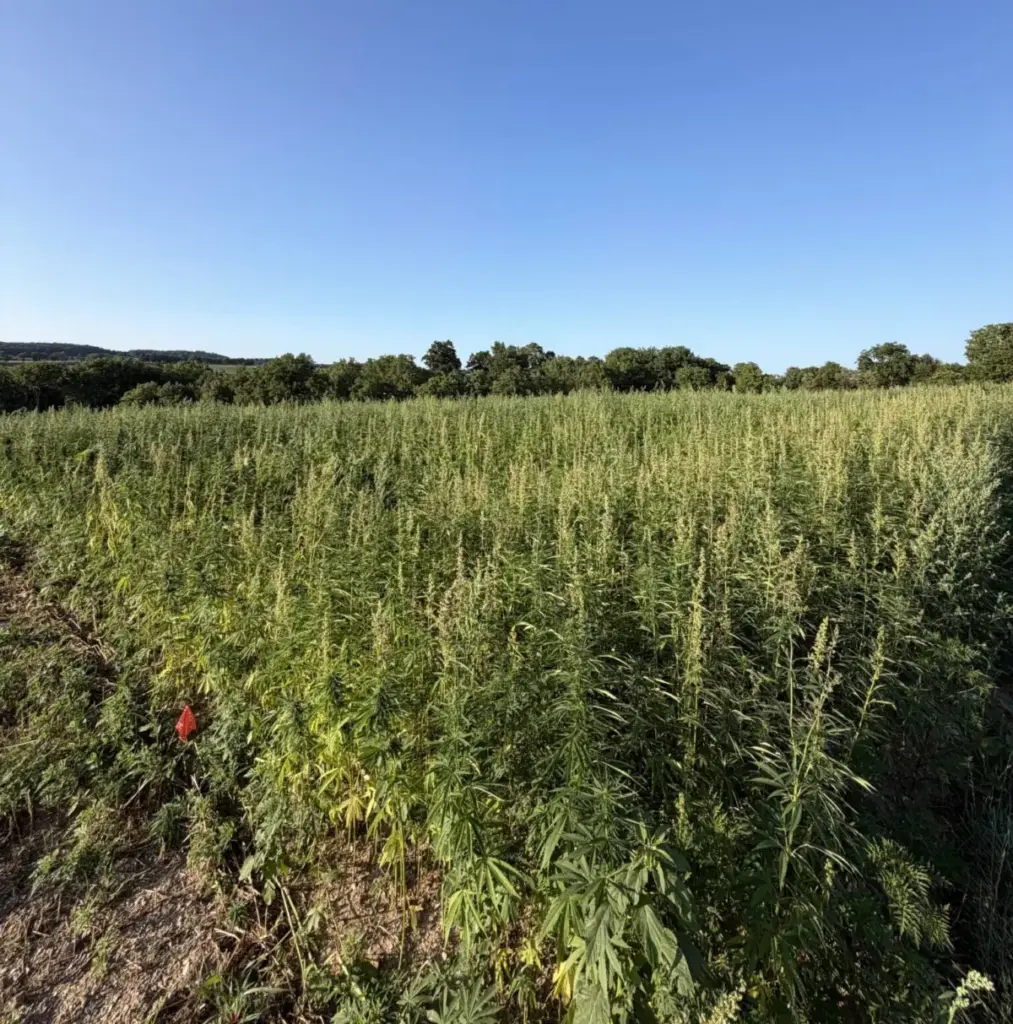
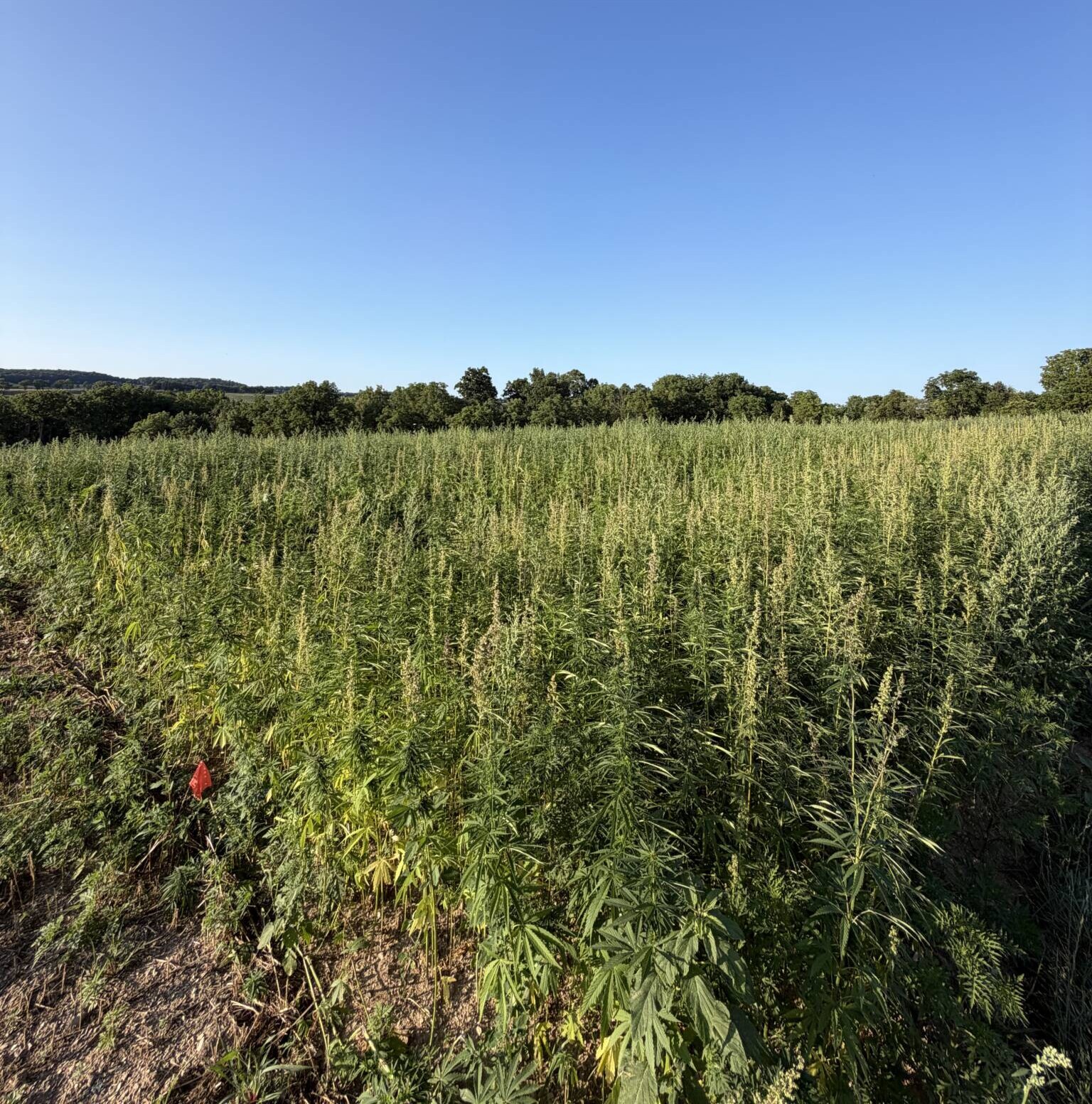
Industrial hemp is staging a dramatic comeback across the agricultural landscape of the United States. Spurred by the legislative turning point of the 2018 Farm Bill—which federally decoupled industrial hemp from its psychoactive cousin, Cannabis sativa, and classified it as a mainstream agricultural commodity—farmers from Pennsylvania to the Pacific Northwest have rushed to explore the crop’s vast commercial potential. While early modern production focused heavily on fibrous stalks for textiles and cannabidiol (CBD) extracts for the wellness market, a new frontier is rapidly capturing the attention of both producers and food manufacturers: hemp grain.
Packed with a dense matrix of plant-based protein, heart-healthy fatty acids, dietary fiber, and essential minerals, hemp grain is emerging as a premier superfood ingredient. Yet, transitioning this ancient crop into a consistent, highly profitable, and sustainably managed component of modern regenerative organic agriculture presents steep challenges. Yields across commercial farms currently fluctuate wildly—ranging from a few hundred pounds to well over a thousand pounds per acre—largely due to a lack of standardized agronomic data, variable weather patterns, and differing management approaches.
To bridge this critical knowledge gap, the renowned Rodale Institute—a global leader in regenerative organic agriculture headquartered in Kutztown, Pennsylvania—has joined forces with the U.S. Department of Agriculture’s Agricultural Research Service (USDA-ARS) in Wyndmoor. Together, they are spearheading a multi-year, comprehensive field trial (running from 2024 through 2027) designed to investigate how specific cover cropping strategies and subterranean soil biology can dramatically boost grain hemp yields, nutrient density, and climate resilience. Funded by the U.S. Department of Agriculture and administered through the Commonwealth Specialty Crop Block Grant Program by the Pennsylvania Department of Agriculture, this research aims to lay the scientific foundation for a thriving, resilient hemp grain supply chain rooted in soil health.
Detailed Chronology of the Research Initiative
The pathway to optimizing industrial hemp grain production within organic systems requires meticulous, long-term scientific inquiry. The ongoing collaboration between Rodale Institute and USDA-ARS is structured across a multi-year timeline designed to capture seasonal variations, biological shifts, and cumulative soil health improvements.
Phase 1: Establishment and Baseline Configuration (2024)
The project officially kicked off with the design and deployment of rigorous field trials at Rodale Institute’s Kutztown research campus. Recognizing that cover crops are a cornerstone of regenerative organic farming—traditionally used to curb soil erosion, sequester carbon, and suppress aggressive weeds—the research team sought to determine how specific winter cover crops impact the subsequent summer hemp crop.
The trial was engineered around four distinct cover crop treatments:
No Cover Crop (Control): Bare soil management reflecting conventional fallow periods.
Triticale Alone: A hardy cereal grain hybrid of wheat and rye that excels at producing dense aboveground biomass and scavenging residual nitrogen.
Hairy Vetch Alone: A nitrogen-fixing leguminous cover crop known for pulling atmospheric nitrogen and enriching the soil profile.
Triticale and Hairy Vetch Mix: A synergistic combination designed to balance carbon-to-nitrogen ratios, providing both structural biomass and biological nitrogen fixation.
Ahead of the 2024 growing season, these cover crops were established and managed. Following their termination, two prominent industrial hemp grain varieties—CFX-2 and Indigo—were planted at a uniform rate of 40 pounds per acre. To ensure statistical validity, each of the eight treatment combinations (four cover crop options paired with two hemp varieties) was replicated four times across standardized plots measuring 20 feet by 60 feet.
Phase 2: Biological Deep Dive and Root-Zone Analysis (2025)
As the field trials matured into their second production cycle, the scope of investigation expanded deep beneath the soil surface. Partnering directly with USDA-ARS scientists, the research team began evaluating the subterranean interactions between hemp roots and arbuscular mycorrhizal fungi (AMF).
AMF are beneficial symbiotic soil microorganisms that colonize plant roots, effectively extending the plant’s root network to capture water and immobile nutrients (such as phosphorus) far more efficiently than roots could manage on their own. While prior studies on other agricultural commodities have shown that robust AMF colonization can boost crop yields by roughly 15% on average—while simultaneously elevating beneficial secondary plant compounds—little to no empirical data existed regarding how these fungi interact with grain hemp.
Concurrently, baseline tissue and soil chemistry samples were gathered to track how different cover crop treatments altered the availability of macro- and micronutrients in the rhizosphere.
Phase 3: Scaling Visibility and Field Demonstration (2026)
Marking a critical milestone in the project’s lifecycle, the 2026 field season transitioned from data collection to active knowledge transfer. On July 17, 2026, Rodale Institute hosted its flagship Organic Field Day, drawing approximately 500 visitors, including farmers, agronomists, policy makers, and food industry stakeholders.
Researchers showcased the active hemp grain research plots, demonstrating how the CFX-2 and Indigo varieties performed under the varying cover crop regimes. This event served as a vital interactive platform, allowing regional growers to witness firsthand the visual differences in crop vigor, weed suppression, and canopy closure resulting from regenerative management practices.
Phase 4: Synthesis, Nutrient Profiling, and Extension (2027 and Beyond)
As the project approaches its conclusion in 2027, the primary focus will shift toward exhaustive laboratory analysis and the widespread dissemination of findings. Harvested grain samples from all treatment plots are slated for comprehensive biochemical screening. Beyond standard metrics like crude protein and oil content, researchers will test for advanced nutritional parameters—including complete amino acid profiles, fatty acid ratios, specific mineral assays, and the presence of ergothioneine, a rare and potent antioxidant amino acid linked to neuroprotection and cognitive health that has never before been formally quantified in industrial hemp grain.
Supporting Context & Nutritional Metrics
To understand why agronomists and food scientists are so enthusiastic about industrial hemp grain, one must look closely at its exceptional nutritional architecture. Unlike many traditional cereal grains that are heavily skewed toward carbohydrates, hemp seed is a nutritional powerhouse.
The Nutritional Profile of Hemp Grain
Protein (approx. 27%): Hemp grain is a complete source of plant-based protein, meaning it contains all nine essential amino acids that the human body cannot synthesize on its own, rendering it vital for cellular repair, muscle maintenance, and overall metabolic health.
Healthy Fats (approx. 25%): The seed is exceptionally rich in polyunsaturated fatty acids, notably an ideal ratio of Omega-6 to Omega-3 essential fatty acids, which play a major role in reducing systemic inflammation and supporting cardiovascular health.
Dietary Fiber (approx. 22%): Found largely in the hull, this fiber supports optimal gastrointestinal function and microbiome diversity.
Carbohydrates (approx. 20%): Low in net starches, making it suitable for specialized dietary formulations.
Vitamins and Minerals: Rich in vital micronutrients including magnesium, iron, zinc, potassium, and B-complex vitamins.
Emerging Biomarkers: The inclusion of ergothioneine testing in the current Rodale Institute study highlights the potential for hemp grain to serve as a functional food capable of combating neurodegenerative conditions like Alzheimer’s disease.
Agronomic Challenges and the Cover Crop Solution
Despite its stellar nutritional resume, growing industrial hemp for grain in commercial organic systems is fraught with agronomic hurdles. Without the crutch of synthetic nitrogen fertilizers and chemical herbicides, organic farmers must rely on biological processes to feed the crop and suppress weeds during its critical early establishment phase.
This is where the triticale and hairy vetch cover crop treatments prove indispensable. Cover crops act as living biological factories:
Erosion Control & Water Retention: Continuous root systems hold the fragile Pennsylvania topsoil in place against heavy spring rains, enhancing water infiltration and drought resilience.
Nitrogen Fixation: Hairy vetch, a legume, forms symbiotic relationships with Rhizobium bacteria, drawing inert atmospheric nitrogen and converting it into plant-available forms. This reduces or eliminates the need for expensive, fossil-fuel-derived off-farm fertilizers.
Weed Suppression: Dense stands of triticale outcompete early-season weeds for sunlight, water, and space, reducing the labor and mechanical tillage required to keep fields clean.
Soil Microbiome Stimulation: The diverse root exudates released by mixed cover crops feed native soil bacteria and fungi, creating an active biological network that subsequently supercharges the mycorrhizal colonization of the incoming hemp crop.
Official Statements & Industry Perspectives
The urgency and promise of this research are echoed by the scientists leading the charge on the ground at Rodale Institute.
"There is a real need for practical guidance on how to grow hemp grain successfully in organic systems," stated Dr. Dinesh Panday, Industrial Hemp Researcher and Soil Scientist at Rodale Institute.
Dr. Panday emphasizes that modern farmers are increasingly looking for economically viable, environmentally sound alternatives to conventional input-heavy farming. By scientifically validating management practices that rely on biological synergies rather than synthetic chemicals, the Rodale-USDA team aims to equip growers with actionable, science-backed protocols.
"By testing management practices that are affordable and accessible, rather than relying on heavy synthetic fertilizer inputs, our goal is to give farmers science-backed options that improve both their harvest and their soil health simultaneously," Dr. Panday added.
Agricultural extension specialists note that the project’s design specifically keeps underserved and beginning specialty crop farmers in mind. By lowering the barrier to entry through proven regenerative techniques, the initiative is projected to directly reach and educate upwards of 500 regional growers and agricultural professionals through peer-reviewed literature, instructional webinars, technical guides, and hands-on farm demonstrations.
Future Outlook: From Soil to Plate
As the industrial hemp sector matures past its initial speculative bubbles, the focus of the industry is shifting toward institutional stability, food-grade quality standards, and verifiable sustainability metrics. The collaborative research being conducted by the Rodale Institute and the USDA Agricultural Research Service represents a pivotal stepping stone in this evolution.
Looking toward the completion of the project in 2027 and looking far beyond into the next decade, the implications of this trial are profound:
Supply Chain Integrity: Food and beverage manufacturers demanding reliable, nutrient-dense, organically certified hemp ingredients will have access to standardized agronomic frameworks that guarantee consistent quality.
Climate-Smart Agribusiness: By proving that cover-cropped organic systems can match or exceed the productivity of conventional chemical farming, the project provides a blueprint for agricultural carbon sequestration and climate adaptation.
Regional Economic Development: For Pennsylvania farmers seeking profitable diversification strategies away from traditional commodity row crops, industrial hemp grain offers a lucrative specialty market backed by rigorous local research.
Ultimately, the mission of this multi-year study is remarkably straightforward yet transformative: to help farmers grow more abundant, highly nutritious hemp grain while actively healing and building up the living soil beneath their feet. In doing so, Rodale Institute and its federal partners are helping to anchor a healthier, more transparent, and truly regenerative supply chain—stretching uninterrupted from the Pennsylvania topsoil all the way to the food on consumers’ plates.
This research project is generously funded by the U.S. Department of Agriculture and administered by the Commonwealth Specialty Crop Block Grant Program through the Pennsylvania Department of Agriculture.