American agriculture stands at a profound demographic and ecological crossroads. For generations, farming was predominantly a familial legacy, passed down alongside land titles and operational infrastructure from parents to children. Today, however, the median age of the American agriculturalist has climbed to 58, and the traditional pipeline of succession has slowed to a trickle as younger generations look toward less physically demanding, urban-centric professions.
Simultaneously, industrial farming models face intensifying scrutiny over environmental degradation, topsoil depletion, and the resilience of global food supply chains.
Enter the Rodale Institute Farmer Training (RIFT) program—an intensive, nine-month immersive educational initiative designed to reverse these trends. Based in Pennsylvania, the RIFT program is actively reshaping the future of food production by training novice agriculturalists in regenerative organic methods.
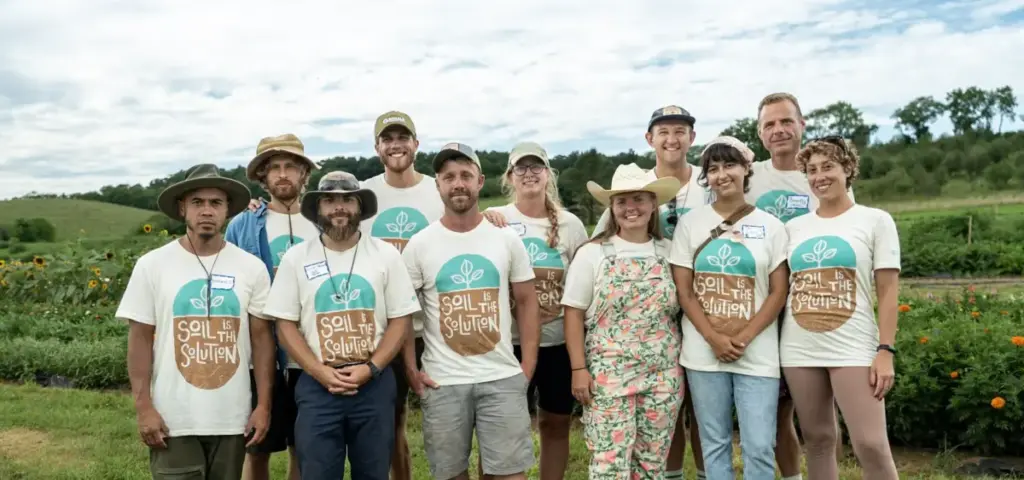
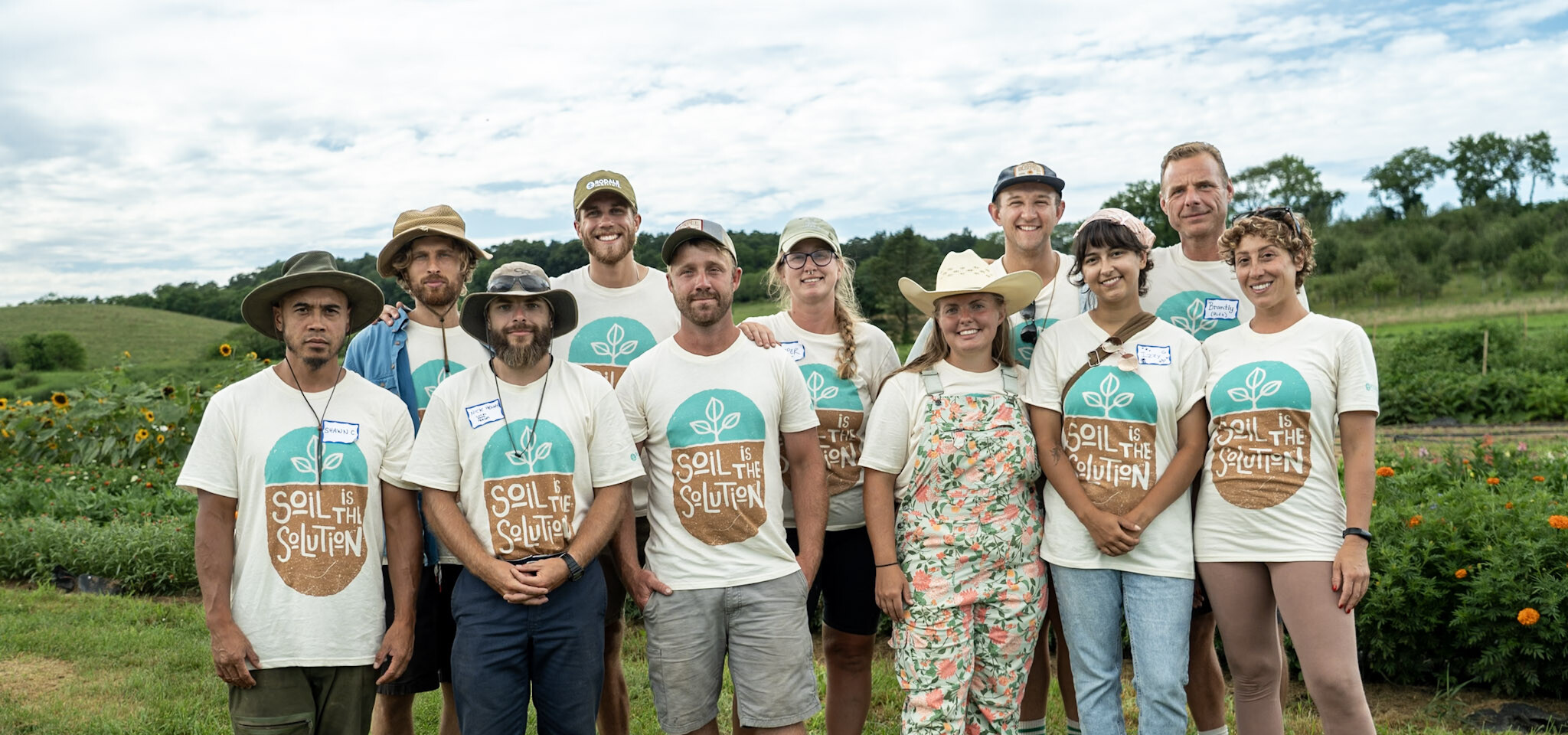
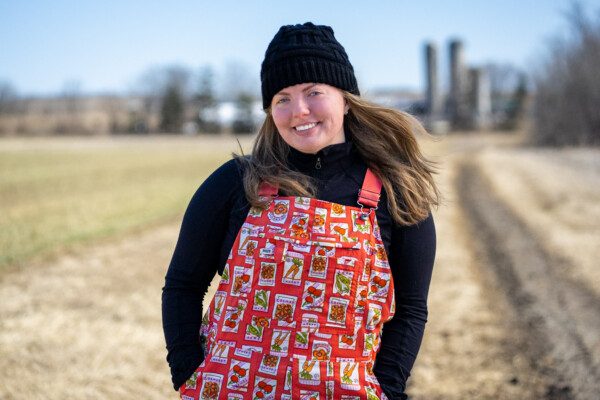
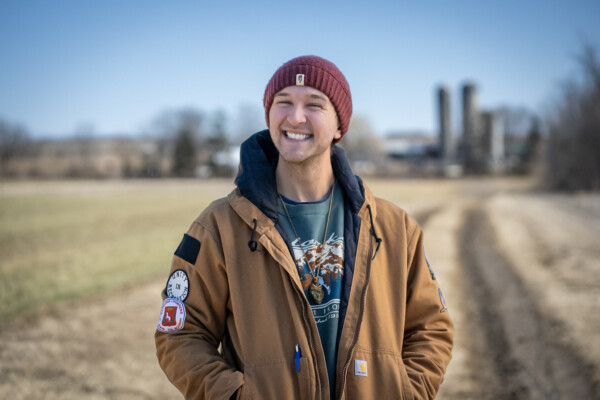
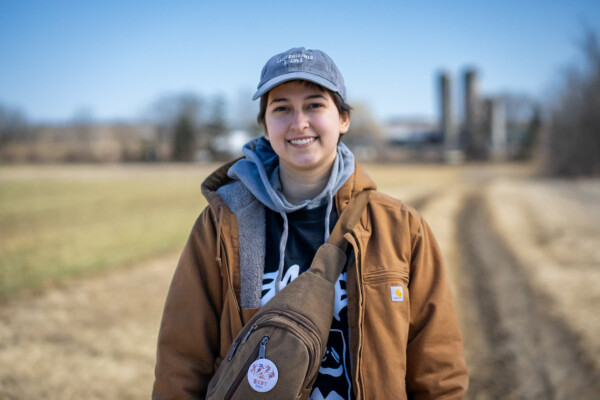
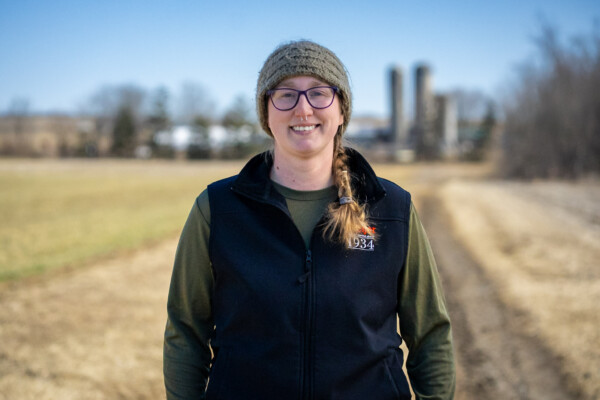
The cohort represents a radical departure from the traditional farming demographic. Ranging in age from their early twenties to their early fifties, the 2025 class of RIFT participants arrives from diverse professional backgrounds—spanning technology, corporate retail, education, and the arts.
United by a shared urgency to combat climate change, repair food system vulnerabilities, and restore ecological health, these aspiring farmers are learning the meticulous art and science of organic farming. By pairing comprehensive hands-on field labor with academic instruction, college credit pathways, and business plan development, Rodale Institute is not merely teaching individuals how to grow crops; it is incubating a national movement toward regenerative agriculture.
Detailed Chronology & Student Profiles
The RIFT curriculum is structured around the complete seasonal cycle of agricultural production, taking students from late-winter seedings through summer cultivation to autumn harvests and market distribution. For the 2025 cohort, this grueling yet transformative nine-month journey serves as a crucible where corporate careers are traded for calloused hands and a renewed sense of purpose.
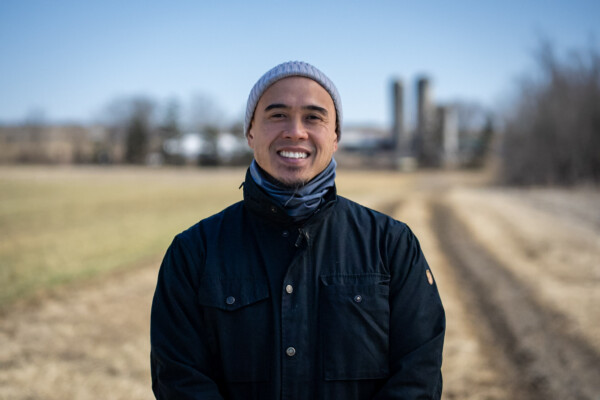
The Tech Refugee: Shawn Cabalsi
For 43-year-old Pennsylvania native Shawn Cabalsi, the transition from a successful career in the technology sector to full-time agrarianism was driven by an existential search for ethical alignment. Despite professional accomplishments in tech, Cabalsi experienced a profound sense of disconnection.
His reading list—featuring foundational agricultural philosophers like Wendell Berry, E.F. Schumacher, and Masanobu Fukuoka—exposed the ecological costs of modern industrial civilization.
"I got really interested in how to live more naturally, more ethically, more morally," Cabalsi reflects. "That brought me to farming. Farming is a big step for me toward being more in harmony with nature."
Cabalsi has already co-founded a 501(c)(3) nonprofit organic farm in Macungie, Pennsylvania. Spanning 11 acres, the operation is dedicated to supplying fresh produce to local populations experiencing food insecurity. By joining RIFT, Cabalsi aims to master formal organic certification standards and advance his expertise in regenerative soil management.
Furthermore, he is leveraging RIFT coursework—which now qualifies for college credits through Northampton Community College—toward a Master of Arts in Regenerative Design through Prescott College’s online graduate program.
The Floral Heir: Delaney Gemmel
Delaney Gemmel’s journey back to the soil bridges generations of family commerce. Her family has operated a landmark flower shop in Allentown, Pennsylvania, for decades, instilling in Gemmel an early appreciation for small-business enterprise. This background initially led her to pursue a business degree at Lehigh University.
However, post-graduation travels through Ecuador, Spain, and Malawi exposed her to varied global food systems and sparked a deep introspection regarding her professional passions.
"I was looking for what would be my passion in life," Gemmel recalls, "and then I discovered that I love fresh food, farming, and working outside."
Her RIFT capstone vision synthesizes her past with a sustainable future: she intends to establish a small-scale flower farm that supplies both her family’s historic floral shop and a distinct direct-to-consumer market. Beyond her own land, Gemmel plans to utilize her corporate business acumen to consult with other small-scale farmers on marketing and operational logistics, championing community-centric commerce.
The Climate Strategist: Payton Wilks
Raised in Tipp City, Ohio—a Dayton suburb enveloped by conventional corn and soybean fields—Payton Wilks initially pursued studies in acting, anthropology, and French at Ohio University. Following international travel, including a tenure teaching English in France, he earned a certification in project management. Yet, when evaluating where to apply his organizational skills for maximum societal impact, Wilks gravitated away from traditional corporate sectors.
"I thought about what would have the biggest impact," Wilks explains. "For me, climate change is one of the most important issues that’s facing humanity."
While initial explorations into renewable energy left him uninspired, discovering regenerative agriculture unlocked a profound realization: soil can actively sequester atmospheric carbon while simultaneously yielding nutrient-dense food.
Wilks plans to spend his immediate post-RIFT years managing diversified vegetable operations to hone his practical expertise, with a long-term goal of launching his own regenerative farm, potentially bridging the American Midwest and European agricultural networks.
The Visual Communicator: Isidra Garcia
Isidra Garcia’s path to agriculture began through the lens of a camera. While studying video editing at Kutztown University—situated near Rodale Institute’s primary campus—Garcia secured an internship with the Institute’s communications department in 2024.
While producing a documentary investigating the environmental impacts of the fast-fashion industry, she became fascinated by industrial hemp textiles, a crop actively studied by Rodale researchers.
"During my internship, I fell in love with agriculture because I want to be closer to nature," Garcia notes.
Her vision for the future combines land stewardship with media production. Alongside plans to manage a plot dedicated to soil restoration and organic crop production—specifically featuring ingredients for a fresh pico de gallo product line—Garcia intends to produce educational video content directly from her farm. Her goal is to demystify organic food systems for consumers and highlight the transformative power of daily ecological choices.
The Holistic Healer: Samantha Cooper
Samantha Cooper was managing a large department store for Meijer in Central Indiana when the COVID-19 pandemic laid bare the fragile underbelly of national supply chains. Alongside her partner, Garrett Tidler (a 2024 RIFT graduate currently enrolled in the program’s advanced 22-month fellowship track), Cooper observed deep structural vulnerabilities in the modern food apparatus.
"It made us very interested in growing our own food, growing food for our family and community, and doing our growing organically and healthfully," she states.
Having relocated to Pennsylvania, Cooper spent the previous season working hands-on at the St. Luke’s–Rodale Institute Organic Farm in Easton. As a person in long-term recovery from substance abuse, Cooper views agricultural labor as a vital medium for personal and ecological healing.
"I’m used to manual labor and hard work, and it feels good to be outside in the sun and getting the fruits of my labor," she says.
Her farm plan focuses on cultivating medicinal herbs such as borage, calendula, and edible marigolds to formulate teas and herbal tinctures. Ultimately, Cooper and Tidler plan to return to Indiana to establish an organic movement in a region currently dominated by chemical-dependent, industrial commodity crops.
The Ecosystem Restorer: Kade Eckert
Washington state native Kade Eckert brings an entrepreneurial, problem-solving mindset to the RIFT cohort. Having worked as a professional chef, operated an indoor microgreens business, and taught urban food production to high school students, Eckert quickly recognized the limitations of conventional culinary supply chains.
"I’m a problem solver by nature, and it’s my mission to work on the problems of the food system. I didn’t feel like I was solving anything in a restaurant kitchen," Eckert explains.
His ambitions were further catalyzed by operating a community farm in Seattle and working within a large-scale composting facility in Sweden. Eckert’s post-RIFT objective is to acquire a degraded plot of land in Washington state and rehabilitate it using composted municipal and institutional waste. By pairing this ecological restoration with a native plant nursery and immersive farm-to-table dining experiences, Eckert aims to prove that regenerative agriculture can be both environmentally restorative and economically viable.
Supporting Context & Metrics
The challenges facing the modern agricultural landscape are well-documented by federal and academic institutions. According to the United States Department of Agriculture (USDA) Census of Agriculture, the average age of the American farmer has steadily risen, hovering near 58 years old. Concurrently, farm consolidation has accelerated, with large-scale industrial operations frequently displacing small- and mid-sized family farms.
Metric / Indicator
Statistical Overview
Average Age of U.S. Farmer
~58 years old (USDA Census of Agriculture)
RIFT Program Duration
35 consecutive weeks (approx. 9 months)
Financial Support for Trainees
Weekly stipend of $600 plus complimentary housing
Alumni Impact (Since 2011)
Over 100 individuals graduated and successfully placed
Academic Integration
Northampton Community College credits applicable to accredited degrees
The RIFT program addresses these systemic gaps by removing the primary financial barriers that prevent career changers from entering agriculture. Trainees receive a weekly stipend of $600 alongside free housing for the duration of the 35-week curriculum. This level of comprehensive financial and logistical support is exceedingly rare within vocational agricultural education, allowing individuals from non-agrarian backgrounds to retrain without incurring insurmountable debt.
Official Statements & Institutional Vision
Justin Barclay, Global Education Operations Manager at Rodale Institute, emphasizes that the selection process for RIFT is rigorous, prioritizing grit, teamwork, and entrepreneurial drive.
"Organic-focused education for 35 consecutive weeks is not common in other farmer-training programs," Barclay explains. "Successful participants have the goal of starting an agricultural business, can work in a team environment, and are willing to be coached."
The culmination of the RIFT experience is a capstone project in which students draft comprehensive, bankable farm plans. These documents serve as operational roadmaps that graduates can immediately deploy to secure agricultural land, apply for federal and private grants, and navigate the complex requirements of official organic certification. Furthermore, institutional partnerships—such as college credit agreements with Northampton Community College and lifetime access to Rodale’s online educational library—ensure that trainees remain supported long after their boots leave the Institute’s fields.
Future Outlook
As the global community confronts compounding climate shocks, topsoil erosion, and public health crises linked to ultra-processed diets, the demand for localized, regenerative food systems has never been more urgent. Programs like the Rodale Institute Farmer Training initiative provide a vital blueprint for the future of food production.
By taking individuals from diverse walks of life—tech workers, florists, project managers, filmmakers, and chefs—and equipping them with the ecological science and business acumen required to steward the land, Rodale Institute is seeding a quiet revolution.
The graduates of the 2025 RIFT cohort are stepping off the Institute’s Pennsylvania fields and returning to communities across the nation equipped with more than just crop plans; they carry a renewed mandate to heal the earth, restore rural economies, and feed future generations with integrity.