
Executive Overview
As geopolitical tensions and the ongoing conflict involving Iran roil global energy markets, major oil and gas corporations are enjoying an unprecedented windfall of revenue. Yet, even as they rake in billions of dollars in quarterly profits, the fossil fuel industry is aggressively deploying a portion of that capital to safeguard its operational future on the domestic front. In California—long considered a vanguard of progressive environmental policy and climate action—Big Oil has mounted a historically unprecedented lobbying campaign.
According to data compiled and analyzed by the Last Chance Alliance, a coalition of environmental justice and grassroots advocacy groups, oil and gas companies spent more than $17 million on lobbying efforts in the California state legislature during the first half of 2026 alone. This spending trajectory shattered previous state benchmarks, underscored by a record-shattering $10.3 million funneled into political influence during the first quarter, followed by an additional $6.8 million in the second quarter.
The capital was deployed to neutralize a broad spectrum of legislation. Major operators and industry associations targeted proposals designed to shift climate-related financial burdens back onto polluters, mandate stringent workplace safety protocols, enforce responsible retirement plans for aging refineries, and hold companies accountable for hundreds of thousands of abandoned, methane-leaking wells.
Critics argue that this heavy-handed lobbying effort directly subverts the will of California voters, sidelining public health and environmental protection in favor of corporate bottom lines. With major climate bills defeated or watered down, environmental advocates warn that the state’s legislative session has exposed deep vulnerabilities in how the world’s fourth-largest economy handles corporate political influence during a worsening global climate crisis.
Detailed Chronology of the 2026 Lobbying Surge and Legislative Battles
The record-breaking expenditure by oil and gas interests in early 2026 did not happen in a vacuum; it was the culmination of a calculated strategy to blunt a wave of accountability measures making their way through the Sacramento legislature.
Q1 2026: A Historic Spending Milestone
During the first three months of the year, oil and gas entities poured an unprecedented $10.3 million into lobbying lawmakers and regulators. This surge coincided with the introduction of several high-stakes bills aimed at addressing climate disaster costs, public health risks in fence-line communities, and the looming financial liabilities of transitioning away from fossil fuels. Rather than absorbing these potential costs, industry leaders mobilized a massive coalition of lobbyists, consultants, and alleged "front groups" to dismantle the legislative package piece by piece.
Q2 2026: Sustained Pressure and Strategic Defeats
As the legislative session progressed into the second quarter, spending remained remarkably high at $6.8 million. During this period, the industry notched several critical victories. Among the most notable casualties of Big Oil’s lobbying blitz were bills designed to address systemic state crises:
- SB 982: This measure sought to address California’s spiraling home insurance crisis—exacerbated by catastrophic, climate-intensified wildfires—by granting the state Attorney General explicit authority to sue fossil fuel companies for damages. Proponents argued the lawsuits would help fund property insurance stabilization and disaster mitigation. The bill was ultimately defeated.
- SB 1245: Aimed at stabilizing the state’s gas supply, this bill also fell victim to aggressive industry resistance.
- Abandoned Wells Legislation: Efforts to crack down on companies abandoning more than 100,000 idle, methane-leaking oil wells across California were successfully sidelined, allowing operators to continue evading multi-billion-dollar plugging liabilities.
Regulatory Capture: The Cap-and-Invest Overhaul
Beyond the legislature, the industry targeted California’s foundational cap-and-invest program, which covers roughly 80 percent of the state’s economy and serves as a primary vehicle for achieving carbon neutrality by 2045. The program operates on a finite and annually declining pool of emissions permits.
Earlier in the year, oil and gas lobbyists successfully pressured state regulators to green-light a mechanism that could establish a vast pool of free pollution permits for fossil fuel companies. Environmental justice groups and a coalition of Democratic lawmakers immediately raised alarms, warning that the plan would deprive public transit and housing funds of billions of dollars. The regulatory decision has since sparked a high-stakes lawsuit filed by environmental groups, setting the stage for a protracted legal battle.
Supporting Context & Metrics: Profits, Pipelines, and Polluter Liabilities
To fully understand the scale and friction of California’s climate battles, one must examine the staggering financial backdrop against which these legislative fights are taking place.
The War-Driven Profit Windfall
While California lawmakers debated worker safety and disaster accountability, international events were driving historic financial gains for the energy sector. The U.S.-Israel war against Iran, coupled with the prolonged closure of the critical Strait of Hormuz, caused severe global supply disruptions and spiked oil prices.
These geopolitical dynamics created a massive financial boon for oil producers and refiners not directly dependent on the Strait:
- Chevron reported a staggering $12 billion in net profits for the second quarter of 2026—nearly five times its earnings during the same period in 2025.
- ExxonMobil posted $14.5 billion in net profits, more than double its Q2 earnings from the previous year.
Despite these record-shattering figures, oil executives have pushed back against accusations of profiteering. Chevron CEO Mike Wirth told CNBC in late July that supply threats were severely straining his operations, noting, "Every day that goes by, the situation gets more difficult." Chevron and other industry players have consistently blamed California’s stringent energy regulations for high local gasoline prices, deflecting public scrutiny.
Key Industry Spenders
According to mandatory disclosures filed with the California Secretary of State and analyzed by the Last Chance Alliance, the primary financial drivers of the 2026 lobbying campaign included:
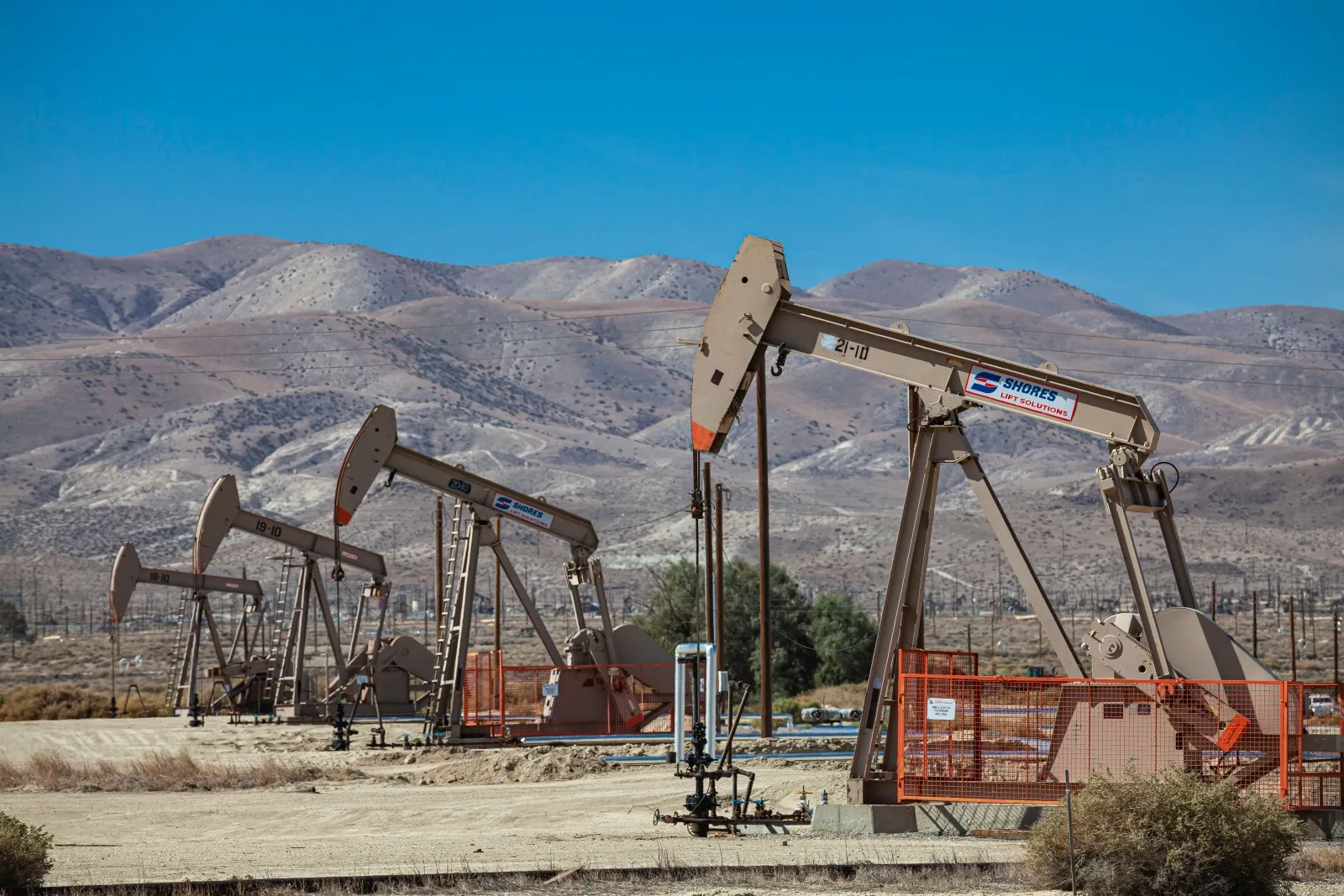
- Western States Petroleum Association (WSPA): $4.3 million spent during the first half of the year.
- Chevron: $3.7 million in direct and indirect lobbying expenditures.
- Phillips 66: Just over $500,000.
Much of this capital was channeled through third-party consultants and prominent "front groups"—such as Californians for Energy Independence—which project a grassroots facade while being heavily funded by traditional energy corporations.
Target Legislation and Worker Impacts
The lobbying onslaught was not limited to broad climate targets; it also actively undermined labor and community safety bills:
- Displaced Oil and Gas Workers Fund (AB 2157): The industry fought against extending this vital $30 million fund (established in 2022), which has successfully helped approximately 600 workers transition to new careers. Labor leaders and supporters had hoped to expand the fund to include wage replacement and apprenticeship support.
- Refinery Safety and Closure Oversight: Bills proposing safe staffing guidelines for oil refineries (AB 605), enhanced safety and public comment requirements for offshore pipelines (AB 1536), and mandatory formal retirement plans prior to shutting down refineries (SB 1259) were all met with intense industry resistance. The latter bill was drafted in direct response to the controversial and poorly managed closure of a Phillips 66 refinery in Los Angeles County.
Official Statements and Stakeholder Perspectives
The chasm between corporate rhetoric and advocacy group assessments highlights a deep ideological and political fracture within California.
Faraz Rizvi, campaign and policy director for the Asian Pacific Environmental Network (a Last Chance Alliance member), pulled no punches when assessing the industry’s behavior. In an interview with Grist, Rizvi criticized companies for aggressively lobbying against straightforward transparency and community protection measures:
"They’re not actors that have consumers’ or communities’ interests at heart."
Hollin Kretzmann, deputy political director at the Center for Biological Diversity Action Fund, characterized the legislative session as a profound institutional failure for the state:
"This legislative session was just a huge missed opportunity for California. We didn’t get to show what the world’s fourth-largest economy could accomplish when it comes to protecting our economy, protecting our health."
Kretzmann emphasized that the heavy influence of oil money exposes a systemic flaw in California’s governance:
"It gets to the heart of why our policies in California don’t reflect the will of the people. I don’t have an easy solution, but we need our legislators to listen to the public… rather than oil industry lobbyists."
Ryan Schleeter, communications director for The Climate Center, argued that curbing Big Oil’s legislative stranglehold requires dismantling the financial incentives and tax loopholes that underpin their profit margins. Pointing to free pollution allocations under the cap-and-invest program and tax provisions allowing companies to shield global earnings, Schleeter noted:
"We’re essentially subsidizing their profit margins."
Future Outlook: The Road Ahead for California Climate Policy
As the dust settles on a bruising legislative session, environmental advocates, labor organizers, and progressive lawmakers are recalibrating their strategies for the future. The events of early 2026 have made it abundantly clear that achieving California’s ambitious climate mandates—including carbon neutrality by 2045—will require confronting the outsized political influence of the fossil fuel industry head-on.
Policy and Reform Priorities
- Targeting Public Subsidies: Activists are urging state leaders to eliminate fossil fuel subsidies, starting with the rollback of free pollution allowances within the cap-and-invest carbon market and the closure of aggressive corporate tax loopholes.
- Campaign Finance and Lobbying Restrictions: Calls are growing louder for stricter limits on lobbyist expenditures and access within Sacramento. Without structural reforms to campaign finance and lobbying transparency, advocates warn that public interest legislation will continue to stall against a wall of corporate capital.
- Litigation as a Backstop: With traditional legislative pathways frequently blocked by industry lobbying, environmental justice organizations are increasingly turning to the courts. Ongoing legal challenges against the cap-and-invest market overhaul demonstrate that the judicial branch will likely play an expanding role in policing environmental rollbacks.
Ultimately, the 2026 legislative battle serves as a cautionary tale for climate policy advocates nationwide. It illustrates how even a progressive, economically powerful state can find its legislative agenda compromised when multinational energy conglomerates deploy record-breaking windfalls to protect the status quo. For California to reclaim its role as an uncompromised climate leader, lawmakers and watchdogs agree that dismantling Big Oil’s political machinery must become an urgent priority before the next legislative cycle begins.