

Executive Overview
In the nutrient-rich, intricate marine labyrinth of the Pacific Northwest, a quiet rescue mission is unfolding daily. Within the federally designated Salish Sea Hope Spot—an ecologically vital marine region recognized globally for its rich biodiversity—young harbor seals are being pulled back from the brink of mortality. Abandoned by their mothers too early, injured by human disturbance, or suffering from the physiological toll of environmental stressors, these vulnerable pups are finding a lifeline at SeaLife Response, Rehabilitation and Research (SR3).
As designated Hope Spot Champions for the Salish Sea, SR3 serves as a specialized medical and behavioral training ground for marine mammals. Operating under the umbrella of Mission Blue—the global ocean conservation initiative founded by legendary oceanographer Dr. Sylvia Earle—and supported by the Rolex Perpetual Planet Initiative, the facility bridges the gap between human intervention and natural survival.
This in-depth report explores the meticulous, multi-stage rehabilitation process undertaken by SR3’s marine biologists, veterinarians, and wildlife rehabilitators. We examine the biological realities of harbor seal pup abandonment, the ecological significance of the Salish Sea Hope Spot, the rigorous protocols required to prevent human habituation, and the broader implications these rescue efforts hold for the health of Pacific Northwest marine ecosystems in an era of rapid environmental change.
Detailed Chronology: From Rescue to Release
The lifecycle of a rehabilitated harbor seal at SR3 is characterized by a carefully orchestrated transition from critical medical stabilization to semi-wild independence. Every phase of this timeline is engineered to mimic natural development while mitigating the risks of captive stress.
Phase 1: Intake, Triage, and Stabilization
The journey typically begins with a public call to SR3’s stranding hotline. Beachgoers or coastal residents report a solitary, vocal seal pup resting on a rocky shore or sandy beach. While mother harbor seals frequently leave their pups hauled out alone for hours while foraging, intervention becomes necessary when a pup exhibits clear signs of distress: persistent crying for more than 24 hours, visible ribs or a sunken spine indicating malnourishment, open wounds, entanglement in marine debris, or confirmed maternal mortality.
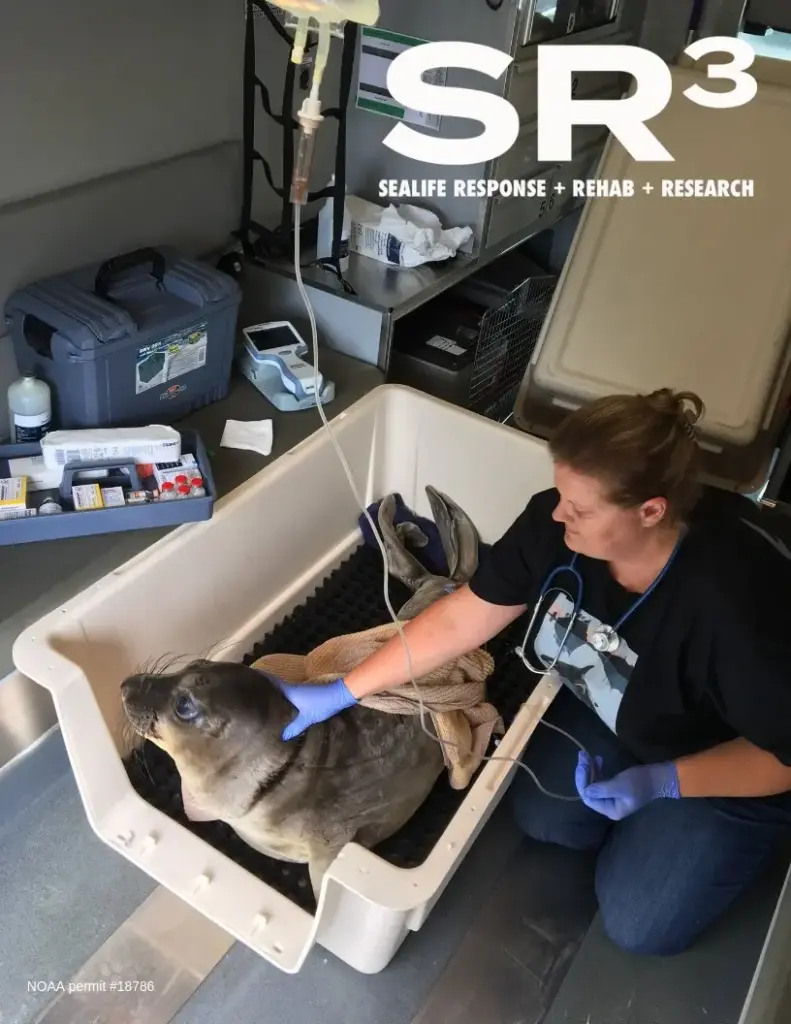
Upon arrival at the SR3 facility, veterinary teams immediately conduct a comprehensive triage assessment.
- Diagnostics: Blood panels are drawn to evaluate hydration levels, organ function, and white blood cell counts, providing a baseline for infection or systemic shock.
- Fluid Therapy: Dehydrated pups receive subcutaneous or intravenous fluids infused with electrolytes and essential vitamins.
- Wound Management: Lacerations from predator attacks or boat propellers are cleaned, debrided, and treated with topical and systemic antibiotics.
During these initial days, human interaction is kept to an absolute minimum. Pups are housed in temperature-controlled indoor recovery wards designed to reduce sensory overload and prevent the dangerous psychological imprinting that occurs when wild animals associate humans with food.
Phase 2: Nutritional Advancement and Formula Transition
Harbor seal milk is exceptionally rich, containing up to 50% fat to fuel rapid growth and blubber accumulation. Orphaned pups arriving at SR3 cannot be transitioned immediately to solid fish; their underdeveloped digestive tracts require a specialized, nutrient-dense formula.
- Tube Feeding: In the earliest stages, staff feed weak pups via gastric intubation, delivering warm liquid formulas containing fish slurry, whipping cream, and essential supplements directly to the stomach.
- The Bottle-Feeding Transition: As strength returns, pups graduate to specialized nursing bottles. This phase requires handlers to wear disguises—such as dark raincoats or welder’s masks—and maintain absolute silence. The objective is simple: ensure the animal never learns to associate the human voice, face, or scent with sustenance.
- Weaning and "Fish School": Around four to six weeks of age, pups show readiness for solid food. Staff introduce live or freshly thawed whole fish (such as herring and smelt) into shallow training pools. Initially, pups show little interest, treating dead fish as toys. Slowly, through instinct and repeated exposure, they learn to strike, handle, and consume whole prey, transitioning from milk-dependent infants to independent predators.
Phase 3: Open-Water Conditioning and Socialization
Once weaned and medically cleared, the young seals graduate to larger, outdoor saltwater enclosures featuring natural tidal flows, rocky haul-out areas, and complex underwater structures. This stage focuses heavily on muscle conditioning, breath-holding capacity, and social interaction.
- Peer Dynamics: Pups are housed in cohorts. Socializing with conspecifics allows them to establish a natural hierarchy, practice competitive feeding behaviors, and develop the vocalizations essential for future mating and territorial communication.
- Aversion Training: To maximize post-release survival, rehabilitation staff deliberately avoid human visibility during feeding and maintenance. If a seal approaches a perimeter fence where a human is visible, staff utilize non-harmful deterrents, such as loud noises or water sprays, to reinforce a healthy, innate fear of humans and vessels.
Phase 4: The Return to the Salish Sea
The final milestone in the rehabilitation timeline is release back into the wild. Selection of release sites is conducted with rigorous scientific oversight, prioritizing remote marine protected areas within the Salish Sea where wild harbor seal colonies reside and food sources are abundant.
Transported in specialized, dark transport boxes to minimize stress, the seals are released directly onto secluded beaches or via floating docks at high tide. The moment of release is swift: upon the opening of the crate doors, the rehabilitated yearlings surge down the shoreline, plunging into the cold Pacific waters, diving beneath the surface, and instantly rejoining the wild population from which they were separated weeks or months prior.
Supporting Context & Metrics: The Salish Sea Hope Spot
To understand the gravity of SR3’s work, one must examine the unique ecological theater in which these animals live. The Salish Sea—encompassing the Puget Sound, the Strait of Georgia, and the Strait of Juan de Fuca—is a complex, glaciated fjord ecosystem shared by the United States and Canada.
Ecological Significance and Designation
Recognized globally as a Mission Blue "Hope Spot," the Salish Sea is a place scientifically identified as critical to the health of the ocean. These areas are championed by local conservation groups because they harbor extraordinary biodiversity, support endangered endemic species, and act as biological engines for the Pacific Northwest coast.
The ecosystem supports an intricate food web stretching from microscopic phytoplankton and eelgrass meadows to massive marine mammals, including transient and resident killer whales, Dall’s porpoises, sea otters, and tens of thousands of harbor seals (Phoca vitulina).
Quantifying the Threat Landscape
Despite their protected status under the U.S. Marine Mammal Protection Act of 1972, harbor seals in the Salish Sea face an compounding array of anthropogenic and environmental pressures:
- Habitat Fragmentation and Shoreline Armoring: Over 30% of Puget Sound’s shoreline has been modified by bulkheads, seawalls, and docks, destroying the natural, low-slope haul-out beaches where mothers traditionally nurse their pups undisturbed.
- Vessel Disturbance: High-speed recreational boating, commercial shipping, and whale-watching vessels frequently flush resting seal colonies off beaches. When a mother and pup are abruptly separated by a passing boat, the likelihood of permanent abandonment skyrockets.
- Bioaccumulation of Toxins: As an apex predator in the local food chain, harbor seals bioaccumulate high concentrations of persistent organic pollutants (POPs), polychlorinated biphenyls (PCBs), and heavy metals washed down from urban watersheds, suppressing their immune systems and making them vulnerable to secondary infections.
- Prey Availability Shifts: Climate-driven ocean warming and historical overfishing have altered the abundance and nutritional quality of key forage fish species, making it harder for newly weaned seals to secure adequate caloric intake.
Operational Metrics at SR3
The scale of the intervention required to counteract these pressures is substantial. Annually, facilities like SR3 process dozens of marine mammal cases, ranging from harbor seals and elephant seals to stranded cetaceans.
- Survival Rates: Through advanced veterinary diagnostics and refined husbandry protocols, SR3 boasts an impressive post-release survival rate for rehabilitated harbor seal pups, frequently exceeding 80% for animals that survive the first 48 hours of critical care.
- Economic and Logistical Investment: Rehabilitation requires round-the-clock staffing, specialized temperature-regulated pools, pharmaceutical supplies, and thousands of pounds of high-grade herring per season. This operational capacity is sustained through a combination of federal grants, public donations, and the vital philanthropic backing of organizations like the Rolex Perpetual Planet Initiative.
Official Statements and Expert Perspectives
The intersection of wildlife medicine, conservation biology, and corporate philanthropy has created a powerful framework for regional marine stewardship. Leaders in the field emphasize that rehabilitation is not merely about saving individual animals, but about safeguarding the ecological integrity of the entire ecosystem.
"When we look at a marine mammal stranded on our coastline, we aren’t just looking at a single patient in isolation; we are looking at a living barometer of ocean health," notes Dr. Sarah Allen, a leading marine ecologist specializing in Pacific pinniped populations. "Every healthy seal pup we return to the Salish Sea represents a vote of confidence for the resilience of this ecosystem. Rehabilitation gives nature a second chance to heal itself."
The partnership between local rescue networks and global conservation initiatives has fundamentally transformed the scale at which non-profit organizations can operate. Through the Rolex Perpetual Planet Initiative, Mission Blue Hope Spots receive vital visibility, resources, and technical backing to amplify local grassroots conservation work onto an international stage.
"Hope Spots are about recognizing the places on Earth that are critical to the ocean’s health," states Dr. Sylvia Earle, founder of Mission Blue. "The Salish Sea is an extraordinary aquatic sanctuary, but it is under immense pressure from human activity. The dedicated work happening at SR3 demonstrates that we are not helpless observers—we have the tools, the science, and the compassion to actively repair the damage we have caused and restore balance to these vital marine habitats."
SR3’s veterinary directors emphasize that public education remains the most critical weapon in reducing unnecessary strandings.
"Our greatest operational challenge isn’t medical; it’s behavioral—specifically, human behavior," explains a senior rehabilitation coordinator at SR3. "Too often, well-meaning beachgoers approach a resting pup, take selfies, or attempt to feed it. This forces the mother away, permanently abandoning the infant. Our message to the public is clear: Give marine mammals space. Observe from a distance, keep dogs on leashes, and call professional responders immediately if you suspect an animal is in distress."
Future Outlook: Safeguarding the Salish Sea
As we look toward the middle of the 21st century, the future of the Salish Sea Hope Spot hinges on a delicate balance between active species management and aggressive macro-level environmental protection. While facilities like SR3 provide an essential emergency room for marine mammals, rehabilitators are the first to admit that treating the symptoms of ecosystem degradation is not a substitute for curing the root causes.
Scaling Conservation Through Technology and Policy
Looking ahead, marine conservationists are pushing for a multi-tiered approach to ensure the long-term viability of marine mammal populations in the Pacific Northwest:
- Stricter Vessel Management Zones: Expanding protected marine areas and enforcing mandatory no-wake or slow-speed zones near known harbor seal rookeries will dramatically reduce mother-pup separations caused by recreational boat traffic.
- Watershed Restoration: Continued investment in green infrastructure, stormwater filtration, and the removal of artificial shoreline armoring will restore natural forage fish habitats and improve water quality, reducing the toxic load carried by apex marine predators.
- Enhanced Stranding Networks: Strengthening community-based reporting networks through mobile applications and rapid-response training will decrease the response time between a stranding event and the initiation of life-saving medical care.
The Broader Legacy of the Hope Spot Champions
The efforts of SR3 and the broader Mission Blue network serve as a global template for how regional marine conservation can achieve outsized impact. By connecting local rescue operations to international scientific platforms, organizations are fostering a culture of ocean stewardship that resonates far beyond the shores of Washington State.
Ultimately, every rehabilitated harbor seal pup that slips beneath the surface of the Salish Sea carries with it a message of resilience. These animals have survived maternal loss, injury, and the hazardous gauntlet of human development. As they disperse into the cold, nutrient-rich currents of the Pacific Northwest, they reclaim their rightful place in the marine web of life—reminding us of what can be achieved when human ingenuity, scientific rigor, and planetary compassion unite in defense of our oceans.



