The American agricultural landscape stands at a critical structural precipice. With the average age of U.S. farmers hovering at 58 years old—and traditional intergenerational farm transfers declining sharply as rural youth seek out less physically demanding, white-collar professions—the nation faces an unprecedented generational void in food production. Concurrently, public demand for ethically produced, environmentally restorative, and nutrient-dense food continues to surge.
Stepping into this widening gap is the Rodale Institute Farmer Training (RIFT) program. Designed to cultivate a new vanguard of agriculturalists, RIFT prepares novice farmers to manage thriving, resilient agricultural enterprises rooted in regenerative organic practices. Far from a casual horticultural workshop, the comprehensive 9-month, 35-week curriculum immerses participants in the complete seasonal cycle of crop production—from initial seed selection and soil preparation to harvest, market management, and formal business planning.
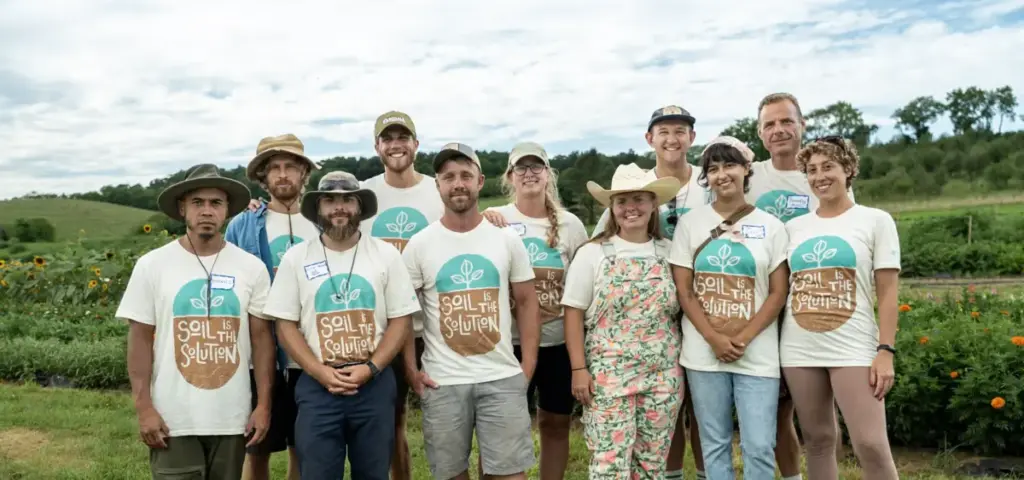
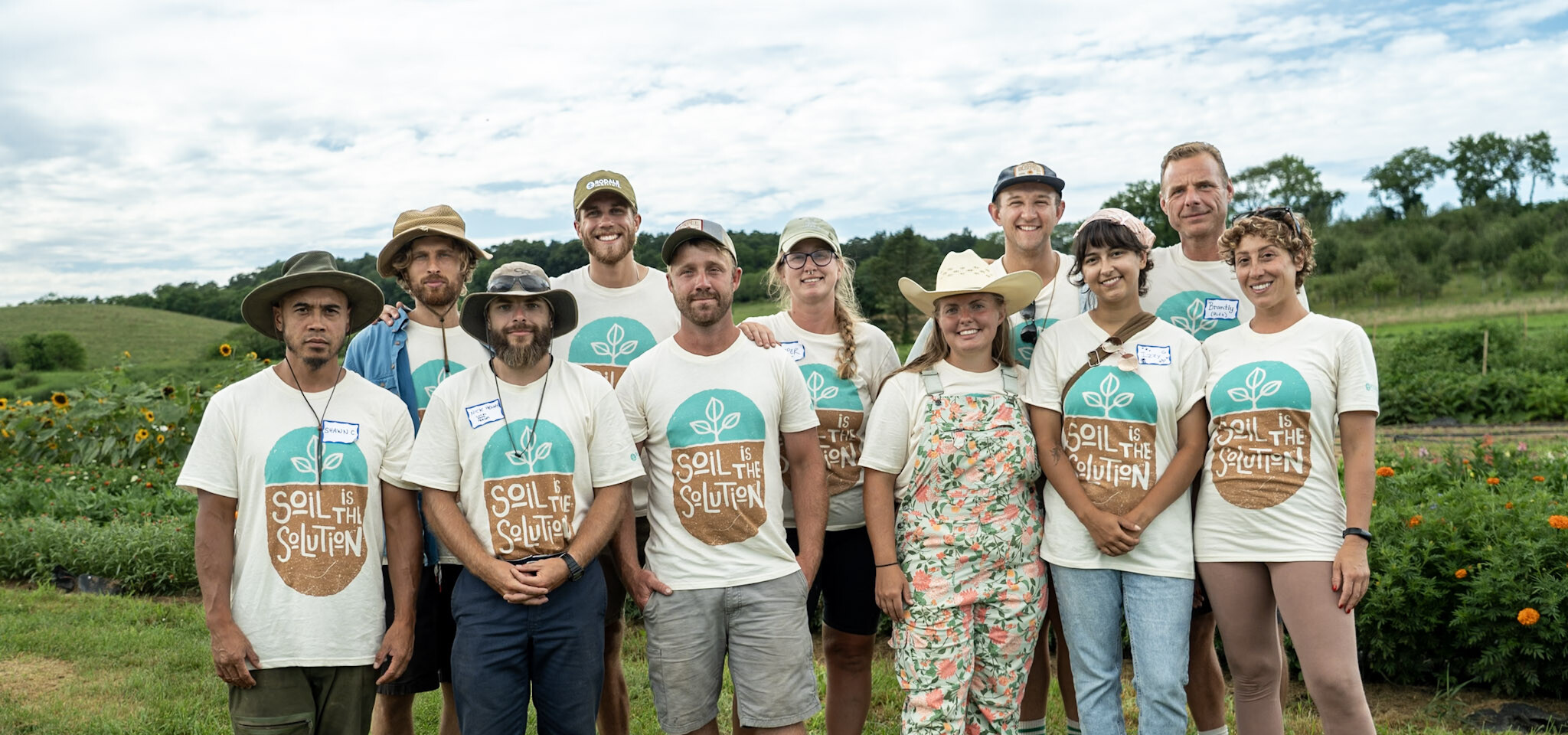
The 2025 RIFT cohort reflects a broader socioeconomic shift in modern agriculture: its participants are career changers. Ranging in age from their early twenties to their early fifties, these incoming agriculturalists leave behind established careers in technology, corporate management, the arts, and small business. United by a shared commitment to environmental restoration, ethical living, and community health, they represent a diverse wave of purpose-driven individuals ready to rewrite the future of farming.
Detailed Chronology: The Nine-Month RIFT Journey
The transformation from corporate professional or urban dweller to certified organic farmer does not happen overnight. RIFT’s structured 35-week immersion program takes students through an intensive, hands-on masterclass designed to demystify every facet of running a modern agricultural business.
Phase One: Foundation and Soil Health (Weeks 1–12)
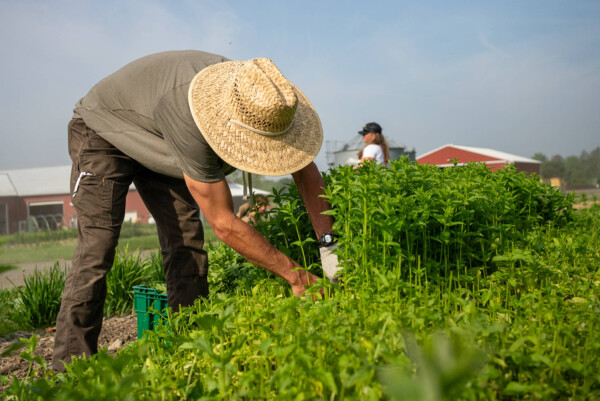
The program begins with the earth itself. Trainees study the biological, chemical, and physical properties of soil health, learning how regenerative practices actively sequester atmospheric carbon, retain vital moisture, and foster a complex underground web of microorganisms. Classroom theory is immediately paired with intensive outdoor labor. Students learn to handle heavy agricultural equipment, build and turn massive compost rows, and design crop rotations that naturally suppress weeds and deter pests without synthetic inputs.
Phase Two: Cultivation, Care, and Crop Management (Weeks 13–24)
As spring transitions into the height of summer, the workload expands exponentially. Trainees experience firsthand the realities of managing a farmer’s daily schedule, balancing fieldwork, irrigation management, greenhouse propagation, and livestock or crop surveillance. This phase emphasizes problem-solving under pressure. Students learn to diagnose plant pathologies organically, implement season-extension techniques using high tunnels, and practice diversified vegetable production strategies that maximize biodiversity per acre.
Phase Three: Market, Mentorship, and Capitalization (Weeks 25–35)
The final months of the RIFT program shift focus from production to commerce and administrative mastery. Trainees operate a weekly farm stand directly for Rodale Institute staff, gaining invaluable, real-time experience in grading produce, pricing strategies, customer service, and inventory management.
Concurrently, students focus on their capstone projects: drafting comprehensive, bank-ready farm business plans. These documents serve as operational blueprints that graduates can utilize immediately to secure agricultural land, apply for municipal and federal grants, pitch to investors, and navigate the rigorous paperwork required for official organic certification.
Portraits of Purpose: Meet the 2025 RIFT Cohort
The true measure of any educational initiative is found in the aspirations of its students. The 2025 RIFT participants bring unique professional backgrounds, personal philosophies, and localized visions to the institute’s fields.
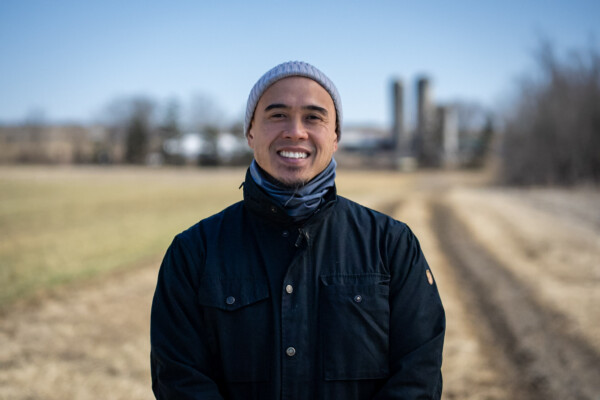
Shawn Cabalsi: The Ethical Technologist Turned Community Educator
At 43, Shawn Cabalsi walked away from a successful technology career in Pennsylvania to seek a more authentic, morally grounded existence. Inspired by the writings of agricultural philosophers Wendell Berry, E. F. Schumacher, and Masanobu Fukuoka, Cabalsi developed a critical view of industrial food systems and environmental degradation.
Cabalsi has already co-founded an 11-acre nonprofit 501(c)(3) organic farm in Macungie, Pennsylvania, dedicated to providing fresh produce to food-insecure families. Through RIFT, he is mastering organic certification and regenerative methods. Furthermore, he is leveraging a new partnership between Rodale Institute and Northampton Community College to apply his coursework toward a Master of Arts in Regenerative Design through Prescott College. His long-term goal is to transform his nonprofit farm into an educational hub that reconnects local community members with nature and teaches them how to grow their own food.
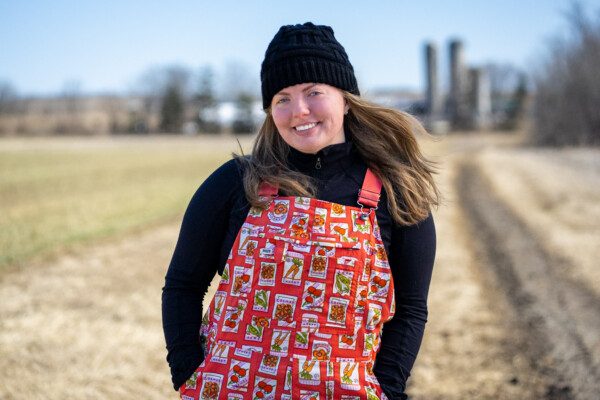
With a multi-generational family flower shop anchoring her roots in Allentown, Pennsylvania, Delaney Gemmel initially pursued a traditional business degree at Lehigh University. International travels through Ecuador, Spain, and Malawi exposed her to diverse global food systems, sparking an unexpected passion for sustainable agriculture and outdoor labor.
Gemmel’s vision bridges past and present: she aims to launch a small-scale, regenerative flower farm. Her enterprise will supply fresh, sustainably grown blooms directly to her grandparents’ historic flower shop while establishing a distinct direct-to-consumer market. Beyond her own land, Gemmel intends to use her formal business training to consult with other small-scale farmers on marketing, distribution, and financial sustainability.
Payton Wilks: The Systems Thinker Fighting Climate Change
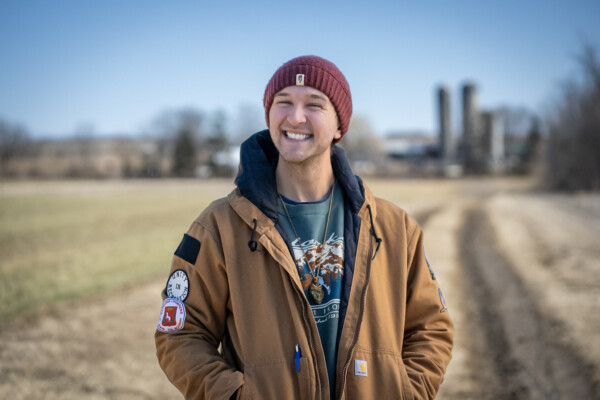
Raised in a Dayton suburb surrounded by conventional, chemical-laden cornfields in Tipp City, Ohio, Payton Wilks studied acting, anthropology, and French at Ohio University before traveling abroad to teach English in France. Upon returning to the United States and earning a project management certification, Wilks evaluated his career options through the lens of planetary impact.
Convinced that climate change is humanity’s most pressing crisis, Wilks bypassed conventional renewable energy sectors in favor of regenerative agriculture. He recognized that soil is one of our most powerful carbon sinks. Following his RIFT training, Wilks plans to manage diversified vegetable operations in the Midwest or Pennsylvania, eventually aiming to establish his own independent farm and apply regenerative principles at scale.
Isidra Garcia: Documenting Earth’s Restoration
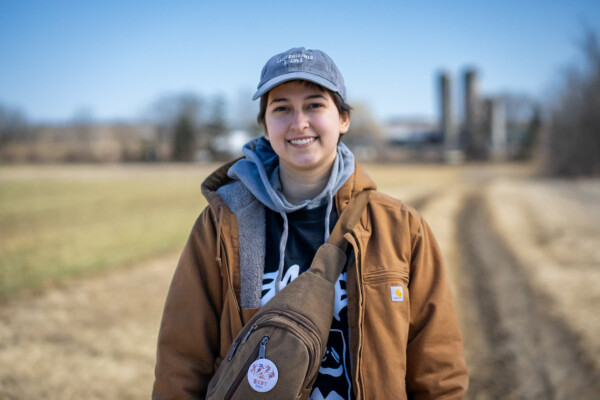
While studying video editing at Kutztown University—located mere miles from Rodale Institute’s main campus—Isidra Garcia completed a communications internship at the institute in 2024. Immersed in documentary projects exploring fast fashion and hemp textiles, Garcia discovered a profound affinity for agricultural ecology.
Garcia’s multifaceted vision combines land stewardship with media production. She plans to acquire a small plot of land to actively restore degraded soils while cultivating the raw ingredients for a specialty line of farm-fresh pico de gallo products. Simultaneously, she will leverage her video production skills to create digital educational content, helping consumers understand the direct environmental impacts of their daily food purchasing decisions.
Samantha Cooper: Healing Land and Self
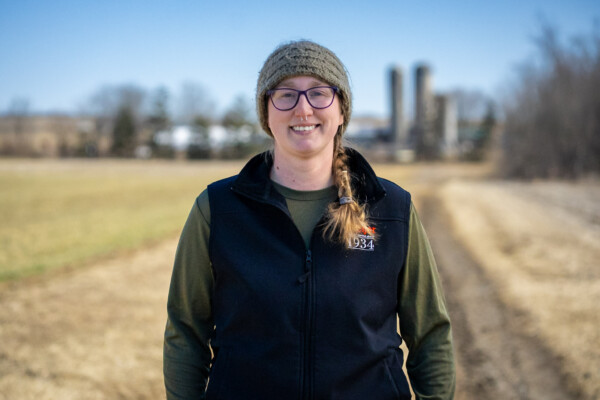
Former senior retail manager Samantha Cooper, originally from Central Indiana, witnessed acute vulnerabilities in the national food supply chain during the COVID-19 pandemic alongside her partner, Garrett Tidler (a 2024 RIFT graduate and current 22-month fellow). Motivated to secure a healthy, self-reliant future, Cooper left her corporate career to work hands-on at the St. Luke’s–Rodale Institute Organic Farm in Easton, Pennsylvania.
Three and a half years sober from alcohol, Cooper views regenerative farming as an act of profound personal and ecological healing. Her capstone farm plan focuses on cultivating medicinal herbs—such as borage, calendula, and edible marigolds—to formulate organic teas and tinctures.
"It’s healing for me to grow the product, use it, and benefit from it—and then use what I’ve grown and what I’ve learned to educate other people." — Samantha Cooper, RIFT Trainee
The couple intends to return to Indiana to inject new life into an agricultural landscape dominated by heavily sprayed, industrial field corn and soy, proving that a thriving organic movement can take root in the American heartland.
Kade Eckert: Closing the Loop on Ecosystems
A native of Washington state, Kade Eckert brings a dynamic entrepreneurial spirit rooted in professional culinary arts, microgreens production, and urban agricultural education. After operating a community farm in Seattle and working within a major composting facility in Sweden, Eckert dedicated his career to repairing degraded ecosystems.
Eckert’s upcoming project involves acquiring a degraded parcel of land in Washington and executing a total ecological restoration using composted organic waste sourced from local schools, hospitals, and municipal entities. By pairing a native plant nursery with educational farm-to-table dining experiences, Eckert plans to demonstrate that ecological restoration can be economically viable, self-sustaining, and community-driven.
Supporting Context & Metrics: The Economics of RIFT
Transitioning into agriculture is notoriously capital-intensive and risky for uninitiated individuals. Recognizing these barriers, the Rodale Institute has engineered a financial and educational support structure that sets RIFT apart from traditional vocational programs.
Stipend and Housing: Trainees receive a weekly stipend of $600 paired with free housing for the duration of the 35-week program, alleviating the immediate financial precarity that often deters career changers.
Academic Integration: Through a strategic partnership with Northampton Community College, RIFT participants can earn accredited college credits for their coursework, which can be applied toward advanced degrees.
Alumni Network Impact: Since its inception in 2011, the program has graduated more than 100 individuals who now operate farms, manage agricultural nonprofits, and lead educational initiatives across the nation.
Lifelong Resources: Graduates retain ongoing access to Rodale Institute’s proprietary online coursework, technical advisement, and a robust professional network of peer agriculturalists.
Official Statements
The philosophy underpinning the RIFT program centers on resilience, teamwork, and an openness to mentorship. Justin Barclay, Global Education Operations Manager at Rodale Institute, outlines the core criteria for admission and success within the institute’s rigorous framework:
"Organic-focused education for 35 consecutive weeks is not common in other farmer-training programs. Successful participants have the goal of starting an agricultural business, can work in a team environment, and are willing to be coached." — Justin Barclay, Global Education Operations Manager
Barclay emphasizes that the program’s ultimate objective is not merely to teach gardening, but to spawn viable, independent commercial enterprises capable of scaling regenerative agriculture across diverse regional economies.
Future Outlook
As the 2025 RIFT cohort moves toward the completion of their capstone projects and prepares to scatter across the United States, their collective impact extends far beyond individual crop yields. They represent a paradigm shift in how agricultural knowledge is acquired, valued, and deployed.
By marrying modern business acumen, academic rigor, and ecological science with time-tested organic methods, these trainees are poised to revitalize local food systems, restore carbon-depleted soils, and fortify communities against future supply chain shocks. The work happening in the fields of the Rodale Institute is more than vocational training; it is the deliberate construction of a healthier, more resilient agricultural future.
For more information on the Rodale Institute Farmer Training program or to read the complete 2025 Rodale Institute Journal, visit the Rodale Institute Education Portal.