Marking its milestone 20th anniversary, the Biodiversity Heritage Library (BHL)—the world’s largest open-access digital archive for biodiversity literature—serves as both a celebration of scientific discovery and a sobering repository of ecological loss. Across its collection of more than 64 million pages, the BHL preserves the foundational literature of life on Earth, containing the original scientific descriptions, exquisite illustrations, and field notes that formally introduced thousands of species to the global scientific community.
For Australia, a continent isolated for millions of years and characterized by an extraordinary array of endemic marsupials and monotremes, these historical texts carry a profound emotional and scientific weight. European colonization, beginning in 1788, triggered an ecological transformation defined by habitat destruction and the introduction of predatory placental mammals. Consequently, Australia now bears the highest rate of mammal extinctions globally.
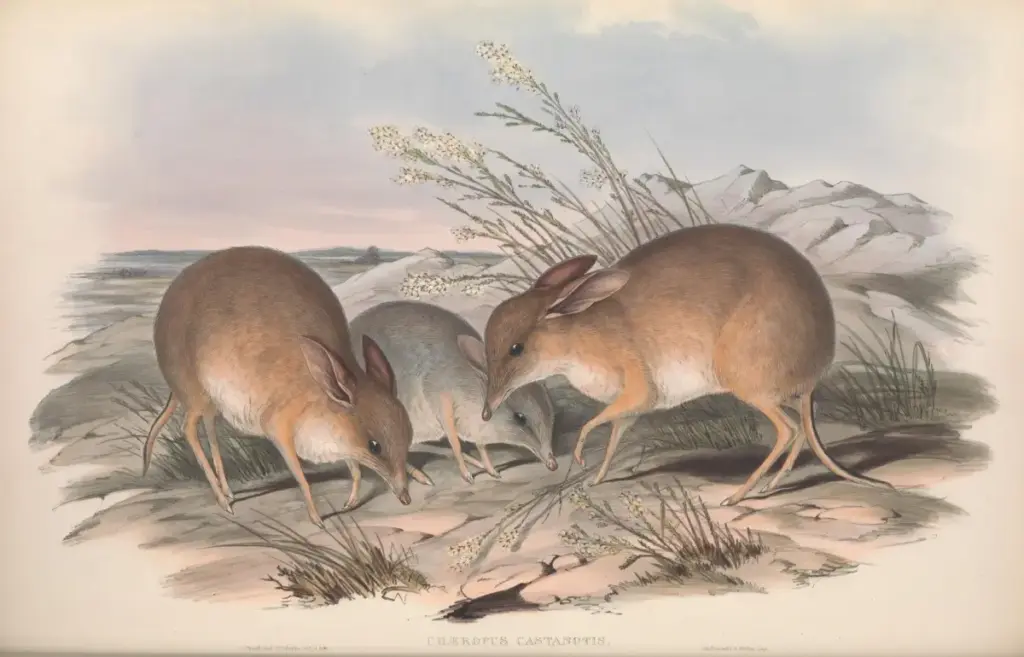
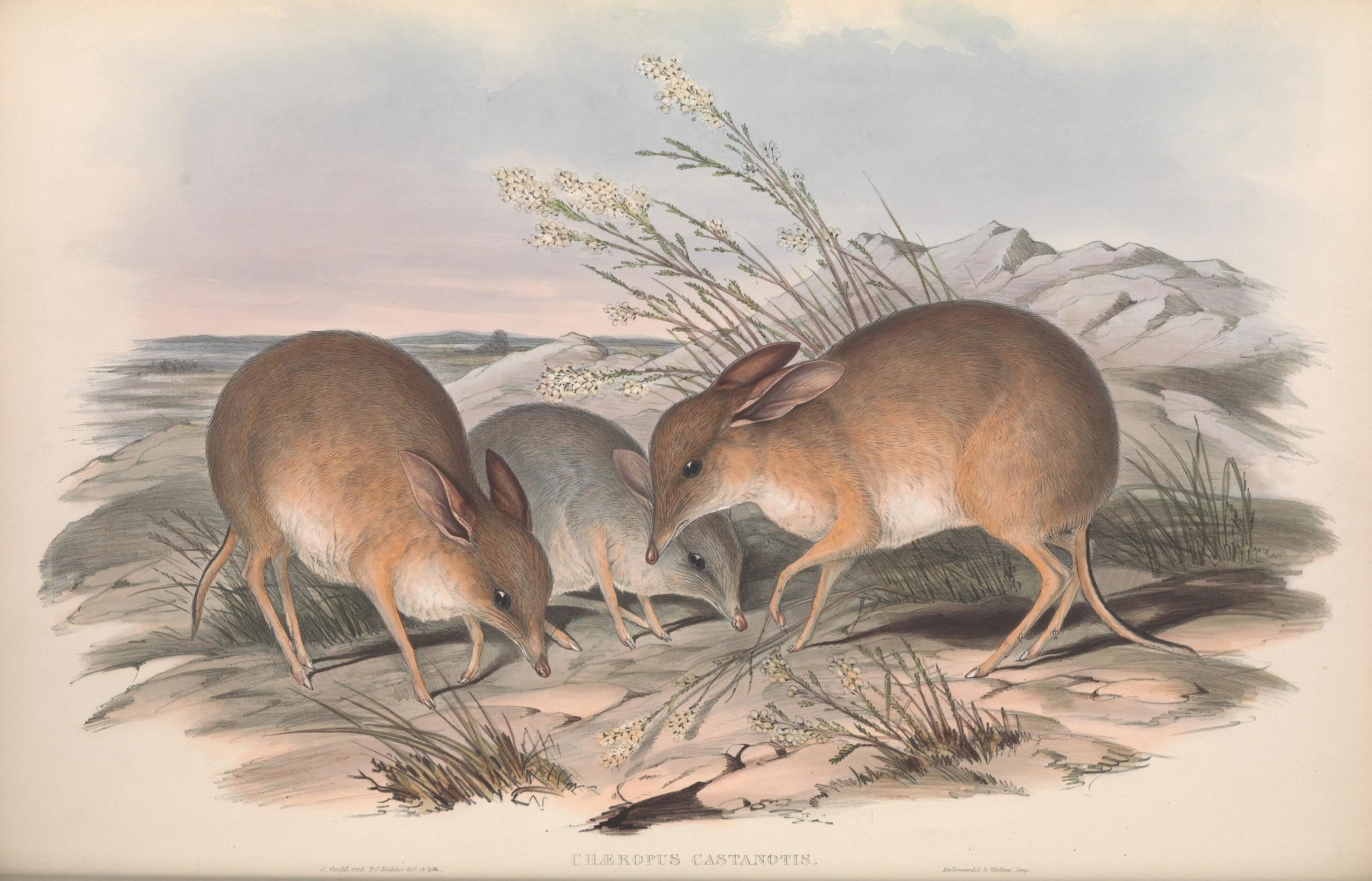
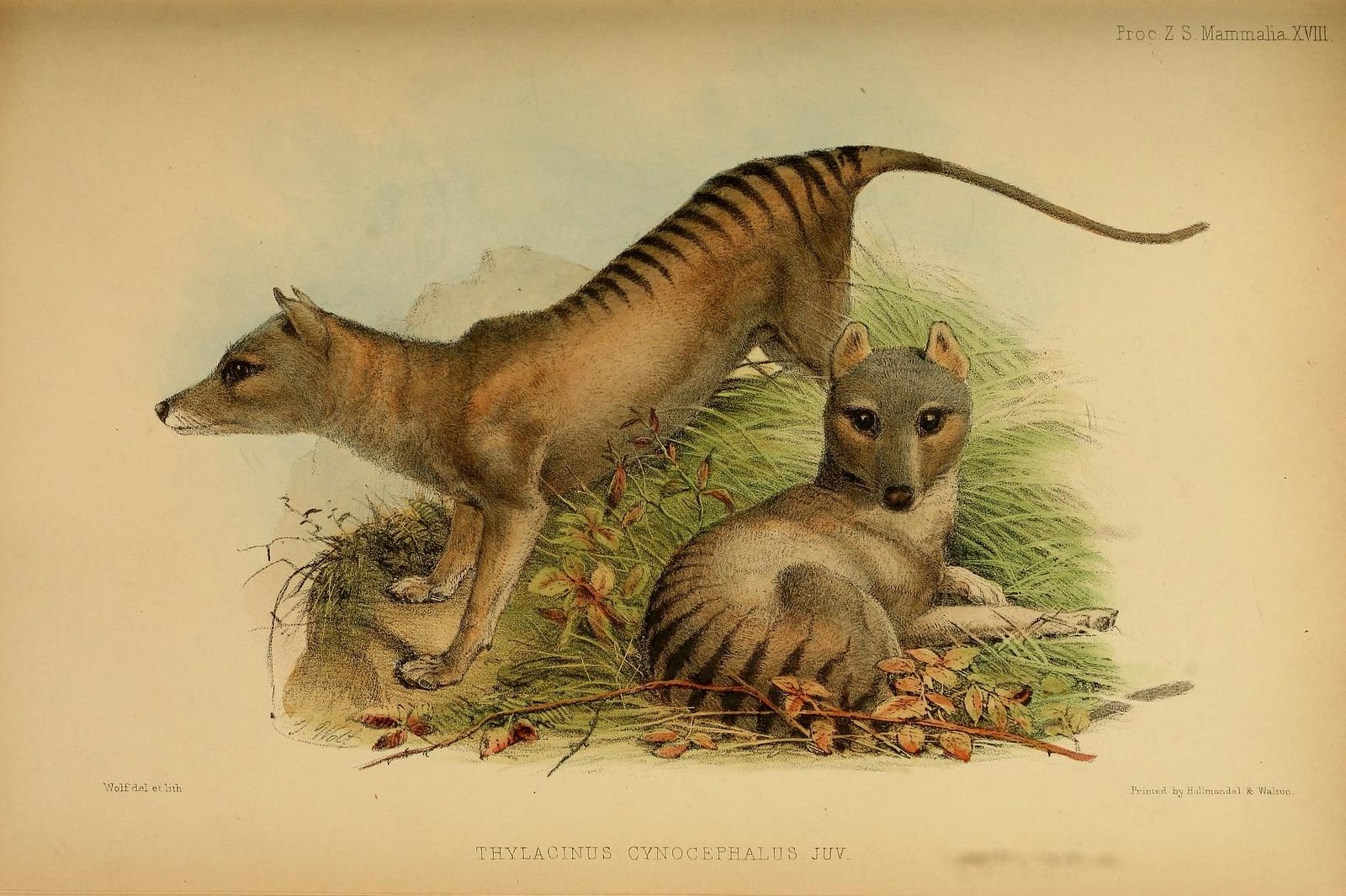
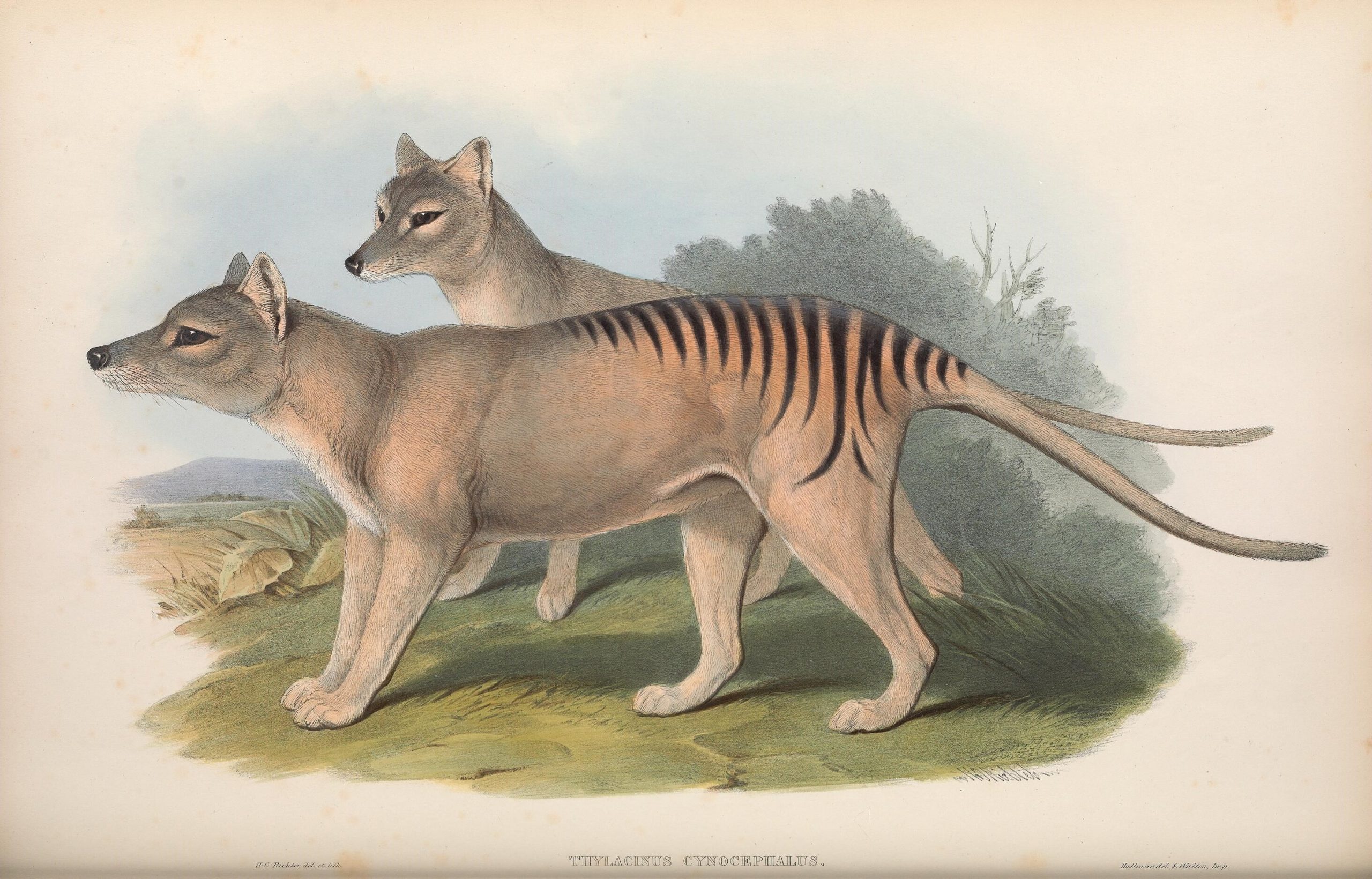
Observing National Threatened Species Day—which coincides with the 90th anniversary of the death of the last known thylacine (Tasmanian tiger)—the BHL offers a poignant lens through which to view humanity’s impact on nature. From the haunting, historical illustrations of extinct marvels like the Pig-footed Bandicoot to the miraculous rediscovery of the Leadbeater’s possum, the library’s archives document the fleeting window between a species’ scientific debut and its potential disappearance. As the BHL reflects on two decades of digital preservation, its vast archives underscore an urgent modern mandate: using the lessons of historical literature to protect what remains of global biodiversity.
Detailed Chronology: A Timeline of Discovery, Warnings, and Extinction
The intersection of European natural history and Australian wildlife can be mapped through a critical timeline of publication, ecological alteration, and terminal decline captured within the BHL’s digital stacks.
1788: British colonization of Australia begins, initiating a wave of environmental disruption and introducing foreign predators—such as red foxes and feral cats—that devastate naive endemic fauna.
1799: Renowned English naturalist George Shaw publishes the first formal scientific description of the platypus (Ornithorhynchus anatinus). In his landmark text, Shaw remarks that of all known mammals, it is "the most extraordinary," capturing the astonishment of European naturalists attempting to reconcile Australia’s bizarre fauna with existing taxonomic frameworks.
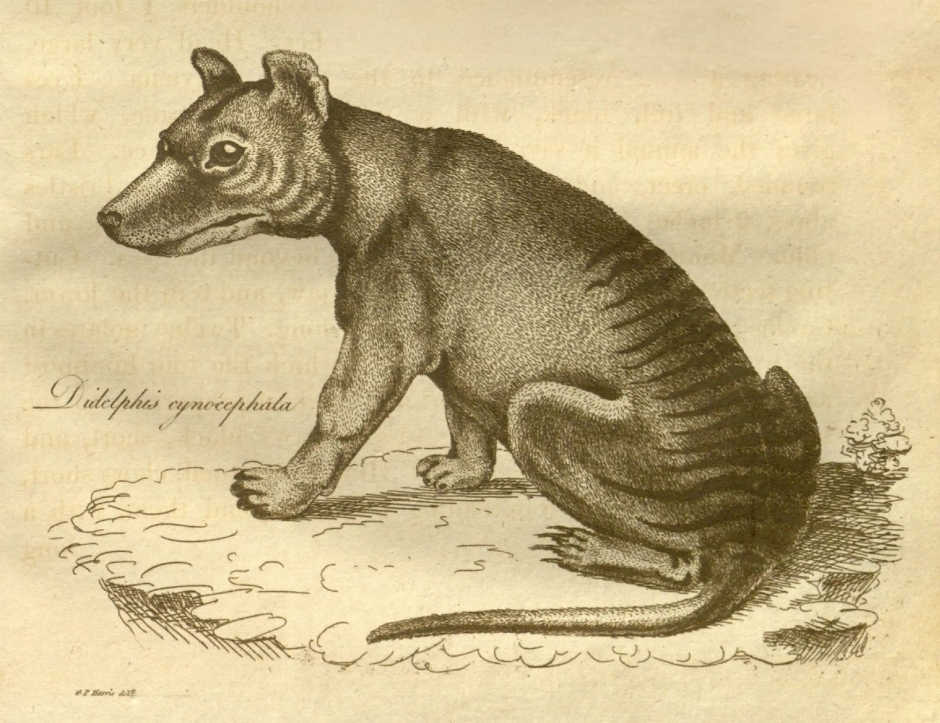
1808: George Prideaux Robert Harris publishes the first formal scientific description and illustration of the thylacine in the Transactions of the Linnean Society of London. He names the animal Didelphis cynocephala (the "dog-headed opossum") and characterizes its appearance as "savage and malicious," language that anchors decades of public antipathy.
1830s–1870s: Colonial naturalists, including Ronald Campbell Gunn and Johan Ludwig Gerhard Krefft, document the thylacine’s predation on introduced sheep flocks. Despite these hostile descriptions, early warnings emerge. In 1850 and 1861, artist Joseph Wolf and zoologist Philip Lutley Sclater publish observations of captive thylacines in London, noting that relentless farmer persecution will inevitably drive the species to extinction.
1863: John Gould publishes The Mammals of Australia, featuring striking illustrations by Henry Constantine Richter. Gould issues a chilling prophecy, predicting that as Tasmania’s population grows and forests are cleared, the thylacine will become "an animal of the past," mirroring the fate of the wolf in Britain.
1867: Frederick McCoy, Director of the National Museum of Victoria, formally describes the Leadbeater’s possum (Gymnobelideus leadbeateri) as a new species and genus, naming it after the museum’s first taxidermist, John Leadbeater.
Early 20th Century: Following decades of intensive government- and privately-funded bounty hunting, trapping, and habitat fragmentation, the thylacine population collapses.
September 7, 1936: Just two months after the Tasmanian government grants the species legal protection, the last known captive thylacine dies at the Beaumaris Zoo in Hobart, marking functional extinction for the species. (This date is later commemorated as Australia’s National Threatened Species Day).
Mid-20th Century: Following decades with no confirmed sightings, the Leadbeater’s possum is officially presumed extinct.
1961: In a stunning reversal, a small, resilient colony of Leadbeater’s possums is rediscovered near Marysville, Victoria, sparking renewed conservation attention and legal protections.
2006–Present: The Biodiversity Heritage Library is established and expands globally, digitizing foundational texts from institutions like BHL Australia and Museums Victoria, making historical records of extinct and endangered species freely accessible to researchers and the public worldwide.
Supporting Context & Metrics: The Scale of the Digital Archive
The preservation work carried out by the Biodiversity Heritage Library and its regional nodes—such as BHL Australia—relies on international institutional collaboration and advanced digital infrastructure.
The BHL by the Numbers:
20 Years: Two decades of continuous operation as the preeminent global clearinghouse for biodiversity literature.
64+ Million Pages: The massive volume of digitized scientific text, field journals, monographs, and illustrations hosted openly on the platform.
Global Network: Dozens of partner institutions—including the Smithsonian Libraries and Archives, Missouri Botanical Garden, Harvard University, and Museums Victoria—contribute rare texts from their physical collections.
High Extinction Rates: According to ecological assessments highlighted by BHL contributors, Australia maintains the highest rate of mammal extinctions in the world, driven heavily by an intersecting history of introduced placental predators and widespread habitat modification.
The literature preserved within the BHL serves functions far beyond mere historical curiosity. While museum specimens provide vital genetic, skeletal, and anatomical data, historical monographs and field journals capture dynamic ecological metrics that cannot be recovered from bones alone. These texts record behavior, relative population abundance, historical distribution ranges, micro-habitats, interspecies dynamics, and the evolving human perceptions of wildlife over centuries.
Official Perspectives: Reflections from the Front Lines of Conservation and Digitization
The ongoing mission of the BHL is deeply personal for the scientists, curators, and communicators who manage its vast collections. Reflections from BHL leadership underscore the delicate balance between celebrating historic literature and confronting the harsh realities of modern conservation.
"Coordinating this celebration of treasures chosen by our BHL community has been one of the most rewarding projects in my time as BHL’s Communications Director… My favorite treasures in BHL are the very first scientific descriptions of new species. I like to think of these descriptions as a species’ international debut in the literature."
— BHL Communications Director
Reflecting on the unique position of Australian biodiversity within these historical volumes, the Manager of BHL Australia and staff member at Museums Victoria—an institution whose historical library was built on lavish nineteenth-century acquisitions by visionary directors like Frederick McCoy—emphasize the dual nature of the archive:
"While museum specimens may continue to reveal information about the anatomy, genetics and diet of extinct species, the literature preserves precious details from observations of living animals: their behavior, abundance, habitats, interactions, and how they were understood and perceived over time… It is our hope that by making this historic literature accessible and discoverable, we may learn from the past, and help prevent more species from becoming records of what has been lost."
— Manager, BHL Australia / Museums Victoria Contributor
These statements encapsulate the core philosophy of the BHL: that open-access digital literature is not merely a monument to historical science, but an active toolkit for contemporary ecological stewardship.
Future Outlook: Learning from the Past to Protect the Future
As the Biodiversity Heritage Library enters its third decade, the challenges facing global biodiversity have never been more acute. Climate change, accelerated habitat fragmentation, and invasive species continue to exert unprecedented pressures on vulnerable ecosystems worldwide. In Australia, species that narrowly escaped oblivion—such as the Critically Endangered Leadbeater’s possum—continue to face existential threats from severe bushfires, industrial logging, and feral predators.
Yet, the digital democratization of knowledge offers a powerful counterweight. By unlocking millions of pages of rare literature, field observations, and historical warnings—such as those penned by John Gould and Philip Lutley Sclater regarding the thylacine—the BHL ensures that modern conservationists, policymakers, and researchers do not have to reinvent the wheel when studying historical baselines and ecosystem decline.
The lessons of the BHL’s 20th anniversary are clear: history bears witness to both human shortsightedness and human resilience. While the thylacine stands as an eternal monument to the irrevocable cost of ecological neglect, the fairy possum demonstrates that vigilance, scientific inquiry, and dedicated conservation can sometimes secure a second chance. Over the next twenty years, the BHL aims to harness its expanding digital repository not simply to catalog the ghosts of what has vanished, but to provide the foundational insights required to safeguard the living tapestry of Earth.