Executive Overview
Providing supplemental nutrition through well-stocked bird feeders remains one of the most rewarding ways to connect with local wildlife. A steady supply of high-energy food not only helps backyard species survive periods of natural scarcity, but it also transforms your outdoor space into a familiar, welcoming sanctuary. When gardeners consistently top up their feeders, avian visitors quickly learn that the garden is a dependable, high-yield foraging ground, ensuring regular, delightful returns.
However, the nature of garden bird feeding is undergoing a critical paradigm shift. Recent scientific findings—undertaken in close collaboration with the British Trust for Ornithology (BTO), the Institute of Zoology, and the Royal Society for the Protection of Birds (RSPB)—have illuminated significant risks associated with how and when we feed our feathered neighbors. Pathogens like Trichomonas gallinae, the microscopic parasite responsible for trichomonosis, spread with alarming ease during the warmer summer and autumn months, particularly on flat, communal surfaces such as traditional bird tables and shared baths.
In response, conservation authorities have updated their core guidelines, emphasizing two foundational pillars: Feed Seasonally and Feed Safely. Protecting our garden birds now requires more than just hanging a container of seed; it demands rigorous hygiene standards, structural innovations in feeder design, and an acute awareness of regional avian health threats. This comprehensive guide explores the evolving landscape of bird feeding, reviews the market’s top-performing and hygienic feeders for 2026, and provides expert guidance on how to choose and position your equipment to safeguard local biodiversity.

Detailed Chronology: The Evolution of Modern Bird Feeding and Disease Awareness
The relationship between suburban gardens and wild bird populations has evolved dramatically over the past several decades. What began as a sporadic winter charity—tossing crusts of bread onto a lawn or hanging a lump of lard from a branch—has transformed into a sophisticated science backed by ornithological research and specialized manufacturing.
1. The Winter Survival Era (Late 20th Century)
Historically, artificial feeding was viewed strictly through the lens of winter survival. During freezing months, natural food sources like insects, seeds, and berries dwindled, making garden feeders a vital lifeline for small passerines. During this era, wooden bird tables dominated backyards. While charming, these flat structures invited multiple species to congregate, trample, and defecate directly on the feeding surface.
2. The Rise of Tubular Feeders and Specialist Foods
As ornithologists gained a clearer understanding of avian nutritional needs, the market shifted. The introduction of hanging tubular seed feeders, suet block cages, and specialized mixes—such as flaked maize, mealworms, and high-energy sunflower hearts—allowed gardeners to cater to specific species like goldfinches, tits, and robins while minimizing waste.

3. The Pathogen Awakening and Modern Conservation Protocols
The turning point for contemporary bird feeding arrived with epidemiological studies tracking the decline of common British garden birds, notably the greenfinch and chaffinch. Researchers discovered that certain diseases were not naturally occurring population cycles, but rather man-made amplification events tied directly to unhygienic feeding stations.
Landmark studies conducted by the RSPB, BTO, and the Institute of Zoology confirmed that trichomonosis—a parasitic disease causing lesions in the upper digestive tract of birds—thrives in warm weather and spreads rapidly via contaminated food and flat surfaces. This revelation dismantled the "feed all year round, any old way" mindset. Conservation bodies established a modernized protocol: feeding must adapt to ecological pressures, shifting dynamically across seasons and prioritizing ultra-clean, easy-to-disassemble hardware that prevents the pooling of moisture and disease transmission.
Supporting Context & Metrics: The Science of Safe and Seasonal Feeding
Understanding why feeding guidelines have changed requires a closer look at the biological and environmental factors influencing garden bird health.

The Seasonal Threat Profile
Avian vulnerability fluctuates throughout the annual cycle. While winter feeding remains a relatively low-risk activity due to colder temperatures inhibiting bacterial and parasitic proliferation, summer and autumn present a high-risk matrix:
- Warmer Temperatures: Elevated ambient heat accelerates the decomposition of moist foods like suet, damp seeds, and kitchen scraps, turning them into breeding grounds for harmful molds and bacteria.
- Breeding Season Stress: Adult birds are under immense physiological stress gathering food for nestlings, making them more susceptible to infections. Furthermore, fledglings visiting feeders for the first time have immature immune systems.
- Social Congregation: Communal feeding stations act as clearinghouses for pathogens. A single infected bird visiting a busy, uncleaned feeder can shed enough parasites to sicken dozens of subsequent visitors.
Nutritional Variety and Attractiveness Metrics
To maximize biodiversity while maintaining safety, supplying a varied menu is essential. Different species occupy different ecological niches:
- Sunflower Hearts & Nyjer Seed: Exceptional for finches and tits, providing high-lipid content necessary for metabolic maintenance.
- Mealworms & Flaked Maize: Vital protein sources during the breeding season when insectivorous birds like robins and blackbirds are feeding young.
- Specialist Bird Cakes & Suet: Deliver concentrated energy bursts with minimal waste when properly housed in mesh cages.
Official Statements: The RSPB Guidance Framework
The RSPB’s updated directive boils down to two non-negotiable rules for modern bird enthusiasts:

"Feed Safely. Feed Seasonally."
- Feed Seasonally: Gardeners must adjust their feeding habits in alignment with natural resource availability and disease risks. During summer and autumn, high-risk foods should be tapered off, and feeding volumes reduced to encourage birds to utilize natural foraging sources while minimizing crowded gathering spots.
- Feed Safely: Hygiene is paramount. As the RSPB notes, just one infected bird can turn a bustling garden hub into a disease hotspot. Regular scrubbing with avian-safe disinfectants, daily removal of spoiled food, and investing in modern, easy-clean feeders are mandatory practices for responsible wildlife custodians.
The Best Bird Feeders for 2026: Expert Product Reviews
To help you maintain the highest standards of hygiene and safety, we have evaluated the top bird feeders on the market. These selections prioritize durability, ease of cleaning, eco-friendly materials, and pest management.
1. Peckish 100% Recycled Woodland Feast Multi Feeder
- Available from: Amazon
- Price: £29.99
[Design: Multi-feed hybrid] [Capacity: 500g seed + 2 suet cakes] [Material: Recycled cartons & sustainable wood]Part of an innovative eco-conscious collection, this multi-feeder is constructed using sustainably sourced wood alongside a slate-effect roof and sturdy suet mesh crafted from approximately 125 recycled food and drink cartons. It holds roughly 500g of seed and accommodates two suet cakes simultaneously. Its thoughtful engineering makes it remarkably easy to take apart for sanitization, and it arrives in entirely plastic-free packaging, making it an exceptional choice for the environmentally minded conservationist.

2. Eco-Blu Bird Feeder
- Available from: The Wildlife Community
- Price: £17.99
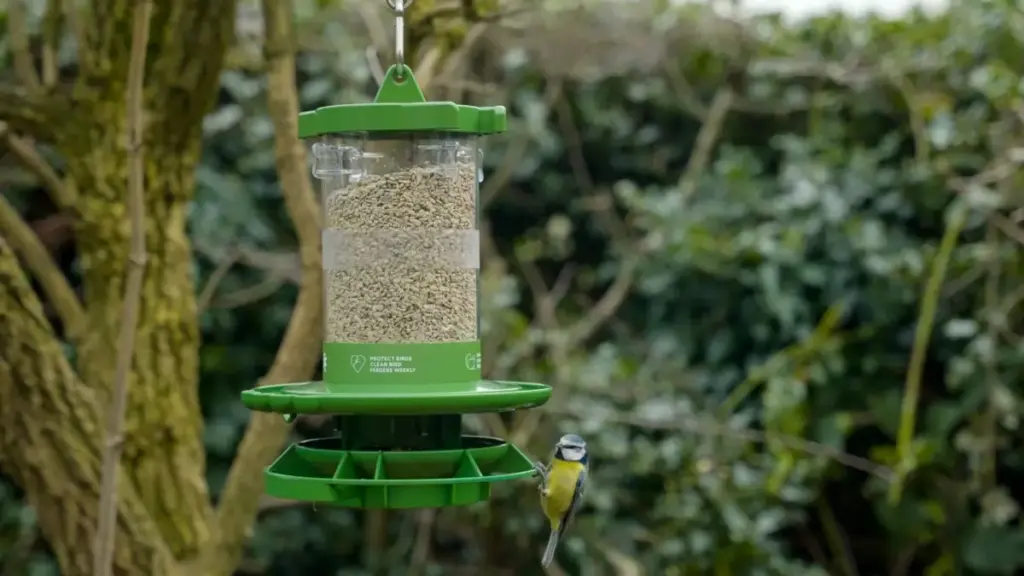
[Design: Lantern style] [Material: Recycled ocean plastic] [Target Foods: Sunflower hearts, seeds, kibbled nuts]Fabricated from recycled ocean plastics infused with antimicrobial properties that protect against harmful bacteria, fungi, and microbes, the Eco-Blu is a triumph of sustainable design. Its lantern-style body features a transparent hopper, allowing you to monitor food levels at a glance. A simple locking mechanism permits rapid disassembly for deep cleaning. It is ideally suited for sunflower hearts, standard seeds, and kibbled nuts.
3. Finches Friend Cleaner Feeder 1
- Available from: Finches Friend
- Price: £44.99
[Design: High-capacity disease-prevention feeder] [Capacity: 1.79 liters] [Material: Fully recyclable, robust polymer]Specifically engineered to combat the spread of avian diseases like trichomonosis—which has devastated chaffinch and greenfinch populations—this premium feeder is a masterclass in hygiene. It is robust, fully recyclable, and exceptionally easy to dismantle. Holding an impressive 1.79 liters of feed (significantly more than standard commercial models), its internal architecture ensures that food remains strictly clean, dry, and protected from environmental moisture.
4. Roamwild Pest Off Squirrel Proof Bird Feeder
- Available from: Roamwild
- Price: £32.99
[Design: Weight-activated pest-exclusion] [Capacity: 1.5 liters] [Special Feature: Built-in rain guard]Gray squirrels and larger corvids can quickly overwhelm a garden feeding station, consuming expensive seed and damaging equipment. The Roamwild Pest Off solves this with a clever weight-activated mechanism: when a heavy pest lands on the perch, the feeding ports automatically lower and lock shut. Once the animal departs, the ports spring back. With a 1.5-liter capacity and a built-in rain guard that prevents seeds from clogging or dampening, this is a durable, frustration-free investment.

5. Ch-Eco Recycled Bird Feeder
- Available from: Welland Valley Feeds
- Price: £6.95
[Design: Compact, colourful hopper] [Material: Recycled plastics & upcycled chewing gum] [Bonus: Includes bird food bag]Crafted in the UK in six vibrant, cheerful colorways, these budget-friendly feeders are manufactured from an ingenious blend of recycled plastics and upcycled chewing gum. Entirely recyclable at the end of its lifecycle, each unit even ships with a complimentary starter bag of bird food, making it an accessible entry point for novice gardeners.
6. RSPB Suet Feeder and Guardian
- Available from: RSPB
- Price: £28.00
[Design: Caged suet ball feeder] [Dimensions: 30cm tall x 24cm wide] [Capacity: Up to 10 suet balls]For gardens plagued by larger birds and squirrels attempting to dominate suet supplies, this caged feeder is an essential addition. Measuring 30cm in height and 24cm in width, its robust outer guardian permits entry exclusively to nimble, smaller garden birds (such as blue tits and long-tailed tits) while housing up to 10 suet balls securely in the center.
7. Cleaner Peanut Feeder
- Available from: Finches Friend
- Price: £34.95
[Design: Sealed, dry-storage peanut hopper] [Material: UV-stabilised polycarbonate] [Safety Note: Requires Aflatoxin-tested nuts]Another stellar contribution from the hygiene-focused engineers at Finches Friend, this peanut feeder utilizes a covered, sealed container to keep nuts completely dry. Unlike traditional mesh feeders where peanuts can jam in the center and rot, this design actively guides nuts toward the feeding zones. The removable hopper is crafted from UV-stabilised polycarbonate that resists solar degradation. Note: Always ensure you use Aflatoxin-tested peanuts to protect visiting wildlife.

8. RSPB Ultimate Easy-Clean Seed Feeder
- Available from: RSPB
- Price: £13.00
[Design: Classic tubular seed feeder] [Material: Zinc alloy & polycarbonate tube] [Capacity: Up to 1.5 liters (Largest size)]Combining a durable zinc alloy cap and base with a crystal-clear polycarbonate tube guaranteed by the RSPB not to crack or discolour in direct sunlight, this is a reliable workhorse for any garden. Available in three sizes—with the largest accommodating 1.5 liters of seed—it offers exceptional value, longevity, and ease of maintenance.
How to Choose a Bird Feeder
Selecting the right bird feeder requires balancing two primary variables: target avian species and garden geography.
The Three Main Feeder Categories
- Seed Feeders (Tubular Hoppers): Best for general seed mixes, sunflower hearts, and niger seed. Ideal for attracting finches, tits, and sparrows.
- Suet & Fat Feeders: Designed for cakes, balls, or pellets. Essential for providing high-caloric energy during cold snaps or the demanding breeding season.
- Open Table & Ground Feeders: Suited for ground-feeding species like robins, blackbirds, and dunnocks. Caution: These present higher disease risks in summer and must be rigorously monitored and cleaned daily.
Where to Put a Bird Feeder
Strategic placement is just as important as the hardware you choose. Your primary objective is to protect feeding birds from predators while keeping food accessible and uncontaminated.

- Predator Defense: Position feeders out of striking distance from domestic cats and grey squirrels. Aim for a quiet, sheltered spot away from low-hanging shrubs, dense fences, or tree branches that nimble predators can use as launching pads.
- Optimal Height: Hang feeders at eye level or slightly above (roughly 1.5 to 2 meters off the ground). This provides birds with a wide field of vision to spot danger while making it difficult for ground predators to ambush them.
- Weather Protection: Avoid areas prone to severe wind gusts that can swing and empty feeders, and keep them sheltered from driving rain to prevent seed clumping and mold growth.
By combining mindful seasonal feeding practices, strict hygiene routines, and modern, easy-clean equipment, you can ensure your garden remains a safe, thriving haven for local wildlife for years to come.
This Product Guide was last updated in August 2026. Prices and product availability are subject to change.