

Executive Overview
As the golden hues of autumn yield to the stark, biting frosts of winter, Britain’s gardeners face a familiar seasonal imperative: clearing away the detritus of the growing year and preparing outdoor spaces for dormancy. Traditionally viewed as a chore defined by bagging decaying foliage, cutting back exhausted perennials, and winterising garden infrastructure, this transitional period is undergoing a profound cultural and ecological shift. Today, forward-thinking horticulturalists are recognising autumn not merely as an endpoint, but as the prime strategic window to overhaul their domestic waste streams and supercharge their soil health for the seasons ahead.
At the vanguard of this domestic green revolution is advanced hot composting—a scientific approach to decomposition that turns household food waste and garden refuse into nutrient-dense, peat-free organic matter in a fraction of the time required by traditional cold heaps. To celebrate this seasonal transition and promote sustainable urban and suburban living, BBC Gardeners’ World Magazine has partnered with innovative waste-reduction pioneers HOTBIN to launch an exclusive, high-value giveaway. Two lucky horticultural enthusiasts will have the opportunity to secure premium composting bundles worth up to £313 each, completely transforming how they manage kitchen scraps and garden waste.
This report provides a comprehensive examination of the modern domestic composting landscape. We explore the biological science behind hot composting, analyse the engineering triumphs that earned HOTBIN its status as a BBC Gardeners’ World Magazine Best Buy, break down the specifics of the exclusive prize bundles on offer, and project the long-term environmental and horticultural benefits of integrating rapid waste-recycling systems into British households.
Detailed Chronology: The Evolution of Domestic Composting and the Rise of HOTBIN
To fully appreciate the significance of contemporary hot composting systems, one must understand the historical trajectory of organic waste management in the British domestic sphere. For generations, traditional cold composting was the default method for gardeners. These sprawling, uninsulated wooden pallets or plastic bins relied on ambient temperatures and mesophilic bacteria to break down garden waste.
However, cold composting is notoriously sluggish. Requiring anywhere from nine months to two years to yield usable humus, traditional heaps are subject to the whims of the British climate. During winter, microbial activity plummets, freezing the decomposition process entirely. Furthermore, traditional systems come with strict operational limitations: adding cooked food, meat, dairy, or diseased plant material is actively discouraged because these items attract vermin and pathogens without generating the high internal heat required to neutralise them.
The turning point in domestic composting technology arrived with the commercialisation of aerobic thermophilic composting—commonly known as "hot composting." By engineering vessels designed to retain metabolic heat generated by bacteria, manufacturers discovered they could accelerate the breakdown process exponentially.
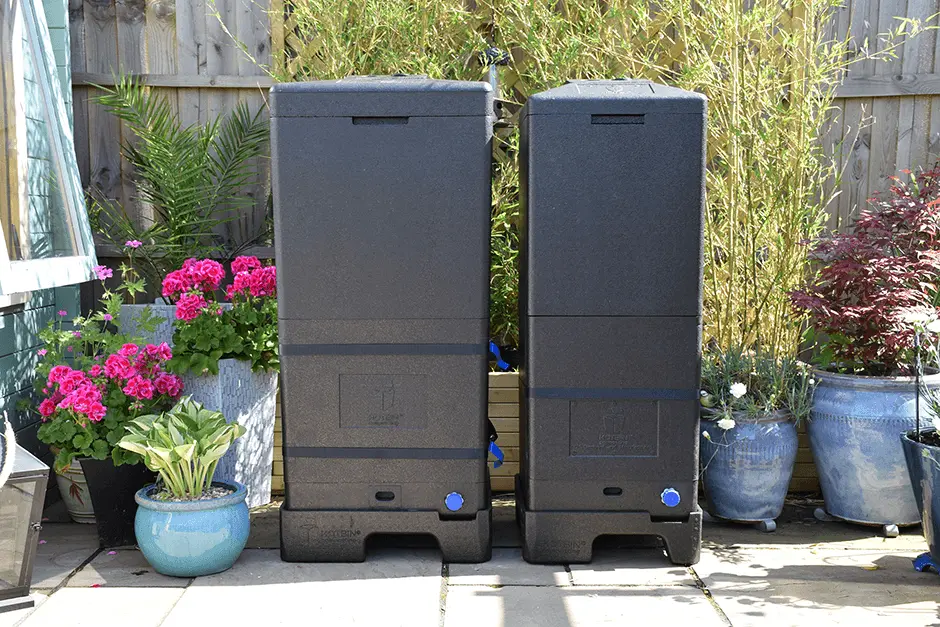
HOTBIN entered the market with a disruptive design philosophy: harness the thermodynamics of microbial activity within an engineered, highly insulated container made from expanded polypropylene (EPP). Over the past decade, this innovation transformed the company from a niche eco-startup into an award-winning industry standard.
The chronological milestones of HOTBIN’s ascent include:
- The Thermodynamic Breakthrough: The implementation of high-density EPP insulation, which allows internal temperatures to soar to between 40°C and 60°C.
- The Broadening of Input Parameters: Engineering the system to safely process difficult domestic wastes, including cooked leftovers, meat scraps, fish bones, and perennial weeds, thereby keeping organic waste out of municipal landfill streams.
- Critical Acclaim: Securing repeated endorsements from horticultural authorities, culminating in its recent designation as a BBC Gardeners’ World Magazine Best Buy—specifically recognised as the fastest composter tested and the premier choice for confined spaces.
- The 2026 Partnership Initiative: Launching the current high-profile giveaway with BBC Gardeners’ World Magazine, offering UK residents the chance to win the HOTBIN Mini and 200-litre Essentials Bundles ahead of the winter preparation window.
Supporting Context & Metrics: The Science of Speed and Sustainability
The superiority of hot composting over traditional cold heaps is rooted firmly in microbiology and thermodynamics. When organic material is balanced correctly with carbon-rich matter (such as shredded paper or wood chip) and nitrogen-rich matter (such as green garden waste and food scraps), aerobic bacteria multiply rapidly.
The Metrics of Efficiency
- Decomposition Speed: While traditional heaps take up to 24 months, a properly managed HOTBIN converts raw kitchen and garden waste into rich compost in as little as 30 to 90 days.
- Internal Operating Temperatures: Achieving sustained temperatures of 40°C to 60°C is critical. At these thermal thresholds, thermophilic bacteria thrive, accelerating tissue breakdown.
- Pathogen and Weed Destruction: Unlike cold heaps that can harbour weed seeds and plant pathogens (such as fungal spores), sustained internal heat in a HOTBIN effectively sterilises weed seeds and destroys disease-causing organisms.
- Volume Reduction: Due to the rapid breakdown of cellular structures and continuous biological activity, the contents shrink significantly, allowing users to continuously add waste to the top while harvesting finished compost from the bottom hatch.
Environmental Impact and Peat Eradication
Beyond the immediate convenience for the gardener, the broader ecological implications of hot composting are profound. In the United Kingdom, organic waste makes up a substantial portion of the average household bin. When food waste is sent to landfill, it decomposes anaerobically (without oxygen), producing methane—a potent greenhouse gas with a global warming potential significantly higher than carbon dioxide. By diverting cooked food scraps, vegetable peelings, and garden waste into an aerobic HOTBIN, households directly mitigate their carbon footprint.
Simultaneously, the resulting compost addresses another major environmental crisis: the depletion of peat bogs. Peatlands are critical carbon sinks and irreplaceable wildlife habitats. Commercial horticulture has long relied on peat-based composts, driving destructive extraction practices. Producing nutrient-dense, peat-free compost at home through rapid hot composting gives British gardeners a direct, high-performance alternative, closing the loop on domestic resource consumption without compromising on soil fertility.
Official Statements and Prize Details: What the Winners Will Receive
The collaboration between BBC Gardeners’ World Magazine and HOTBIN is designed to lower the barrier to entry for sustainable gardening, providing elite hardware to two fortunate participants.
The Prize Options
Winners are not subjected to a one-size-fits-all prize; instead, they can select the specific bundle that matches their household size and garden scale:
-
The HOTBIN Mini 100-litre Essentials Bundle (Valued at £243)
- Ideal for: Smaller households, urban courtyards, patios, and compact town gardens.
- Capacity: 100 litres of high-performance composting volume.
- Footprint: Space-efficient design without sacrificing thermophilic capability.
-
The HOTBIN 200-litre Essentials Bundle (Valued at £313)
- Ideal for: Larger families, avid gardeners, and properties with expansive lawns and abundant organic waste streams.
- Capacity: 200 litres of high-capacity volume to handle substantial kitchen and garden outputs.
Included Bundle Accessories
Every winning bundle is a complete, turnkey system designed for immediate deployment. Alongside the core HOTBIN unit, winners will receive:
- The HOTBIN Plinth: Engineered to elevate the composter off the ground. This elevation serves a dual purpose: it protects the base of the unit from ground moisture and facilitates the seamless collection of nutrient-rich liquid fertiliser (leachate/liquid feed) via the integrated drainage tap.
- The HOTBIN Garden Kneeler: Designed for ergonomic comfort, reducing physical strain during routine gardening tasks, harvesting finished compost, and maintaining outdoor spaces during the colder months.
Official Entry Criteria and Guidelines
To ensure fairness and compliance with regulatory standards, the competition is governed by strict parameters:
- Closing Date: All entries must be submitted correctly by 23:59 on 9 November 2026.
- Eligibility: Entrants must be UK residents aged 18 or over.
- Notification: Winners will be formally notified following the closing date, at which point delivery of the bespoke bundles will be arranged directly.
Future Outlook: The Future of Urban and Suburban Waste Management
As global climate policies tighten and municipal waste management costs continue to rise, the burden of sustainability is shifting increasingly toward individual households. The days of treating food waste as disposable refuse are rapidly drawing to a close, replaced by a circular economy mindset where kitchen scraps are viewed as valuable organic resources.
Innovations like the HOTBIN point toward a future where every home, regardless of garden size, can operate as a closed-loop ecosystem. The recognition of HOTBIN by esteemed horticultural authorities like BBC Gardeners’ World Magazine signals a broader mainstream acceptance of advanced composting technologies. No longer seen as an eccentric hobby for dedicated environmentalists, rapid hot composting is becoming an essential component of modern, sustainable property management.
Looking ahead, we can anticipate several key developments in domestic waste reduction:
- Integration with Smart Home Analytics: Future iterations of garden hardware may incorporate thermal and moisture sensors linked to smartphone applications, optimising the carbon-to-nitrogen balance for users in real time.
- Mandatory Municipal Food Scrap Diversion: As local authorities face stricter landfill diversion targets, public awareness campaigns will increasingly highlight backyard composting as the most carbon-efficient method of waste processing, bypassing the transport emissions associated with industrial collection trucks.
- The Rise of Peat-Free Horticulture: With government legislation progressively restricting the sale of peat to amateur gardeners, home-generated compost will become the premier gold standard for soil enrichment.
By entering competitions such as the HOTBIN and BBC Gardeners’ World Magazine giveaway, participants are not merely playing for high-value horticultural hardware; they are casting a vote for a more resilient, self-sufficient, and ecologically sound future. As winter approaches and gardens sleep, the silent, efficient chemistry of the hot composter continues beneath the frost—turning today’s waste into tomorrow’s harvest.



