

Executive Overview
In an era defined by fast-paced lifestyles, professional pressures, and the constant demand for convenience, ultra-processed foods (UPFs) have seamlessly woven themselves into the fabric of modern daily routines. From a quick frozen lunch between consecutive meetings to a packaged protein bar and sugary snack meant to stave off the mid-afternoon slump, industrialized food products are a staple for millions. However, a sweeping new study published in medical literature has raised critical alarms about the long-term biological cost of these dietary habits.
Analyzing data from more than 130,000 adult participants tracked over a median span of 11 years, researchers discovered a stark correlation between the heavy consumption of ultra-processed foods and the development of atherosclerosis—a dangerous cardiovascular condition characterized by the silent buildup of plaque inside the arteries. Most notably, individuals in the highest bracket of UPF consumption faced an estimated 40% increase in their risk of developing the condition compared to those who consumed the least.
While the study is observational and does not establish a direct, definitive cause-and-effect pathway, it provides some of the most robust metrics to date regarding how heavily manufactured diets affect arterial health. Furthermore, biochemical analyses of participants’ blood samples revealed a distinct "metabolic fingerprint" left by ultra-processed foods, offering early clues into how industrial food additives, altered matrices, and nutritional imbalances might disrupt fat metabolism, trigger systemic inflammation, and alter critical hormonal functions.
As public health officials grapple with rising rates of cardiovascular disease, these findings emphasize that the debate over ultra-processed foods is no longer just about calories or weight gain—it is a matter of long-term vascular preservation.
Detailed Chronology: Tracking the 11-Year Investigation
To understand the magnitude of these findings, it is essential to examine the architecture of the study itself. Initiated to address the glaring deficit in long-term data regarding diet and specific vascular pathologies, the research project leveraged one of the world’s most comprehensive health databases.
The Baseline Cohort
The investigation pulled data from 133,797 participants enrolled in the UK Biobank. Crucially, every individual included in the initial cohort was screened to ensure they were entirely free of atherosclerosis at the start of the study. This clean baseline allowed researchers to accurately map the chronological development of arterial plaque against dietary habits over time.
Dietary Assessment Methodology
Rather than relying on vague, one-time food frequency questionnaires, researchers utilized repeated 24-hour dietary recalls. This method provided a granular, highly accurate estimation of what participants ate over multiple snapshots in time. To categorize these dietary inputs objectively, scientists applied the internationally recognized NOVA classification system.
The NOVA framework categorizes foods not by their nutrient profiles (such as fats, carbs, or proteins), but by the extent and purpose of the industrial processing they undergo:
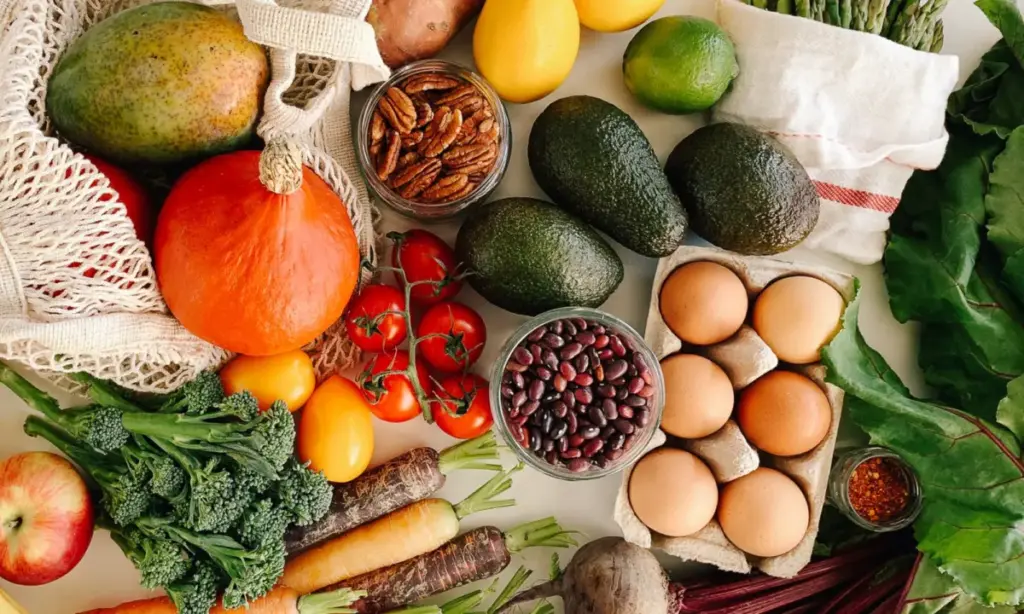
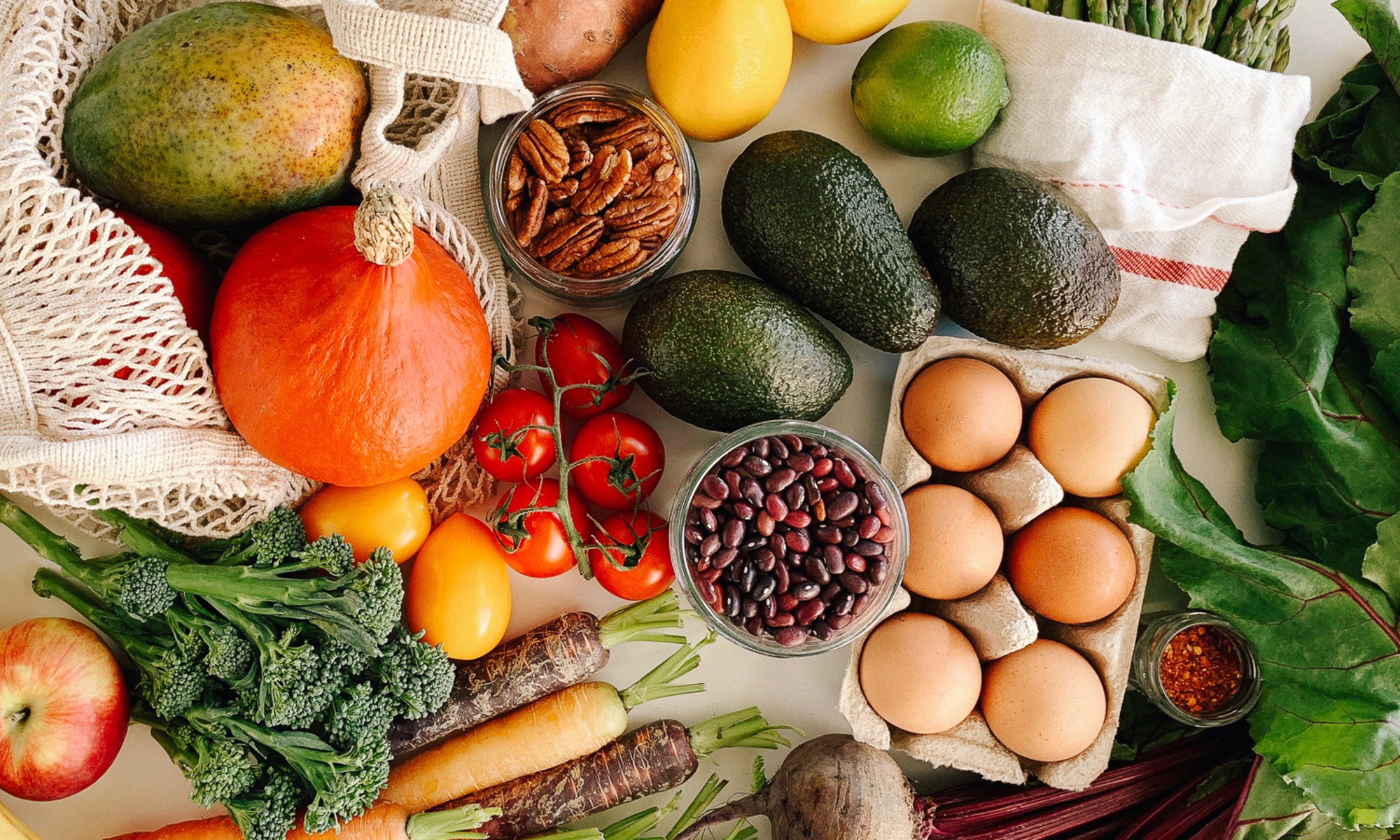
- Group 1: Unprocessed or minimally processed foods (fresh fruits, vegetables, grains, eggs, milk).
- Group 2: Processed culinary ingredients (plant oils, butter, sugar, salt).
- Group 3: Processed foods (canned vegetables, simple cheeses, freshly baked breads).
- Group 4: Ultra-processed foods (industrial formulations made entirely or mostly from substances extracted from foods or synthesized in laboratories, featuring additives, emulsifiers, artificial flavors, and colorings).
Examples of Group 4 products tracked in the study included mass-produced packaged snacks, carbonated soft drinks, reconstituted meat products, sweetened breakfast cereals, and ready-to-heat frozen meals.
The Longitudinal Tracking Phase
Following the dietary assessments, participants were monitored for a median duration of 11 years. Researchers cross-referenced national health registries, hospital admissions, and death records to identify precisely which participants developed atherosclerosis or related cardiovascular crises during the tracking period.
By the conclusion of the monitoring phase, 654 participants had developed clinically documented atherosclerosis. When researchers stratified the data by consumption volume, a dramatic pattern emerged: those who ingested the highest proportions of ultra-processed foods faced a staggering 40% surge in risk compared to their minimally processed counterparts. Even when measured strictly by food weight, high-tier consumers still exhibited a significant 29% elevated risk, proving that the phenomenon was not merely an artifact of caloric overconsumption.
Supporting Context & Metrics: Unveiling the "Metabolic Fingerprint"
Beyond tracking clinical diagnoses, the research team took a deeper dive into the biology of a subset of participants by analyzing their blood samples. This phase of the investigation sought to answer a fundamental question: If ultra-processed foods elevate the risk of arterial plaque buildup, what are the biochemical mechanisms driving this damage?
Molecular Signatures in the Blood
The blood biomarker analysis revealed compelling correlations. Participants with high UPF intake shared distinct molecular and protein patterns that were noticeably absent in those consuming traditional, whole-food diets. Specifically, these biomarkers pointed toward disruptions in three key physiological systems:
- Lipid (Fat) Metabolism: Altered pathways regarding how the body processes, transports, and clears circulating fats, which directly influences how cholesterol deposits in the arterial walls.
- Systemic Inflammation: Elevated inflammatory cytokines and markers. Chronic, low-grade inflammation is a primary catalyst for endothelial dysfunction—the early breakdown of the delicate inner lining of blood vessels that invites plaque formation.
- Hormone Regulation: Shifts in metabolic hormones that manage satiety, insulin sensitivity, and vascular tone.
Understanding Atherosclerosis
To grasp why these metabolic shifts are so dangerous, one must understand atherosclerosis itself. The condition begins when the endothelium—the single layer of cells lining the blood vessels—becomes damaged due to factors like high blood pressure, smoking, high cholesterol, or systemic inflammation.
Once damaged, low-density lipoprotein (LDL) particles slip beneath the inner lining of the artery, where they become oxidized. The body dispatches white blood cells to engulf the oxidized cholesterol, transforming them into foam cells. Over time, these foam cells accumulate, forming a fatty streak that eventually hardens into a dense plaque. As this plaque grows, it narrows the arterial lumen, severely restricting blood flow. If a plaque ruptures, it can trigger a sudden blood clot, resulting in a heart attack or stroke.
The discovery that ultra-processed foods leave a distinct "metabolic fingerprint" favoring this exact cascade provides a crucial biological bridge between industrial diets and vascular disease.
Official Statements and Scientific Consensus
The publication of these findings has drawn widespread commentary from the broader medical and nutritional research communities, who emphasize the need for nuanced interpretation balanced with decisive public health action.
Dr. Elena Vance, a senior cardiovascular epidemiologist unaffiliated with the study, noted the strength of the sample size:

"Analyzing over 130,000 individuals over an 11-year span provides a statistical power that is difficult to ignore. While observational data cannot definitively prove causation on its own, the convergence of epidemiological risk numbers with targeted blood biomarker changes paints a very cohesive, concerning picture of how modern diets impact vascular architecture."
Other public health advocates point out that the issue extends far beyond personal willpower. Modern food environments are engineered to make ultra-processed items hyper-palatable, inexpensive, and endlessly accessible, often crowding out nutrient-dense, minimally processed alternatives.
Nutrition scientists are careful to clarify that the data does not demand panic or the complete demonization of convenience foods. However, they argue that the cumulative nature of dietary patterns is what dictates long-term health outcomes. As the study’s authors highlighted, consuming an occasional packaged snack or frozen meal will not instantly trigger arterial disease. Rather, it is the chronic, long-term displacement of whole foods by industrial formulations that slowly tilts the biological scales toward disease.
Future Outlook: Navigating a Modern Food Landscape
As cardiovascular disease remains a leading cause of morbidity and mortality worldwide, the implications of this study stretch far beyond academic journals. They point directly toward an urgent need for shifts in both public policy and individual behavior.
1. Regulatory and Public Health Shifts
Public health advocates are increasingly calling for policy measures similar to those implemented for tobacco and trans fats. These include front-of-package warning labels for ultra-processed foods, restrictions on the marketing of industrial snack products to children, and agricultural subsidies that make fresh produce and minimally processed staples more economically competitive against heavily subsidized processed commodities.
2. Practical Dietary Adaptation
For the average consumer navigating a busy lifestyle, eliminating convenience entirely is rarely practical. Instead, cardiologists and registered dietitians recommend a strategy of displacement rather than restriction:
- Audit Your Pantry: Identify primary sources of ultra-processed foods in your daily routine (e.g., sugary breakfast cereals, flavored yogurts with excessive additives, packaged baked goods) and seek out simple, whole-food swaps.
- Embrace Minimally Processed Bases: Build meals around single-ingredient foundations—fresh or frozen vegetables, plain legumes, whole grains, eggs, and quality proteins—using processed culinary ingredients only as needed for flavor and preparation.
- Mindful Convenience: When relying on packaged foods due to time constraints, scrutinize ingredient labels. Opt for products with shorter ingredient lists, recognizable whole foods, and minimal chemical additives or added sugars.
The Takeaway
The 11-year study serves as a potent reminder that our bodies operate on biochemical realities that cannot be entirely tricked by hyper-palatable, industrialized substitutes. While the research stops short of declaring a single definitive pathway, the 40% increase in atherosclerosis risk among high UPF consumers adds formidable weight to an expanding body of literature. Making conscious, incremental shifts toward minimally processed foods is not merely a trend—it is a vital investment in the long-term resilience of your heart and arteries.



