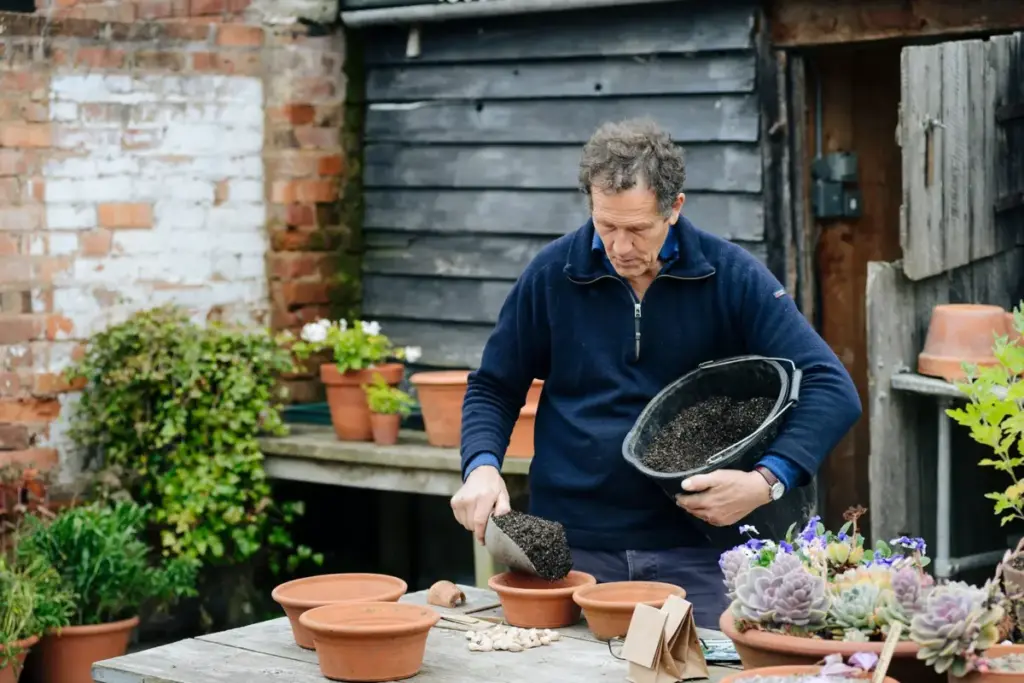
As the golden hues of autumn deepen across the landscape, October marks a pivotal transitional period for horticulturists, allotment holders, and green-thumbed enthusiasts alike. Far from signaling the end of the gardening year, the tenth month of the calendar provides a critical window of opportunity to safeguard investments, prepare perennial beds for the dormant season, and lay the robust infrastructural groundwork required for a bountiful spring harvest.
Drawing from expert seasonal guidance—including the latest directives from BBC Gardeners’ World Magazine—this authoritative guide explores the comprehensive checklists necessary for navigating October. From mastering the art of hardwood cuttings and preserving late-season produce to winterizing greenhouses, refreshing rainwater harvesting systems, and converting fallen foliage into nutrient-rich leaf mould, every corner of the garden demands deliberate stewardship. Furthermore, this report examines the contemporary horticultural landscape, offering insights into strategic autumn planting promotions, bulb selections, and expert-led house plant revitalizations designed to maintain productivity and passion throughout the colder months.
Detailed Chronology: The October Garden & Greenhouse Checklist
To maintain a thriving ecosystem through the autumn shift, gardeners must adhere to a disciplined timeline of interventions. October is characterized by cooling soil temperatures, increased rainfall, and the inevitable approach of the first hard frosts. Consequently, garden management shifts from active irrigation and deadheading to propagation, structural protection, and hygienic housekeeping.
1. Propagation and Planting: Hardwood Cuttings
As deciduous trees and shrubs enter dormancy and shed their foliage, October offers the ideal biological conditions for taking hardwood cuttings. Unlike softwood or semi-ripe cuttings taken during the spring and summer, hardwood material is mature, woody, and resilient against moisture loss.
Target Species: Popular candidates include deciduous flowering shrubs such as Forsythia, Ribes (flowering currants), Cornus (dogwoods grown for winter stems), and fruit-bearing canes like gooseberries and currants.
Methodology: Gardeners should select straight, healthy shoots grown during the current season. Cuttings are typically taken between 20 to 30 centimeters in length, cutting cleanly just below a leaf node at the base and tipping the top flat above a bud. Inserting these directly into deep trenches outdoors or into well-drained pots filled with a sand-and-compost mix encourages robust root development by the following spring.
2. Fruit and Vegetable Protection: Ripening Pumpkins and Squash
By mid-to-late October, winter squashes and pumpkins approach their maximum size, but declining temperatures and wet soils threaten their outer skins. Excess moisture sitting on cold earth can lead to fungal rots and premature decay before harvesting is complete.
The Intervention: Gardeners are advised to gently elevate developing pumpkins and squashes off the bare ground. Placing a clean slate, a square of breathable timber, or a thick layer of straw beneath each fruit breaks the capillary action of damp soil and encourages even ripening through maximum sun exposure while keeping rot-inducing pathogens at bay.
3. House Plant Stewardship: Transitioning Indoors
As central heating systems activate inside homes, indoor flora faces a sudden, dramatic shift in humidity and ambient temperature. October demands a strategic readjustment of house plant care routines. Tropical specimens must be moved away from cold window drafts and drying radiator vents. Watering schedules must be scaled back to match reduced natural daylight hours and slower metabolic rates, while specialized guidance—such as expert-led rescue strategies from specialists like Sarah Gerrard-Jones—becomes invaluable for reviving stressed or neglected indoor collections before winter sets in.
4. Greenhouse and Water Management: Hygiene and Harvesting
The greenhouse transitions from a propagation hub to an overwintering shelter. October is the absolute deadline for deep-cleaning greenhouse glass, staging, and flooring using horticultural disinfectants to eradicate overwintering pests and fungal spores like botrytis. Concurrently, external water management requires urgent attention. Water butts must be scrubbed clean of accumulated organic sludge, and downpipes should be inspected to ensure that autumn leaf fall does not obstruct the flow into rainwater storage systems, ensuring an abundant supply of unchlorinated water for the seasons ahead.
5. Garden Maintenance: The Alchemy of Leaf Mould
The deluge of autumn leaves often presents a waste management challenge for homeowners, yet ecologically minded gardeners recognize fallen foliage as "black gold." Leaves from oak, beech, and hornbeam break down slowly into friable, nutrient-rich leaf mould—an exceptional soil conditioner and peat-free potting medium component.
The Technique: Rather than bagging leaves for municipal disposal, gardeners can pack damp leaves loosely into punctured black bin bags or wire-mesh leaf cages. Left undisturbed for 12 to 24 months, fungal activity transforms this structural waste into a velvety texture ideal for seed sowing and top-dressing beds.
Supporting Context & Metrics: The Economics and Ecology of Autumn Gardening
Understanding the broader horticultural trends reveals why October has surged in popularity among commercial suppliers and domestic growers alike. According to recent retail data from major horticultural distributors such as Suttons, Dobies, and Farmer Gracy, autumn planting has seen a year-on-year surge in consumer demand, driven by a growing awareness of climate resilience and sustainable gardening practices.
Horticultural Focus Area
Primary Environmental Driver
Economic & Ecological Benefit
Autumn Bulb Planting
Cooling soil coupled with residual summer warmth
Encourages deep root establishment prior to winter dormancy, ensuring earlier spring blooms and superior drought tolerance.
Leaf Mould Production
Biodegradable waste management
Eliminates peat dependency in potting mixes, recycles municipal garden waste, and enhances soil microbial diversity.
Rainwater Harvesting
Autumn precipitation patterns
Reduces reliance on mains water supplies, lowers household utility bills, and provides mineral-rich, pH-neutral water for acid-loving plants.
Hardwood Cuttings
Natural plant dormancy
Offers a cost-effective, high-success-rate method for multiplying garden flora without purchasing commercial nursery stock.
Horticultural economists note that autumn promotional campaigns—such as the widespread adoption of discount codes for bulk bulb orders—significantly reduce the financial barrier to entry for novice gardeners. By investing in multi-buy packages of spring-flowering bulbs (such as snowdrops, bluebells, hardy alliums, and autumn-sown garlic, shallots, and onions), growers achieve higher yield-per-square-foot ratios compared to spring-planted alternatives.
Official Statements and Expert Perspectives
Industry leaders and media voices continue to emphasize the transformative nature of October garden maintenance. In recent statements released through BBC Gardeners’ World Magazine, leading horticulturists underscored the psychological and ecological importance of autumn stewardship:
"The calendar year in the garden does not reset in January; it resets in October. What you invest in your soil, your bulbs, and your structural propagation during these damp, cool weeks dictates the entire aesthetic and productive capacity of your outdoor space when spring finally returns. Neglecting autumn maintenance is borrowing trouble against the summer of tomorrow."
Furthermore, specialized contributors focusing on indoor environments highlight the interconnectedness of indoor and outdoor spaces during seasonal shifts:
"House plants are living barometers of our indoor ecosystems. When we seal our homes against the October chill, we inadvertently create miniature deserts for our tropical flora. Taking proactive steps—adjusting humidity, managing hydration, and utilizing expert rescue techniques—ensures our indoor companions weather the seasonal transition just as resiliently as our hardy perennials outdoors."
Future Outlook: Preparing for the Winter Horizon and Beyond
As October draws to a close, the visionary gardener looks beyond the immediate chores toward the longer-term horizon of winter and early spring. The foundational tasks completed during this month act as an insurance policy against the unpredictable weather extremes associated with contemporary climate shifts.
Climate Resilience and Sustainable Practices
With winters becoming increasingly mild and prone to heavy, episodic rainfall, effective water butt management and soil conditioning via leaf mould are no longer merely traditional chores—they are essential climate-adaptation strategies. Friable, organic-rich soils managed through autumn mulching demonstrate superior water retention during summer dry spells and enhanced drainage during winter cloudbursts.
Strategic Planning for the Year Ahead
Looking forward, gardeners utilizing October promotions to secure woodland garden duos (combining snowdrops and bluebells for shaded ecologies) or premium culinary alliums will reap the rewards of foresight. As dormant bulbs quietly establish their root systems beneath the frost line through November and December, the garden quietly prepares for its vernal awakening.
Ultimately, October serves as a vital bridge between the vibrant exhaustion of summer and the restorative stillness of winter. By embracing the methodical checklists of propagation, protection, and preservation, gardeners ensure that their green spaces remain resilient, productive, and endlessly rewarding for generations to come.