Executive Overview
For generations, modern medicine has maintained a rigid boundary between the pharmaceutical laboratory and the agricultural field. Doctors treat chronic conditions with chemical interventions, while farmers cultivate commodities designed for volume and shelf life rather than biological vitality. Today, however, a pioneering movement in regenerative healthcare is dismantling that divide. Clinicians across multiple disciplines are increasingly looking past conventional symptom management, treating chronic ailments not merely with pharmaceuticals, but with targeted prescriptions for whole foods grown at peak nutrient density without the use of synthetic chemicals.
At the center of this paradigm shift is a fundamental realization: human well-being is inextricably linked to the vitality of the earth. As chronic illnesses—ranging from obesity and type 2 diabetes to cardiovascular disease—reach historic highs, health practitioners and agricultural researchers are proving that the rising tide of lifestyle-related diseases can be stemmed by fixing our broken food system. Spearheaded by institutions like the Rodale Institute, the concept of "regenerative healthcare" asserts that the path to longevity begins on farms working in harmony with nature, cultivating soil teeming with microbial diversity that translates directly into nutrient-dense, life-giving sustenance.
Detailed Chronology: From Industrial Farming to the Rise of Regenerative Medicine
To understand the necessity of prescribing food as medicine today, one must examine the systemic evolution of the American agricultural and healthcare landscapes over the past century.
- Mid-20th Century (The Industrial Pivot): Following World War II, American agriculture shifted aggressively toward industrialization. The focus pivoted decisively away from ecological stewardship and soil health, prioritizing maximum yield and mass production. Staple crops—predominantly corn, soybeans, and wheat—became the raw materials of a burgeoning industrial food network designed for cheap calorie production rather than robust nutritional value.
- 1950–1999 (The Great Nutrient Decline): Over this 50-year span, a quiet crisis unfolded in American fields. Data analyzed from U.S. Department of Agriculture (USDA) nutrient content records for 43 common crops (primarily vegetables) revealed a stark, steady decline in the concentrations of essential minerals and vitamins. Notably, levels of protein, calcium, iron, riboflavin, and vitamin C dropped significantly, even as grain yields more than doubled due to synthetic fertilizers and intensive monocropping.
- The Turn of the Millennium: As chronic lifestyle diseases began to overwhelm healthcare systems, medical pioneers started re-evaluating the foundational causes of morbidity. Researchers increasingly linked the modern "Western diet"—heavy in ultra-processed foods—to metabolic dysfunction, inflammation, and premature mortality.
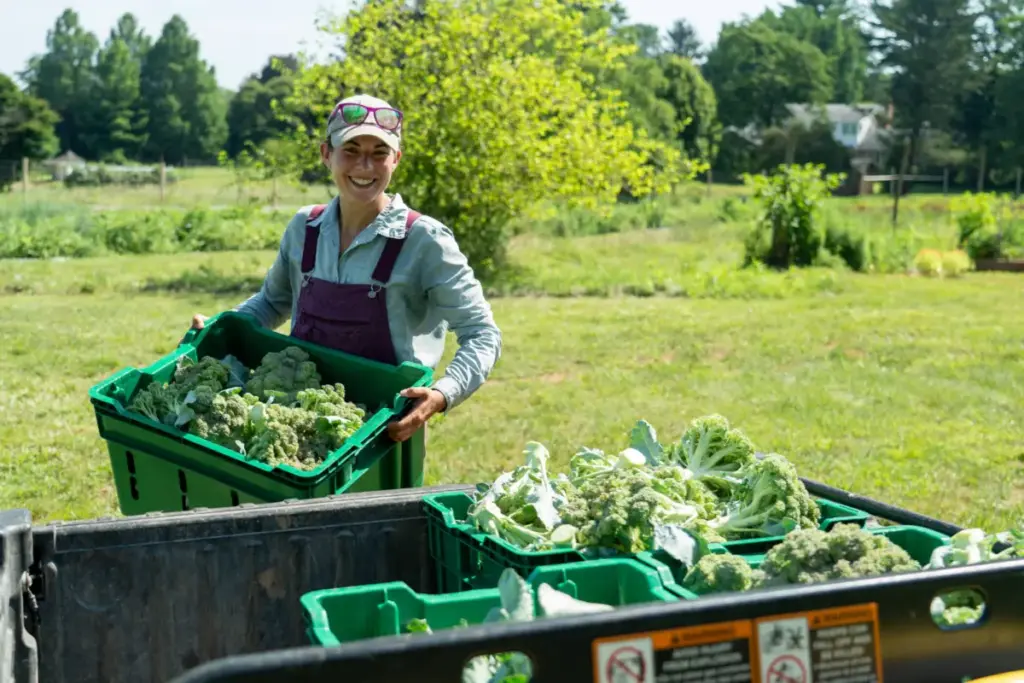
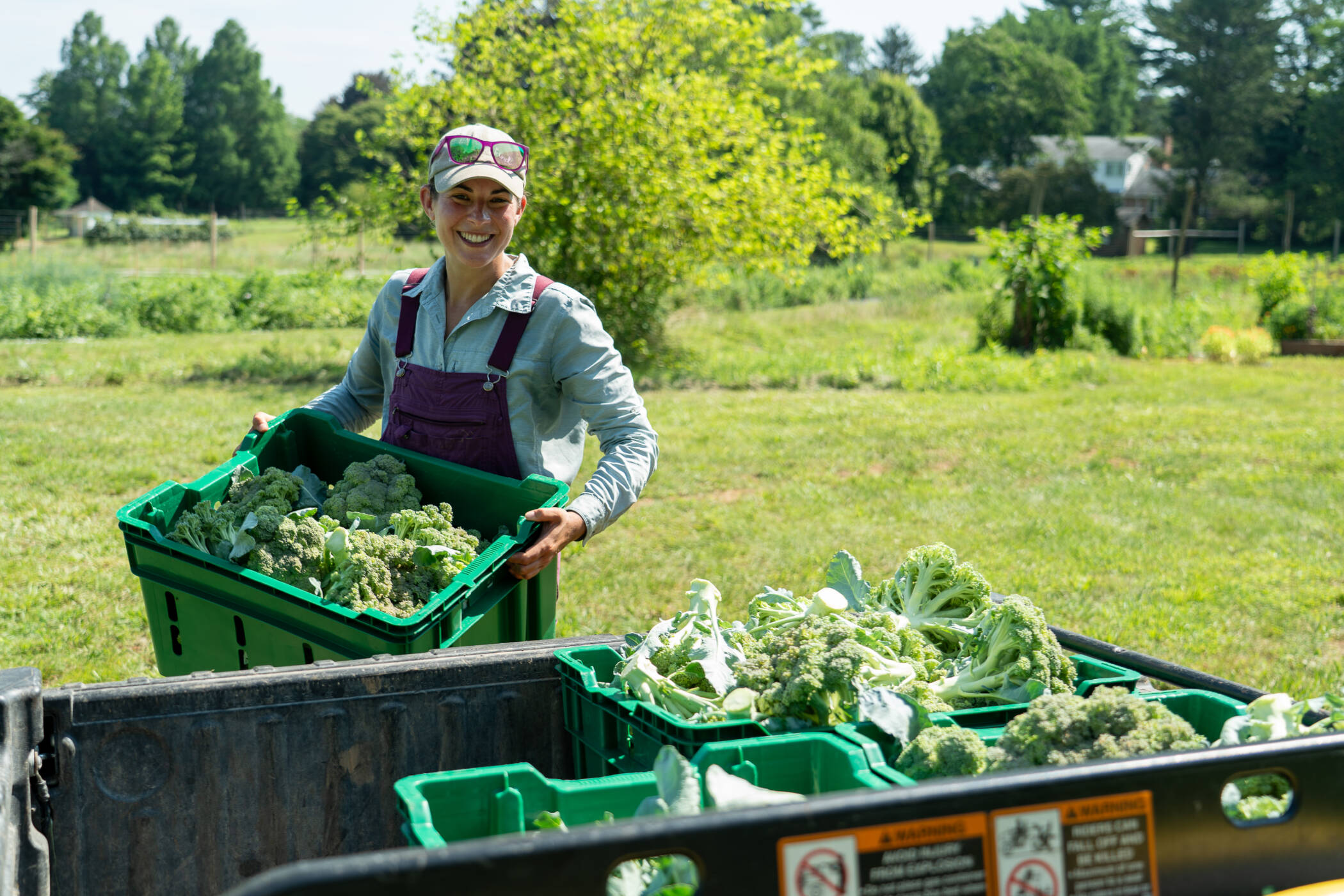
- 2014 (A Healthcare Milestone): Recognizing the clinical gap in patient nutrition, the St. Luke’s–Rodale Institute Organic Farm was established. Serving as a watershed moment for institutional healthcare, the farm began providing fresh, certified organic produce directly to the patients, staff, and visitors of St. Luke’s University Health Network’s Anderson Campus in Easton, Pennsylvania, officially merging clinical care with on-site regenerative agriculture.
- 2020 (Defining the Movement): The Rodale Institute published its landmark report, The Power of the Plate, formally defining regenerative healthcare as an integrated approach aiming to "prevent disease and regenerate life through an organic, whole-foods, plant-forward diet that begins on farms that work in harmony with nature."
- 2023–2025 (Expanding the Model): The institutional food-as-medicine model scaled rapidly. In 2023, the Cornwall Manor–Rodale Institute Trailside Organic Farm in Lebanon, Pennsylvania, completed its first full growing season, yielding 9,150 pounds of fresh food for retirement community residents. This momentum culminated in 2025 with a groundbreaking partnership between Phoebe Ministries and the Rodale Institute at Founders Farm in Allentown, Pennsylvania, focused specifically on raising ultra-nourishing foods for senior citizens. Simultaneously, updated public health data continued to underscore the fatal toll of ultra-processed diets, amplifying calls for sweeping clinical reform.
Supporting Context & Metrics: The Crisis of the Industrial Plate
The urgency driving regenerative healthcare is underscored by stark epidemiological and nutritional metrics that reveal a public health emergency born of modern agriculture.
The Obesity Epidemic and Food Insecurity
According to comprehensive reporting by the Centers for Disease Control and Prevention (CDC), approximately 40 percent of American adults carry enough excess weight to be clinically classified as obese. Obesity serves as a primary risk factor for a cascade of debilitating chronic conditions, including type 2 diabetes and cardiovascular disease.
Crucially, this crisis is not merely a consequence of caloric abundance. Food-insecure households across the United States face disproportionately higher risks of obesity. This paradox is driven by the economics of the modern food marketplace, where calorie-dense, nutrient-poor ultra-processed foods are consistently more accessible and affordable than fresh, organic produce.
The Lethal Toll of Ultra-Processing
America’s dominant agricultural output—corn, soybeans, and wheat—rarely reaches the consumer in its natural state. Instead, it is routed through industrial processing plants to manufacture refined flour, hydrogenated oils, and high-fructose corn syrup. These ingredients form the backbone of ultra-processed foods, which currently account for more than 50 percent of the average American’s daily caloric intake.
The human cost of this dietary shift is staggering. A landmark study published in the American Journal of Preventive Medicine estimated that the consumption of ultra-processed foods is directly responsible for roughly 124,000 premature deaths annually in the United States.
The Lifespan Dividend of an Optimal Diet
The contrast between industrial dietary habits and regenerative nutrition is starkly reflected in projected human longevity. Citing data derived from the 2019 Global Burden of Disease study, health experts illustrate the profound cumulative impact of dietary choices:
- Early Adoption (Age 20): Transitioning to an optimal diet—characterized by high consumption of whole grains, legumes, fish, fruits, vegetables, and nuts, coupled with minimal intake of red/processed meats, refined grains, and sugary beverages—and sustaining it over a lifetime can extend female life expectancy by an estimated 10.7 years and male life expectancy by an estimated 13 years.
- Mid-Life Adoption (Age 60): Even individuals who overhaul their diets later in life reap monumental rewards. Adopting an optimal lifestyle and diet at age 60 yields an estimated 8 additional years of life expectancy for people of either gender.
Official Statements and Expert Perspectives
As the medical and agricultural communities converge, thought leaders are increasingly vocal about the necessity of treating soil health as a baseline requirement for human health.
Reflecting on the mechanisms of dietary harm, Meagan Grega, MD, a Pennsylvania physician certified in lifestyle medicine and a prominent speaker at the Rodale Institute Regenerative Healthcare Conference, notes:
"Ultra-processed foods increase our risk of morbidity [illness] and mortality [death] through two mechanisms: the impact of the foods themselves and the loss of benefits from other more nutritious foods that they replace in our diet."
Dr. Grega’s clinical perspective echoes the timeless wisdom attributed to Hippocrates around 400 BC: "Let food be thy medicine and medicine be thy food." Today’s regenerative healthcare practitioners are simply updating this ancient maxim to account for modern soil science.
The operational philosophy of the movement is similarly captured in the Rodale Institute’s strategic literature:
"Regenerative healthcare aims to prevent disease and regenerate life through an organic, whole-foods, plant-forward diet that begins on farms that work in harmony with nature. Regenerative healthcare harnesses the power of nutritious food and lifestyle to suspend, reverse, and prevent disease."
Researchers emphasize that the nutritional superiority of organically grown food is not an accident, but a direct consequence of biological soil management. Organically managed soils consistently support significantly higher levels of microbial diversity than conventionally farmed soils treated with synthetic pesticides and fertilizers. This rich soil microbiome allows plants to synthesize greater concentrations of bioactive phytochemicals—natural compounds equipped with powerful antioxidant and anti-inflammatory properties.
Long-term research, such as a 10-year comparative analysis conducted at the University of California, Davis, supports this mechanism, demonstrating that organically grown tomatoes possess significantly higher concentrations of anticancer flavonoids than their conventionally cultivated counterparts.
Future Outlook: Institutional Integration and Regenerative Interventions
The future of regenerative healthcare depends on scaling farm-to-clinic interventions to make nutrient-dense food accessible to the populations that need it most. The pioneering institutional partnerships forged by the Rodale Institute offer a blueprint for this nationwide transition.
By embedding organic farms directly into healthcare networks—such as the St. Luke’s–Rodale Institute Organic Farm in Easton, the Cornwall Manor–Rodale Institute Trailside Organic Farm in Lebanon, and the newly launched partnership with Phoebe Ministries at Founders Farm in Allentown—these initiatives prove that institutional dining can actively promote healing. These working farms not only supply thousands of pounds of pristine, pesticide-free food to hospital patients, medical staff, and senior citizens, but they also serve as living laboratories.
Ongoing research initiatives, such as the Rodale Institute’s Vegetable Systems Trial, continue to quantify the exact correlation between regenerative agricultural practices and the specific nutrient density of harvested crops.
As these community-based models gain traction, they provide a scalable roadmap for other healthcare systems across the country. The annual Rodale Institute Regenerative Healthcare Conference stands at the vanguard of this evolution, serving as a vital nexus where medical doctors, academic researchers, organic farmers, and consumer advocates convene to share data, shape public policy, and build cross-disciplinary networks.
Ultimately, reversing the modern epidemic of chronic, lifestyle-related disease requires breaking down silos between sectors. By recognizing that human vitality starts in the dirt beneath our feet, regenerative healthcare is redefining the future of medicine—proving that true healing requires looking beyond the prescription pad and returning to the power of the plate.