Global weather systems are experiencing a violent disruption. Headlines around the world describe a climate anomaly that is not only "jaw-dropping" in its intensity but also poised to dramatically accelerate planetary warming. From the coastal communities of California to the drought-stricken riverbeds of Sri Lanka, governments and scientists are grappling with the fallout of what has officially become the strongest El Niño event in modern recorded history.
California has already declared a statewide state of emergency to bolster preparedness against destructive flooding, landslides, and infrastructure failure. Concurrently, international researchers warn of profound human costs; one recent high-profile study projects that this extreme weather oscillation could trigger upwards of 451,000 heat-related deaths globally by February.
While the term "Super El Niño" is colloquial rather than an official designation by bodies like the National Oceanic and Atmospheric Administration (NOAA) or the World Meteorological Organization (WMO), it has rapidly become the universal descriptor for a phenomenon defying historical precedent. Occurring against the backdrop of rapid, unabated greenhouse gas emissions, this El Niño serves as a terrifying preview of mid-century climate realities—and a critical alarm bell for a world running out of time to change course.
Detailed Chronology: How the Crisis Unfolded
The trajectory of the 2026 El Niño has caught even seasoned climatologists off guard, shifting from early-season skepticism to widespread alarm as empirical data shattered historical thresholds.
Early 2026: Climatologists begin noticing unusual thermal anomalies building across the equatorial Pacific Ocean. Initially treated as a standard cyclical warming event, early modeling shows potential for rapid intensification.
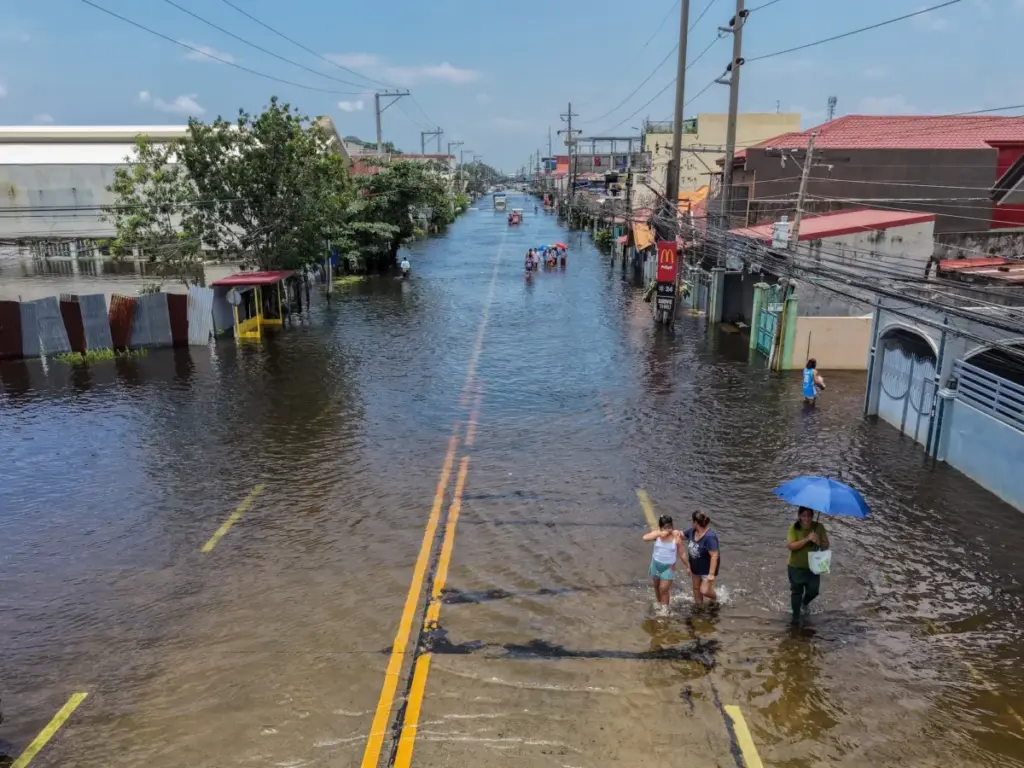
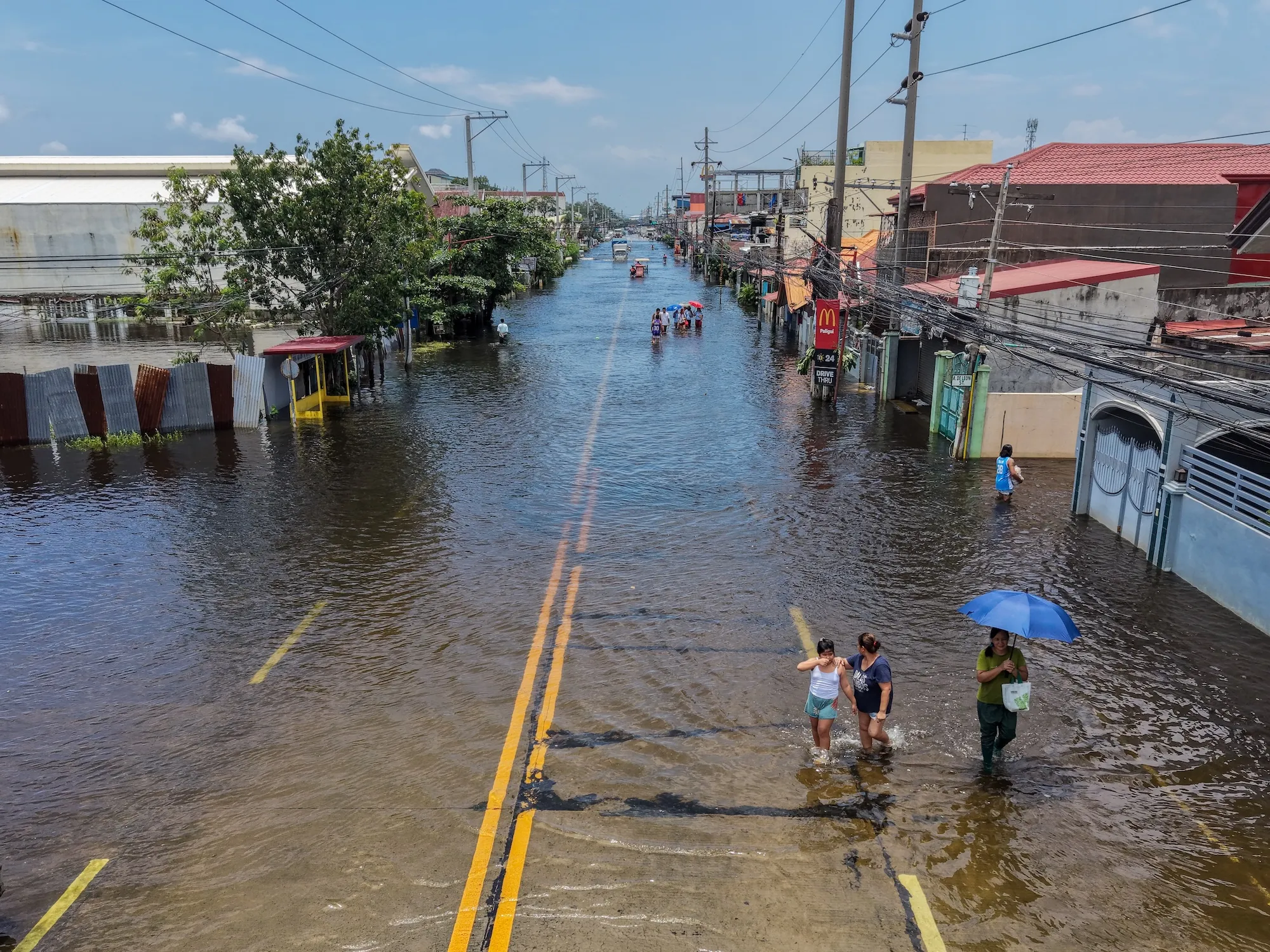
June – August 2026: Global sea surface temperatures hit unprecedented all-time highs for three consecutive months. In the Philippines and across Southeast Asia, severe monsoon rains and agricultural disruptions signal the early arrival of El Niño’s disruptive atmospheric teleconnections.
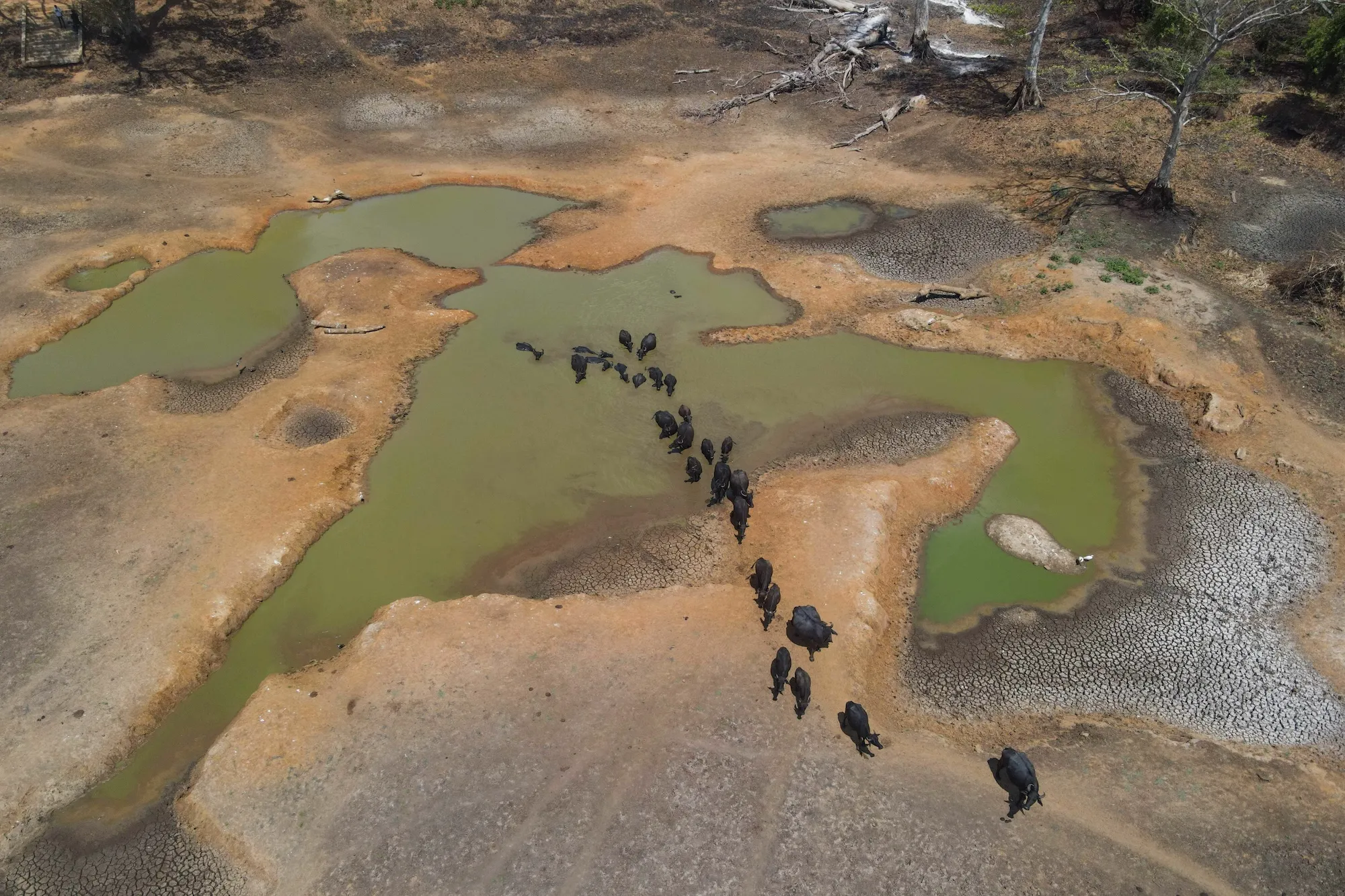
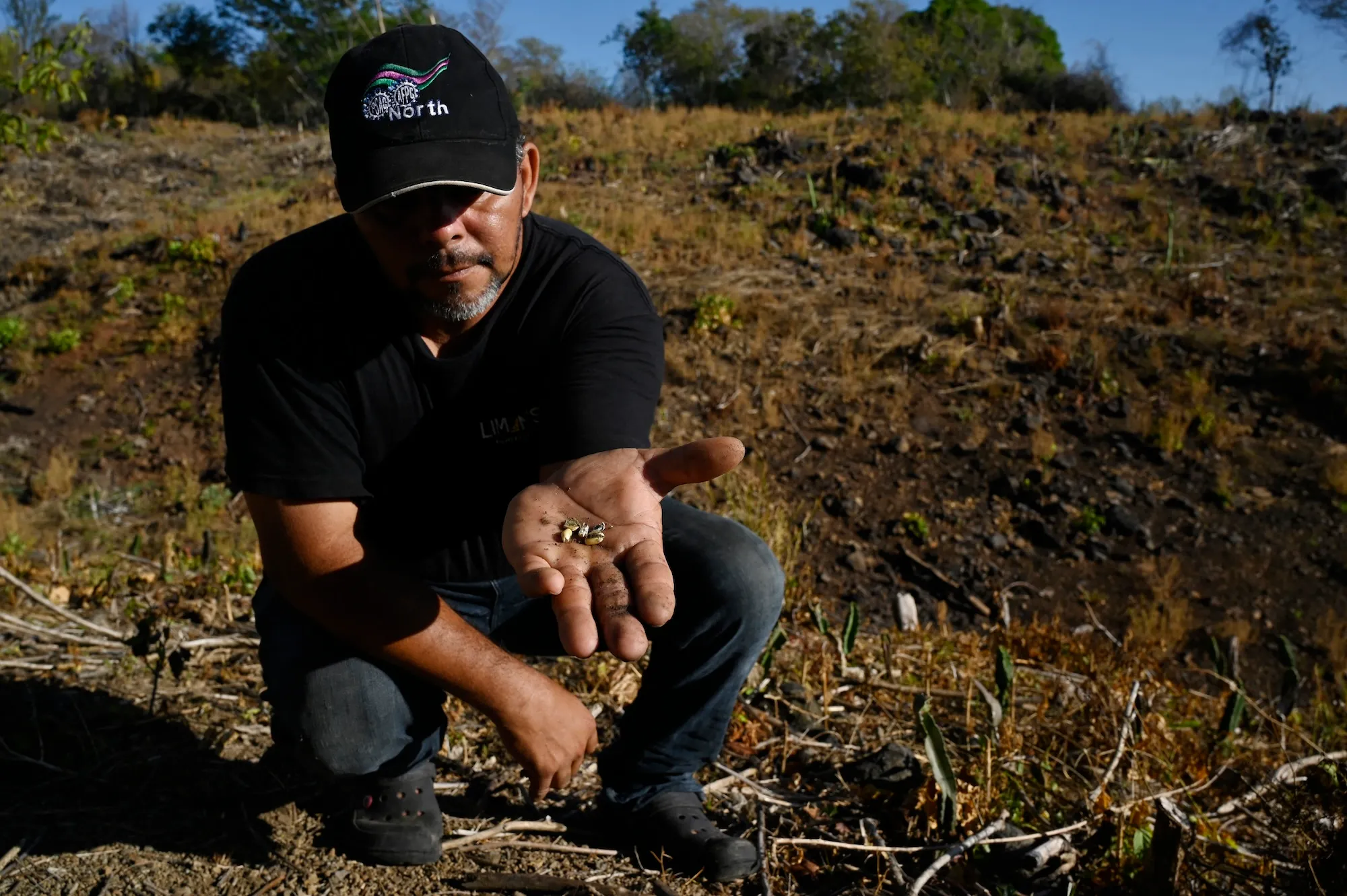
September 4, 2026: In Sri Lanka, severe drought causes major lakes to dry to dust, stranding wildlife like water buffalo in rapidly shrinking pools. Simultaneously, catastrophic agricultural failures strike Central America; in villages like Los Piches, Honduras, farmers unearth entirely withered corn kernels that failed to germinate.
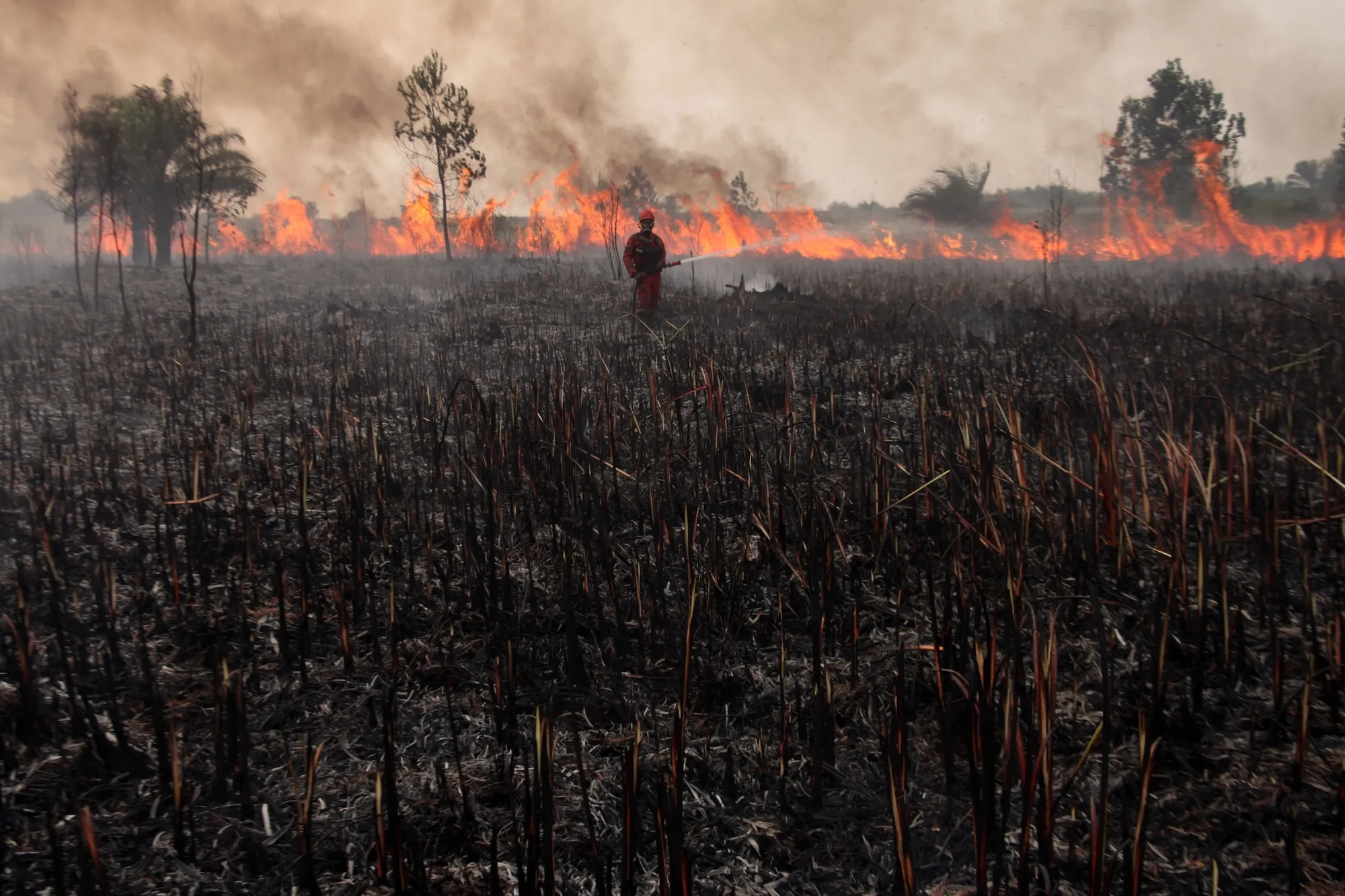
September 12, 2026: Firefighters in South Sumatra, Indonesia, struggle to contain sprawling wildfires fueled by bone-dry conditions and intense heatwaves directly linked to the burgeoning weather pattern.
September 15, 2026: Emergency crews race against time along the Southern California coastline. Powerful waves batter coastal infrastructure, threatening homes in areas like Dana Point and prompting localized red-tagging of residential structures.
September 21, 2026: California Governor Gavin Newsom formally proclaims a statewide state of emergency, directing resources toward bolstering flood defenses and safeguarding vulnerable communities against impending extreme precipitation.
Late September 2026: A landmark analysis published by Carbon Brief reveals that sea surface temperature anomalies in the critical Niño 3.4 region have surged to a staggering 3.11 degrees Celsius above normal, officially eclipsing the previous all-time record set during the infamous 2015–2016 event.
Supporting Context & Metrics: Decoding the Science
To understand the severity of the current crisis, one must examine the mechanics of El Niño and the metrics scientists use to evaluate its power.
What is El Niño?
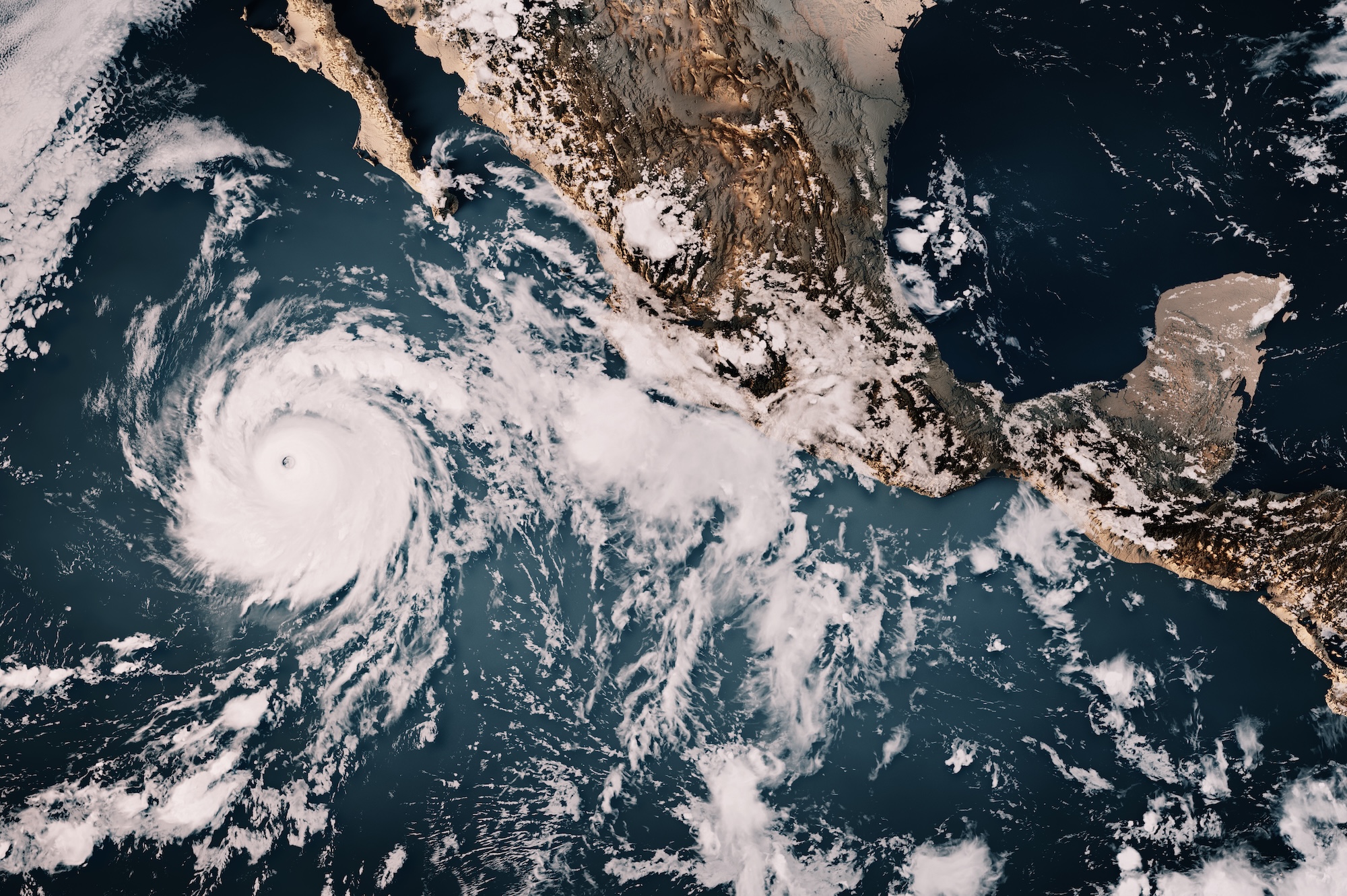
El Niño is a naturally occurring climate pattern driven by fluctuations in winds and water temperatures in the equatorial Pacific Ocean. Under normal conditions, trade winds blow strongly from east to west, pushing warm surface water toward Asia and Australia while allowing colder, nutrient-rich deep water to well up along the coast of South America.
During an El Niño event—which typically recurs every two to seven years—these trade winds weaken or occasionally reverse direction. The massive pool of warm water that normally accumulates in the western Pacific sloshes back toward the Americas. This shift alters atmospheric pressure patterns worldwide, triggering a cascade of climate impacts: devastating droughts in regions like Southern Africa, Southeast Asia, and Central America, alongside torrential downpours and severe flooding in the southern United States and western South America.
The Metrics of "Super" Strength
NOAA and other meteorological agencies monitor several indices to quantify El Niño’s magnitude, with the Niño 3.4 anomaly serving as the industry standard. This index measures sea surface temperature deviations from the historical average within a specific box of the central and eastern Pacific.
Moderate El Niño: 1.0 degree Celsius above normal.
Strong El Niño: 1.5 degrees Celsius above normal.
Very Strong / "Super" El Niño: 2.0 degrees Celsius above normal.
For decades, crossing the 2-degree threshold was considered an extraordinary anomaly, reached only a handful of times in recorded history (such as in 1982, 1997, and 2015). However, the 2026 event has obliterated these boundaries, reaching an unprecedented peak of 3.11 degrees Celsius above normal. With forecast models indicating a 90 percent probability that these extreme anomalies will persist through the end of the year, the planet is experiencing an event of generational proportions.
Official Statements and Expert Perspectives
The psychological and linguistic challenge of describing this unfolding disaster has sparked intense debate within the scientific community, touching on ecolinguistics, public communication, and institutional risk assessment.
The Problem with Terminology
When Jeffrey Shaman, a climatologist at the Columbia Climate School, first encountered the term "Super El Niño" earlier this year, his initial reaction was professional curiosity. "I literally googled it," he admitted. While not an official acronym used by NOAA or the WMO, Shaman defends its utility: "It’s colloquial, and there’s nothing wrong with that at all." In an era of rampant public climate fatigue, stark labels help bridge the gap between complex statistical anomalies and public comprehension.
Jovana Vurdelja, an ecolinguistics researcher based in Serbia, studies how language shapes our perception of environmental crises. Initially suspecting "Super El Niño" to be a product of media sensationalism, Vurdelja discovered that the term actually originated in a 2003 academic meteorological paper detailing the relationship between intense El Niño and La Niña cycles. Today, the term has crossed linguistic barriers, adopted by speakers of Serbian, Norwegian, Italian, German, French, and Croatian.
"When extraordinary weather is on the way, people reach for amped-up language to communicate the scale of the hazard," Vurdelja explains. She notes that finding the right vocabulary is a delicate balancing act. Language can either minimize a threat—leading to apathy—or exaggerate it, fostering climate nihilism. "It’s extremely important that the word communicates the seriousness, the magnitude, the severity of the event itself. ‘Super El Niño’ hits the mark because it’s been embraced by scientists and the media alike."
Scientists emphasize that this El Niño is not operating in a vacuum; it is riding the upward elevator of rapid, human-induced global heating.
"It’s going to be a very, very strong event occurring against a backdrop of very rapid global warming," says Christopher Callahan, a climate scientist at Indiana University. "I think we’re going to, unfortunately, learn a lot this year."
Callahan notes that while he was initially skeptical of early dire forecasts, incoming data forced a reassessment: "As more data kept coming in, it became clear that we’re going to see a generationally strong event this year."
According to high-end climate projections, the combined thermal impact of this record-shattering El Niño and baseline greenhouse gas warming could temporarily fast-forward global average temperatures by a decade, offering a grim preview of normal atmospheric conditions expected by the year 2040.
Future Outlook: Beyond the "Super" Threshold
As global temperatures continue to chart dangerous territory, climatologists are already questioning the adequacy of current terminology. If 3-degree anomalies become a frequent fixture of a warming planet, the lexicon of extreme weather will inevitably need to evolve.
On a recent episode of the Shift Key podcast, climate scientist Zeke Hausfather warned that current classifications are becoming obsolete: "This is going to be so far beyond a super El Niño, if the models are right, that we sort of need a new term for it."
This linguistic escalation explains why researchers increasingly deploy visceral descriptors like "mind-bogglingly crazy" or "gobsmackingly bananas" to communicate anomalies that break historical charts by wide margins. Even the "Godzilla" moniker, originally coined by NASA climatologist Bill Patzert during the 2015 El Niño, feels inadequate when facing the systemic compounding risks of 2026.
Preparing for the Unprecedented
Ultimately, the debate over nomenclature matters far less than systemic preparation. Whether labeled a "Super El Niño," a "Godzilla" event, or simply an unprecedented thermal shock, the immediate priority for governments worldwide must be proactive adaptation.
The coming months will test global resilience across multiple fronts:
Agriculture & Food Security: Safeguarding staple crop yields in regions vulnerable to sudden drought and excessive moisture to prevent inflationary food shocks.
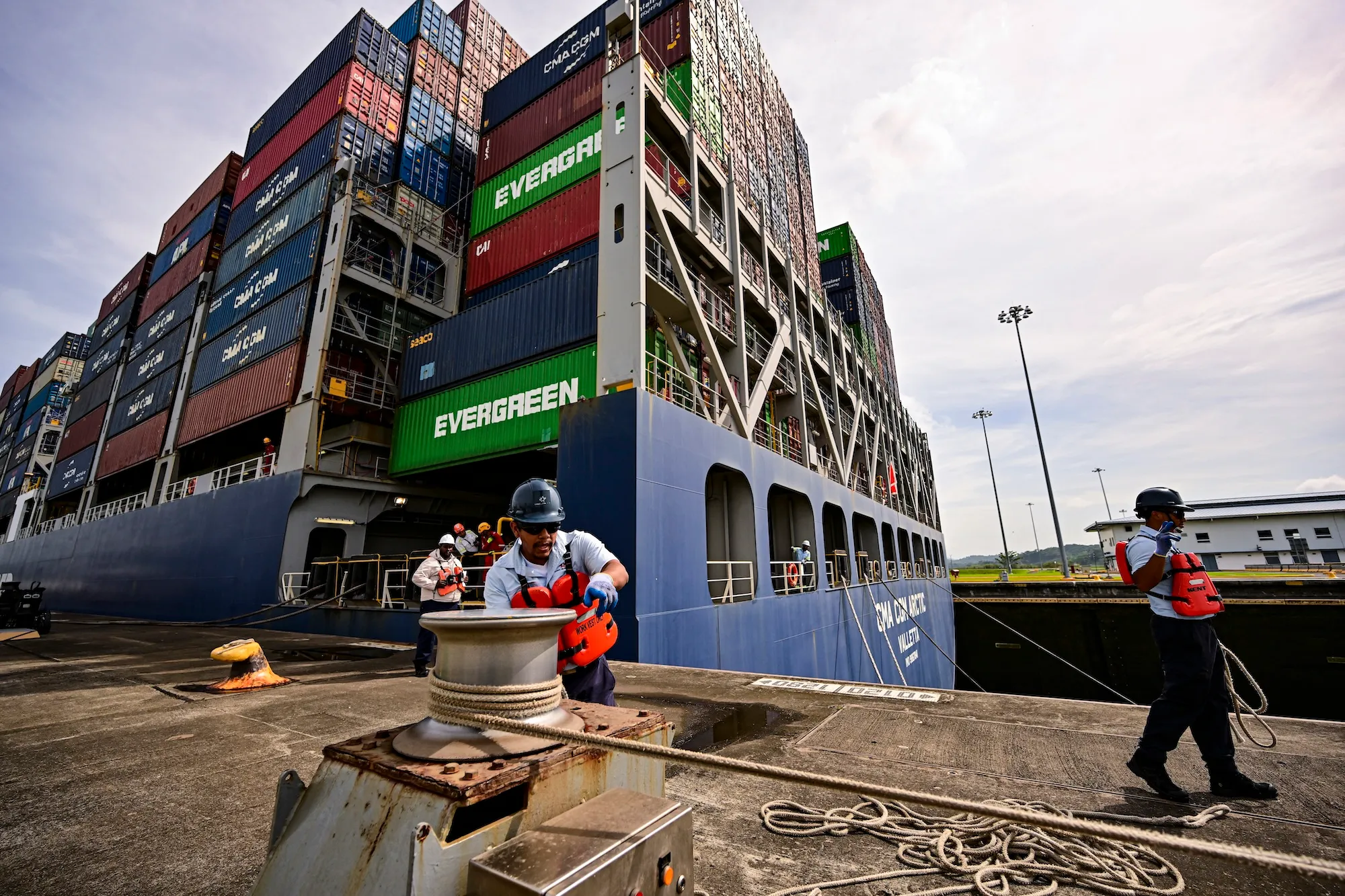
Water & Energy Management: Managing dwindling reservoir levels, mitigating hydropower generation deficits, and protecting vital shipping corridors like the Panama Canal against low-water transit restrictions.
Public Health & Infrastructure: Expanding urban cooling centers, enforcing heat-protection labor laws, and reinforcing coastal defenses against severe erosion and storm surges—as evidenced by California’s emergency declarations.
For now, the label "Super El Niño" serves as an imperfect but necessary warning bell. Whether human societies heed that bell before future climate extremes render current terminology entirely obsolete remains the defining question of our era.