

Published in partnership with The Intercept and Grist.
Executive Overview
For decades, the strategic island of Guam has functioned as a cornerstone of United States military posture in the Indo-Pacific—frequently characterized by defense planners as the "tip of the spear." Yet, beneath the geopolitical calculus of countering rising regional powers lies a profound human and ecological cost borne disproportionately by Indigenous populations.
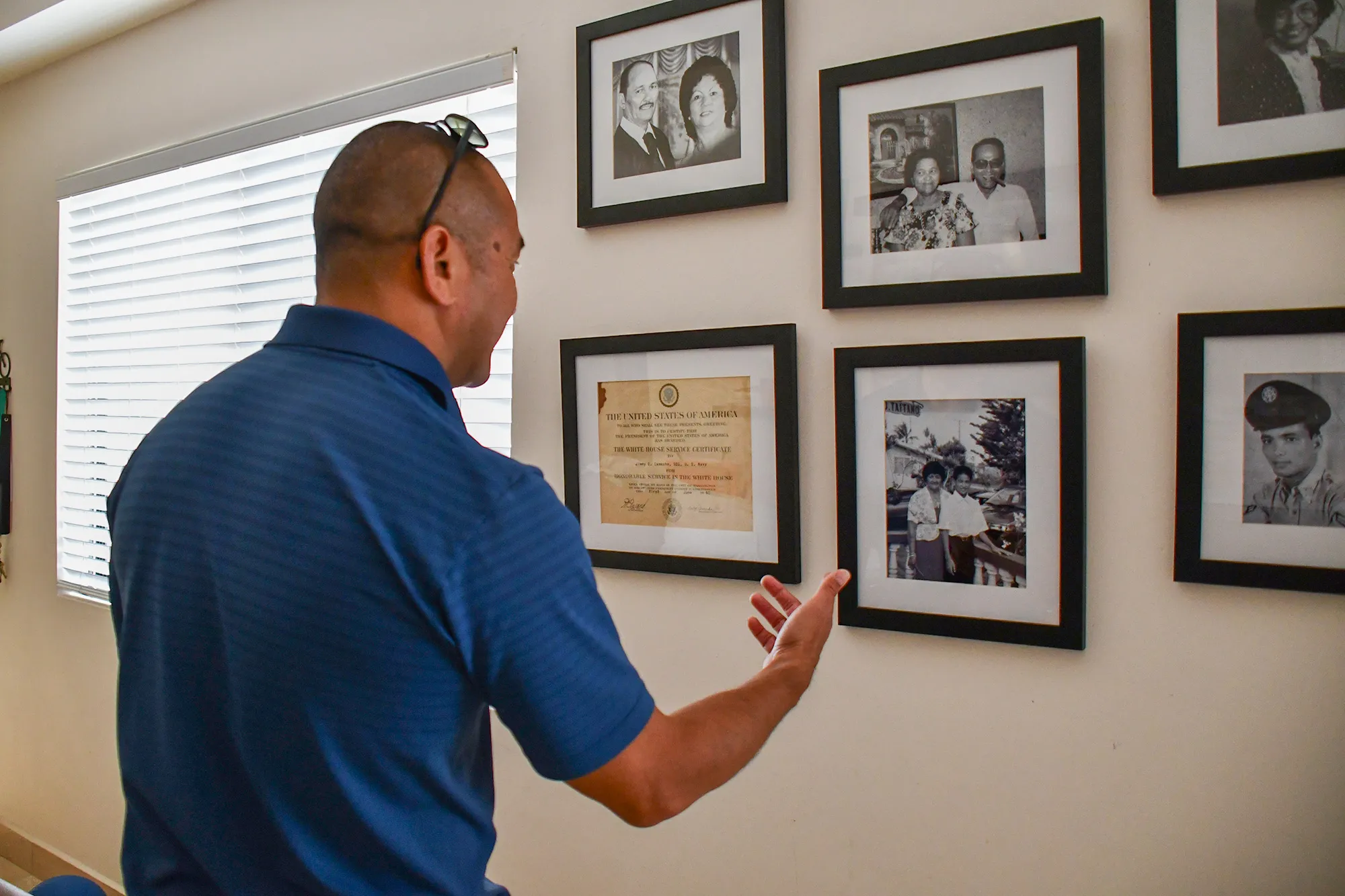
This tension crystallized for Leevin Camacho, a prominent environmental lawyer and former Attorney General of Guam, when a routine family morning was interrupted by a local water authority emergency alert. The tap water flowing through his home in the northern village of Yigo—water that his children had consumed and cooked with for years—was heavily contaminated with dieldrin, a persistent organochlorine insecticide banned by the United States in 1987.
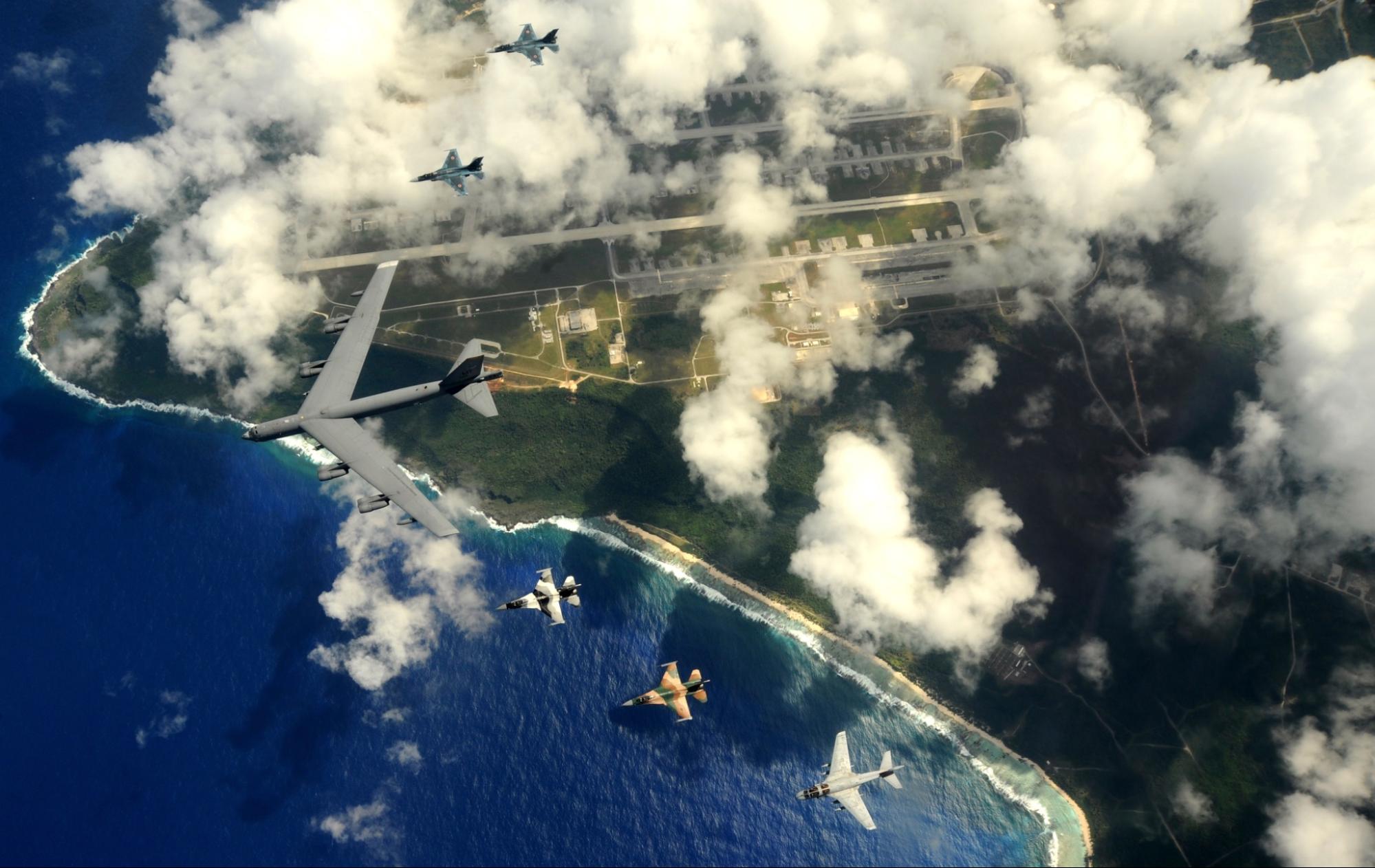
Camacho’s struggle to secure accountability for the toxic contamination is not an isolated incident. Across Guam, the Northern Mariana Islands, Palau, and the Federated States of Micronesia, an unprecedented U.S. military buildup is fundamentally transforming local landscapes. While defense officials maintain that these multi-billion-dollar investments are essential for regional security and the defense of democratic allies, local communities increasingly view the expansion as an existential threat. Defined by unexploded ordnance, toxic pollutants, land grabs, and the looming shadow of geopolitical conflict, this dynamic raises urgent questions about environmental justice, Indigenous self-determination, and the true cost of imperial defense.
Detailed Chronology: From Liberation to Contamination
A Legacy of Strategic Transformation
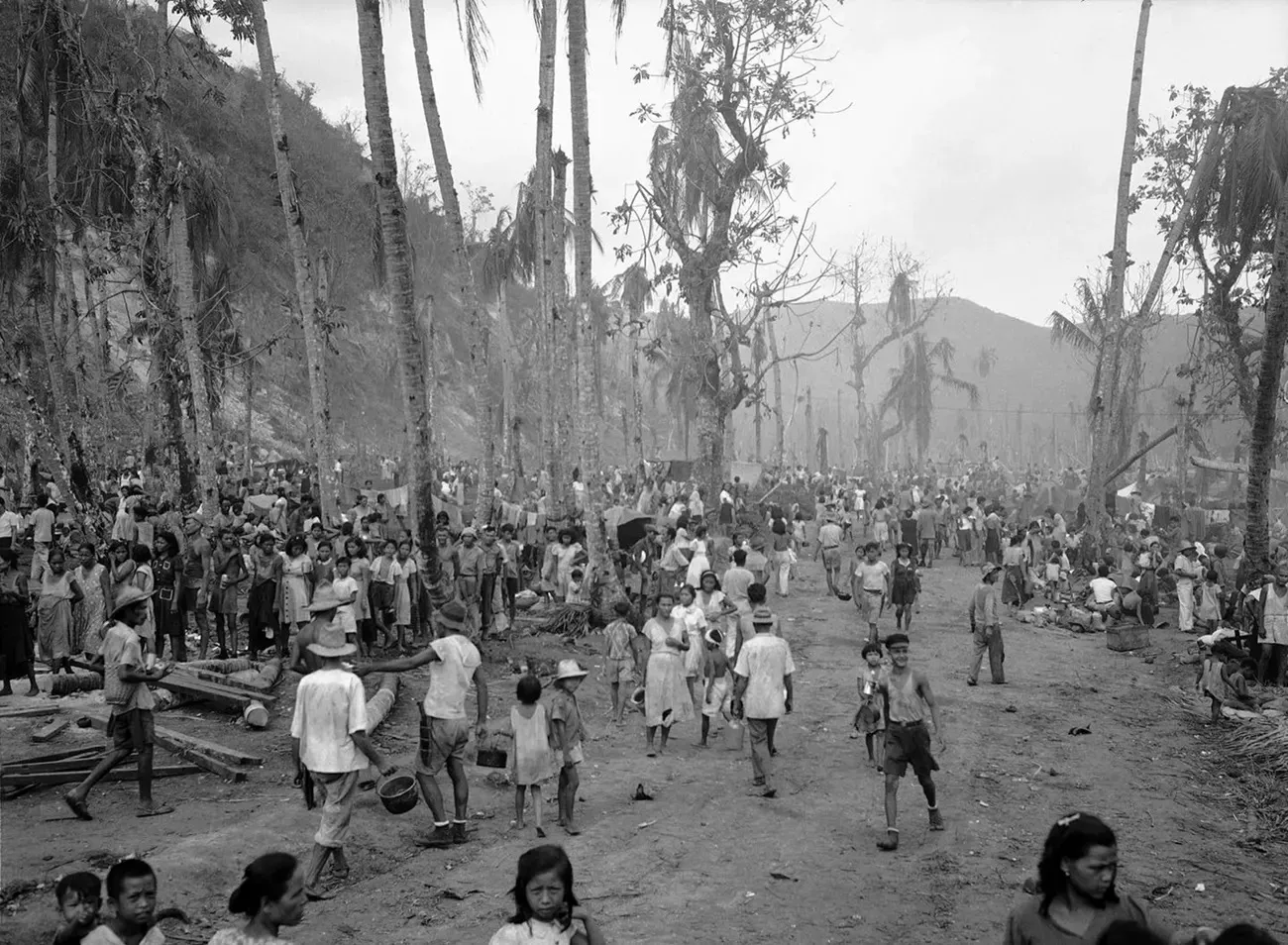
Guam’s modern relationship with the United States is deeply rooted in the ashes of World War II. Settled thousands of years ago by seafarers from the region of modern-day Philippines, the island developed a thriving CHamoru society characterized by towering latte stones and advanced voyaging technology. This autonomy was fractured by centuries of colonization—first by Spain beginning in 1521, followed by the United States in 1898, and a brutal Japanese occupation during World War II that subjected the Indigenous population to forced marches, labor camps, and executions.
When American forces retook Guam in 1944, they were welcomed as liberators. Generations of CHamorus grew up with a narrative of profound gratitude toward the U.S. military. However, this gratitude masked an immediate post-war reality: the Navy seized roughly two-thirds of the island’s landmass to construct strategic installations, reshaping civilian infrastructure entirely around military utility.
The Awakening of Leevin Camacho
For years, Leevin Camacho lived comfortably within the conventional narrative of the island. Returning to Guam after law school in 2009, he built a successful legal career, maintaining a daily running routine along the quiet, jungle-fringed roads of Yigo.
That perspective began to shift when Camacho examined the environmental impact statements tied to a proposed, massive U.S. military buildup—an initiative designed to relocate thousands of Marines from Okinawa to Guam. Reviewing thousands of pages of federal documents, Camacho uncovered a stark disconnect: environmental consultants dismissed the disruption of local communities by simply asserting that minimal traffic implied zero impact. More alarming was a passage noting that an influx of 80,000 people would strain local water resources, necessitating the diversion of surplus civilian water supplies while local aquifers remained vulnerable.
This realization catalyzed Camacho and other concerned residents to form We Are Guåhan. Their initial activism successfully challenged military expansions at sensitive cultural sites like Pågat and reduced the planned influx of Marines. Camacho later transitioned into public service, winning election as Guam’s Attorney General in 2018. In that role, he spearheaded a landmark lawsuit against the Navy over an abandoned World War II-era municipal dump—a legal battle that culminated in a unanimous 2021 U.S. Supreme Court ruling allowing the case to proceed, ultimately prompting the federal government to pay Guam $48.9 million for cleanup.
The Dieldrin Crisis
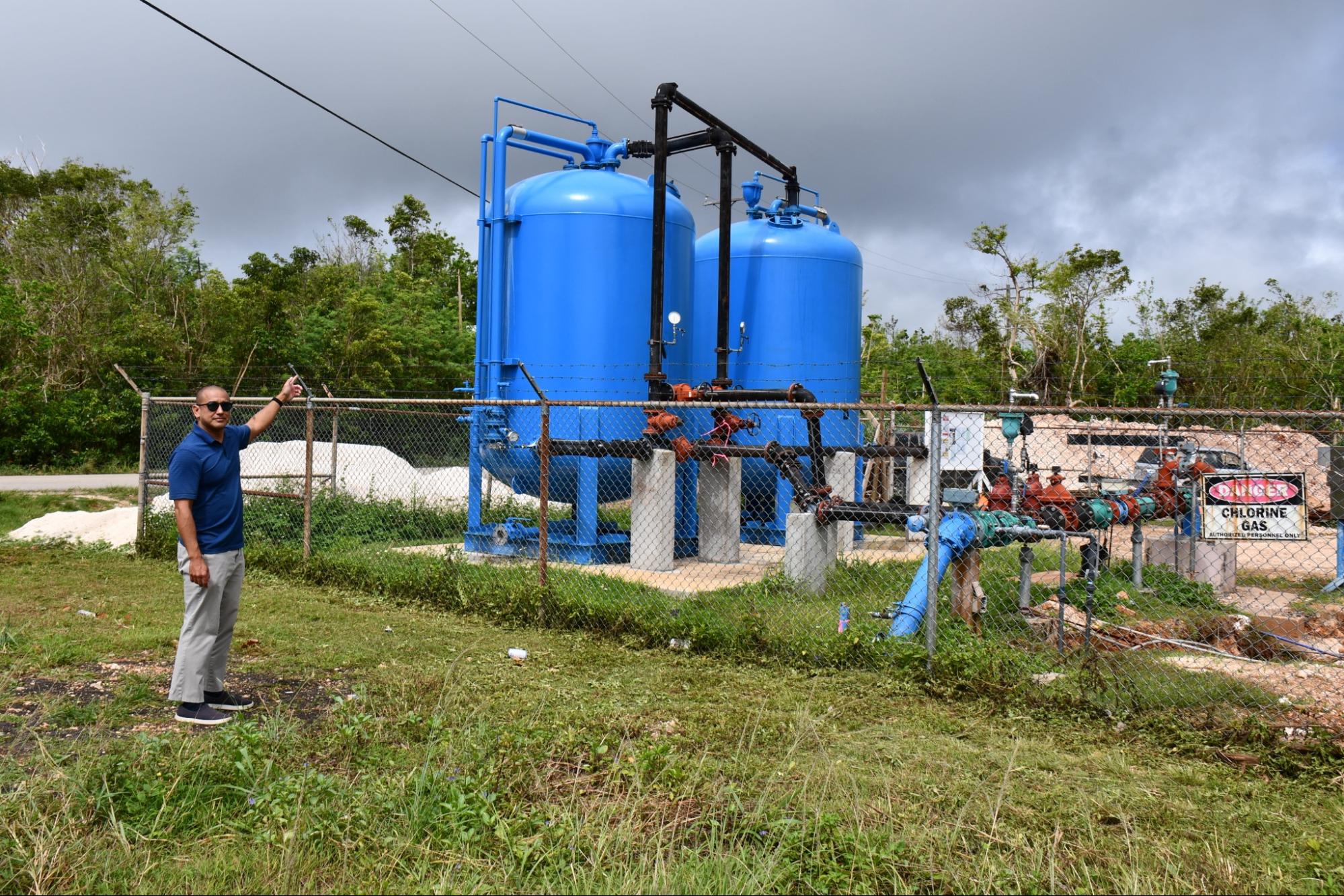
Despite these legal victories, the systemic environmental threats persisted. The discovery of high concentrations of dieldrin in Yigo’s water wells exposed a long-standing hazard. Documents revealed that the U.S. Air Force base adjacent to Camacho’s neighborhood had listed dieldrin as a "chemical of concern" since at least 1993, with high levels detected in local water infrastructure as early as 2008.
For residents like Vice Mayor Pedro Blas of Yigo, the contamination underscored a bitter truth. Generations of families had been raised to trust that island tap water was safe, only to discover that legacy military pollution had compromised their most vital natural resource. Camacho’s legal firm subsequently helped file over 700 claims totaling $360 million against local authorities, aiming to force broader accountability from the Department of Defense.
Supporting Context & Metrics
The ongoing militarization of the Western Pacific represents one of the largest infrastructure expansions in the history of the Department of Defense. To understand its scale and systemic impact, several core metrics and historical realities must be examined:
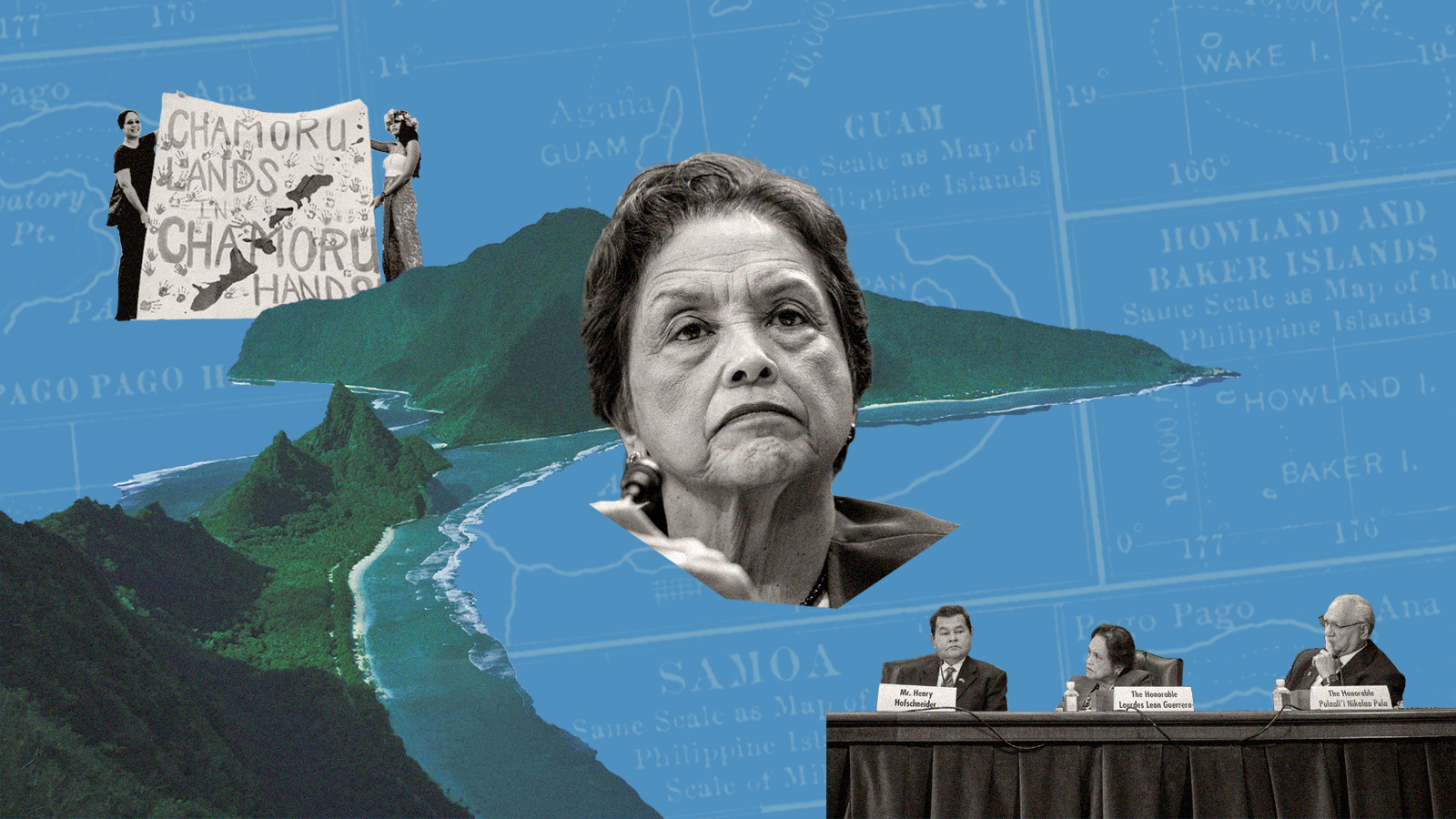
- Land Ownership: Despite returning portions of land over the decades, the U.S. military still retains control over at least 25% of Guam’s total land area, dictating regional transportation corridors and separating civilian communities.
- Economic Integration vs. Cost: Approximately 1 in 9 Guam residents serves in the U.S. armed forces. Economists estimate that every dollar spent by the Pentagon adds roughly 75 cents to the island’s GDP. However, this influx has driven rapid commercialization and skyrocketing housing costs, with median home prices approaching $500,000.
- Regional Buildup Funding: The Pentagon has poured $8 billion into 16 new missile defense sites on Guam alone, alongside major seaport and airfield expansions across Yap, Palau, and the Northern Mariana Islands.
- Greenhouse Gas Footprint: As the world’s largest institutional emitter of greenhouse gases, the U.S. military’s regional expansion accelerates the very climate crisis—manifested in increasingly destructive typhoons—that threatens the physical survival of low-lying Pacific islands.
Official Statements and Competing Perspectives
The debate over militarization in the Pacific reveals a profound philosophical divide between federal defense leadership, local political authorities, and grassroots environmental advocates.
The Pentagon’s Position
U.S. military leadership argues that the multi-billion-dollar investments are entirely necessary to deter peer competitors in an increasingly volatile Indo-Pacific security environment.
Rear Admiral Brett Mietus, head of Joint Region Marianas, emphasized the defensive nature of these operations during interviews with environmental journalists:
"We spend a lot of time and we spend a lot of money making sure that we meet every U.S. regulation when it comes to anything that we’re going to do here… We’re meeting every letter of every law for environmental regulations and rules, and we’re doing that while we’re spending a ton of money to defend this island from the most advanced missiles in the world."
Addressing local skepticism regarding regional conflicts, Mietus argued that the alternative—failing to defend the island against advanced missile threats—would present a far greater risk to the population. Regarding the Yigo water contamination, military officials have noted that investigations into the specific source of the dieldrin remain ongoing and that high concentrations have not been directly isolated within active military-operated wells.
Local Governance and Economic Pragmatism
Elected leaders like Guam Governor Lou Leon Guerrero acknowledge the environmental and social strains of the buildup while emphasizing the economic necessity and security guarantees provided by the alliance.
"These guys can yell and scream all they can," Governor Leon Guerrero noted. "They’re going to do the military buildup regardless, right? So why don’t we work with them and see how we can benefit?"
The governor has actively advocated for the Pentagon to fund critical civilian infrastructure upgrades, such as hardening local power grids and constructing a hospital capable of handling mass casualty events, while encouraging activists to pursue broader political self-determination.
Grassroots and Indigenous Resistance
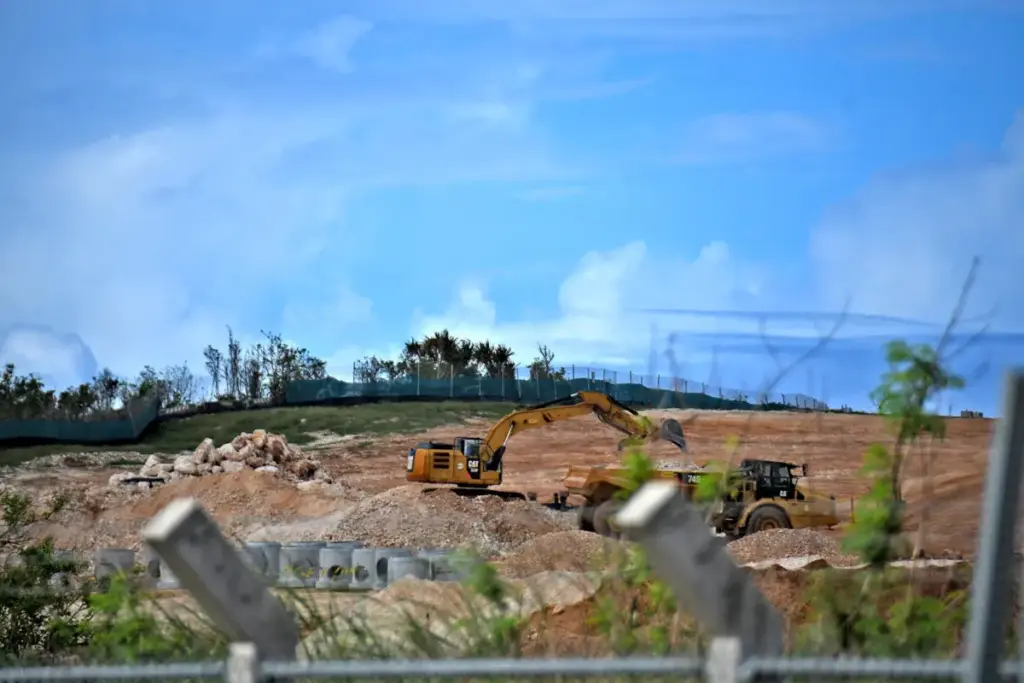
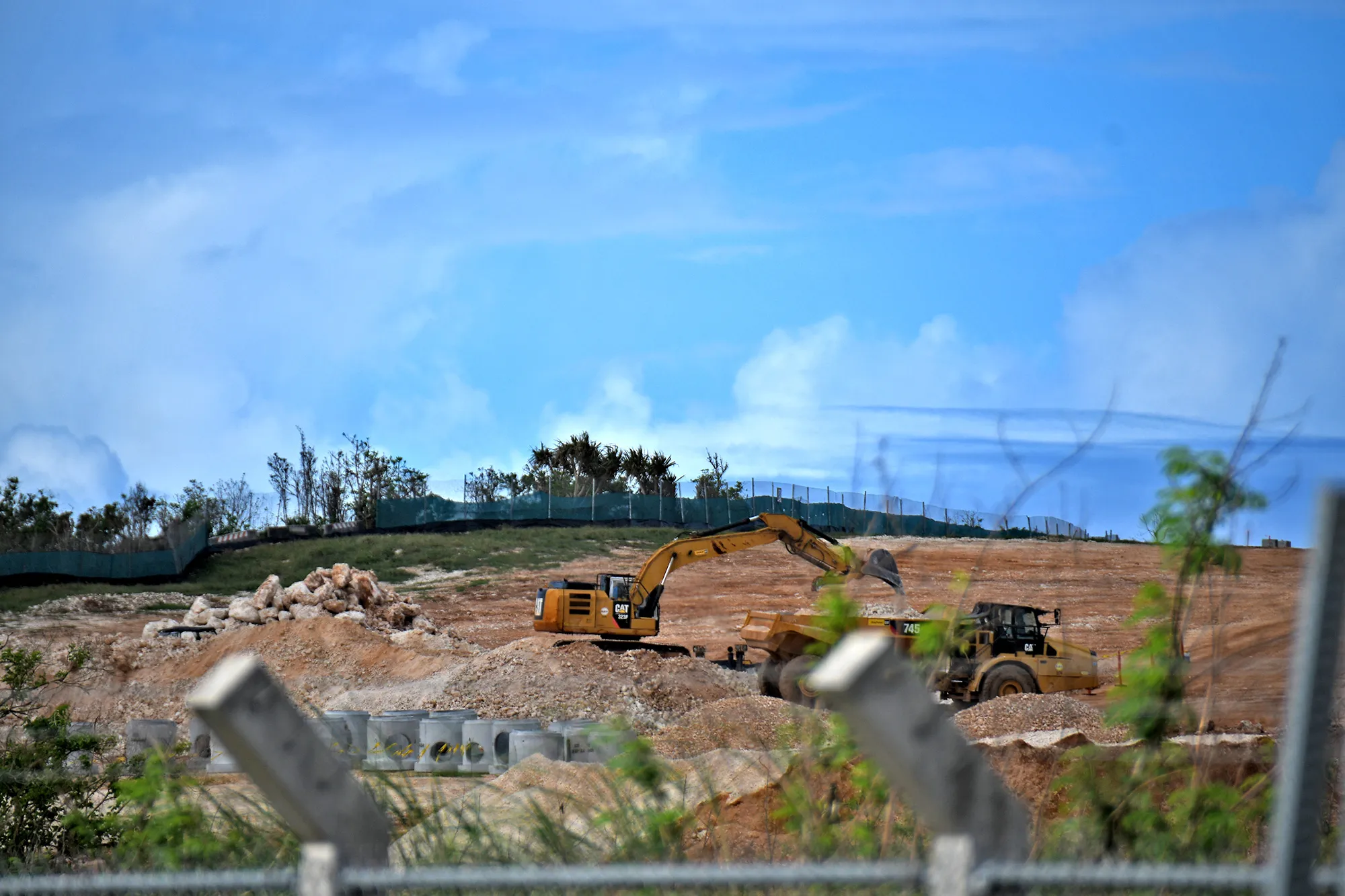
Conversely, community organizers and human rights advocates view the expansion through the lens of historical exploitation and environmental racism. Monaeka Flores, executive director of Prutehi Guåhan, captured this sentiment while surveying bulldozed limestone forests near the newly activated Marine Corps Base Camp Blaz:
"What are they really here to protect if there’s so much harm taking place? Are we just collateral damage? Because just looking at our history of being occupied by war, being used for weapons testing, it feels like the message is that we don’t matter. Our future doesn’t matter. Our survival doesn’t matter."
Future Outlook
As geopolitical tensions between the United States and China continue to escalate in the Indo-Pacific—highlighted by recent ballistic missile test flights passing near the region—the strategic importance of Guam and its neighboring island chains will only intensify.
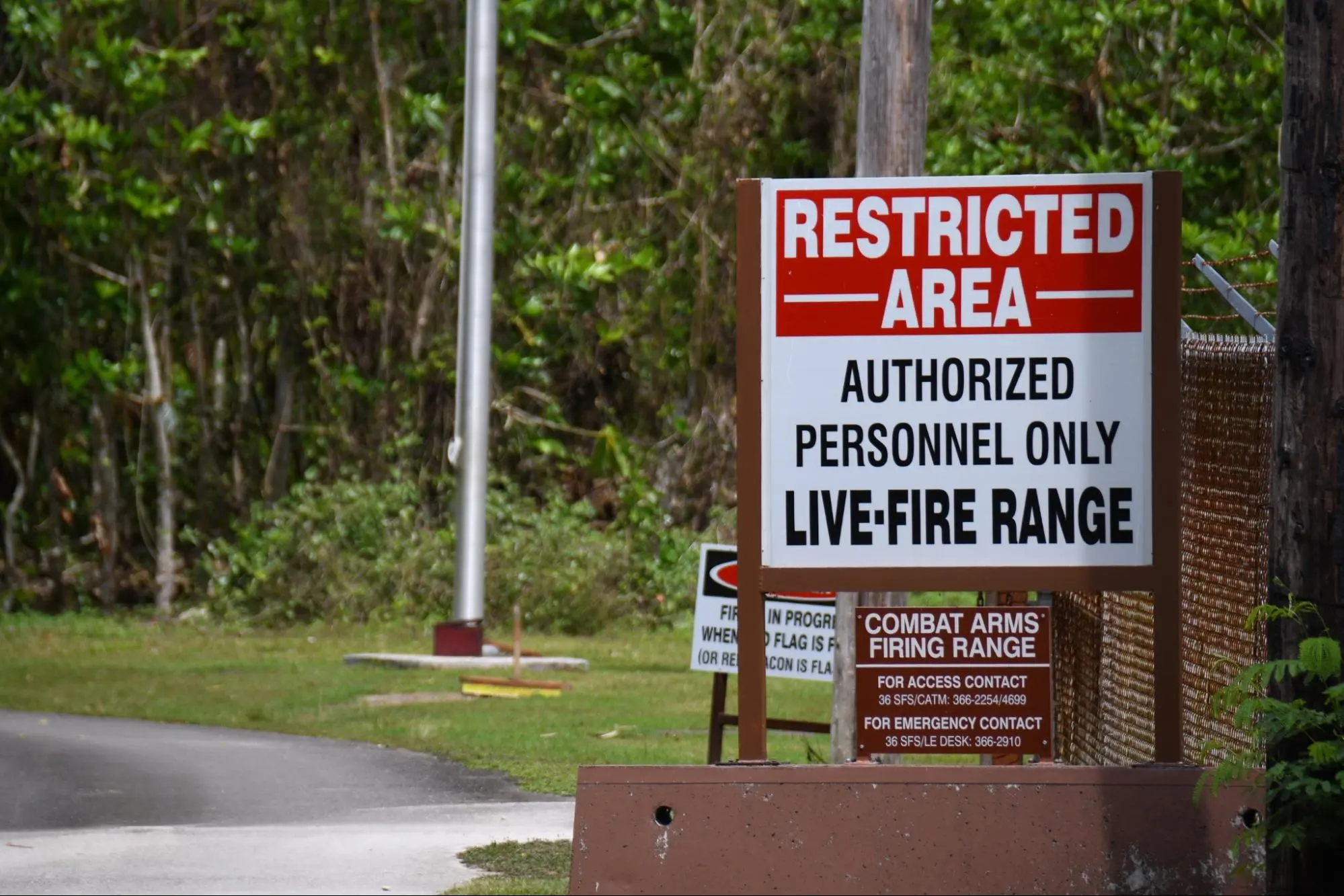
For communities across Micronesia and the broader Pacific, the coming decades present an alarming dilemma. The expansion of live-fire ranges, radar installations, dredging projects in marine protected areas, and expanded sonar training zones threaten fragile ecosystems and sacred cultural sites. Simultaneously, the risk of becoming an immediate target in a major international conflict leaves local residents feeling uniquely vulnerable.
Leevin Camacho remains steadfast in his refusal to view displacement or silence as inevitable. Dividing his time between fighting for dieldrin victims in Guam and analyzing Navy infrastructure proposals in Yap, his mission remains focused on forcing the world’s most powerful military machine to adhere to the rule of law.
For Camacho and countless other Pacific Islanders, the struggle is not merely about stopping a construction project or securing financial reparations; it is about reclaiming agency over their ancestral homelands. As Camacho observed of his lifelong home:
"Guam is home—there is nowhere else we are going to be."



